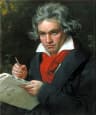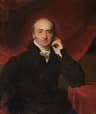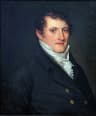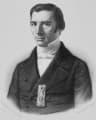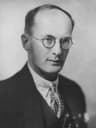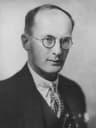
Born
April 7, 1770
Cockermouth, United Kingdom
Died
April 23, 1850
Rydal Mount, United Kingdom
Known for
English Romantic poet
William Wordsworth (1770–1850) was United Kingdom best known for English Romantic poet.
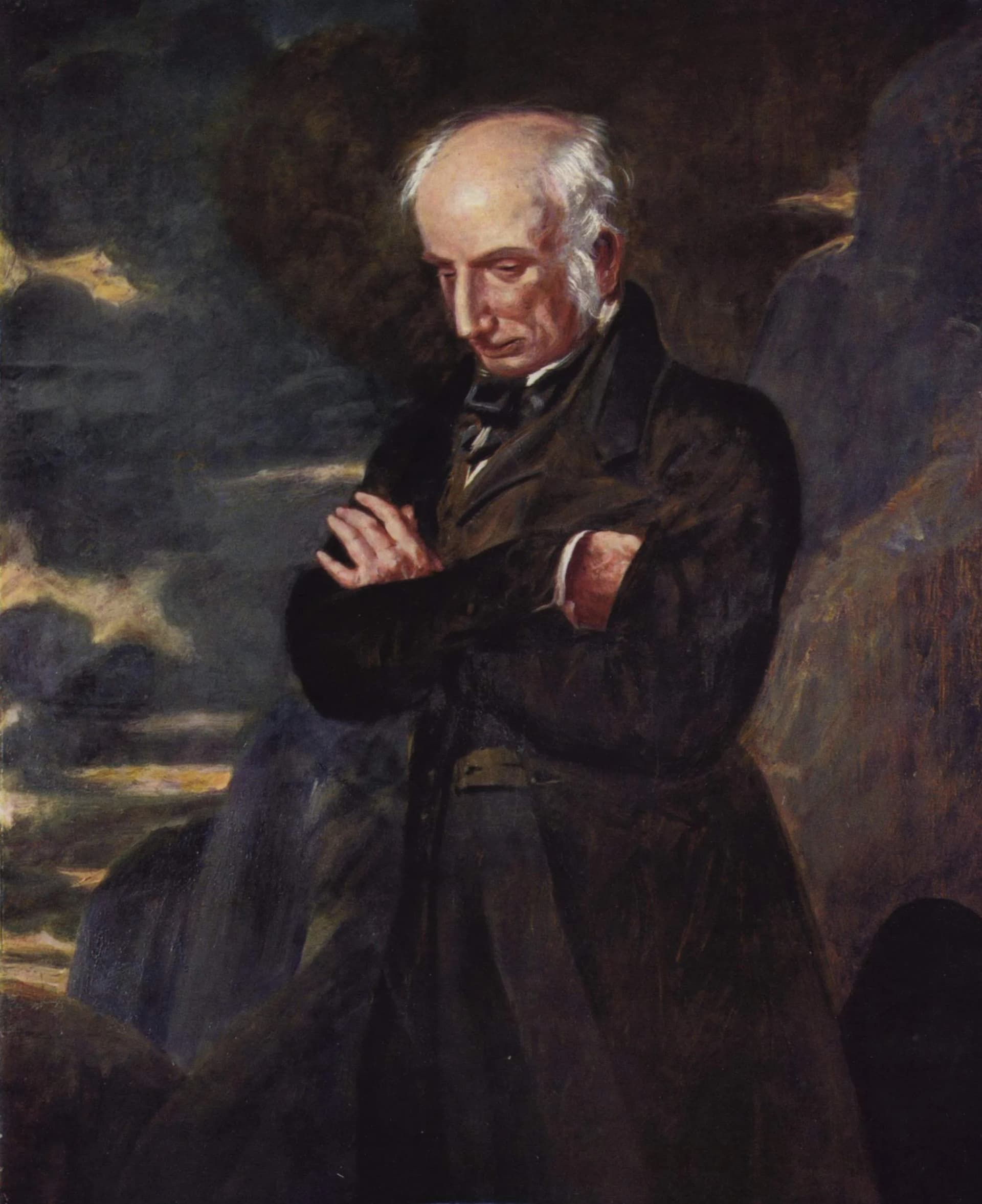
William Wordsworth (April 7, 1770 – April 23, 1850) was an English Romantic poet from Cockermouth, United Kingdom. With Samuel Taylor Coleridge, he launched the Romantic Age in English literature with <em>Lyrical Ballads</em> (1798). His works remain a cornerstone of poetic tradition.
Chapter
Life chapters
Chapter 1 · 1770· Chapter 1 of 7
Opening
William Wordsworth (April 7, 1770 – April 23, 1850) was a preeminent English Romantic poet, author, and lyricist whose contributions profoundly shaped the literary landscape. He is widely celebrated for his role, alongside Samuel Taylor Coleridge, in initiating the Romantic Age in English literature. Their joint publication, Lyrical Ballads in 1798, marked a significant turning point in poetic expression. This collection encouraged a new appreciation for nature, emotion, and common language.
Chapter 2 · 1770· Chapter 2 of 7
Early Life and Origins
William Wordsworth was born on April 7, 1770, in Cockermouth, United Kingdom. This picturesque setting in the Lake District would later influence much of his poetry, reflecting his deep connection to nature and rural life. His birthplace provided the foundational experiences and scenic beauty that would define his literary sensibilities throughout his life.
Chapter 3 · 1798· Chapter 3 of 7
Career Beginnings
Wordsworth's career truly began with a collaboration that would change English literature forever. In 1798, he partnered with fellow poet Samuel Taylor Coleridge to publish Lyrical Ballads. This collection is widely recognized for helping to launch the Romantic Age, challenging existing poetic conventions with its focus on common language and emotional depth.
Chapter 4 · 1798· Chapter 4 of 7
Major Achievements and Career Highlights
The publication of Lyrical Ballads in 1798 stands as Wordsworth's most prominent achievement, fundamentally altering the course of English poetry. Its innovative approach to subject matter and diction championed the use of everyday language and the exploration of individual experience. This seminal work established Wordsworth as a fresh and significant voice in the literary world.
This collaboration with Coleridge solidified Wordsworth's position as a leading figure of the burgeoning Romantic movement. His work resonated deeply with readers, moving away from formal, classical styles to embrace the personal and the natural. He was instrumental in shifting poetic focus towards imagination and the sublime.
Chapter 5· Chapter 5 of 7
Notable Works or Contributions
Beyond Lyrical Ballads, William Wordsworth authored a substantial body of work that continues to be studied and admired. His bibliography includes Early poems and The recluse, showcasing his evolving poetic voice from his earliest efforts. He also released numerous collections of his writing, demonstrating a prolific career.
Further demonstrating his commitment to his craft, Wordsworth published works such as The complete poetical works of William Wordsworth and Poems by William Wordsworth. These collections gathered his extensive contributions, making his poetic vision accessible to a wider audience. He was also a lyricist, a skill evident in the musicality of his verse.
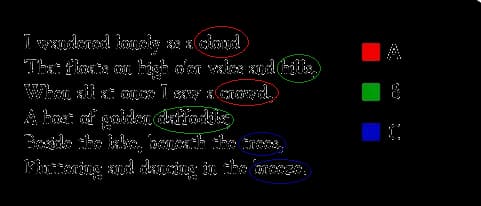
His distinct style is particularly evident in poems like "I Wandered Lonely As A Cloud," which begins: "I wandered lonely as a cloud / That floats on high o'er vales and hills, / When all at once I saw a crowd, / A host, of golden daffodils." This excerpt perfectly captures his ability to infuse nature with profound human emotion. Another example of his introspective writing is "Lines Written In Early Spring": "I heard a thousand blended notes, / While in a grove I sate reclined, / In that sweet mood when pleasant thoughts / Bring sad thoughts to the mind." These lines reveal his characteristic blend of natural observation and philosophical reflection.
Wordsworth's diverse output also included more specific commissions, such as Ode on the installation of His Royal Highness, Prince Albert, as Chancellor of the University of Cambridge.... Other notable publications included Poetical works, with memoir, explanatory notes, etc, and Melodies from nature. His influence also extended to works like Les poètes lakistes and publications related to his partnership, such as Wrodsworth-Coleridge, reflecting the broad reach of his literary impact.
Chapter 6· Chapter 6 of 7
Later Years
William Wordsworth spent his later years continuing his literary endeavors, building upon the foundational works of his earlier career. Though specific details of his late-life output are not extensively documented in the provided information, his presence remained a significant force in British literature. He continued to be a respected voice for the Romantic ideals he championed.
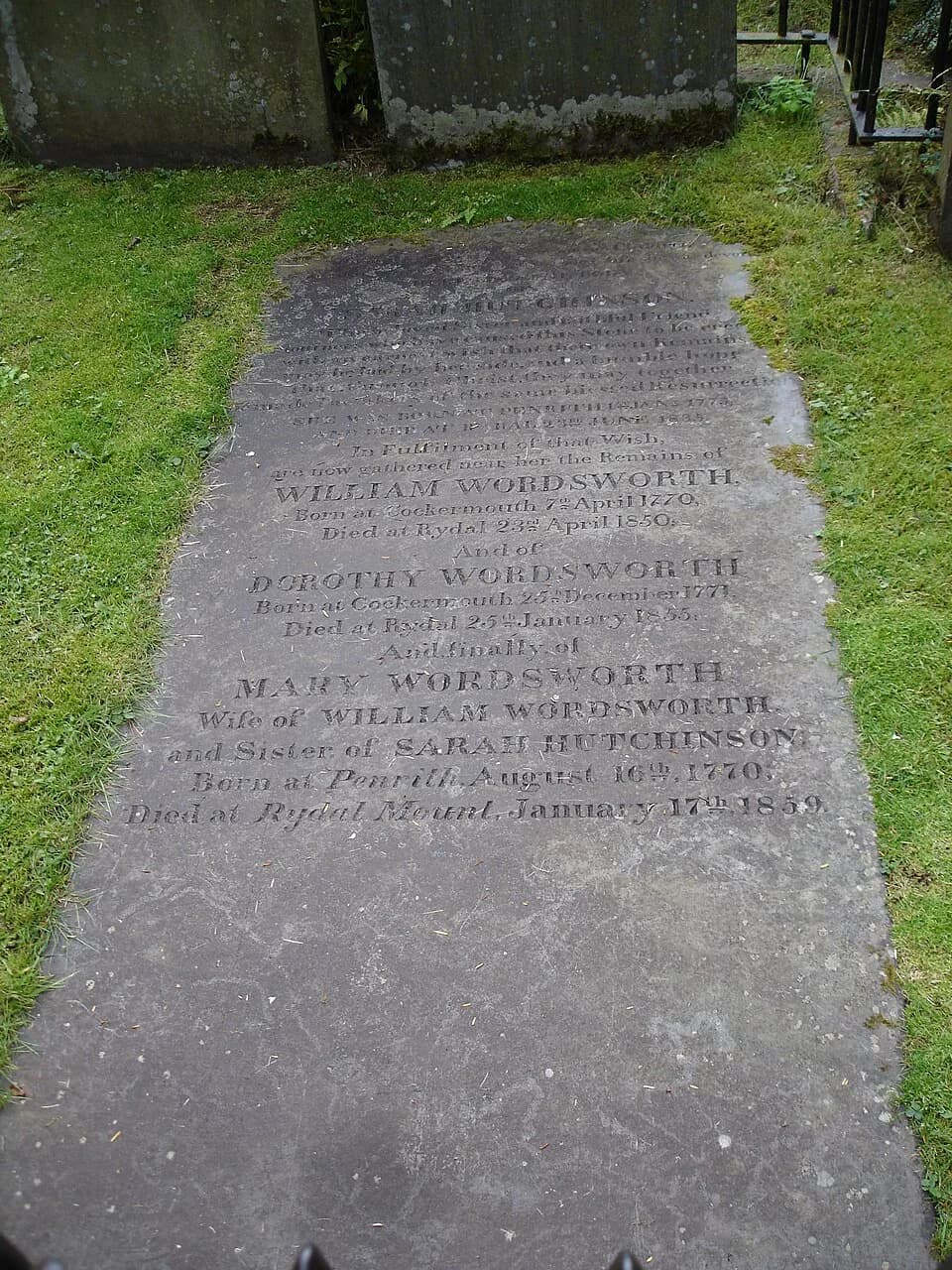
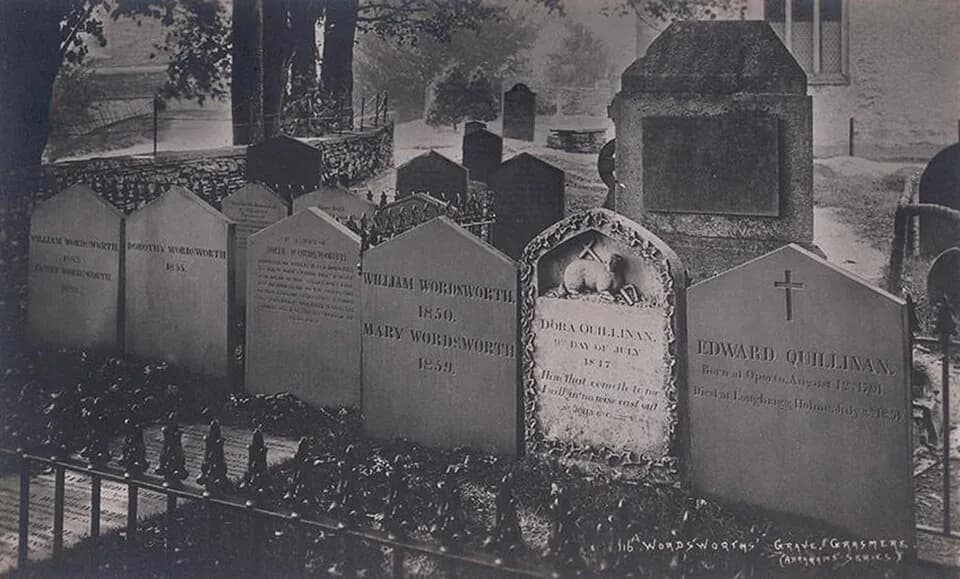
Wordsworth passed away on April 23, 1850, in Rydal Mount, United Kingdom. His death marked the close of a long and impactful life dedicated to the art of poetry. His home at Rydal Mount became a place of literary pilgrimage, symbolizing the enduring spirit of his work.
Chapter 7· Chapter 7 of 7
Legacy and Impact
William Wordsworth's legacy is immense, cementing his place as one of English literature's most cherished poets. His pioneering efforts with Samuel Taylor Coleridge in Lyrical Ballads are credited with launching the Romantic Age, forever changing poetic style and themes. He championed a new sensibility that valued emotion, individualism, and the profound beauty of the natural world.
He brought poetry closer to the language of everyday life, moving away from formal conventions to embrace authentic human experience. Generations of readers and writers have found inspiration in his vivid descriptions and contemplative verses. His emphasis on nature as a source of spiritual and moral truth continues to resonate today.
His work encouraged a deeper connection to the environment and a celebration of the simple yet profound moments in life. Wordsworth's poetry continues to be a cornerstone of literary education, studied for its innovation, beauty, and enduring philosophical insights. His contributions ensure his lasting influence on literary tradition worldwide.
A life in moments
The moments that shaped a life
FAQ
Frequently asked
When did William Wordsworth die?
William Wordsworth died on April 23, 1850 in Rydal Mount, United Kingdom, at the age of 80.
Where was William Wordsworth born?
William Wordsworth was born in Cockermouth, United Kingdom on April 7, 1770.
What is William Wordsworth best known for?
William Wordsworth is best known for English Romantic poet.
How old was William Wordsworth when they died?
William Wordsworth was 80 years old at the time of death.
What nationality was William Wordsworth?
William Wordsworth was from United Kingdom.
Timeline
Life at a glance
Photo gallery
A life in pictures
Click any polaroid to expand · 25 photos
QR Code
Share This Biography
Print & Share
Scan to visit this biography page. Print for events, exhibitions, or educational materials.