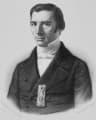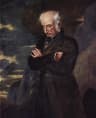
Born
December 6, 1778
Saint-Léonard-de-Noblat, France
Died
May 9, 1850
Paris, France
Known for
French chemist and physicist
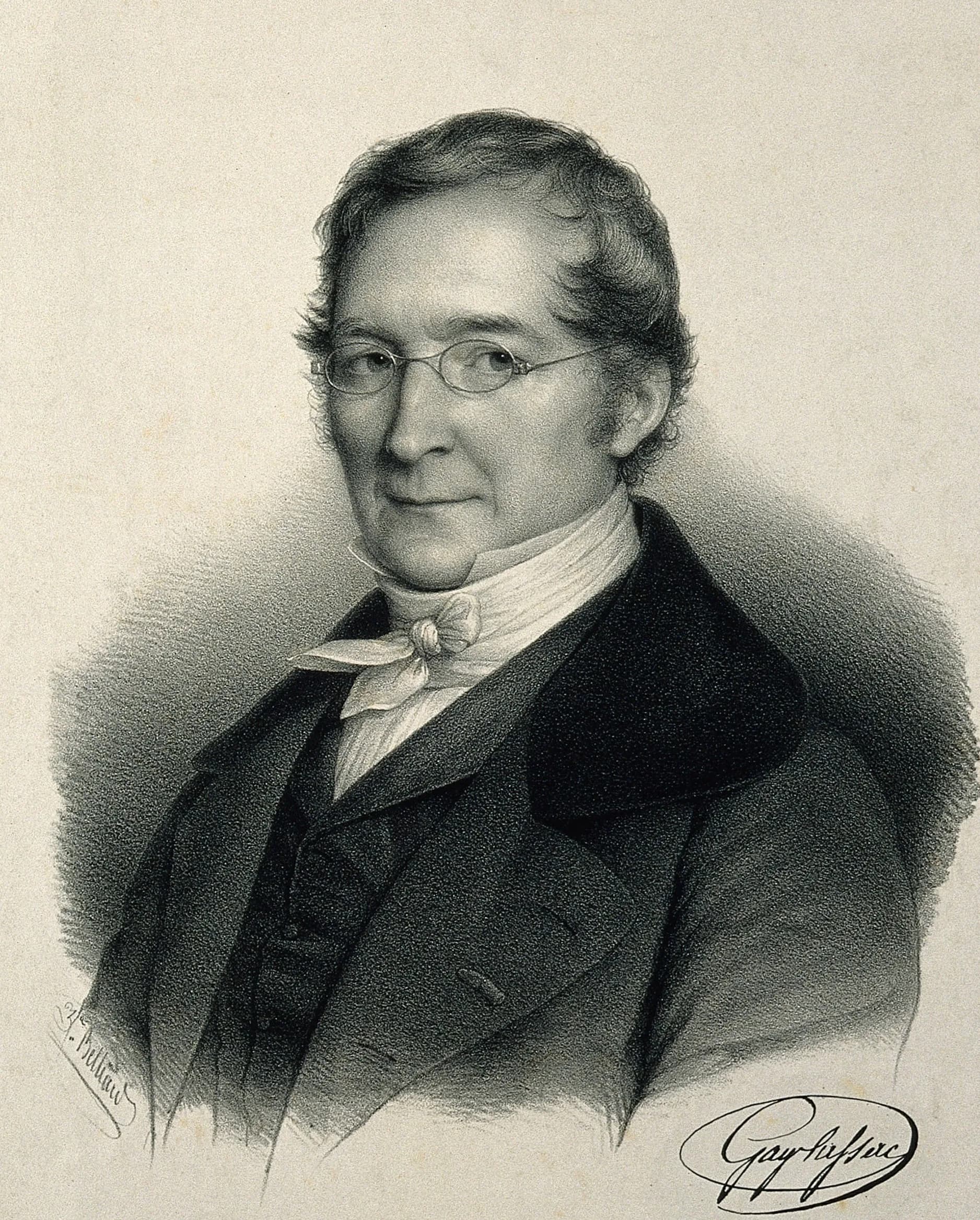
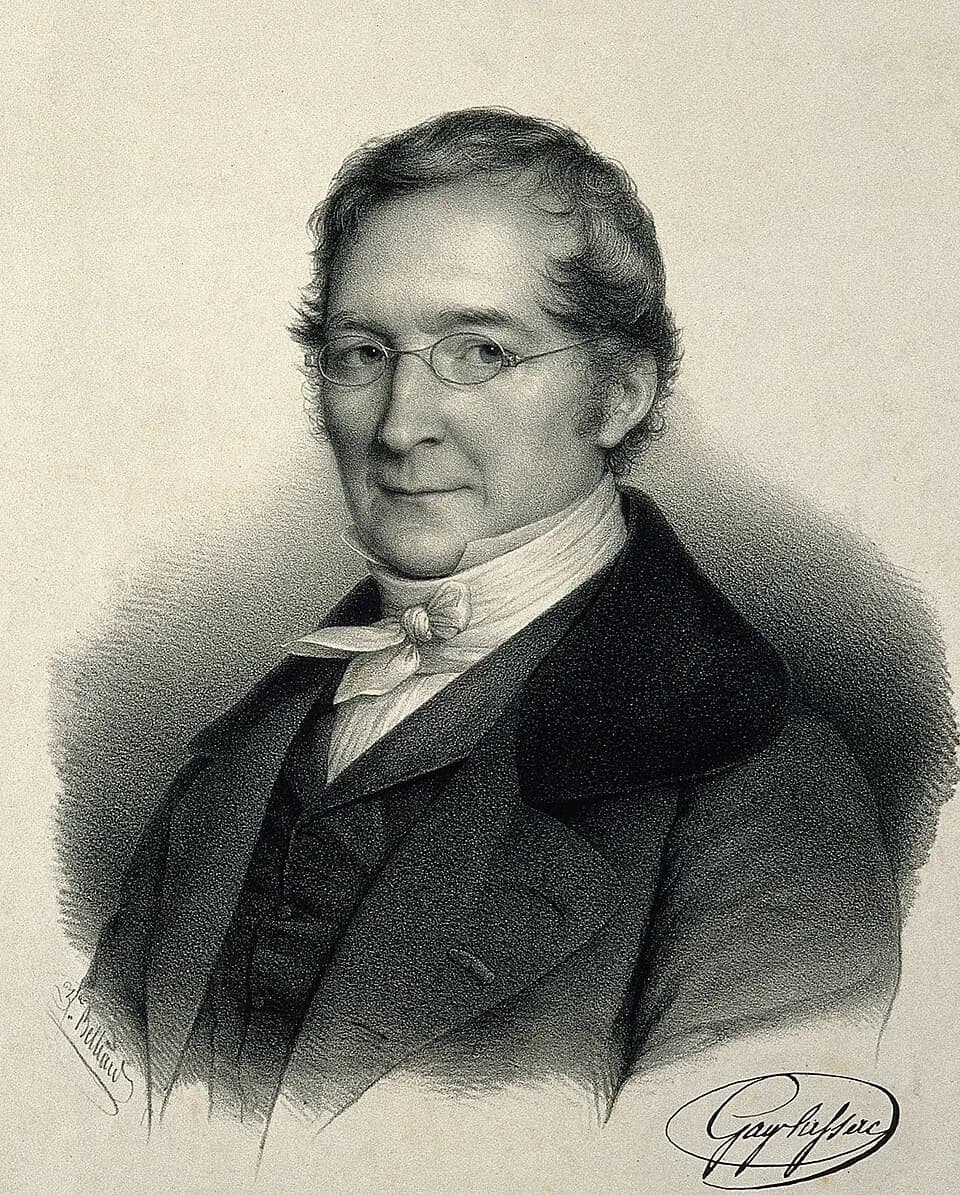
Joseph Louis Gay-Lussac (1778–1850) was France best known for French chemist and physicist.
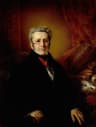
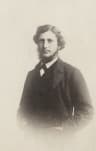
Joseph Louis Gay-Lussac (December 6, 1778 – May 9, 1850) was a French chemist and physicist from Saint-Léonard-de-Noblat. He is celebrated for his gas laws and for determining the composition of water. His work significantly influenced the understanding of chemical reactions and mixtures.
Chapter
Life chapters
Chapter 1 · 1778· Chapter 1 of 7
Early Life and Origins
Joseph Louis Gay-Lussac was born on December 6, 1778, in Saint-Léonard-de-Noblat, a town in west-central France. His early life was rooted in this provincial setting, which provided the backdrop for his formative years. Growing up in France during a period of significant intellectual and scientific ferment, he was exposed to an environment ripe for scientific inquiry and discovery.
Chapter 2· Chapter 2 of 7
Career Beginnings
Gay-Lussac's intellectual curiosity soon propelled him into a diverse and impactful professional life. He embarked on a distinguished career that saw him excel across multiple disciplines, becoming known not just as a scientist but also as a public figure. His professional titles included engineer, politician, physicist, chemist, university teacher, and board member, showcasing a remarkable breadth of expertise and influence from his earliest professional engagements.
Chapter 3· Chapter 3 of 7
Major Achievements and Career Highlights
Among his most celebrated breakthroughs, Joseph Louis Gay-Lussac definitively established that water is composed of two parts hydrogen and one part oxygen by volume. This discovery, announced at a time when the exact composition of water was still debated, provided crucial insights into stoichiometry and the nature of chemical compounds. His meticulous experimental work offered a quantitative understanding that was vital for the advancement of modern chemistry.
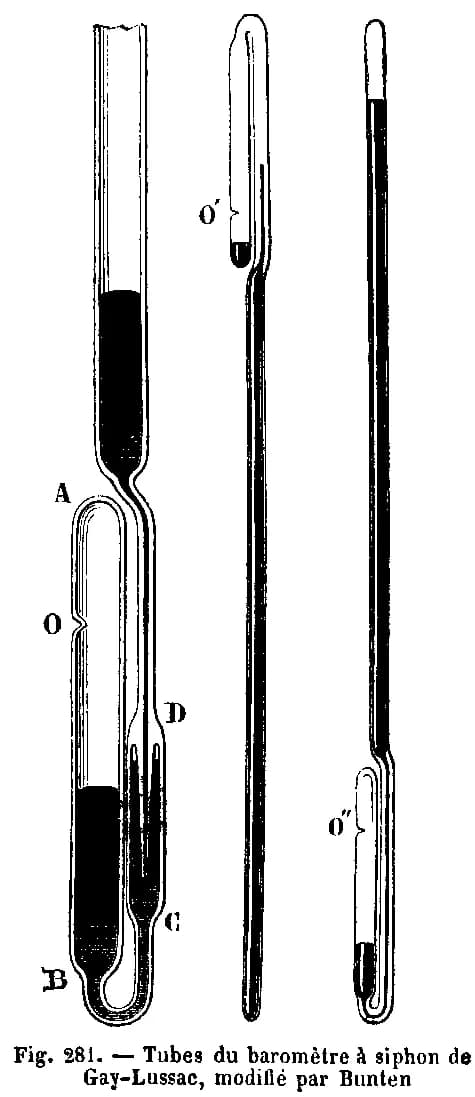
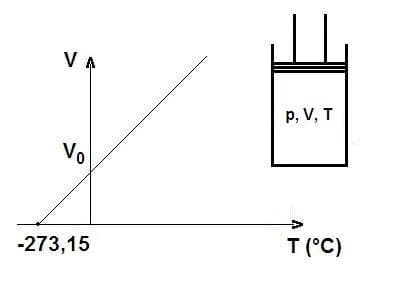
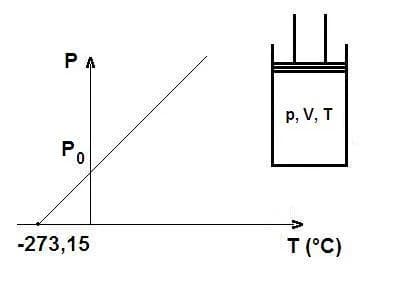
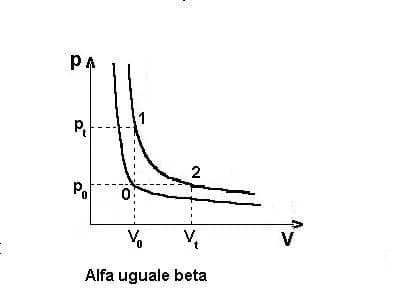
Furthermore, Gay-Lussac formulated two fundamental laws concerning the behavior of gases, which bear his name. These laws elucidated the relationships between the volume, temperature, and pressure of gases, laying critical groundwork for the kinetic theory of gases and significantly enhancing the scientific community's grasp of physical chemistry. These insights remain cornerstone principles taught in science education globally.
His practical contributions extended to the realm of alcoholic beverages, where his research on alcohol–water mixtures led to the development of the "degrees Gay-Lussac." This standardized measure for alcoholic strength became widely adopted and is still used in many countries today. This innovation underscored his ability to translate complex scientific principles into tangible, universally applicable solutions.
Chapter 4· Chapter 4 of 7
Personal Life
While Joseph Louis Gay-Lussac's professional accomplishments are extensively documented, specific details regarding his personal life, family, or private interests are not provided in the available records. His career as a celebrated scientist, engineer, and public servant undoubtedly consumed much of his time and focus. The enduring impact of his scientific work stands as the primary testament to his life.
Chapter 5 · 2012· Chapter 5 of 7
Notable Works or Contributions
Gay-Lussac's influential research was documented in several significant academic publications, many of which continue to be studied and cited today. His work titled "The Expansion of Gases by Heat," for example, published in 2012, has accumulated 128 citations, highlighting its lasting relevance in the scientific literature. This paper directly reflects one of his pivotal contributions to understanding gas dynamics.
Another significant compilation, "The Free Expansion of Gases: Memoirs by Gay-Lussac, Joule, and Joule and Thomson," published in 2008, includes his memoirs, further demonstrating his foundational experiments in thermodynamics. His contributions were also instrumental in "Foundations of the Molecular Theory: Comprising Papers and Extracts," published in 2007, indicating his central role in shaping atomic and molecular theories. Beyond theoretical physics and chemistry, Gay-Lussac also contributed to practical applications, as evidenced by "Information about lightning conductors : issued by the Academy of Science of France," a publication from 1981, showcasing his involvement in public safety and engineering. Additionally, the existence of a work titled "Gay-Lussac and Thenard" (1964) points to important collaborations or the analysis of his joint work with other prominent scientists of his era.
Chapter 6 · 1850· Chapter 6 of 7
Later Years
Joseph Louis Gay-Lussac remained an active and influential figure in French science and public life throughout his later years. He continued to shape scientific discourse and contribute to various institutions until his passing. He passed away on May 9, 1850, in Paris, France, the intellectual heart of the nation he so profoundly enriched. His passing marked the end of an era for many of his contemporaries, but his scientific spirit and discoveries continued to inspire.
Chapter 7· Chapter 7 of 7
Legacy and Impact
The legacy of Joseph Louis Gay-Lussac is immense and continues to shape scientific understanding. His precise determination of water's composition was a critical step in the development of stoichiometry and quantitative analysis in chemistry. The gas laws he formulated provided indispensable tools for understanding the physical behavior of gases, which are still fundamental to modern physics and chemistry.
Furthermore, the practical application of the degrees Gay-Lussac in measuring alcohol content exemplifies his ability to bridge pure science with everyday utility. His diverse roles as an engineer, politician, physicist, chemist, university teacher, and board member highlight a career dedicated to both scientific discovery and public service. With an h-index of 1 for 5 papers, and specifically 128 citations for his work on "The Expansion of Gases by Heat," his enduring contributions are recognized globally, cementing his status as one of the most important scientists of the 19th century.
A life in moments
The moments that shaped a life
FAQ
Frequently asked
When did Joseph Louis Gay-Lussac die?
Joseph Louis Gay-Lussac died on May 9, 1850 in Paris, France, at the age of 71.
Where was Joseph Louis Gay-Lussac born?
Joseph Louis Gay-Lussac was born in Saint-Léonard-de-Noblat, France on December 6, 1778.
What is Joseph Louis Gay-Lussac best known for?
Joseph Louis Gay-Lussac is best known for French chemist and physicist.
How old was Joseph Louis Gay-Lussac when they died?
Joseph Louis Gay-Lussac was 71 years old at the time of death.
What nationality was Joseph Louis Gay-Lussac?
Joseph Louis Gay-Lussac was from France.
Timeline
Life at a glance
Photo gallery
A life in pictures
Click any polaroid to expand · 47 photos
QR Code
Share This Biography
Print & Share
Scan to visit this biography page. Print for events, exhibitions, or educational materials.