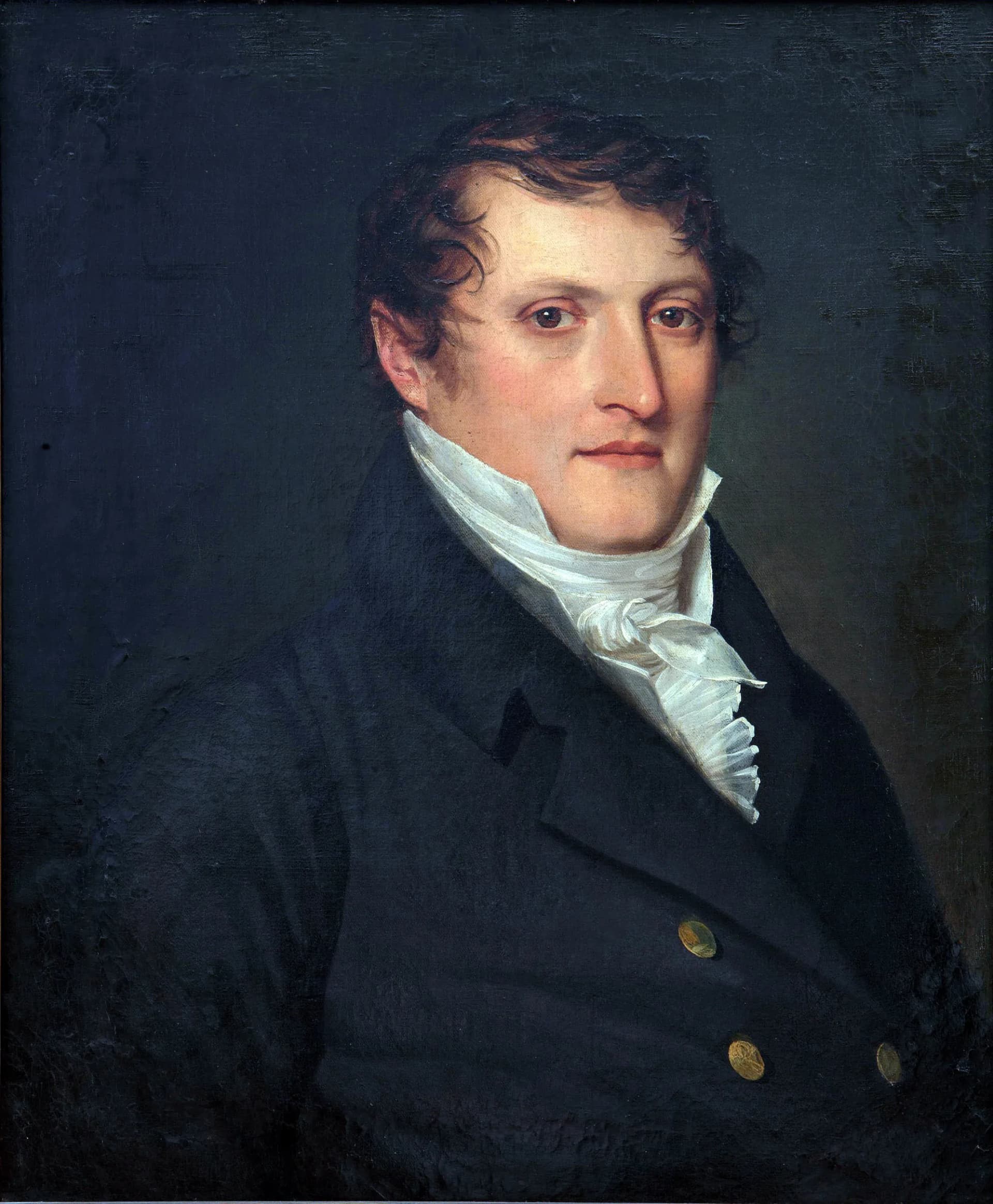
Born
June 3, 1770
Buenos Aires, Argentina
Died
June 20, 1820
Buenos Aires, Argentina
Known for
Argentine politician and military leader
Manuel Belgrano (1770–1820) was Argentina best known for Argentine politician and military leader.
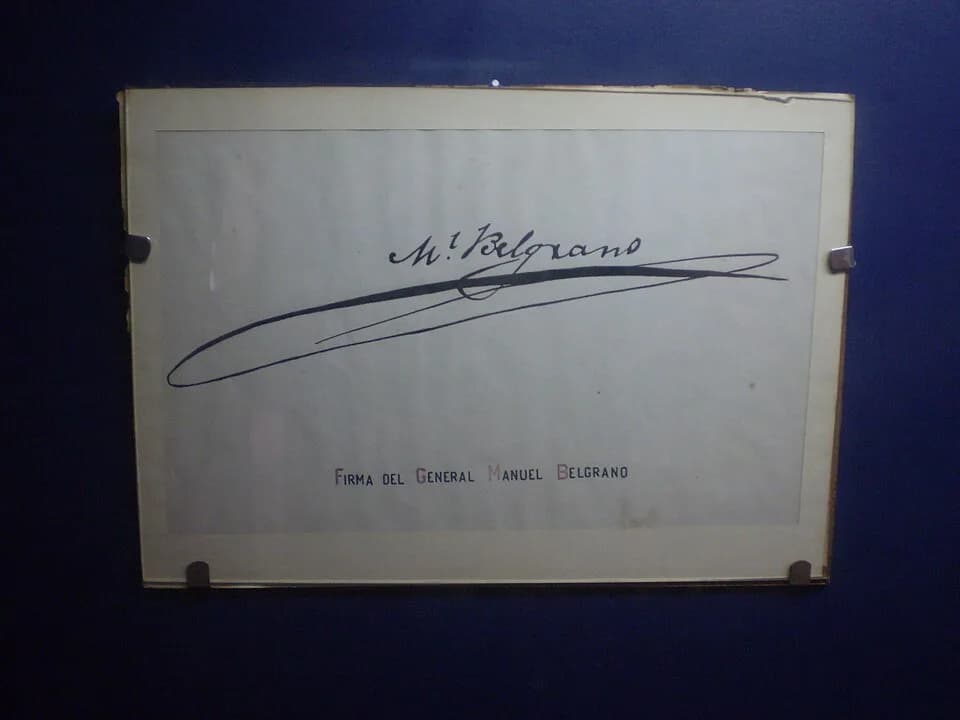
Manuel José Joaquín del Corazón de Jesús Belgrano (June 3, 1770 – June 20, 1820) was an Argentine public servant, lawyer, and military leader. He played a crucial role in the Argentine Wars of Independence and famously designed the flag of Argentina, becoming one of the nation's principal Founding Fathers.
A life in moments
The moments that shaped a life


Chapter
Life chapters
Chapter 1 · 1770· Chapter 1 of 6
Early Life and Origins
Manuel Belgrano was born on June 3, 1770, in Buenos Aires, a vibrant city that was then the capital of the Viceroyalty of Río de la Plata, which would later become Argentina. His early life in Buenos Aires provided the foundation for his later political and intellectual pursuits. While specific details of his family and upbringing are not extensively provided in the available information, his birthplace rooted him deeply in the land he would later fight to liberate.
Chapter 2· Chapter 2 of 6
Career Beginnings
Belgrano embarked on a distinguished career path that spanned multiple fields, beginning as a lawyer and jurist. His academic background likely provided him with a keen understanding of legal and governmental systems, which he soon applied to public service. Beyond the legal profession, he also cultivated expertise as an economist and journalist, using these platforms to articulate his views on national development and societal progress.
As a public servant, Belgrano advocated for significant changes, including economic reforms. He was notably a supporter of free trade, a progressive stance for his era that reflected his forward-thinking economic philosophy. These early roles provided him with experience and influence, preparing him for the monumental tasks ahead during a period of revolutionary change.
Chapter 3· Chapter 3 of 6
Major Achievements and Career Highlights
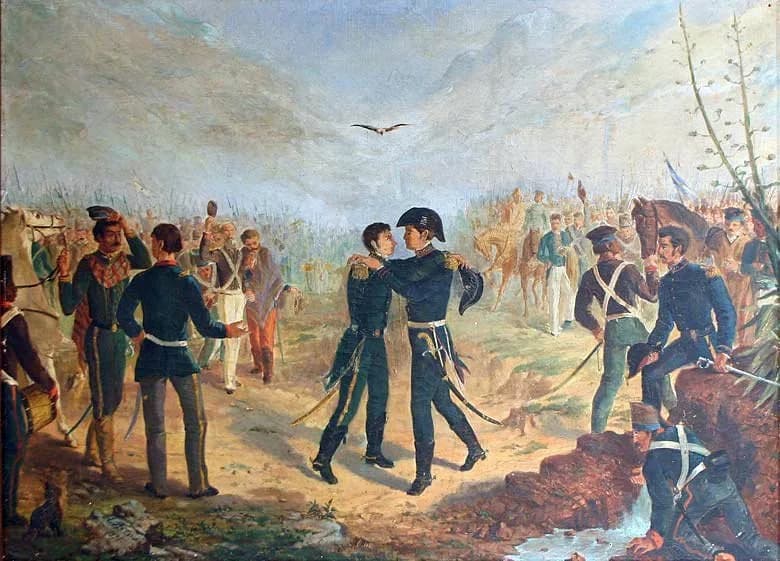
Manuel Belgrano's contributions to the formation of Argentina are both numerous and profound, particularly his involvement in the Argentine Wars of Independence. He distinguished himself as a military leader, guiding forces through critical campaigns that secured the nation's freedom. His strategic acumen and dedication were instrumental in various military engagements.
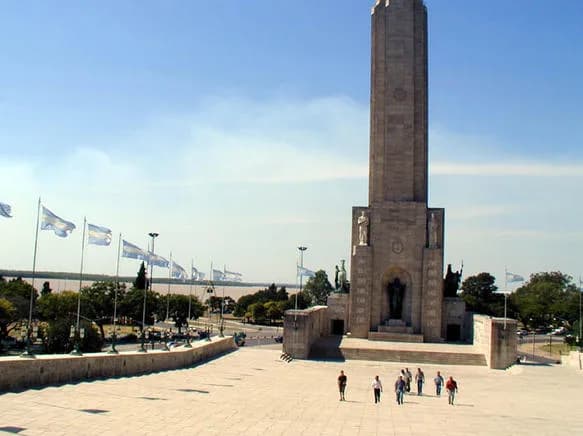
Perhaps his most iconic achievement was the design of what became the flag of Argentina, a powerful symbol of national identity and sovereignty. This creation solidified his place in the hearts of Argentines and remains a central emblem of the nation. His efforts during the independence wars, combined with his symbolic design, earned him the revered status as one of Argentina's main Founding Fathers.
Chapter 4· Chapter 4 of 6
Notable Works or Contributions
Beyond his military and political leadership, Manuel Belgrano was also a prolific writer and intellectual. His "Autobiografía" offers invaluable insights into his life, motivations, and the tumultuous events of his time. This personal account serves as a primary source for understanding the man behind the revolutionary.
His collective "Obras" further showcase his extensive writings, reflecting his diverse interests and deep engagement with the social, economic, and political issues of his era. "Documentos del archivo de Belgrano" provides a comprehensive collection of his official and personal papers, illuminating his decision-making and interactions. Additionally, his "Fragmentos autobiográficos (Memoria)" reiterates his commitment to documenting his experiences and perspectives for posterity, solidifying his legacy as both an actor in history and its chronicler.
Chapter 5 · 1820· Chapter 5 of 6
Later Years
Manuel Belgrano's life concluded on June 20, 1820, when he passed away in his birth city of Buenos Aires, Argentina. He had dedicated his entire adult life to the cause of Argentine independence and national development. His final years were spent reflecting on the nation he helped forge, having witnessed the birth of a new republic.
Chapter 6· Chapter 6 of 6
Legacy and Impact
Manuel Belgrano's impact on Argentina is immeasurable, as he is universally regarded as one of the nation's most significant historical figures. His role in the Wars of Independence, particularly his military leadership, laid the groundwork for a free Argentina. The flag he designed continues to fly proudly as a symbol of the nation's spirit and independence, a daily reminder of his vision.
His multifaceted contributions as a lawyer, economist, politician, and journalist established precedents for public service and intellectual discourse in the young nation. Belgrano’s advocacy for free trade and his detailed writings continue to offer insights into the foundational ideas that shaped Argentina. His memory lives on, inspiring generations of Argentines to uphold the principles of freedom and national identity he so passionately defended.
FAQ
Frequently asked
When did Manuel Belgrano die?
Manuel Belgrano died on June 20, 1820 in Buenos Aires, Argentina, at the age of 50.
Where was Manuel Belgrano born?
Manuel Belgrano was born in Buenos Aires, Argentina on June 3, 1770.
What is Manuel Belgrano best known for?
Manuel Belgrano is best known for Argentine politician and military leader.
How old was Manuel Belgrano when they died?
Manuel Belgrano was 50 years old at the time of death.
What nationality was Manuel Belgrano?
Manuel Belgrano was from Argentina.
Timeline
Life at a glance
Photo gallery
A life in pictures
Click any polaroid to expand · 24 photos
QR Code
Share This Biography
Print & Share
Scan to visit this biography page. Print for events, exhibitions, or educational materials.