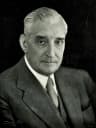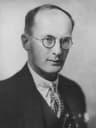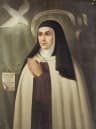
Born
April 7, 1889
Vicuña, Chile
Died
January 10, 1957
Hempstead, United States
Known for
Chilean poet, diplomat and educator
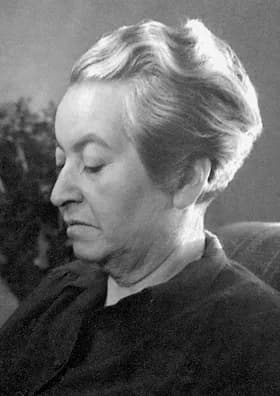
Gabriela Mistral (1889–1957) was Chile best known for Chilean poet, diplomat and educator.
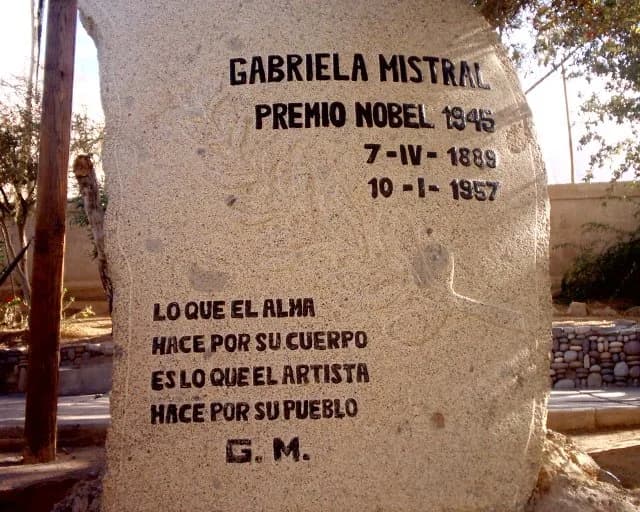
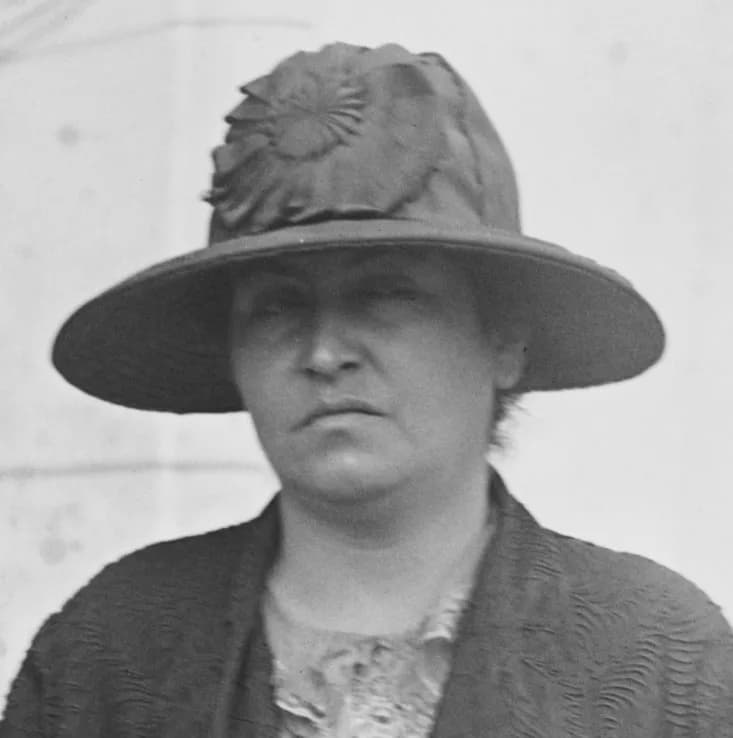
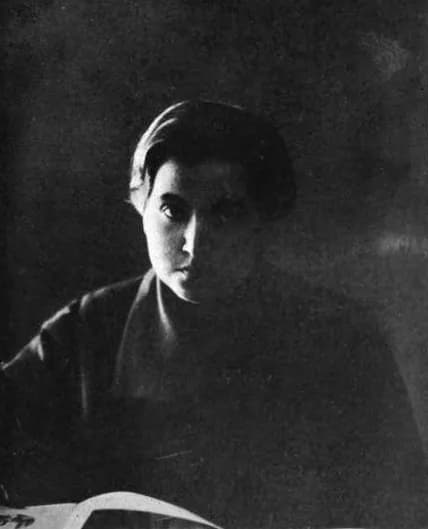
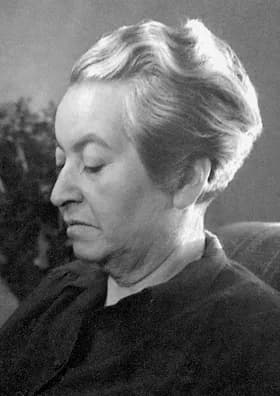
Gabriela Mistral (April 7, 1889 – January 10, 1957) was a Chilean poet, diplomat, and educator. She was the first Latin American author to win the Nobel Prize in Literature in 1945 for her powerful lyric poetry. Her legacy symbolizes idealistic aspirations across Latin America.
Chapter
Life chapters
Chapter 1 · 1889· Chapter 1 of 7
Early Life and Origins
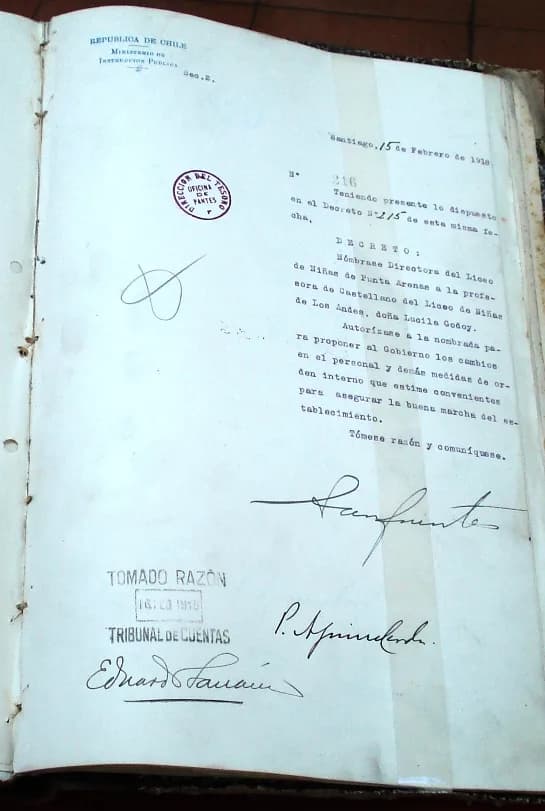
Gabriela Mistral was born Lucila Godoy Alcayaga on April 7, 1889, in Vicuña, Chile, a town nestled in the Elqui Valley. Her early experiences in this region of Chile significantly influenced her deep connection to nature, which later became a central and recurring theme in her poetic works. The cultural richness of her Chilean upbringing also fostered a strong sense of Latin American identity, profoundly shaping her literary and diplomatic endeavors.
Chapter 2· Chapter 2 of 7
Career Beginnings
Mistral began her professional life as a teacher, a vocation she held with deep conviction and passion throughout her early career. This dedication to education was not merely a profession but a calling that informed her perspectives on social development and the preservation of cultural heritage. Alongside her teaching, she diligently cultivated her writing talent, eventually adopting the literary pseudonym Gabriela Mistral for her published works.
Chapter 3 · 1945· Chapter 3 of 7
Major Achievements and Career Highlights
A truly defining moment in Gabriela Mistral's career arrived in 1945 when she was awarded the Nobel Prize in Literature. The Swedish Academy recognized her "lyric poetry which, inspired by powerful emotions, has made her name a symbol of the idealistic aspirations of the entire Latin American world." This prestigious award not only solidified her place in global literary history but also marked her as the first Latin American author ever to receive such an esteemed international honor.
Beyond her celebrated poetic achievements, Mistral also distinguished herself as a diplomat, representing Chile on various international stages. Her diplomatic postings and roles further amplified her influence, allowing her to passionately advocate for cultural exchange, educational reforms, and social justice across the Spanish-speaking world. She also worked as a journalist, publishing extensively on diverse subjects.
Chapter 4 · 1925· Chapter 4 of 7
Personal Life
Lucila Godoy Alcayaga, who adopted the name Gabriela Mistral, maintained a rich inner life and pursued diverse intellectual interests. She read widely in theosophy and became a member of the Secular Franciscan Order, also known as the Third Franciscan order, in 1925. Despite her spiritual affiliation, she rarely attended mass, indicating a deeply personal and unconventional approach to her faith and beliefs.
Chapter 5· Chapter 5 of 7
Notable Works and Contributions
Gabriela Mistral's literary output was extensive, comprising both poignant poetry and an immense body of prose. Her renowned poetry collections explored universal themes such as nature, the complexities of betrayal, the various forms of love including a mother's affection, the journey through sorrow and subsequent recovery, the experience of travel, and the intricate facets of Latin American identity formed from Native American and European influences. Among her most significant poetic works are Desolación, Ternura, and Recados, which continue to be widely studied and admired.
In addition to her poetry, Mistral authored approximately 800 articles that were disseminated throughout the Spanish-speaking world. These prose pieces covered an impressive range of topics, including geography, educational theory, insightful profiles of her literary peers, political commentary, and various other cultural observations. Other notable titles associated with her bibliography include Antología, Éxtasis, Poemas de Gabriela Mistral, and Gabriela Mistral para niños y niñas... y otros seres curiosos.
Chapter 6 · 1957· Chapter 6 of 7
Later Years
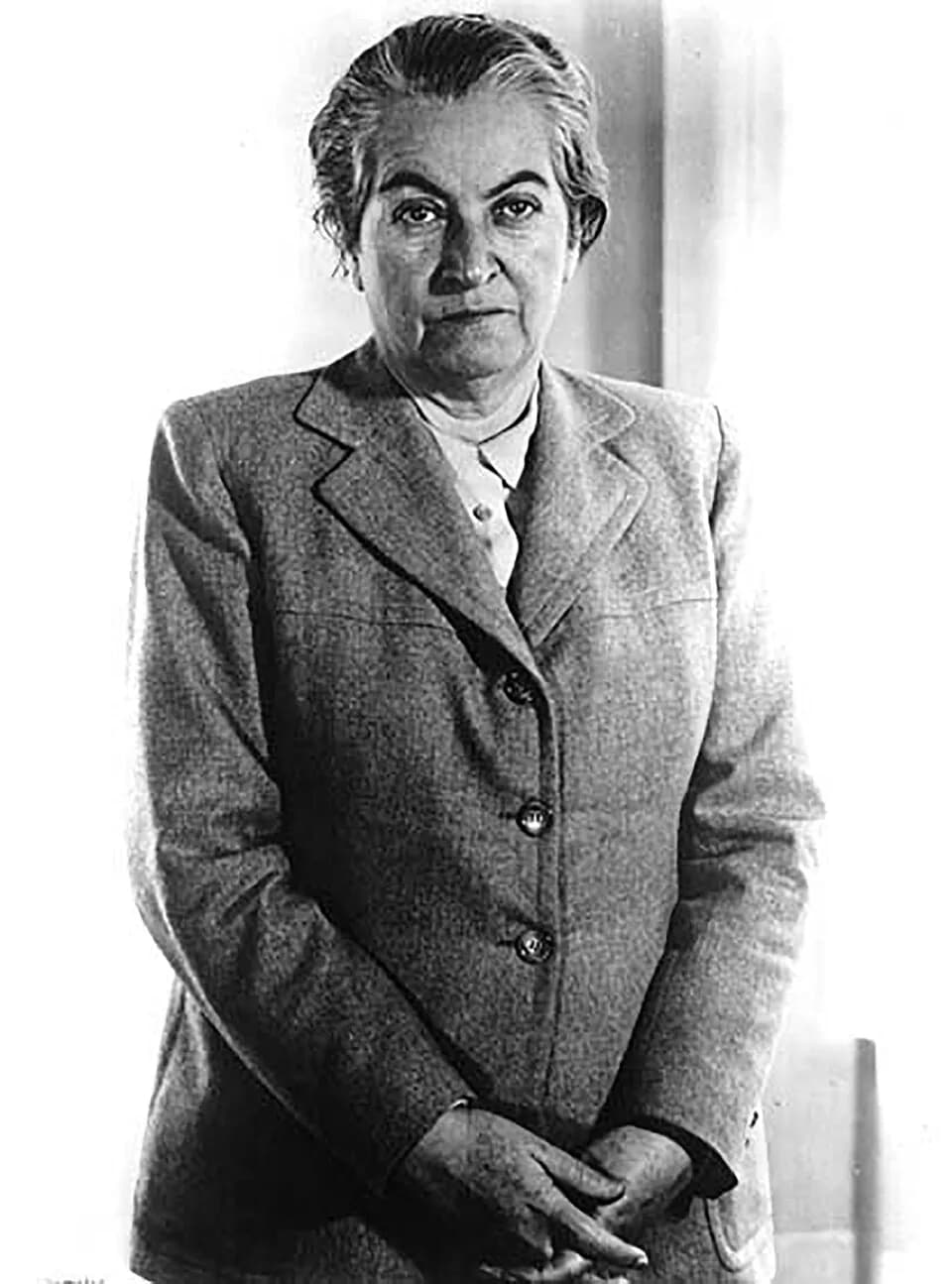
In her later years, Gabriela Mistral continued to dedicate herself to both her literary pursuits and her diplomatic responsibilities. She passed away on January 10, 1957, in Hempstead, United States, concluding a life rich with artistic and humanitarian endeavors. Her lasting national importance is prominently recognized by her image being featured on the 5,000 Chilean peso banknote, a symbol of national pride and remembrance.
Chapter 7· Chapter 7 of 7
Legacy and Impact
Gabriela Mistral's legacy transcends her individual achievements, positioning her as an enduring icon of Latin American identity, artistic excellence, and idealistic aspirations. Her poetry, characterized by powerful emotions and its engagement with universal human experiences, continues to deeply resonate with readers across generations and cultures worldwide. As a passionate educator and dedicated diplomat, she consistently championed cultural understanding, social progress, and the advancement of humanistic values, truly embodying the spirit she eloquently articulated in her verses.
Her groundbreaking Nobel Prize win not only celebrated her unique literary voice but also paved the way for greater international recognition of other Latin American authors, firmly cementing the region's significant literary presence on the global stage. Mistral's work remains an inspiration, reminding us of the enduring power of poetry and the profound impact one individual can have on the world.
A life in moments
The moments that shaped a life
FAQ
Frequently asked
When did Gabriela Mistral die?
Gabriela Mistral died on January 10, 1957 in Hempstead, United States, at the age of 67.
Where was Gabriela Mistral born?
Gabriela Mistral was born in Vicuña, Chile on April 7, 1889.
What is Gabriela Mistral best known for?
Gabriela Mistral is best known for Chilean poet, diplomat and educator.
How old was Gabriela Mistral when they died?
Gabriela Mistral was 67 years old at the time of death.
What nationality was Gabriela Mistral?
Gabriela Mistral was from Chile.
Timeline
Life at a glance
Photo gallery
A life in pictures
Click any polaroid to expand · 48 photos
QR Code
Share This Biography
Print & Share
Scan to visit this biography page. Print for events, exhibitions, or educational materials.