Born
October 4, 1918
Nara, Japan
Died
January 9, 1998
Kyoto, Japan
Known for
Japanese chemist
Kenichi Fukui (1918–1998) was Japan best known for Japanese chemist.
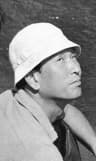
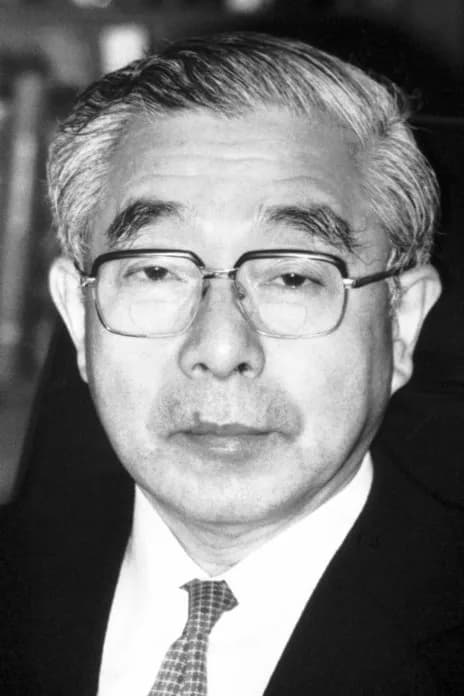
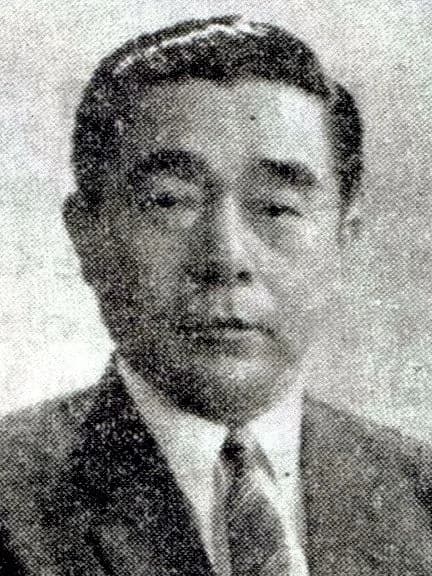
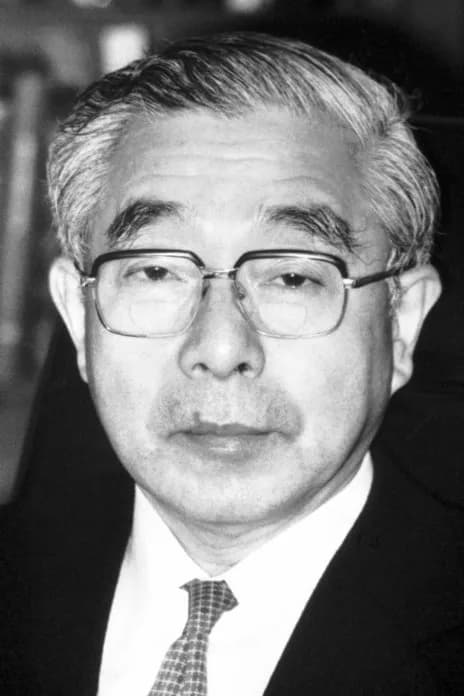
Kenichi Fukui (October 4, 1918 – January 9, 1998) was a Japanese chemist from Nara, Japan. He won the 1981 Nobel Prize in Chemistry for his work on frontier orbitals, revolutionizing the understanding of chemical reactions. His theories continue to guide chemical research today.
Chapter
Life chapters
Chapter 1 · 1918· Chapter 1 of 7
Remembering Kenichi Fukui: Nobel Laureate and Pioneer of Frontier Orbital Theory
Kenichi Fukui (1918-1998) was a distinguished Japanese chemist whose insightful work profoundly changed the understanding of chemical reactions. He achieved international recognition as the first person of East Asian ancestry to be awarded the Nobel Prize in Chemistry. His contributions were fundamental, offering new theoretical frameworks for the mechanisms that govern molecular interactions, a truly significant advancement in the field.
Chapter 2 · 1918· Chapter 2 of 7
Early Life and Origins
Kenichi Fukui was born on October 4, 1918, in Nara, Japan. This historic city provided the early setting for a life that would eventually lead to global scientific accolades. His formative years in Japan laid the groundwork for a dedicated career in scientific research and education.
Chapter 3· Chapter 3 of 7
Career Beginnings
Throughout his professional life, Kenichi Fukui served as a dedicated chemist, an innovative researcher, and an inspiring university teacher. These roles allowed him to pursue his scientific curiosity and contribute to the advancement of chemical knowledge. His early career likely involved rigorous academic work and foundational research that would prepare him for his later theoretical breakthroughs.
Chapter 4 · 1981· Chapter 4 of 7
Major Achievements and Career Highlights
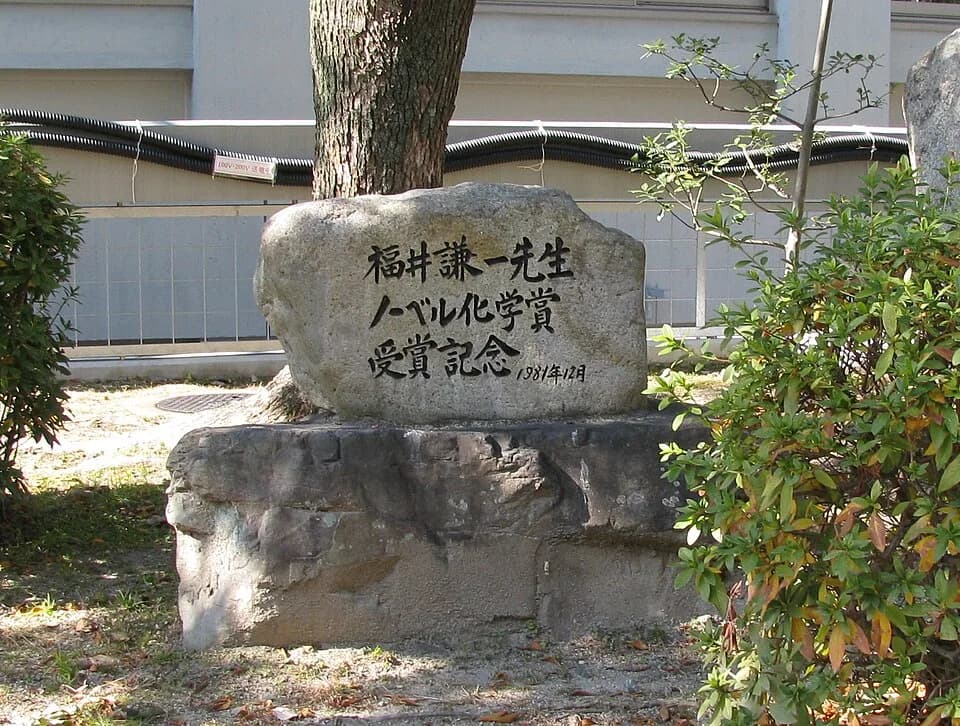
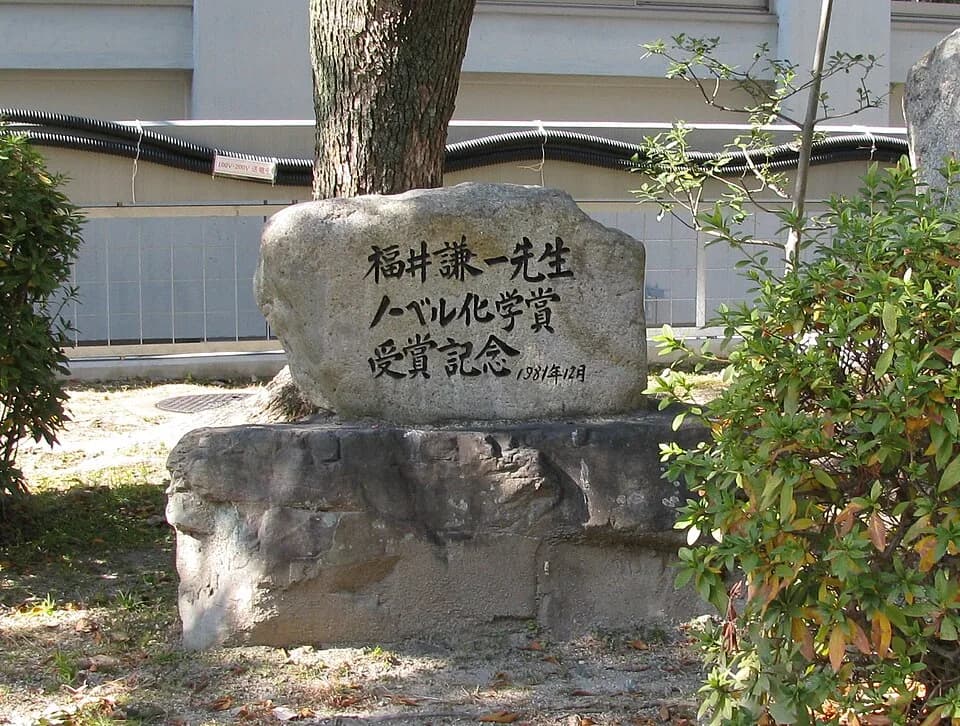
A crowning achievement in Kenichi Fukui's career came in 1981 when he was jointly awarded the Nobel Prize in Chemistry with Roald Hoffmann. This prestigious honor recognized their independent investigations into the mechanisms of chemical reactions. Fukui's specific contributions centered on the revolutionary concept of frontier orbitals, which clarified how molecules interact during reactions.
His Nobel Prize-winning work explained the role of loosely bonded electrons, which reside in the highest occupied molecular orbital (HOMO) and the lowest unoccupied molecular orbital (LUMO). These frontier orbitals, as Fukui theorized, are crucial determinants in how chemical reactions proceed. Being the first person of East Asian descent to receive the Nobel Prize in Chemistry marked a significant cultural and scientific milestone.
Chapter 5 · 2006· Chapter 5 of 7
Notable Works or Contributions
Kenichi Fukui's scientific output included 23 published papers, demonstrating his active participation in the academic discourse of his time, with an h-index of 4. Among his most cited works is "Grenzorbitale – ihre Bedeutung bei chemischen Reaktionen (Nobel‐Vortrag)," a pivotal piece that elaborated on his Nobel-winning theory, published posthumously in 2006 with 23 citations. Other important publications include "Zur Abhängigkeit des photoinduzierten Elektronentransfers in der DNA von der Entfernung" from 1998, which garnered 20 citations, and "Chemische Zusammensetzung der kosmischen Strahlung niederenergetischer Teilchen vonZ=12 bisZ=28, gemessen in Plastikdetektoren" from 1973, with 6 citations.
His research also encompassed works such as "MO-theoretische Untersuchung der Nucleophilen Substitution Einiger Silacycloalkane" (1976, 5 citations) and "MO‐BERECHNUNG FUER SYST. MIT CHEMISCHER WECHSELWIRKUNG, WECHSELWIRKUNG ZWISCHEN RADIKALEN UND ′CLOSED‐SHELL′‐MOLEKUELEN" (1973, 0 citations). These publications showcase the breadth and depth of his theoretical and applied chemistry studies. His consistent publication record reflects a career dedicated to expanding the scientific understanding of molecular behavior.
Chapter 6 · 1998· Chapter 6 of 7
Later Years
Kenichi Fukui continued his impactful work for many years after receiving the Nobel Prize. He passed away on January 9, 1998, in Kyoto, Japan, concluding a life rich with scientific exploration and discovery. The posthumous publication of his Nobel lecture further cemented his lasting influence on the scientific community, ensuring his insights remained accessible to future generations of chemists.
Chapter 7· Chapter 7 of 7
Legacy and Impact
Kenichi Fukui's frontier orbital theory stands as a cornerstone in modern chemical understanding. His work provided a practical and conceptual framework for predicting the course and mechanisms of chemical reactions, guiding experimental and theoretical chemists for decades. The concepts of HOMO and LUMO are now fundamental to physical organic chemistry and theoretical chemistry curricula worldwide, illustrating the enduring utility of his ideas.
His pioneering spirit and the recognition he received as the first East Asian Nobel laureate in Chemistry had a significant ripple effect. It inspired countless scientists from across Asia and around the globe to pursue excellence in scientific research. Kenichi Fukui's contributions continue to shape how chemists approach molecular interactions, securing his place as one of the most important figures in 20th-century chemistry.
A life in moments
The moments that shaped a life
FAQ
Frequently asked
When did Kenichi Fukui die?
Kenichi Fukui died on January 9, 1998 in Kyoto, Japan, at the age of 79.
Where was Kenichi Fukui born?
Kenichi Fukui was born in Nara, Japan on October 4, 1918.
What is Kenichi Fukui best known for?
Kenichi Fukui is best known for Japanese chemist.
How old was Kenichi Fukui when they died?
Kenichi Fukui was 79 years old at the time of death.
What nationality was Kenichi Fukui?
Kenichi Fukui was from Japan.
Photo gallery
A life in pictures
Click any polaroid to expand · 40 photos
QR Code
Share This Biography
Print & Share
Scan to visit this biography page. Print for events, exhibitions, or educational materials.