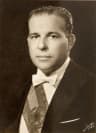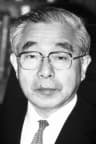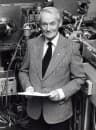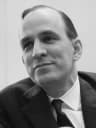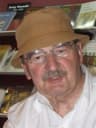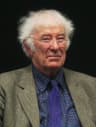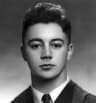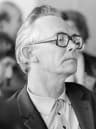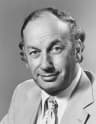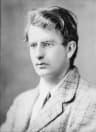
Born
August 13, 1918
Rendcomb, United Kingdom
Died
November 19, 2013
Cambridge, United Kingdom
Known for
British biochemist
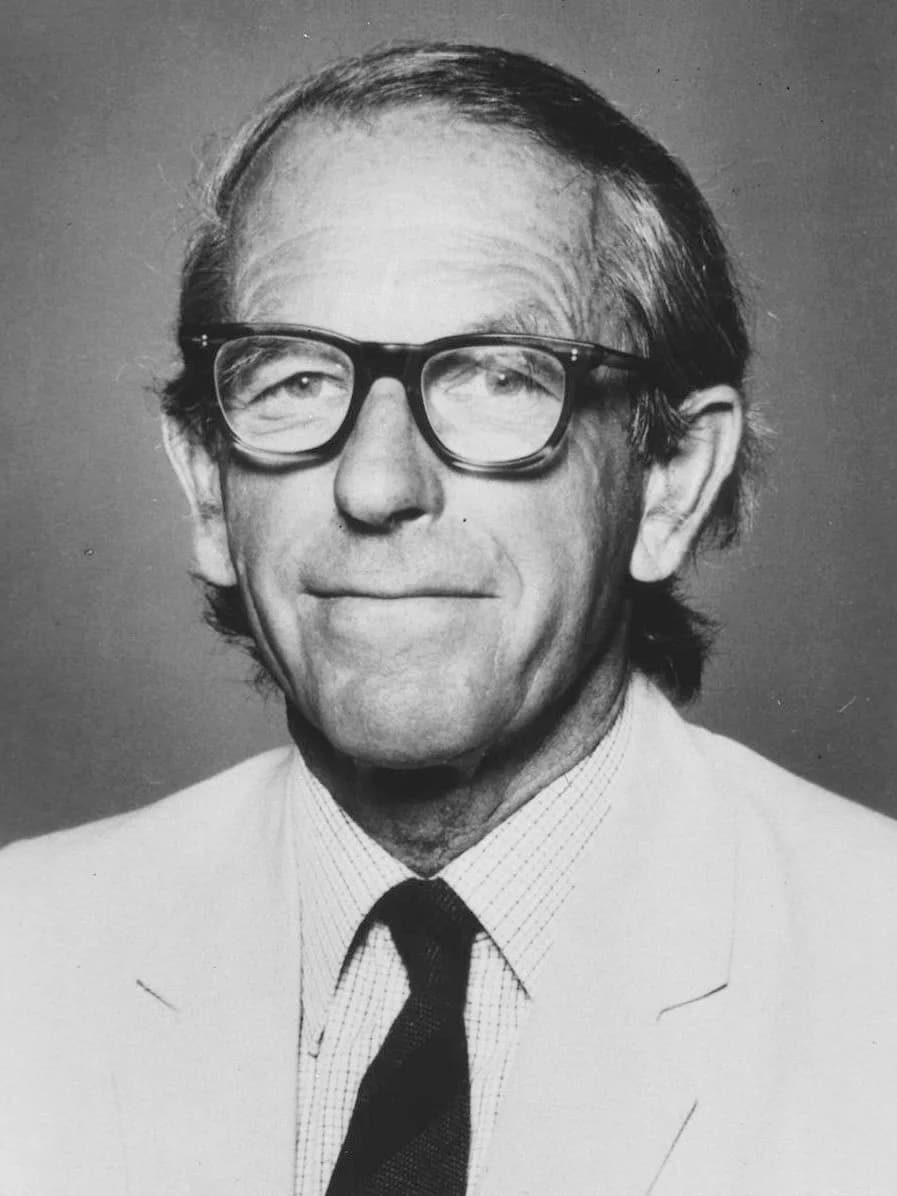
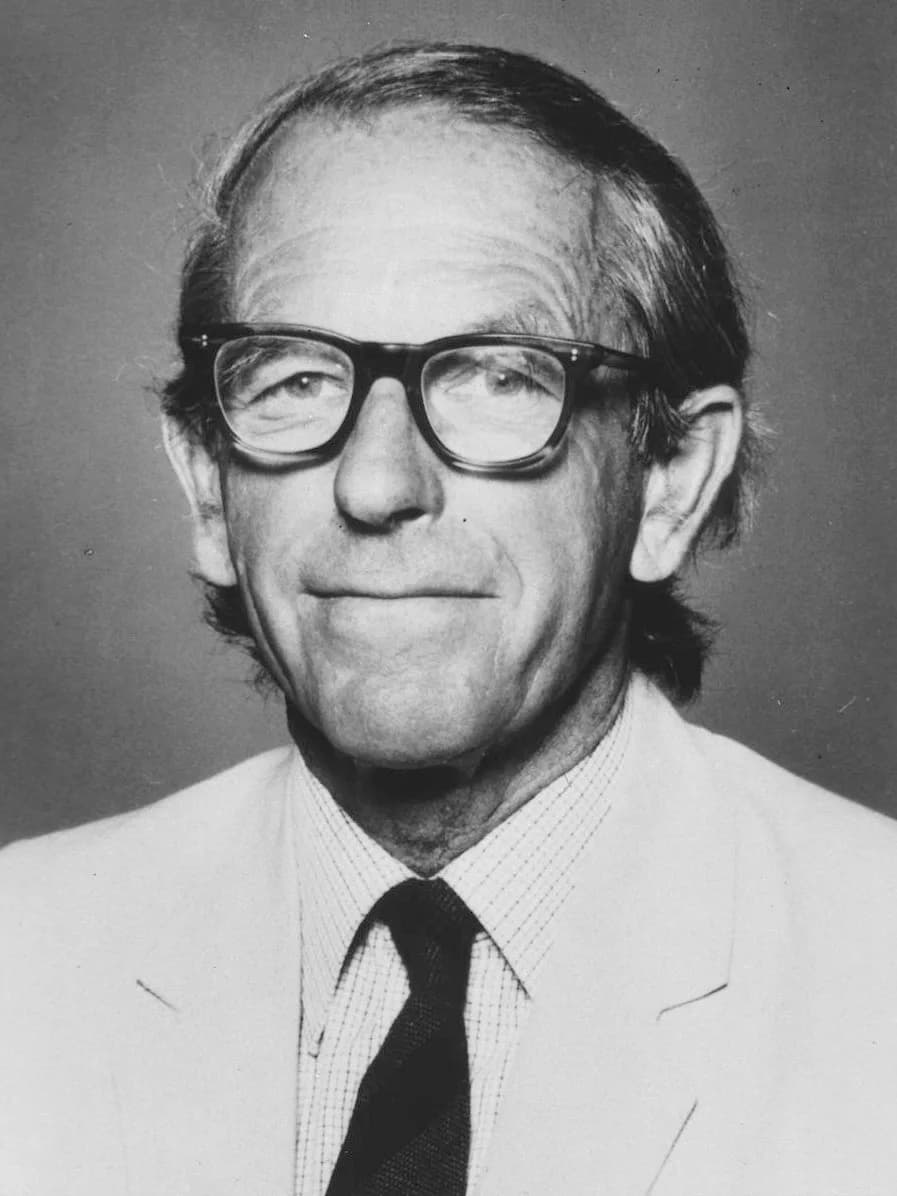
Frederick Sanger (1918–2013) was United Kingdom best known for British biochemist.
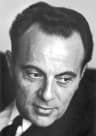
Frederick Sanger (August 13, 1918 – November 19, 2013) was a British biochemist from Rendcomb, United Kingdom. He was awarded the Nobel Prize in Chemistry twice for his pioneering work on protein and nucleic acid sequencing. His groundbreaking contributions fundamentally shaped molecular biology.
Chapter
Life chapters
Chapter 1 · 1918· Chapter 1 of 7
Early Life and Origins
Frederick Sanger was born on August 13, 1918, in Rendcomb, United Kingdom. His upbringing in the British countryside provided the initial setting for a life that would eventually lead him to the forefront of scientific exploration. Even in his early years, the foundations for a rigorous and independent intellectual approach were being laid.
During a period of global conflict, Sanger demonstrated a strong ethical conviction by identifying as a conscientious objector. This personal stance reflected a principled character that extended beyond his scientific pursuits. It underscores a dedication to personal beliefs alongside his professional endeavors.
Chapter 2· Chapter 2 of 7
Career Beginnings
Sanger began his professional life initially as a chemist, a discipline that provided him with essential analytical tools and a deep understanding of molecular interactions. This fundamental training was crucial for his later specialized work in biochemistry. His early engagement with chemical principles set the stage for groundbreaking methodologies.
He also contributed to academia as a university teacher, a role that allowed him to participate in the intellectual life of the university and guide aspiring scientists. This experience fostered an environment of learning and inquiry, which was a vital part of his scientific development. These formative years equipped him with both research skills and pedagogical experience.
Chapter 3 · 1958· Chapter 3 of 7
Major Achievements and Career Highlights
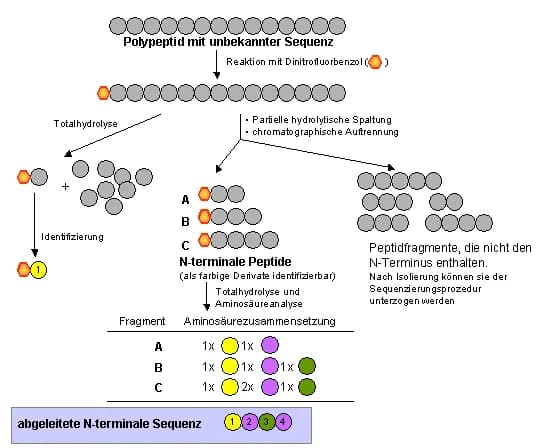
Frederick Sanger's extraordinary contributions to science were recognized with two Nobel Prizes in Chemistry, placing him in an exceptionally select group of laureates. His first Nobel Prize was awarded in 1958 for his pioneering work on the structure of proteins, with specific recognition for his detailed analysis of insulin. This achievement provided the first complete amino acid sequence of a protein, a monumental step that revealed how these complex molecules are precisely ordered.
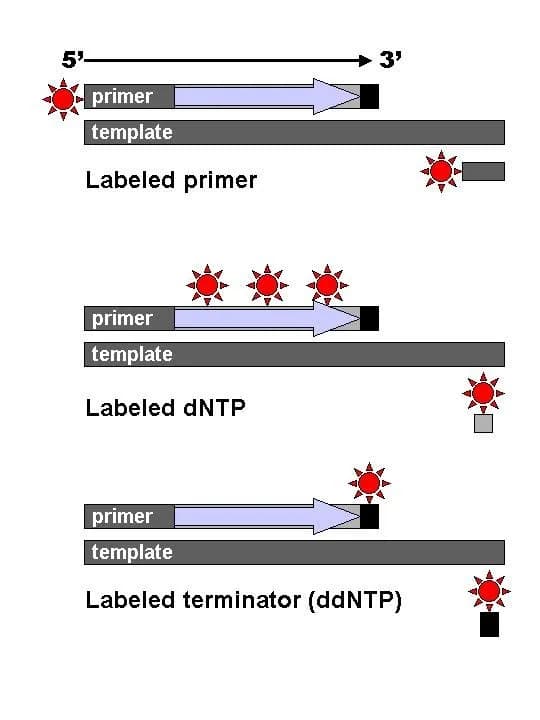
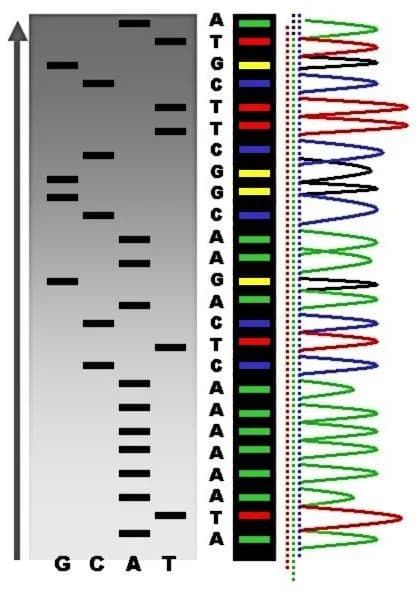
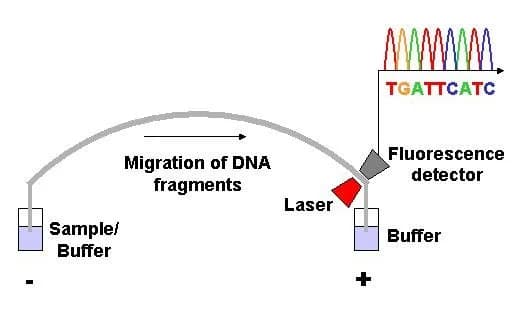
His second Nobel Prize in Chemistry followed in 1980, this time acknowledging his significant contributions concerning the determination of base sequences in nucleic acids. This breakthrough, often referred to as the "Sanger sequencing method," revolutionized genetics and molecular biology, enabling scientists to read the genetic code itself. These dual accolades underscore the breadth and depth of his influence across two fundamental areas of biochemistry, transforming scientific understanding at a molecular level.
Chapter 4· Chapter 4 of 7
Personal Life
While Frederick Sanger's professional life was extensively documented by his scientific achievements and ethical stance as a conscientious objector, details regarding his family life, relationships, or personal hobbies beyond his professional activities are not provided in the available information. His dedication to his scientific work and his principles were central features of his public persona. He maintained a focused and somewhat private existence, allowing his work to speak for itself.
Chapter 5· Chapter 5 of 7
Notable Works or Contributions
Beyond his Nobel-winning methodologies for sequencing proteins and nucleic acids, Frederick Sanger's academic output also included a range of published papers. These publications reflect an active engagement with various scientific and technical problems throughout his career. His h-index is noted as 4, based on 13 papers.
Among his documented works are several papers focusing on civil engineering applications in cold regions, such as "Thermal and rheological computations for artificially frozen ground construction" published in 1979, which garnered 99 citations. Other works include "Ground Freezing in Construction" from 1968, cited 43 times, and "Foundations of structures in cold regions" published in 1969 with 20 citations. These works demonstrate a breadth of academic contribution, alongside other titles like "Number 31" (1981) and a more detailed report on ground construction from 1979.
Chapter 6 · 2013· Chapter 6 of 7
Later Years
Frederick Sanger continued his remarkable journey through life, passing away on November 19, 2013, in Cambridge, United Kingdom. His later years were spent in the city that had been a significant hub for his scientific endeavors. He left behind a legacy of profound scientific insight and methodological innovation.
His long and productive life saw the transformation of biology, a revolution he largely spearheaded with his sequencing techniques. Even as new technologies emerged, the foundational principles established by Sanger remained crucial. His retirement marked the end of an active research career, but his influence continued unabated.
Chapter 7· Chapter 7 of 7
Legacy and Impact
The legacy of Frederick Sanger is immense and continues to shape scientific research and understanding across the globe. His development of methods to determine the sequences of amino acids in proteins and nucleotides in nucleic acids provided scientists with the tools to decipher the fundamental blueprints of life. These techniques became indispensable, enabling breakthroughs in molecular biology, genetics, and biotechnology.
Sanger's work laid essential groundwork for major scientific undertakings, including the ambitious Human Genome Project, and continues to inform advancements in personalized medicine, disease diagnosis, and drug development. His quiet brilliance and meticulous approach set a standard for scientific inquiry. Frederick Sanger remains an enduring inspiration and a towering figure in the history of biochemistry, forever remembered as a double Nobel laureate whose discoveries redefined our understanding of life itself.
A life in moments
The moments that shaped a life
FAQ
Frequently asked
When did Frederick Sanger die?
Frederick Sanger died on November 19, 2013 in Cambridge, United Kingdom, at the age of 95.
Where was Frederick Sanger born?
Frederick Sanger was born in Rendcomb, United Kingdom on August 13, 1918.
What is Frederick Sanger best known for?
Frederick Sanger is best known for British biochemist.
How old was Frederick Sanger when they died?
Frederick Sanger was 95 years old at the time of death.
What nationality was Frederick Sanger?
Frederick Sanger was from United Kingdom.
Timeline
Life at a glance
Photo gallery
A life in pictures
Click any polaroid to expand · 45 photos
QR Code
Share This Biography
Print & Share
Scan to visit this biography page. Print for events, exhibitions, or educational materials.