Born
October 4, 1903
Austria
Died
October 16, 1946
Nuremberg Court Prison, Germany
Known for
Austrian SS official, a major perpetrator of the Holocaust and convicted war criminal
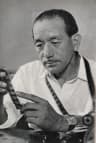
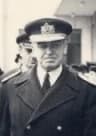
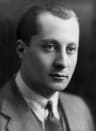
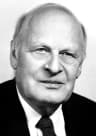
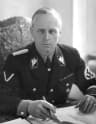
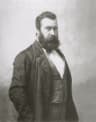
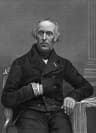
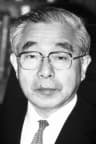
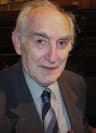
Ernst Kaltenbrunner (1903–1946) was Austria best known for Austrian SS official, a major perpetrator of the Holocaust and convicted war criminal.
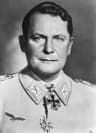
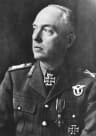
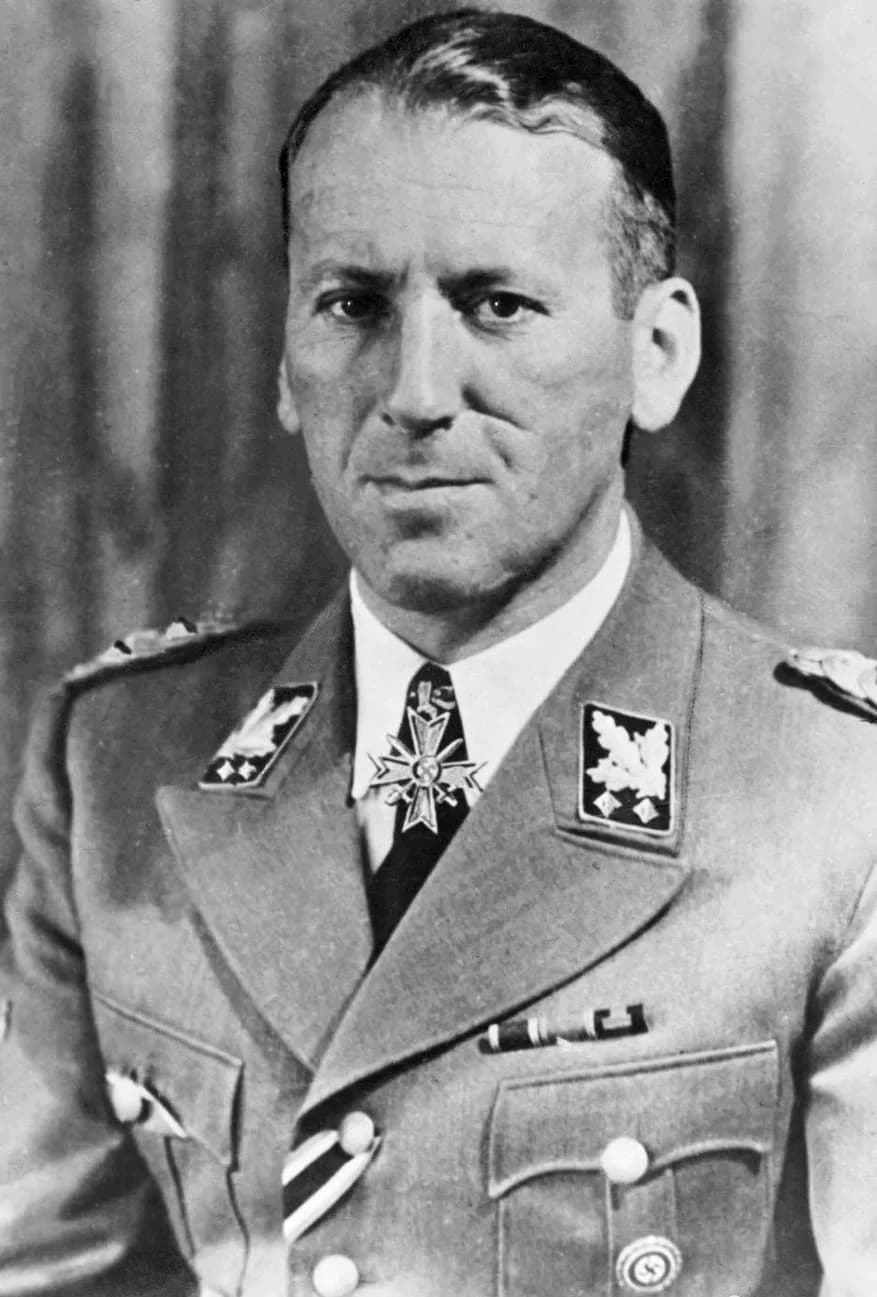
Ernst Kaltenbrunner (October 4, 1903 – October 16, 1946) was an Austrian SS official and lawyer. He served as Chief of the Reich Security Main Office (RSHA) and was a major perpetrator of the Holocaust. Kaltenbrunner was convicted as a war criminal at Nuremberg.
Chapter
Life chapters
Chapter 1 · 1903· Chapter 1 of 5
Early Life and Origins
Born on October 4, 1903, Ernst Kaltenbrunner hailed from Austria. Details of his early family life and upbringing are not extensively provided, but his origins set the stage for his later involvement in a regime that would dramatically reshape European history. His early education and background prepared him for a career in law before his full immersion into the political and military structures of the Third Reich.
Chapter 2· Chapter 2 of 5
Career Beginnings
Kaltenbrunner initially pursued a profession as a lawyer, which gave him a foundational understanding of legal systems. This early career soon transitioned into politics and military service, aligning him with the nascent Nazi movement. He became an employee of the Gestapo, an organization that would become synonymous with repression and state terror under his leadership.
Chapter 3 · 1942· Chapter 3 of 5
Major Roles and Actions
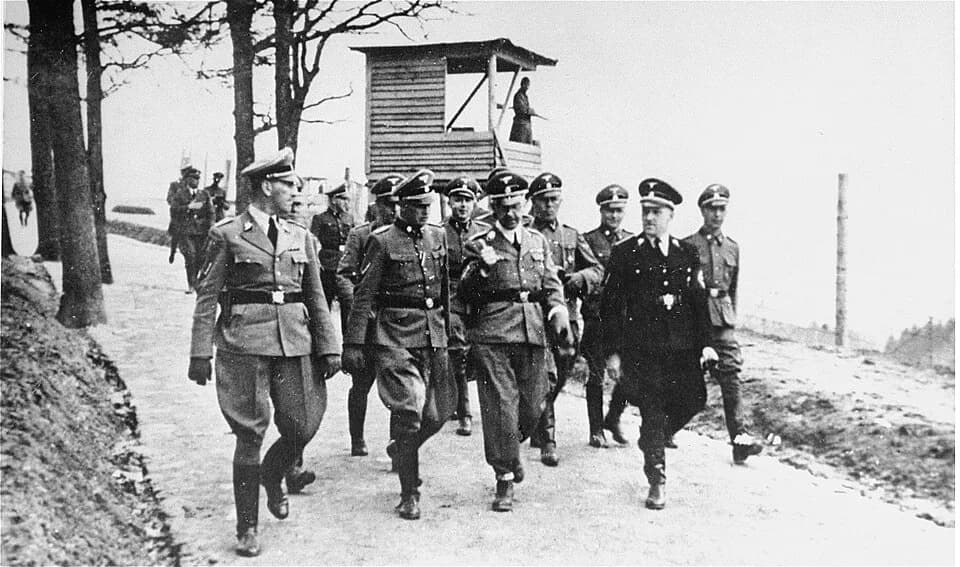
Following the assassination of Reinhard Heydrich in 1942, and after a brief interim period under Heinrich Himmler, Kaltenbrunner assumed one of the most powerful positions within the Nazi security apparatus. He was appointed as the third Chief of the Reich Security Main Office (RSHA) in January 1943. This sprawling organization encompassed the Gestapo (secret state police), Kripo (criminal police), and SD (security service), centralizing control over vast intelligence and enforcement powers.
In this capacity, Kaltenbrunner oversaw the vast machinery of state-sponsored terror and repression. His leadership of the RSHA placed him directly at the operational heart of the Holocaust, making him a major perpetrator. His actions and directives contributed significantly to the systematic persecution and extermination of millions of Jews and other targeted groups.
Chapter 4· Chapter 4 of 5
Later Years and Conviction
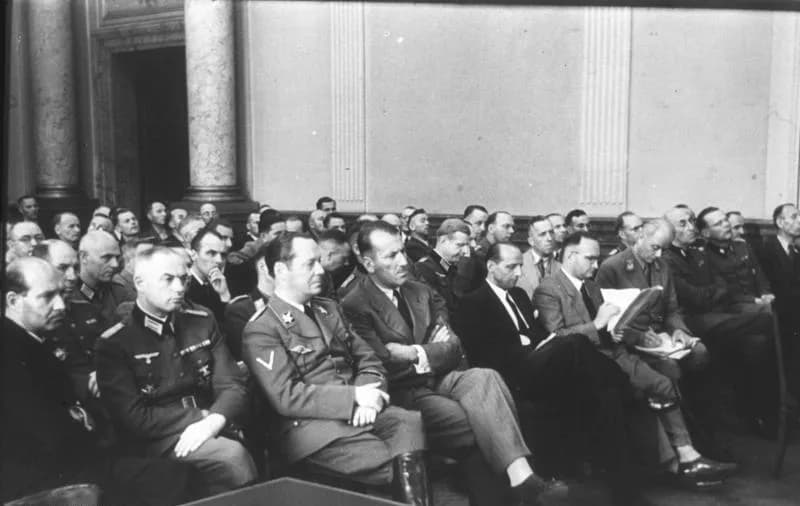
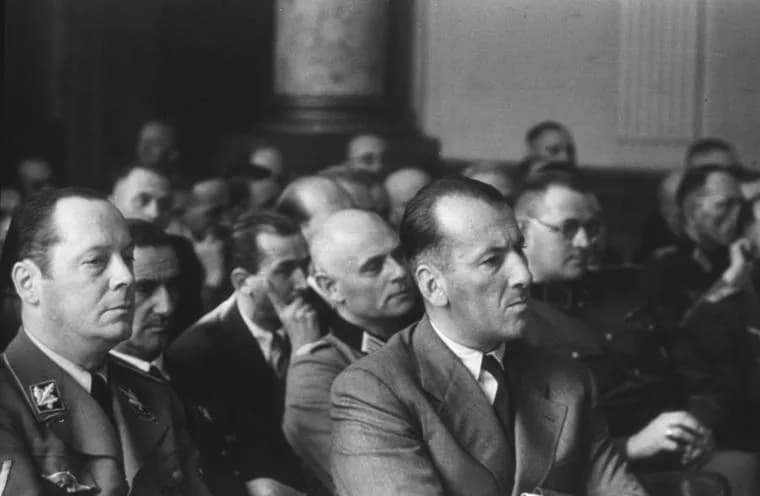
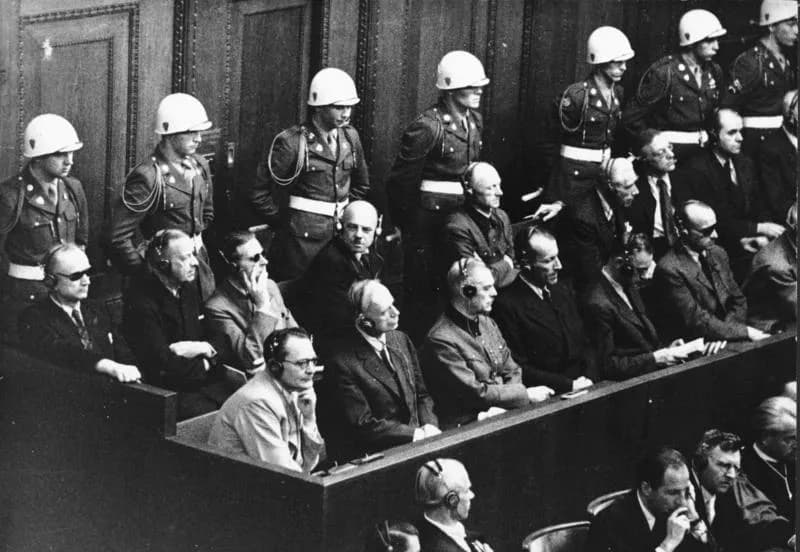
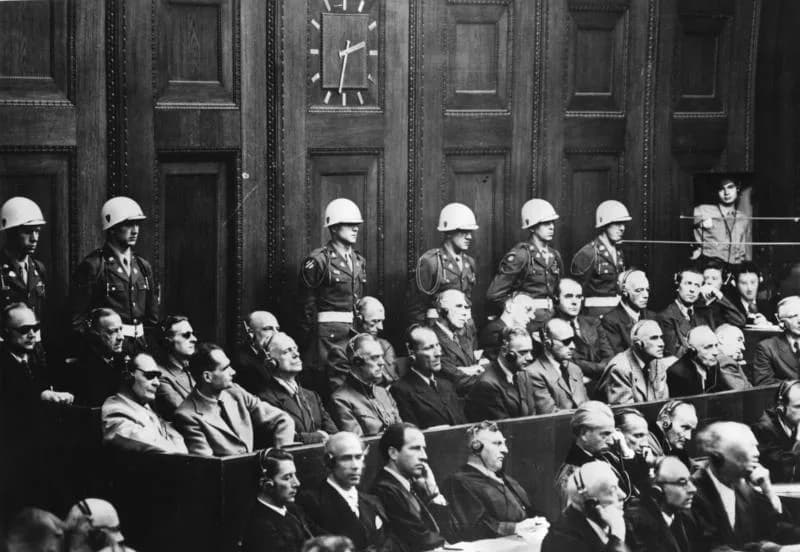
Kaltenbrunner served as Chief of the RSHA until the end of World War II in Europe, witnessing the collapse of the Nazi regime. Following the war, he was apprehended and brought to justice for his crimes. He stood trial before the International Military Tribunal at Nuremberg, where he was convicted as a war criminal for his extensive involvement in atrocities.
His sentence was carried out on October 16, 1946, at the Nuremberg Court Prison in Germany. This marked the definitive end of a life deeply entangled with one of history's darkest chapters, with his execution serving as a symbol of accountability for the horrific crimes committed under his command.
Chapter 5· Chapter 5 of 5
Legacy and Condemnation
Ernst Kaltenbrunner's legacy is one of profound historical condemnation, inextricably linked to the brutalities of the Nazi era and the Holocaust. He is remembered as an Austrian high-ranking SS official and a convicted war criminal. His name remains synonymous with the systematic cruelty and bureaucratic efficiency that characterized the genocidal policies of the Third Reich.
His historical record stands as a stark reminder of the dangers of unchecked power and ideological extremism. Kaltenbrunner's role as a major perpetrator continues to be studied as a critical component of understanding the mechanics and implementation of the Holocaust. The judgment against him at Nuremberg affirmed the principle of individual responsibility for crimes against humanity.
A life in moments
The moments that shaped a life
FAQ
Frequently asked
When did Ernst Kaltenbrunner die?
Ernst Kaltenbrunner died on October 16, 1946 in Nuremberg Court Prison, Germany, at the age of 43.
Where was Ernst Kaltenbrunner born?
Ernst Kaltenbrunner was born in Austria on October 4, 1903.
What is Ernst Kaltenbrunner best known for?
Ernst Kaltenbrunner is best known for Austrian SS official, a major perpetrator of the Holocaust and convicted war criminal.
How old was Ernst Kaltenbrunner when they died?
Ernst Kaltenbrunner was 43 years old at the time of death.
What nationality was Ernst Kaltenbrunner?
Ernst Kaltenbrunner was from Austria.
Timeline
Life at a glance
Photo gallery
A life in pictures
Click any polaroid to expand · 46 photos
QR Code
Share This Biography
Print & Share
Scan to visit this biography page. Print for events, exhibitions, or educational materials.