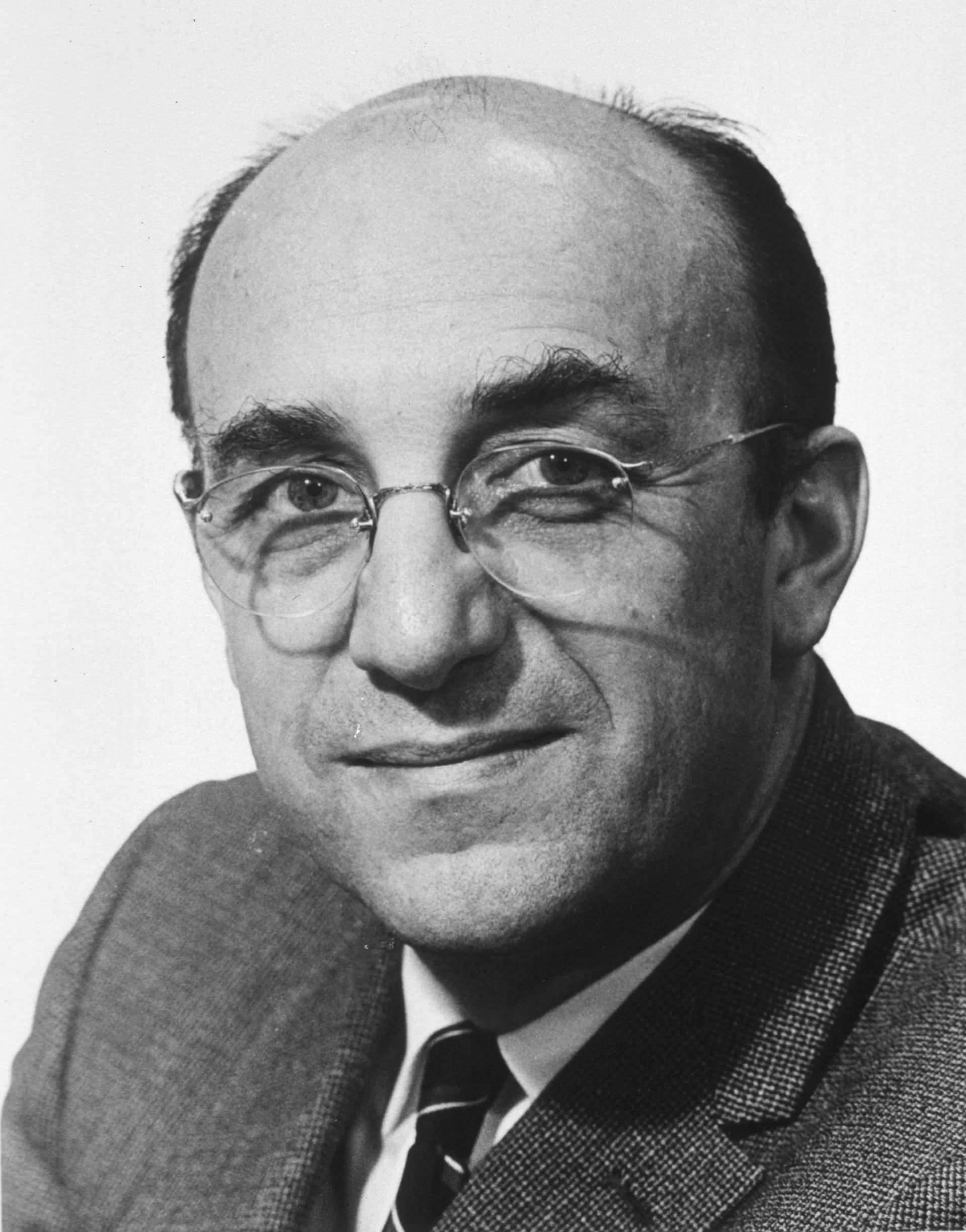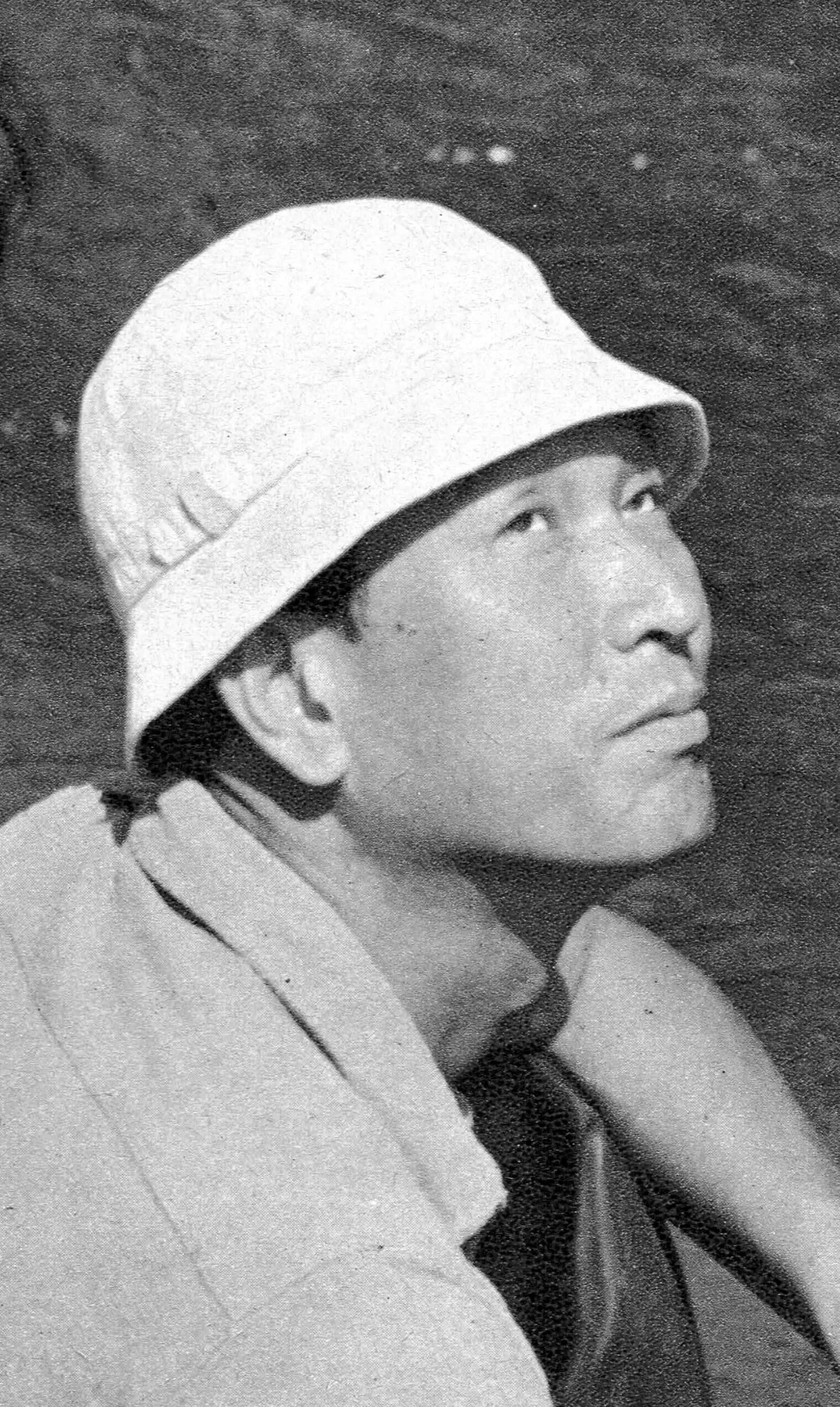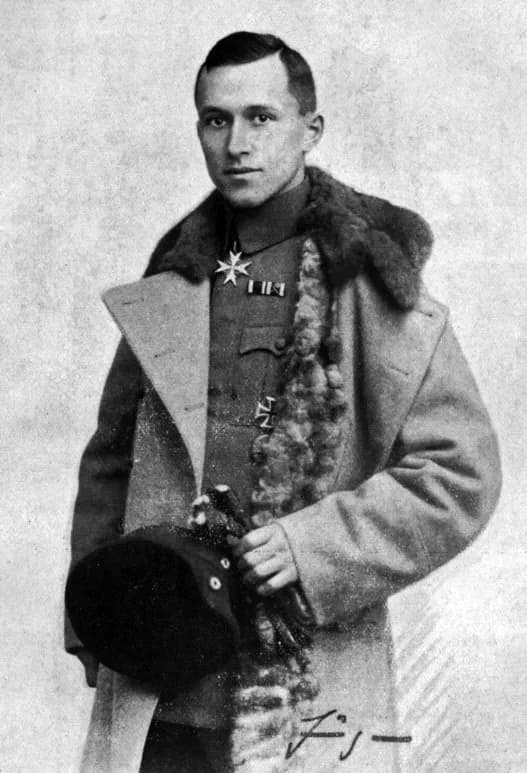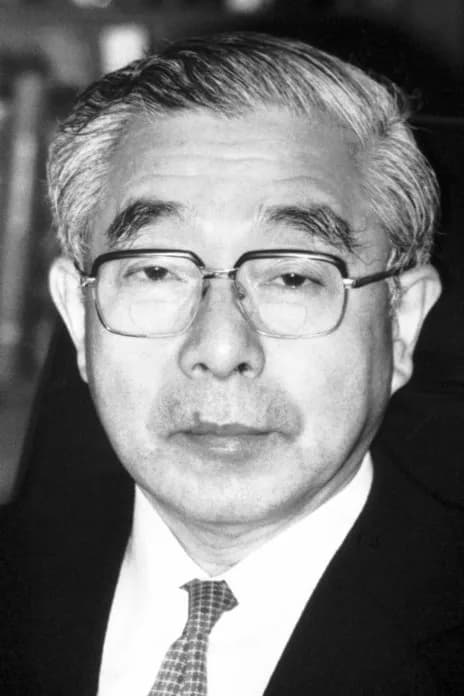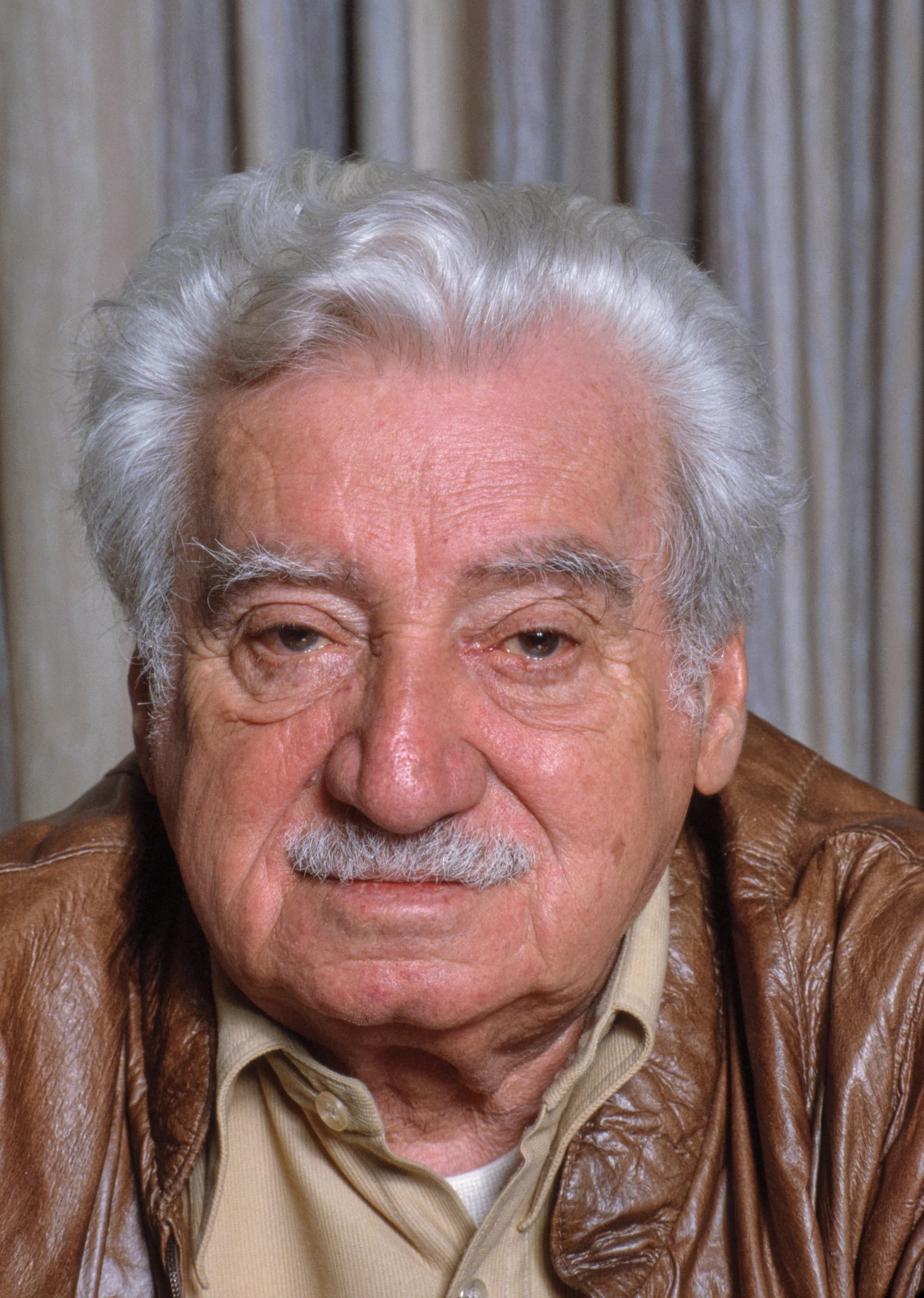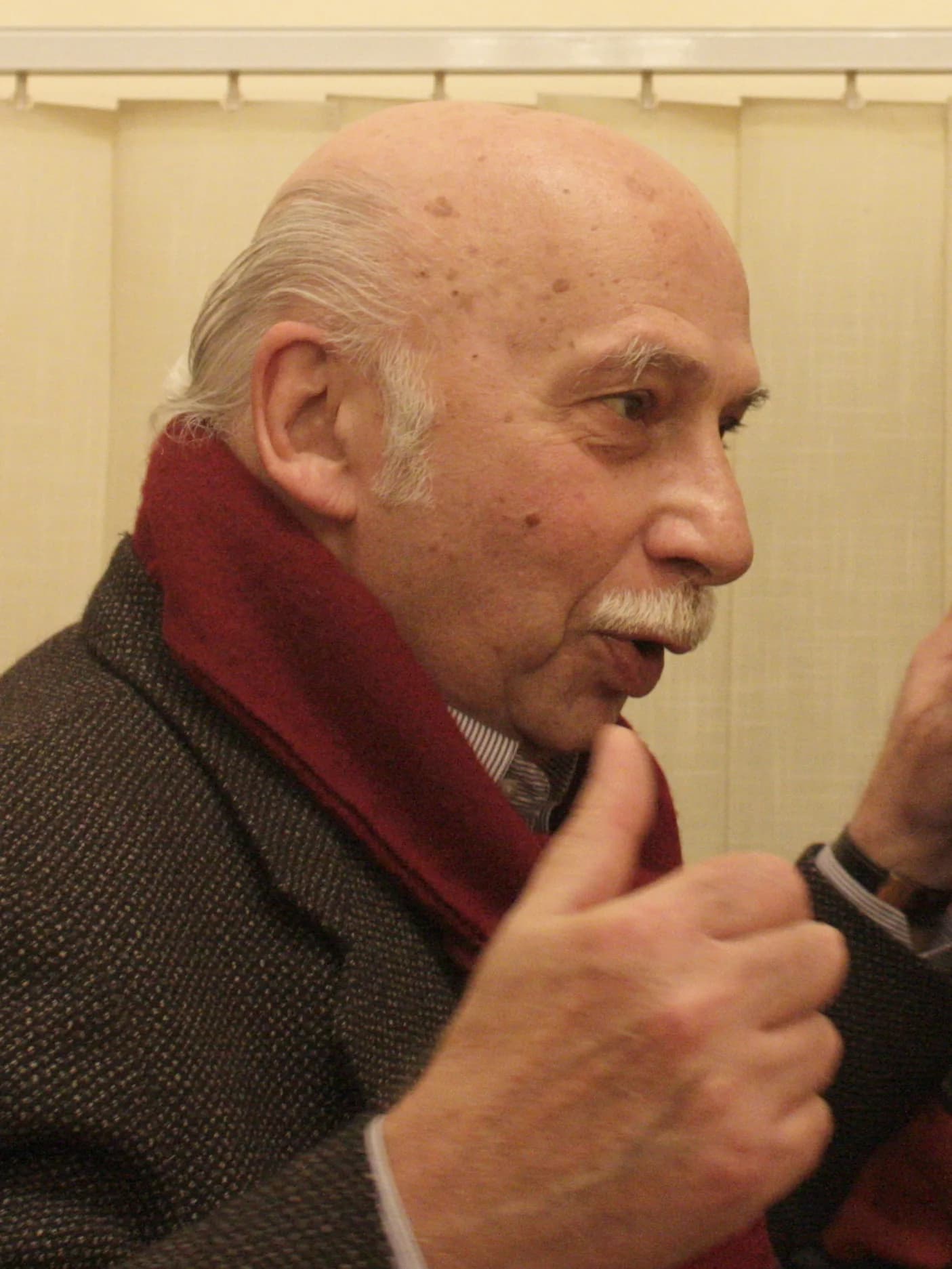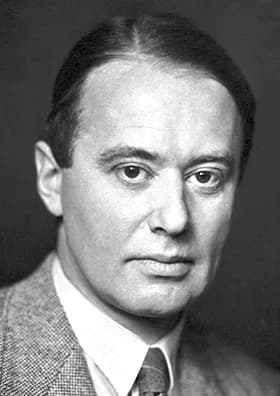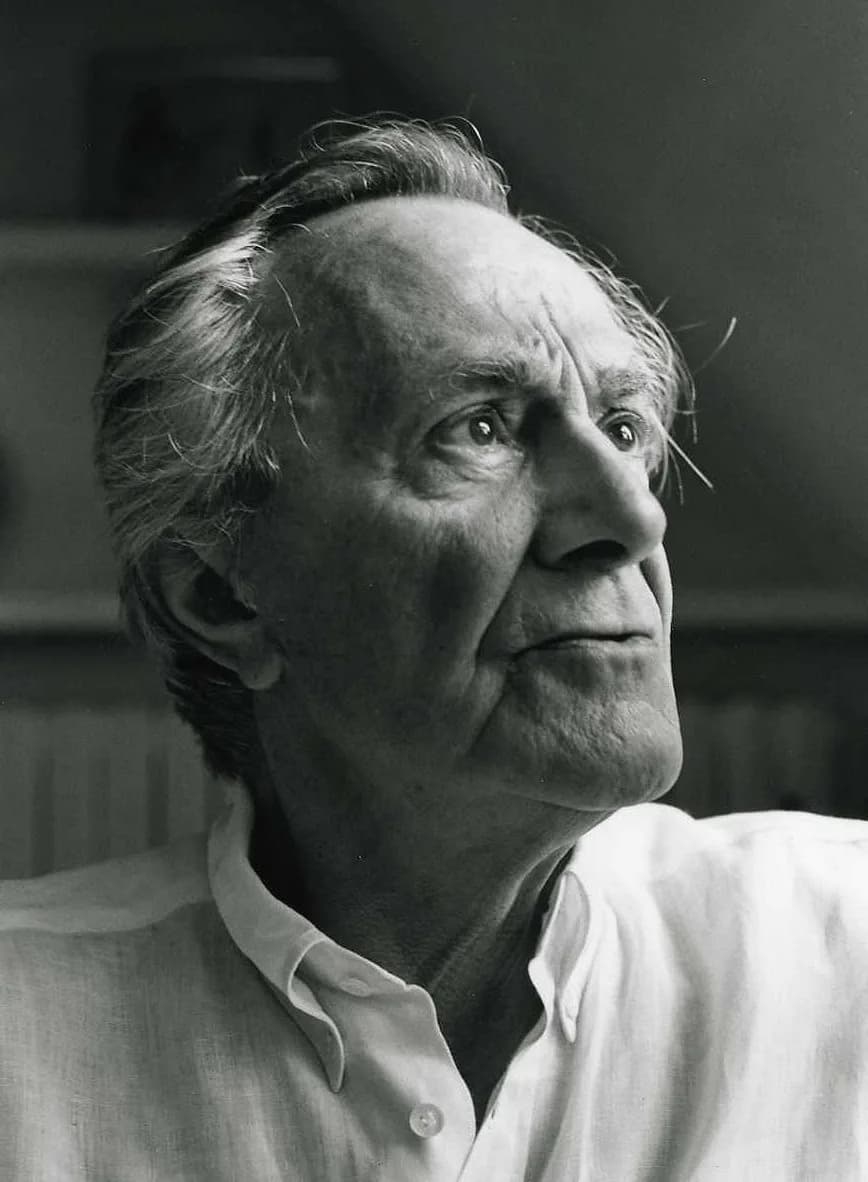
Born
August 10, 1924
Versailles, France
Died
April 21, 1998
15th arrondissement of Paris, France
Known for
French philosopher
Jean-François Lyotard (1924–1998) was France best known for French philosopher.
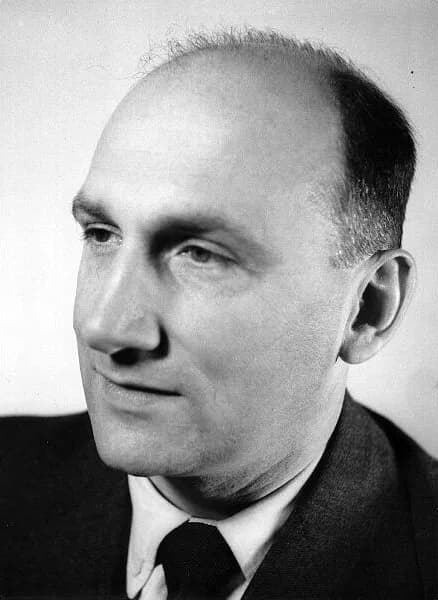
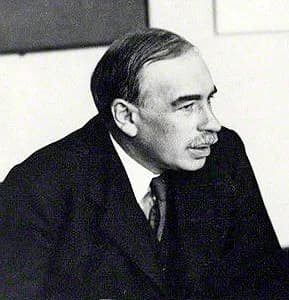
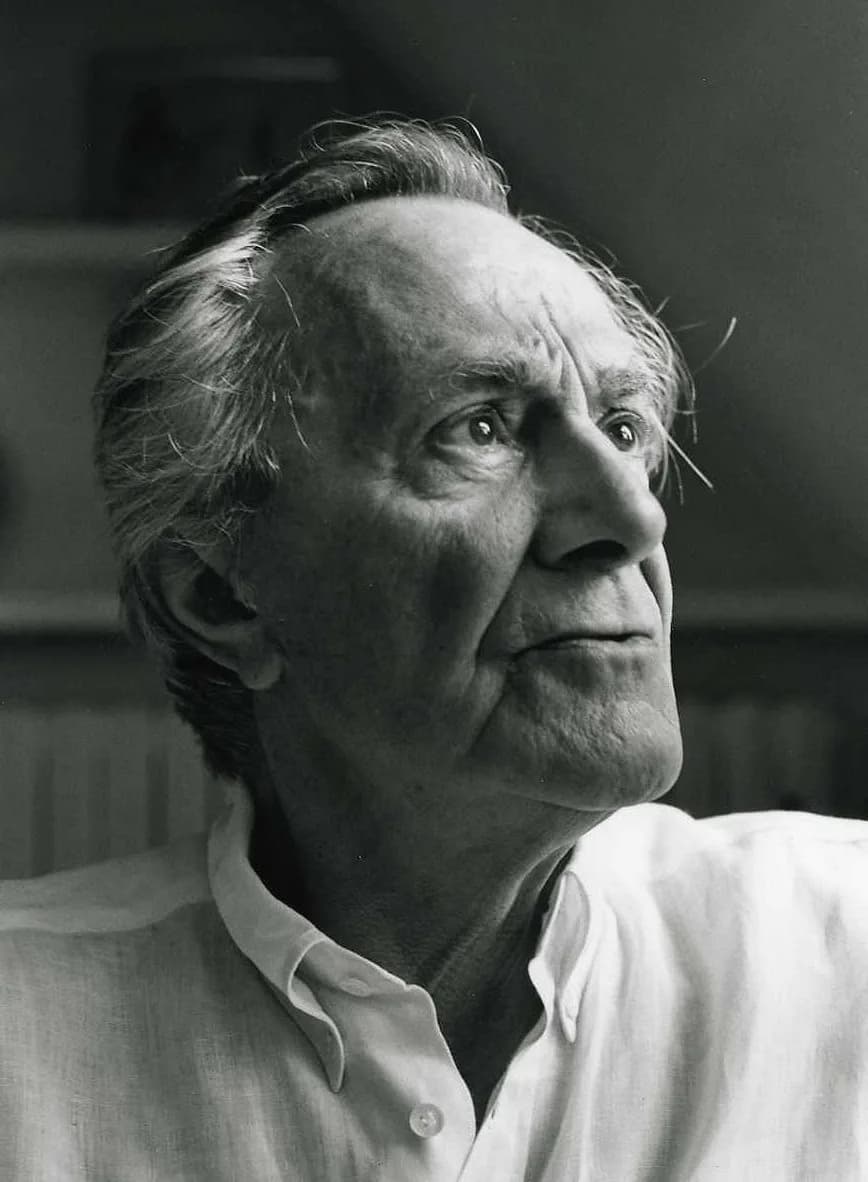
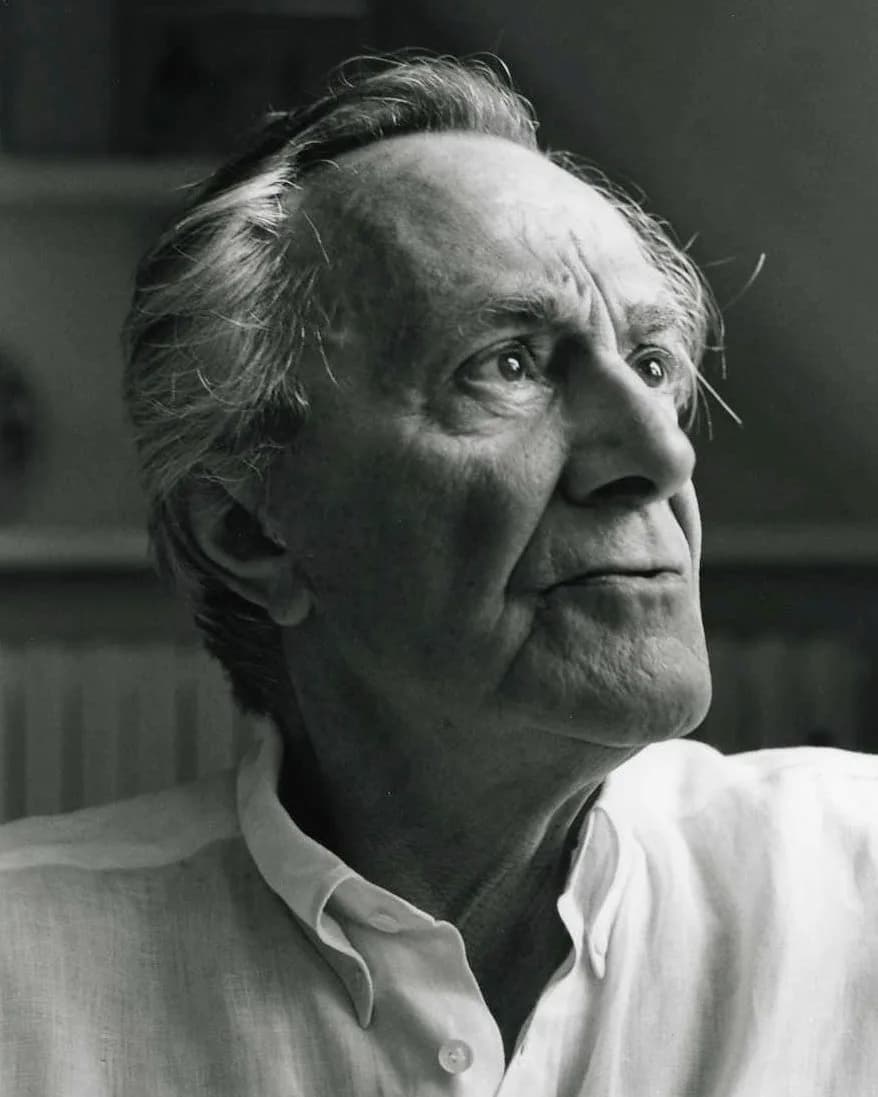
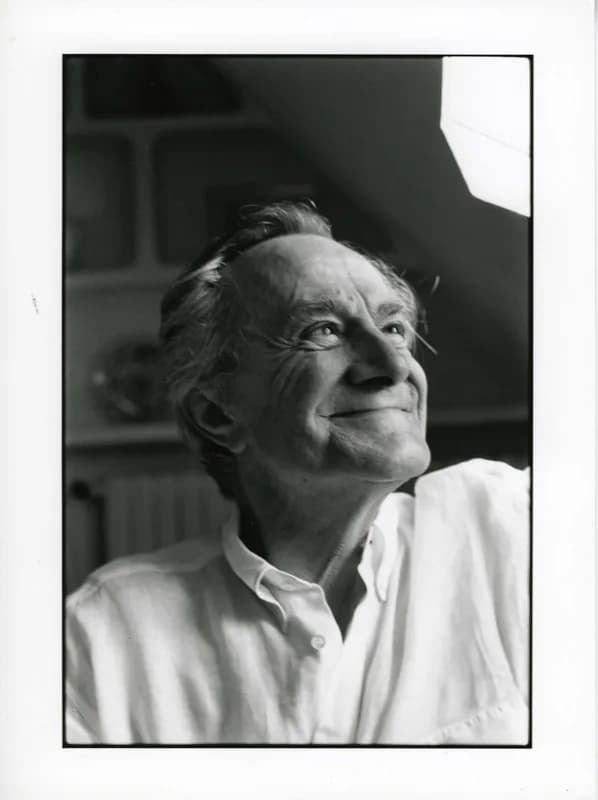
Jean-François Lyotard (August 10, 1924 – April 21, 1998) was a French philosopher and literary theorist. He is best known for his articulation of postmodernism and its impact on the human condition. His work significantly shaped contemporary continental philosophy.
A life in moments
The moments that shaped a life
Chapter
Life chapters
Chapter 1 · 1924· Chapter 1 of 6
Early Life and Origins
Jean-François Lyotard was born on August 10, 1924, in Versailles, France. Growing up in France, he received an education that would lay the foundation for his later philosophical inquiries. This formative period in Versailles undoubtedly influenced his early perspectives on culture and societal structures.
Chapter 2· Chapter 2 of 6
Career Beginnings
Lyotard began his extensive career as a teacher, dedicating himself to education before moving into higher academic circles. He cultivated a reputation as a keen intellectual, exploring diverse fields such as philology, linguistics, and epistemology. These early endeavors provided the broad interdisciplinary base for his future theoretical work and critical analysis.
Chapter 3· Chapter 3 of 6
Major Achievements and Career Highlights
Lyotard became recognized globally for his articulation of postmodernism after the late 1970s. His analysis of the impact of postmodernity on the human condition brought new perspectives to fields from modern art to politics. He authored an impressive 26 books and numerous articles, solidifying his standing as a prolific thinker in contemporary continental philosophy.
A testament to his influence, Lyotard served as a director of the International College of Philosophy. This esteemed institution was notably founded by his colleagues, including Jacques Derrida, François Châtelet, Jean-Pierre Faye, and Dominique Lecourt, highlighting his central role in the philosophical community.
Chapter 4· Chapter 4 of 6
Notable Works or Contributions
Among Lyotard’s most significant contributions is La condition postmoderne, a foundational text that articulated many of his ideas on postmodernism. This work, alongside others, explored complex subjects from communication to critical theory. His writing demonstrated an impressive scope, moving across topics like the human body, modern and postmodern art, and the sublime.
Other key works include Libidinal economy, which delved into the energetics of desire, and Discours, figure ed.2002, which examined the relationship between language and visual representation. His bibliography further encompasses Au juste, Instructions païennes, Phenomenology, Traitement de textes, Hyphen, and Differend. Each publication contributed to his evolving and challenging philosophical framework, covering areas like time, memory, space, and the urban landscape.
Through these texts, Lyotard consistently analyzed the connections between aesthetics and politics. His interdisciplinary discourse spanned epistemology, communication, and the very nature of human experience. He was a thinker who meticulously explored the nuances of thought across many academic boundaries.
Chapter 5 · 1998· Chapter 5 of 6
Later Years
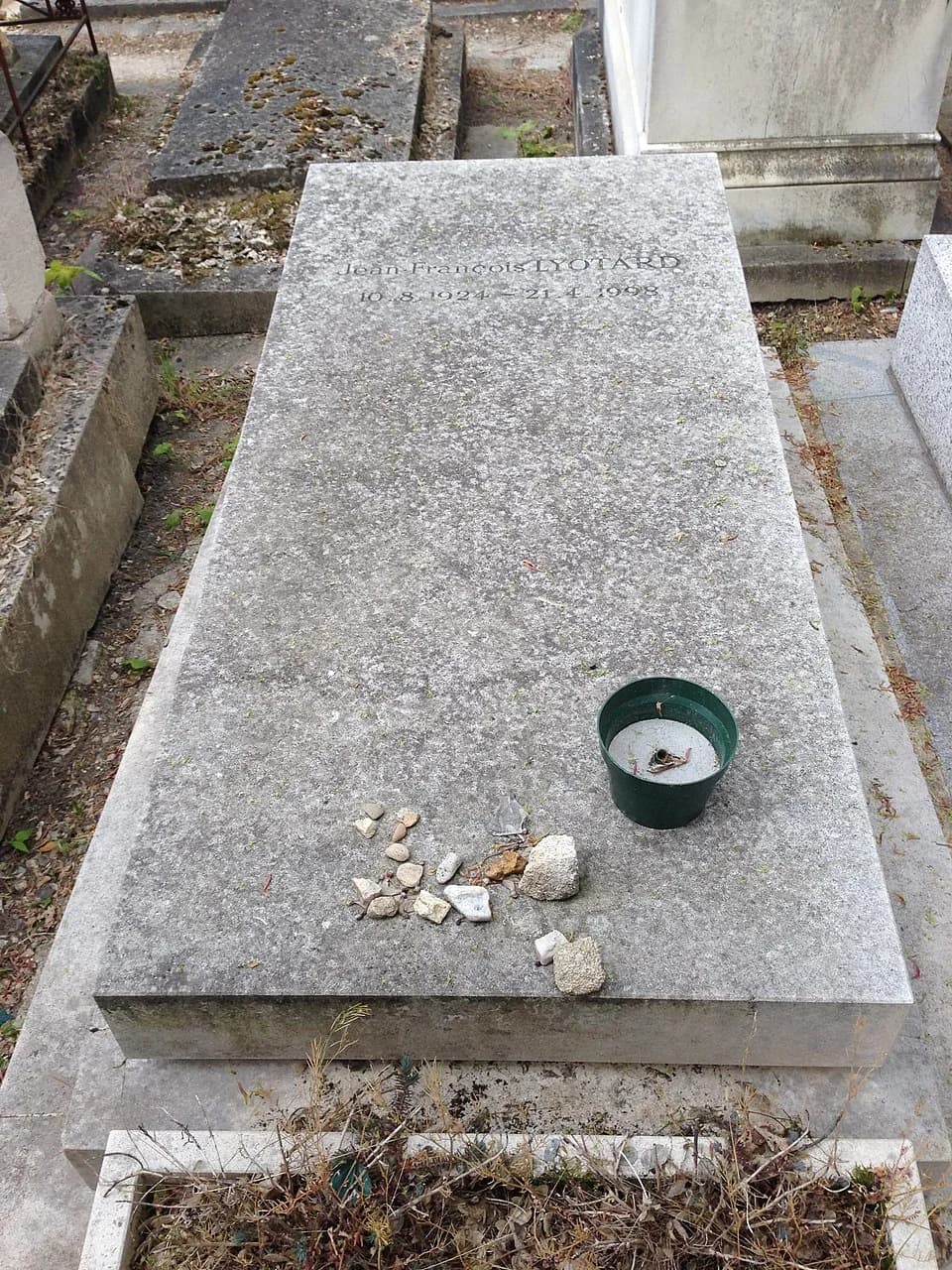
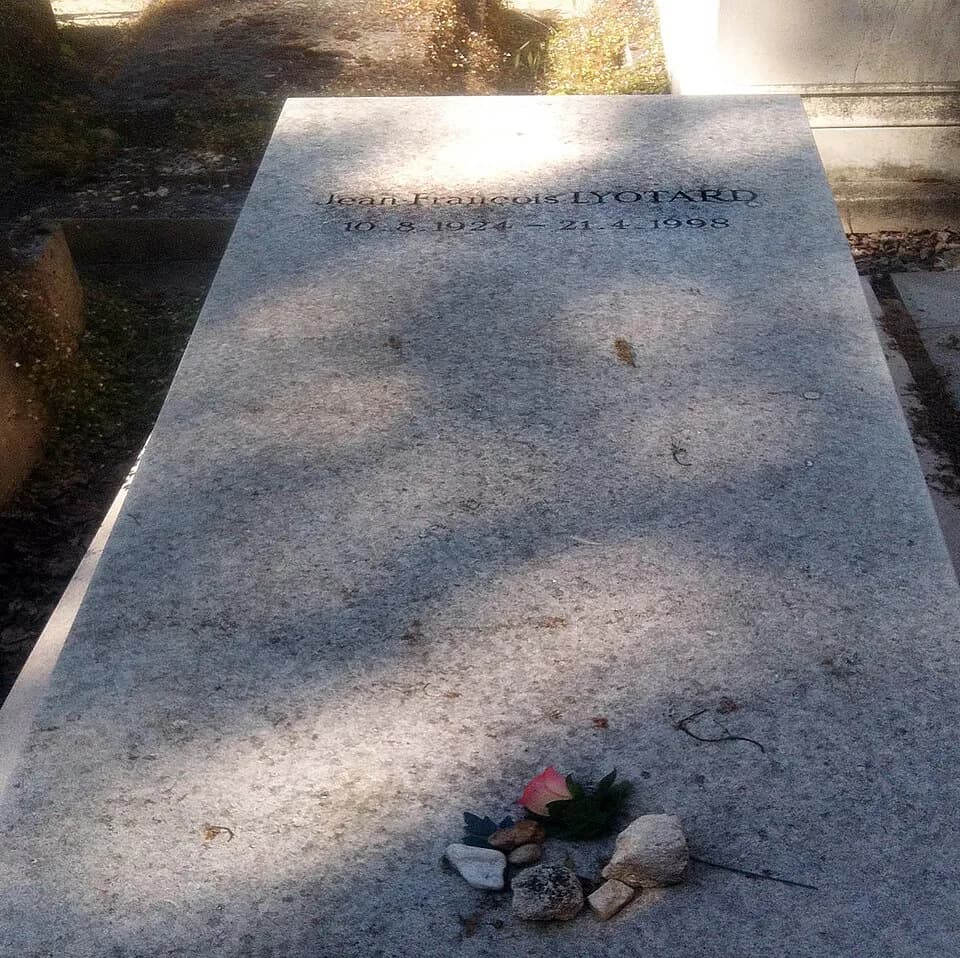
Jean-François Lyotard continued to write and teach, pushing the boundaries of philosophical thought throughout his later years. His intellectual curiosity remained vibrant, influencing new generations of thinkers and scholars. He passed away on April 21, 1998, in the 15th arrondissement of Paris, France, leaving behind an extraordinary body of work.
Chapter 6· Chapter 6 of 6
Legacy and Impact
The legacy of Jean-François Lyotard is deeply embedded in contemporary continental philosophy. His incisive analysis of postmodernity continues to be a crucial reference point for understanding modern culture and society. Scholars still engage with his writings on epistemology, critical theory, and the human condition, finding new relevance in his arguments.
Lyotard’s interdisciplinary approach encourages thinkers to connect seemingly disparate fields, from literature and music to urban planning and politics. His work consistently reminds us to question dominant narratives and to consider the complexities of our shared world. His philosophical voice continues to resonate, inspiring ongoing dialogue and critical reflection.
FAQ
Frequently asked
When did Jean-François Lyotard die?
Jean-François Lyotard died on April 21, 1998 in 15th arrondissement of Paris, France, at the age of 73.
Where was Jean-François Lyotard born?
Jean-François Lyotard was born in Versailles, France on August 10, 1924.
What is Jean-François Lyotard best known for?
Jean-François Lyotard is best known for French philosopher.
How old was Jean-François Lyotard when they died?
Jean-François Lyotard was 73 years old at the time of death.
What nationality was Jean-François Lyotard?
Jean-François Lyotard was from France.
Timeline
Life at a glance
Photo gallery
A life in pictures
Click any polaroid to expand · 27 photos
QR Code
Share This Biography
Print & Share
Scan to visit this biography page. Print for events, exhibitions, or educational materials.