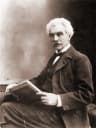
Born
May 23, 1707
Råshult, Sweden
Died
January 10, 1778
Linnaeus Hammarby, Sweden
Known for
Swedish botanist, physician, and zoologist
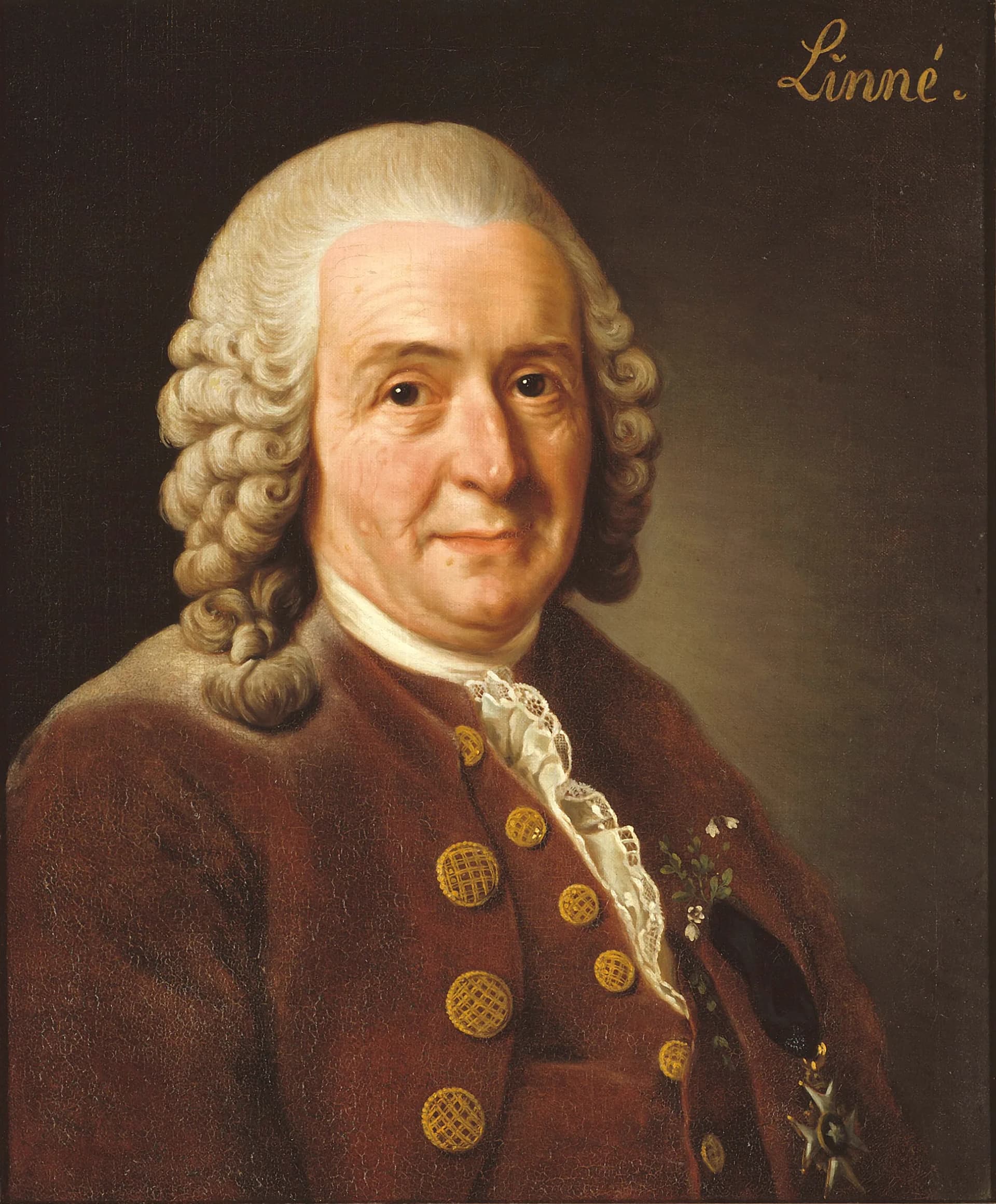
Carl Linnaeus (1707–1778) was Sweden best known for Swedish botanist, physician, and zoologist.
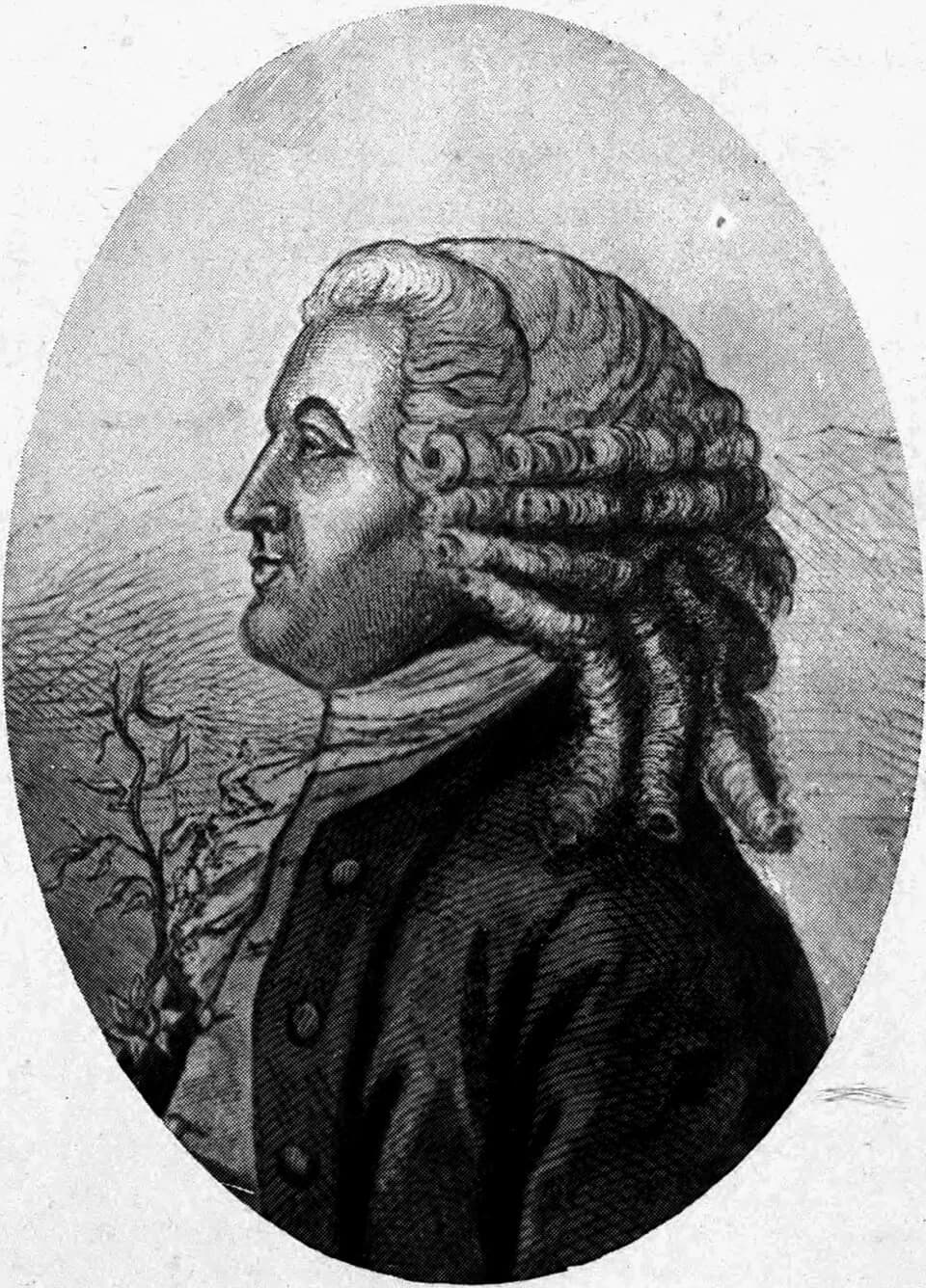
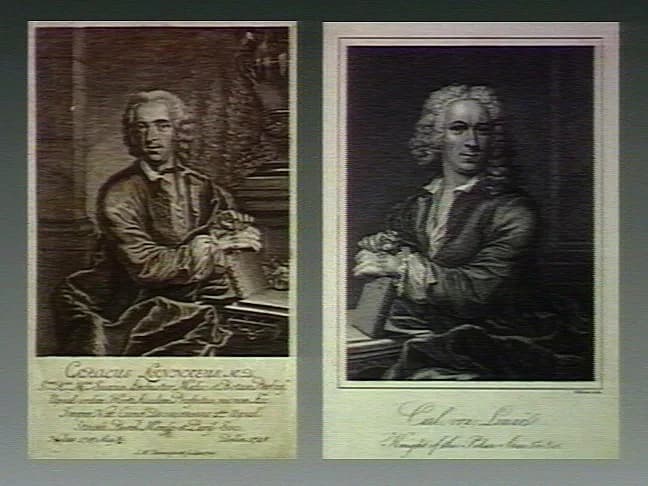
Carl Linnaeus (May 23, 1707 – January 10, 1778) was a Swedish botanist, physician, and zoologist. He formalized binomial nomenclature, the modern system for naming organisms, earning him the title "father of modern taxonomy." His work provided a universal language for biological classification.
Chapter
Life chapters
Chapter 1 · 1707· Chapter 1 of 6
Early Life and Origins
Born on May 23, 1707, in Råshult, Sweden, Carl Linnaeus began his life in a natural setting that likely fostered his lifelong fascination with the living world. This rural Swedish upbringing provided him with direct exposure to the flora and fauna that would later become the subjects of his systematic study. His early environment, rich in natural diversity, undoubtedly cultivated the keen observational skills that characterized his illustrious career.
Chapter 2· Chapter 2 of 6
Career Beginnings
Linnaeus embarked on a versatile career path, initially establishing himself as a naturalist, botanist, physician, and zoologist. His early academic pursuits and research focused on understanding and organizing the vast diversity of life. These formative years were critical in developing his revolutionary ideas for classifying the natural world, setting the stage for his later formalization of taxonomic principles.
Chapter 3· Chapter 3 of 6
Major Achievements and Career Highlights
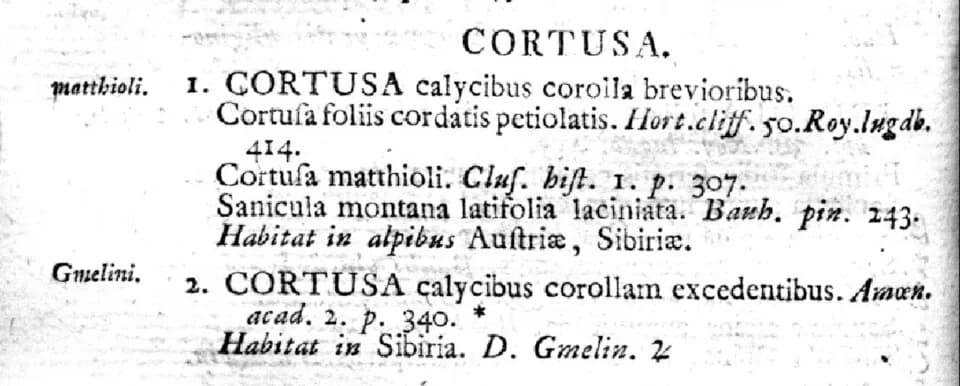
Among Carl Linnaeus's most significant accomplishments was the formalization of binomial nomenclature, a system that assigns each species a two-part Latin name. This elegant and universal method revolutionized biological classification, bringing order and clarity to the naming of organisms across all kingdoms of life. His work firmly established him as the "father of modern taxonomy," a title that reflects the enduring impact of his systematic framework.
Throughout his extensive career, Linnaeus held various distinguished roles, including that of a prominent university teacher, taxonomist, and ornithologist. His diverse interests also spanned numerous scientific fields, encompassing work as a mycologist, entomologist, mineralogist, pteridologist, bryologist, and arachnologist. In recognition of his immense contributions, he was ennobled in 1761, after which he became known as Carl von Linné, a testament to his profound influence and status within the scientific community. His name is also frequently rendered in Latin as Carolus Linnæus and, after ennoblement, as Carolus a Linné.
Chapter 4· Chapter 4 of 6
Notable Works or Contributions
Carl Linnaeus's intellectual prowess and dedication to science are evidenced by his extensive bibliography, which includes numerous seminal works. These publications meticulously documented his observations and proposals for classification, impacting both botanical and zoological studies. Among his significant contributions were texts like Linné i Lappland, detailing his expeditions and discoveries in Lapland, and Plantæ rariores Africanæ, which explored rare African flora.
His detailed studies extended to various specific subjects, as seen in works such as Två nya species tobak, concerning new tobacco species, and Dissertatio botanica sistens Splachnum, a botanical dissertation on mosses. Linnaeus also authored Pluto Svecicus and contributed to zoological understanding with titles like Animalia composita .... His broader scientific inquiries and academic duties are reflected in documents such as Programma quo ad audiendam orationem aditialen M. Joannis Låstbohm ... and medical treatises like Radix Senega and De raphania dissertatio medica .... A notable botanical-physical exercise, Exercitatio botanico-physica de nuptiis et sexu plantarum, also highlighted his revolutionary views on plant sexuality.
Chapter 5 · 1778· Chapter 5 of 6
Later Years
In his later years, Carl Linnaeus continued to refine and expand upon his systematic work, remaining an active scientific collector and autobiographer. His dedication to categorizing the natural world persisted throughout his life, ensuring that his legacy would be robust and comprehensive. He passed away on January 10, 1778, in Linnaeus Hammarby, Sweden, leaving behind a monumental body of work that continues to influence scientific thought.
Chapter 6· Chapter 6 of 6
Legacy and Impact
The legacy of Carl Linnaeus is immense and indelible, primarily through his formalization of binomial nomenclature, which remains the bedrock of biological classification. His innovative system provided a much-needed universal language for scientists, enabling consistent and clear communication about species across different cultures and languages. Linnaeus's methodologies and principles fundamentally transformed the study of biology, establishing a structured framework that underpins virtually all modern taxonomic research.
As the undisputed "father of modern taxonomy," Linnaeus's vision and meticulous work continue to guide naturalists and biologists today. His tireless efforts in classifying and naming the myriad forms of life have left an enduring mark on scientific inquiry and education. The systematic order he introduced to the natural world stands as a lasting testament to his extraordinary intellectual contributions and his pioneering spirit.
A life in moments
The moments that shaped a life
FAQ
Frequently asked
When did Carl Linnaeus die?
Carl Linnaeus died on January 10, 1778 in Linnaeus Hammarby, Sweden, at the age of 70.
Where was Carl Linnaeus born?
Carl Linnaeus was born in Råshult, Sweden on May 23, 1707.
What is Carl Linnaeus best known for?
Carl Linnaeus is best known for Swedish botanist, physician, and zoologist.
How old was Carl Linnaeus when they died?
Carl Linnaeus was 70 years old at the time of death.
What nationality was Carl Linnaeus?
Carl Linnaeus was from Sweden.
Timeline
Life at a glance
Photo gallery
A life in pictures
Click any polaroid to expand · 48 photos
QR Code
Share This Biography
Print & Share
Scan to visit this biography page. Print for events, exhibitions, or educational materials.