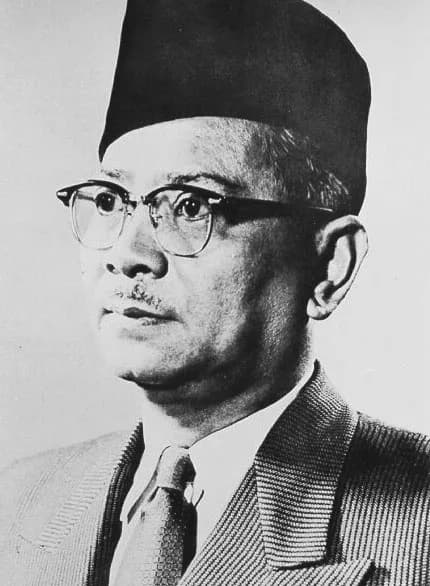
Born
February 8, 1903
Alor Setar, Malaysia
Died
December 6, 1990
Penang, Malaysia
Known for
first Prime Minister of Malaysia
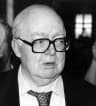
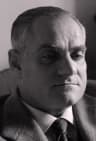
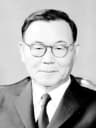
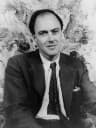
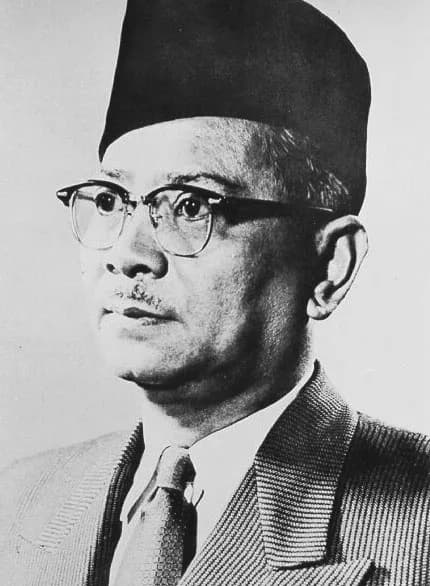
Tunku Abdul Rahman (1903-1990) was a Malaysian lawyer and politician from Alor Setar who served as Malaysia's first Prime Minister from 1957 to 1970. He led the peaceful transition to independence and created Malaysia in 1963. He remains Malaysia's founding father and second longest-serving prime minister.
Chapter
Life chapters
Chapter 1 · 1903· Chapter 1 of 7
Early Life and Origins
Tunku Abdul Rahman was born on February 8, 1903, in Alor Setar, Malaysia. His early years in this northern Malaysian city would later influence his deep understanding of the diverse communities that made up the Malayan peninsula. The future statesman grew up during the British colonial period, witnessing firsthand the complexities of governing a multi-ethnic society.
Chapter 2· Chapter 2 of 7
Career Beginnings
Before entering politics, Tunku Abdul Rahman established himself as a lawyer, developing the legal expertise that would prove essential in navigating the complex negotiations for independence. His legal training provided him with the skills to draft constitutional frameworks and understand the intricacies of governance. This foundation in law became the bedrock for his later political career and his approach to nation-building.
Chapter 3 · 1951· Chapter 3 of 7
Rise to Political Leadership
Tunku Abdul Rahman's political ascent began in earnest when he became president of UMNO (United Malays National Organisation) in 1951. The following year, in 1952, he took on the leadership of the Alliance Party, a coalition that would become the vehicle for achieving independence. His leadership of these key political organizations positioned him at the center of the independence movement.
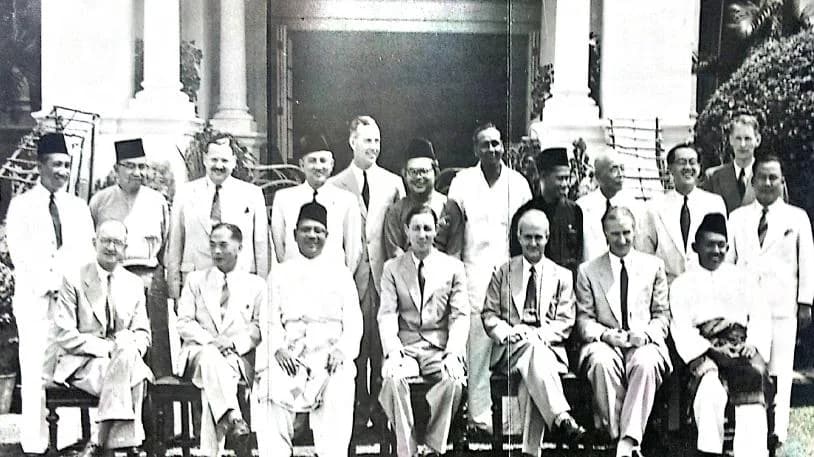
In 1955, Tunku became the chief minister of the Federation of Malaya, a position he held until 1957. This role made him the only person to serve as chief minister before the country achieved full independence. During these crucial years, he worked to build consensus among the diverse communities of Malaya while negotiating with British colonial authorities.
Chapter 4 · 1957· Chapter 4 of 7
Major Achievements and Independence
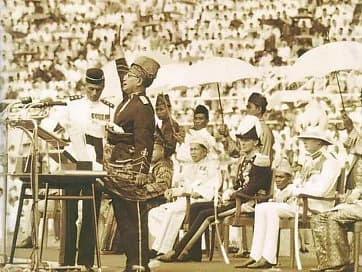
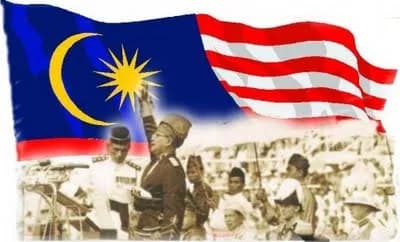
The pinnacle of Tunku Abdul Rahman's career came with the Malayan Declaration of Independence in 1957. As the leading advocate for self-governance, he successfully negotiated the peaceful transition from British colonial rule to an independent nation. His diplomatic skills and ability to unite different ethnic groups proved essential in achieving independence without the violent struggles that marked decolonization in other regions.
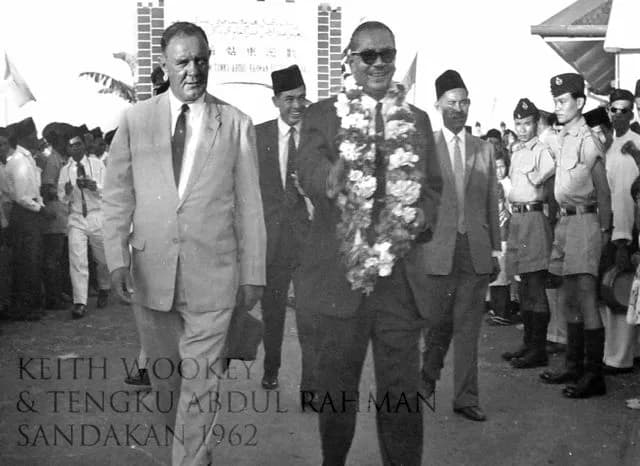
In 1963, Tunku Abdul Rahman orchestrated the creation of Malaysia, expanding the federation to include Singapore, Sabah, and Sarawak. This achievement demonstrated his vision of a larger, more unified Southeast Asian nation. The formation of Malaysia represented one of the most significant political developments in the region during the 1960s.
Chapter 5 · 1957· Chapter 5 of 7
Prime Ministerial Years
From 1957 to 1970, Tunku Abdul Rahman served as Malaysia's first Prime Minister, making him the second longest-serving prime minister in the country's history. His tenure spanned thirteen critical years during which he established the foundations of the Malaysian state. He navigated complex challenges including racial tensions, economic development, and regional security issues during the Cold War period.
Throughout his time as prime minister, Tunku maintained his leadership roles in UMNO until 1971 and the Alliance Party until 1971. This dual leadership allowed him to maintain party unity while governing the nation. His approach emphasized consensus-building and accommodation among Malaysia's diverse ethnic communities.
Chapter 6 · 1970· Chapter 6 of 7
Later Years and Final Chapter
After stepping down as Prime Minister in 1970, Tunku Abdul Rahman remained active in Malaysian public life for several years. He continued to serve as president of UMNO until 1971, helping to ensure a smooth transition of leadership within the party. His later years were spent reflecting on the achievements and challenges of Malaysian independence.
Tunku Abdul Rahman passed away on December 6, 1990, in Penang, Malaysia. His death marked the end of an era for Malaysia, as the country lost its founding father and the architect of its independence. The location of his passing in Penang, like his birth in Alor Setar, connected him to the Malaysian states he had helped unite.
Chapter 7· Chapter 7 of 7
Legacy and Impact
Tunku Abdul Rahman's legacy as Malaysia's founding father remains unquestioned nearly three decades after his death. His successful negotiation of peaceful independence from British rule established a model for decolonization that avoided the conflicts experienced by other nations. The constitutional framework and governmental structures he helped establish continue to shape Malaysia today.
The creation of Malaysia in 1963 under Tunku Abdul Rahman's leadership transformed the political map of Southeast Asia. His vision of a multi-ethnic federation based on accommodation and consensus-building influenced Malaysian politics for generations. As the country's second longest-serving prime minister, his thirteen-year tenure set precedents for governance that subsequent leaders would follow and adapt.
A life in moments
The moments that shaped a life
FAQ
Frequently asked
When did Tunku Abdul Rahman die?
Tunku Abdul Rahman died on December 6, 1990 in Penang, Malaysia, at the age of 87.
Where was Tunku Abdul Rahman born?
Tunku Abdul Rahman was born in Alor Setar, Malaysia on February 8, 1903.
What is Tunku Abdul Rahman best known for?
Tunku Abdul Rahman is best known for first Prime Minister of Malaysia.
How old was Tunku Abdul Rahman when they died?
Tunku Abdul Rahman was 87 years old at the time of death.
What nationality was Tunku Abdul Rahman?
Tunku Abdul Rahman was from Malaysia.
Timeline
Life at a glance
Photo gallery
A life in pictures
Click any polaroid to expand · 43 photos
QR Code
Share This Biography
Print & Share
Scan to visit this biography page. Print for events, exhibitions, or educational materials.