Born
June 2, 1882
Pitești, Romania
Died
June 1, 1946
Jilava, Romania
Known for
prime minister of Romania during World War II, executed for war crimes
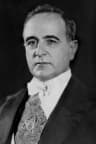
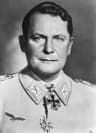
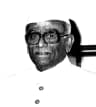
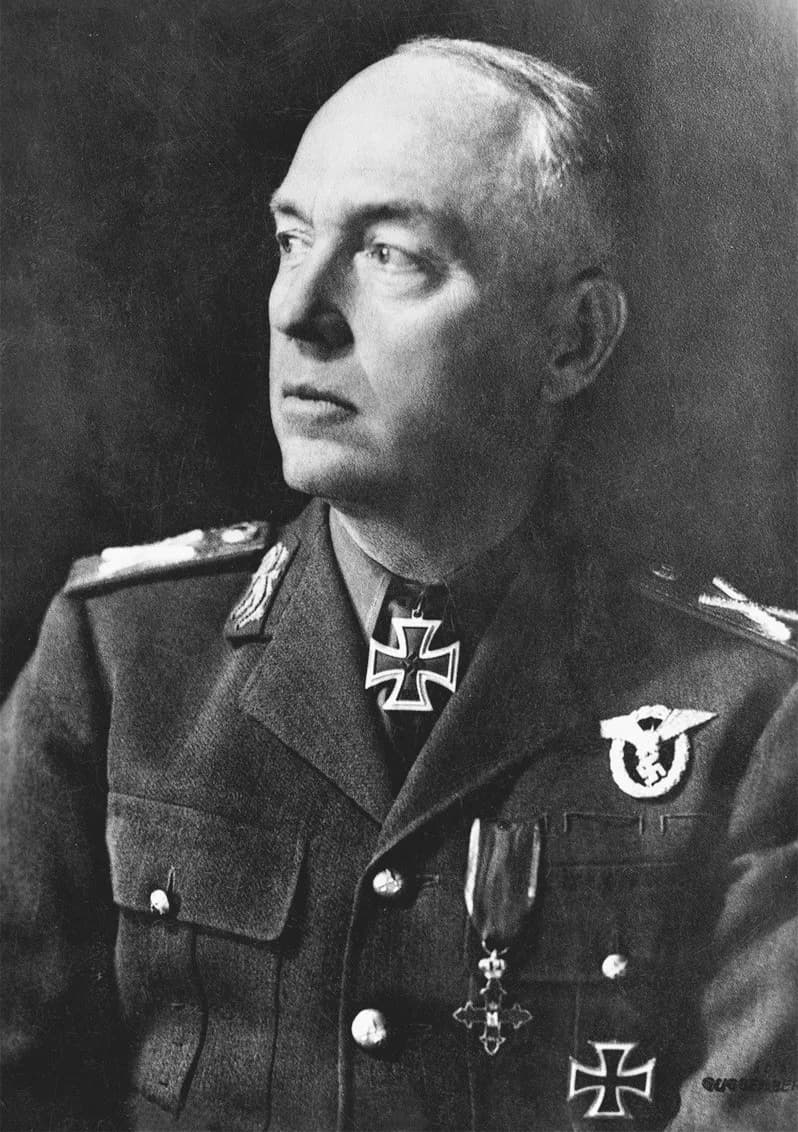
Ion Antonescu (June 2, 1882 – June 1, 1946) was a Romanian military officer, diplomat, and politician from Pitești, Romania. He served as Prime Minister and Conducător during World War II, presiding over two wartime dictatorships. Overthrown in 1944, he was executed in 1946 for war crimes, including facilitating the Holocaust in Romania.
A life in moments
The moments that shaped a life
Chapter
Life chapters
Chapter 1 · 1882· Chapter 1 of 7
Early Life and Origins
Ion Antonescu was born on June 2, 1882, in the city of Pitești, located in Romania. His early years unfolded within a country that was navigating its identity and position within Europe. The societal and political landscape of late 19th and early 20th century Romania undoubtedly shaped the environment in which he grew.
Details of his immediate family and upbringing are not extensively documented in the brief historical summaries available. However, his birthplace in Pitești provided the initial setting for a life that would eventually lead to national leadership. The foundational experiences of his youth likely contributed to the development of the character and ambition he would later display in his professional life.
Chapter 2· Chapter 2 of 7
Career Beginnings
Antonescu embarked on a military career, a path that was common for many ambitious young men in Romania at the time. He trained as an officer, honing the skills and discipline required for service in the armed forces. This early dedication to military professionalism laid the groundwork for his future ascent through the ranks.
As his career progressed, Antonescu also engaged in diplomatic activities, indicating a broader aptitude beyond purely military command. His involvement in diplomacy would have exposed him to international relations and the intricacies of statecraft. This blend of military and diplomatic experience eventually paved his way into the political arena, setting the stage for his most influential roles.
Chapter 3· Chapter 3 of 7
Major Achievements and Career Highlights
Ion Antonescu rose to national prominence, becoming the Prime Minister of Romania during the tumultuous years of World War II. His appointment to this high office placed him at the helm of national leadership during a period of immense global crisis. He led Romania through complex alliances and strategic decisions on the world stage.
During his time as Prime Minister, Antonescu also assumed the title of Conducător, effectively consolidating his power as a wartime dictator. This dual role granted him extensive authority over both military and civilian affairs. He presided over two successive wartime dictatorships, profoundly influencing Romania's domestic policies and its involvement in the war.
His leadership was characterized by Romania's alignment with the Axis powers, a strategic choice that had far-reaching consequences for the nation. This period is a critical chapter in Romanian history, defined by Antonescu's firm grip on power and his direction of the country's war effort. These actions represent the peak of his professional trajectory.
Chapter 4· Chapter 4 of 7
Personal Life
While Ion Antonescu's professional life as a military officer, diplomat, and politician is well-documented in historical accounts, specific details regarding his personal life are less widely publicized. Information concerning his family, relationships, or particular hobbies and interests remains largely outside the scope of readily available public summaries.
His public persona and the demands of his high-profile roles, particularly during wartime, often overshadowed any private aspects of his existence. Historical focus primarily rests on his political and military decisions. Consequently, his personal life remains a less explored area in the broader narrative of his historical significance.
Chapter 5· Chapter 5 of 7
Notable Works or Contributions
Ion Antonescu's primary and most impactful contributions are inextricably linked to his governance of Romania during World War II. As Prime Minister and Conducător, he was the architect of Romania's wartime policies and actions. His leadership during this period represented a significant turning point for the nation, guiding its involvement in a global conflict.
A critical aspect of his administration was his responsibility for facilitating the Holocaust in Romania. This tragic historical fact underscores the severe consequences of his wartime decisions and policies. His regime's actions during this time left an enduring and somber mark on Romanian and world history. He also oversaw the implementation of military strategies and diplomatic efforts that shaped Romania's role in the conflict, exerting substantial influence over the country's destiny.
Chapter 6 · 1944· Chapter 6 of 7
Later Years
Ion Antonescu's time in power came to an abrupt end in 1944. As the tide of World War II began to turn, he was overthrown from his position as leader of Romania. This coup marked the conclusion of his political and military dominance, ushering in a new phase for the nation.
Following his overthrow, Antonescu was subsequently tried for war crimes. This judicial process examined his actions and decisions made during his time as Prime Minister and Conducător. The culmination of this legal proceeding was his execution on June 1, 1946, in Jilava, Romania, bringing a definitive end to his life and career. His final years were spent facing accountability for his wartime leadership.
Chapter 7· Chapter 7 of 7
Legacy and Impact
The legacy of Ion Antonescu is a complex and profoundly debated chapter in Romanian and European history. His leadership as Prime Minister and Conducător during World War II fundamentally shaped Romania's trajectory during a period of global upheaval. He is remembered for presiding over two successive wartime dictatorships, which exerted immense control over the nation.
His historical impact is indelibly marked by his responsibility for facilitating the Holocaust in Romania. This grievous aspect of his rule is a central component of any historical assessment of his leadership. The decisions made under his command during the war had lasting consequences for both Romania and the international community. His trial for war crimes and subsequent execution on June 1, 1946, in Jilava, Romania, stand as a testament to the severe judgment passed upon his actions. Antonescu's life remains a subject of continued historical examination, offering critical insights into the challenging moral and political landscapes of the 20th century.
Timeline
Life at a glance
Photo gallery
A life in pictures
Click any polaroid to expand · 47 photos
QR Code
Share This Biography
Print & Share
Scan to visit this biography page. Print for events, exhibitions, or educational materials.