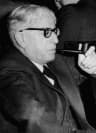
Born
November 30, 1889
Hampstead, United Kingdom of Great Britain and Ireland
Died
August 4, 1977
Cambridge, United Kingdom
Known for
English electrophysiologist
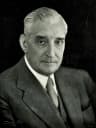
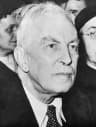
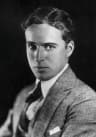
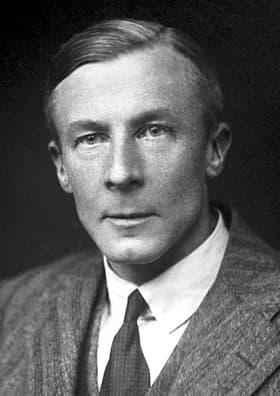
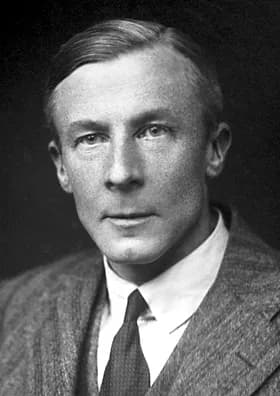
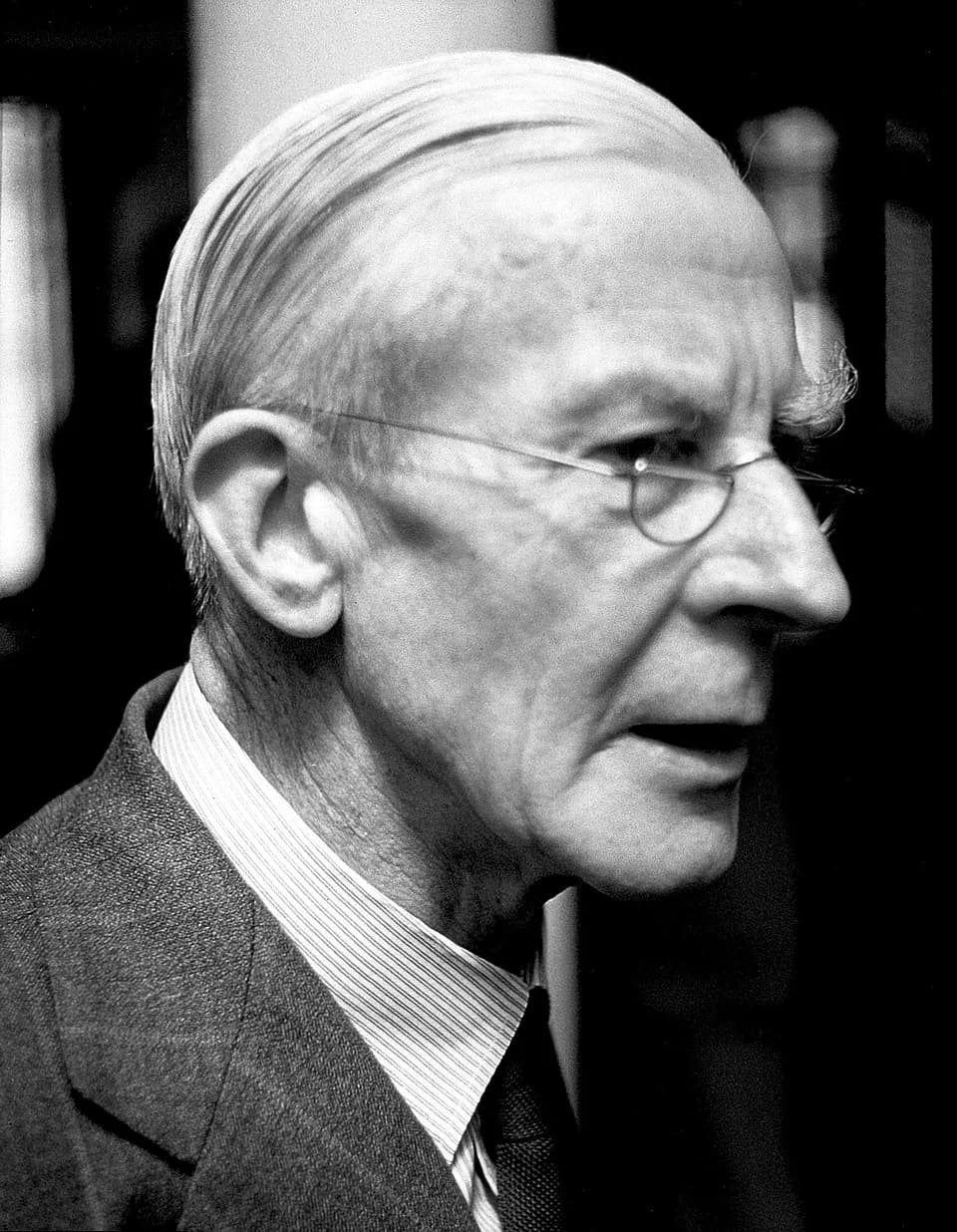
Edgar Douglas Adrian (1889–1977) was United Kingdom of Great Britain and Ireland best known for English electrophysiologist.
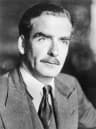
Edgar Douglas Adrian (November 30, 1889 – August 4, 1977) was an English electrophysiologist and physician. He received the 1932 Nobel Prize for Physiology or Medicine for his discoveries concerning neuron functions. Adrian's work provided crucial experimental evidence for the all-or-none law of nerves, deeply influencing neuroscience.
Chapter
Life chapters
Chapter 1 · 1889· Chapter 1 of 7
Early Life and Origins
Edgar Douglas Adrian was born in Hampstead, part of the United Kingdom of Great Britain and Ireland, on November 30, 1889. His early life unfolded in a period of significant scientific discovery and intellectual growth. While details of his family and early upbringing are not explicitly provided, his later career suggests a strong foundation in rigorous academic pursuits.
Chapter 2· Chapter 2 of 7
Career Beginnings
Adrian pursued a career dedicated to unraveling the mysteries of the human body, particularly the nervous system. He initially trained as a physician, a profession that provided a deep understanding of biological systems. This medical background formed a strong base for his subsequent focus on physiology and neuroscience.
His early academic journey positioned him to contribute to the scientific community. He began to explore the electrical properties of nerves, a field that was rapidly developing during his active years. His meticulous experimental approach quickly set him apart in the realm of electrophysiology.
Chapter 3 · 1932· Chapter 3 of 7
Major Achievements and Career Highlights
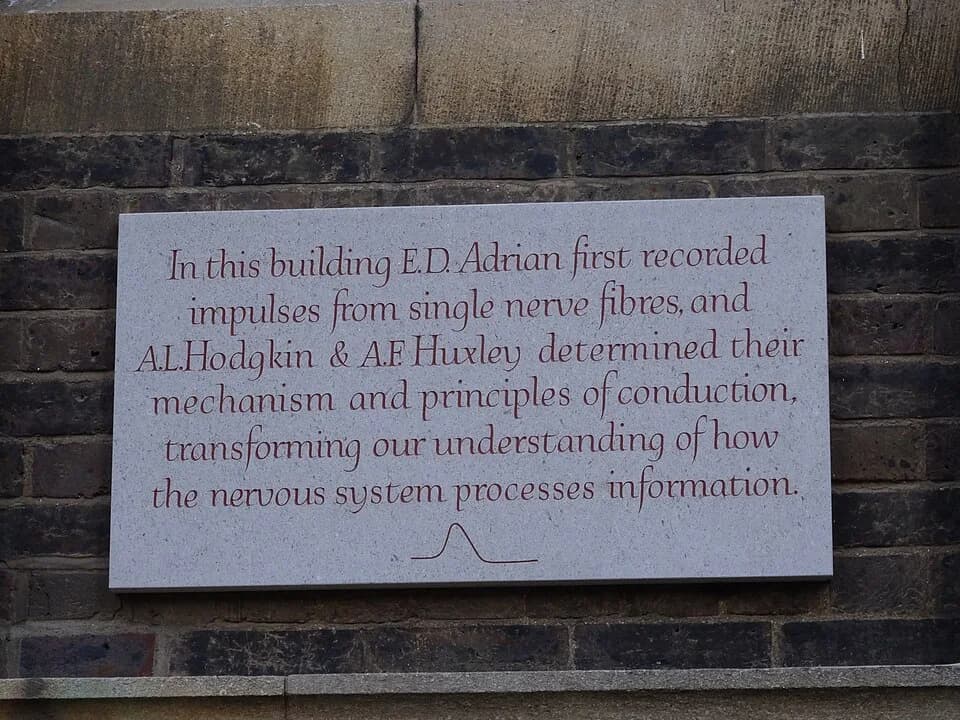
A significant achievement in Adrian's career was the joint award of the 1932 Nobel Prize for Physiology or Medicine with Sir Charles Sherrington. This prestigious honor recognized their discoveries regarding the fundamental functions of neurons. Adrian's experimental work provided critical evidence supporting the all-or-none law of nerves, a concept crucial to understanding nerve impulse transmission.
His scientific endeavors consistently pushed the boundaries of knowledge in electrophysiology. He demonstrated that nerve impulses are consistent in size, regardless of the stimulus intensity, but that stronger stimuli increase the frequency of impulses. This clarity helped scientists understand how sensory information is encoded by the nervous system. Furthermore, he was elevated to 1st Baron Adrian, acknowledging his significant contributions beyond the laboratory.
Chapter 4· Chapter 4 of 7
Personal Life
While detailed personal anecdotes are not available, Edgar Douglas Adrian's life extended beyond his scientific pursuits. As the 1st Baron Adrian, he held a political title, reflecting his broader involvement in public life within the United Kingdom. His roles as a physician and university teacher also indicate a commitment to both practice and education, shaping future generations of scientists and medical professionals.
Chapter 5 · 2006· Chapter 5 of 7
Notable Works or Contributions
Adrian's scientific contributions are evident in his extensive publication record, with an h-index of 48 across 171 papers. His significant works include "The impulses produced by sensory nerve-endings: Part II. The response of a Single End-Organ," which garnered 261 citations by 2006. This work provided empirical data on how individual sensory receptors respond to stimuli.
Other notable publications feature "Thomas Graham Brown, 1882-1965," published in 1966, and "The Conduction of the Nervous Impulse," which had 11 citations recorded in 2009. His studies also include "Synchronised activity in the Vomero-nasal nerves with a note on the function of the organ of Jacobsen," cited 8 times by 2004, and "The development of nerve cell rhythms," cited 3 times by 2005. These papers represent his persistent effort to document and disseminate his findings, and their continuing citation reflects their lasting importance.
Chapter 6 · 1977· Chapter 6 of 7
Later Years
In his later years, Edgar Douglas Adrian continued to be a respected figure in the scientific community. His extensive body of work and his Nobel recognition secured his place among the most important scientists of his era. He passed away in Cambridge, United Kingdom, on August 4, 1977, leaving behind a profound scientific heritage.
Chapter 7· Chapter 7 of 7
Legacy and Impact
Edgar Douglas Adrian's legacy remains substantial within electrophysiology and neuroscience. His experimental confirmation of the all-or-none law of nerves fundamentally altered the understanding of how nerve cells transmit information. This principle is now a basic tenet taught in physiology courses worldwide.
By elucidating neuron function, he laid crucial groundwork for subsequent research into brain activity and neurological disorders. His work continues to be a cornerstone for students and researchers exploring the complexities of the nervous system, shaping the direction of neuroscience for decades to come.
A life in moments
The moments that shaped a life


FAQ
Frequently asked
When did Edgar Douglas Adrian die?
Edgar Douglas Adrian died on August 4, 1977 in Cambridge, United Kingdom, at the age of 87.
Where was Edgar Douglas Adrian born?
Edgar Douglas Adrian was born in Hampstead, United Kingdom of Great Britain and Ireland on November 30, 1889.
What is Edgar Douglas Adrian best known for?
Edgar Douglas Adrian is best known for English electrophysiologist.
How old was Edgar Douglas Adrian when they died?
Edgar Douglas Adrian was 87 years old at the time of death.
What nationality was Edgar Douglas Adrian?
Edgar Douglas Adrian was from United Kingdom of Great Britain and Ireland.
Timeline
Life at a glance
Photo gallery
A life in pictures
Click any polaroid to expand · 24 photos
QR Code
Share This Biography
Print & Share
Scan to visit this biography page. Print for events, exhibitions, or educational materials.