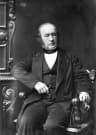
Né(e)
May 22, 1813
Leipzig, Electorate of Saxony
Décédé(e)
February 13, 1883
Venice, Italy
Connu(e) pour
German composer
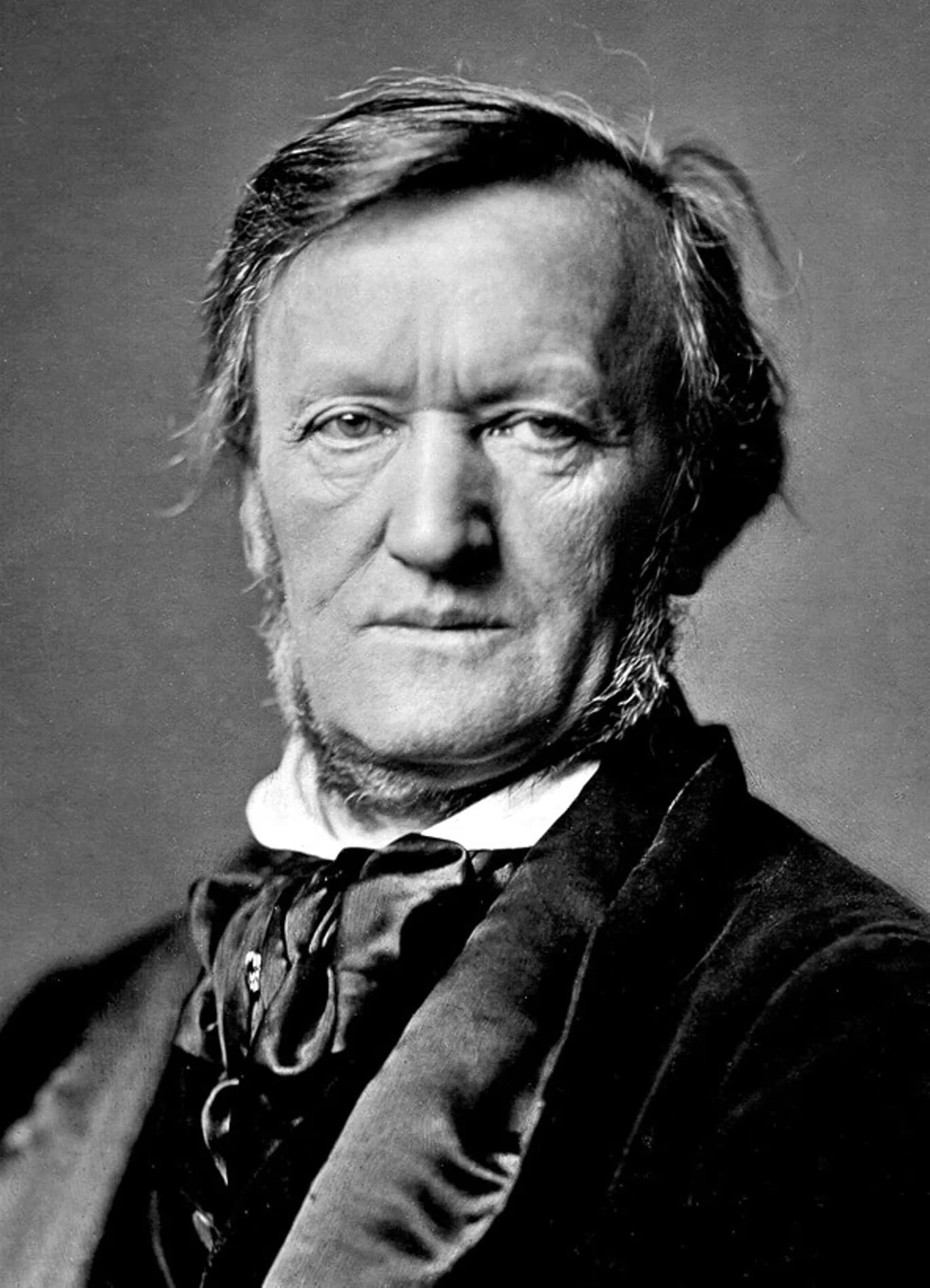
Richard Wagner (1813–1883) was Electorate of Saxony best known for German composer.
Wilhelm Richard Wagner (May 22, 1813 – February 13, 1883) was a German composer from Leipzig. He revolutionized opera through his concept of the Gesamtkunstwerk, uniting poetic, musical, visual, and dramatic elements. His approach created continuously sung narratives, deeply influencing music drama.
Chapitre
Chapitres de vie
Chapitre 1 · 1813· Chapitre 1 sur 6
Early Life and Origins
Richard Wagner began his life in Leipzig, then part of the Electorate of Saxony, on May 22, 1813. His early years in this culturally rich German city laid the groundwork for his future artistic endeavors. Although specific details about his family and upbringing beyond his birthplace are not provided in the supplied information, Leipzig's historical prominence as a center for music and arts likely influenced his formative experiences.
Chapitre 2· Chapitre 2 sur 6
Career Beginnings
Wagner first gained public recognition with compositions that resonated with the Romantic traditions established by contemporaries like Carl Maria von Weber and Giacomo Meyerbeer. These early works demonstrated his talent and positioned him within the established musical currents of the era. However, his artistic vision soon led him to seek new avenues of expression beyond conventional operatic forms.
Chapitre 3· Chapitre 3 sur 6
Major Achievements and Career Highlights
A central achievement in Wagner's career was his conceptualization of the Gesamtkunstwerk, or 'total work of art.' This revolutionary idea aimed to unify poetic, musical, visual, and dramatic elements into a single, cohesive artistic experience. Unlike most composers of his time, Wagner meticulously crafted both the libretti and the music for all his stage works, ensuring a complete integration of text and score.
His approach to music drama involved a continuously sung narrative, where the music evolved organically from the text rather than relying on the traditional alternation between arias and recitatives. Wagner meticulously articulated these concepts in a series of essays published between 1849 and 1852. The first half of his monumental four-opera cycle, Der Ring des Nibelungen, fully realized these innovative ideas, showcasing his capacity to redefine the genre.
Chapitre 4· Chapitre 4 sur 6
Notable Works or Contributions
Wagner's repertoire includes numerous significant compositions that left an enduring mark on classical music. Among his celebrated operas are The Flying Dutchman, Lohengrin, and Tannhäuser und der Sängerkrieg auf Wartburg. These works demonstrate his early explorations into themes of redemption, love, and myth, often drawing from Germanic folklore and legend.
Beyond individual operas, his epic cycle, Der Ring des Nibelungen, also known by titles like The ring of the Niblung, The Ring of the Nibelung of Richard Wagner, and L'anello del Nibelungo: trilogia, stands as a testament to his ambition and creative scope. Other notable contributions include Il crepuscolo degli dei, Sonate für das Pianoforte componirt und Herrn Theodor Weinlig, Cantor und Musikdirector in der Thomasschule zu Leipzig hochachtungsvoll gewidmet von Richard Wagner..., and his essay "Zukunftsmusik". His discography also includes highlights from The Flying Dutchman (1965), various recordings of Die Walküre, and Die Meistersinger von Nurnburg (1952).
Chapitre 5 · 1883· Chapitre 5 sur 6
Later Years
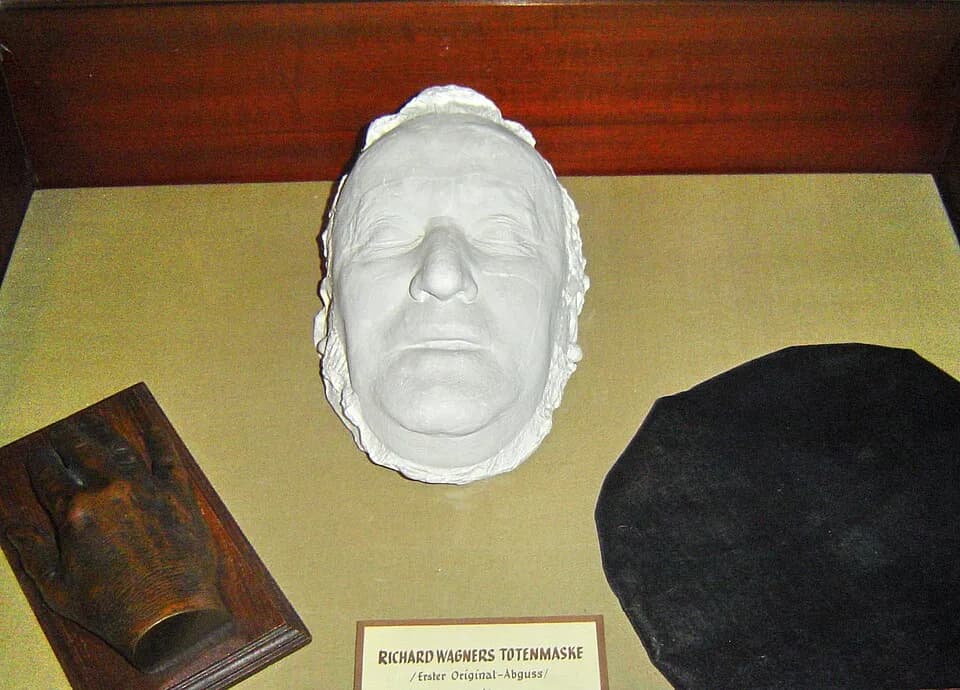
Richard Wagner spent his final years continuing his artistic pursuits. He passed away on February 13, 1883, in Venice, Italy. His death in this historically rich city marked the end of a prolific life dedicated to musical innovation and the development of the music drama as an art form.
Chapitre 6· Chapitre 6 sur 6
Legacy and Impact
Richard Wagner's influence on classical music, particularly the opera and romantic classical genres, is immense. He revolutionized the genre by moving beyond established forms, advocating for a complete fusion of the arts through the Gesamtkunstwerk concept. His works, often grand in scale and rich in mythological themes, continue to be performed and studied worldwide, demonstrating the lasting power of his artistic vision and his contribution to the evolution of staged music.
Une vie en moments
Les moments qui ont façonné une vie
FAQ
Questions fréquentes
Quand Richard Wagner est-il/elle décédé(e) ?
Richard Wagner est décédé(e) le 13 février 1883 à Venice, Italy, à l'âge de 69 ans.
Où est né(e) Richard Wagner ?
Richard Wagner est né(e) à Leipzig, Electorate of Saxony le 22 mai 1813.
Pour quoi Richard Wagner est-il/elle le/la plus connu(e) ?
Richard Wagner est surtout connu(e) pour German composer.
Quel âge avait Richard Wagner à sa mort ?
Richard Wagner avait 69 ans au moment de son décès.
Quelle était la nationalité de Richard Wagner ?
Richard Wagner était originaire de Electorate of Saxony.
Chronologie
La vie en un coup d'œil
Galerie photo
Une vie en images
Cliquez sur un polaroid pour l'agrandir · 24 photos
QR Code
Partager cette biographie
Imprimer et partager
Scannez pour visiter cette page biographique. Imprimez pour des événements, des expositions ou du matériel pédagogique.