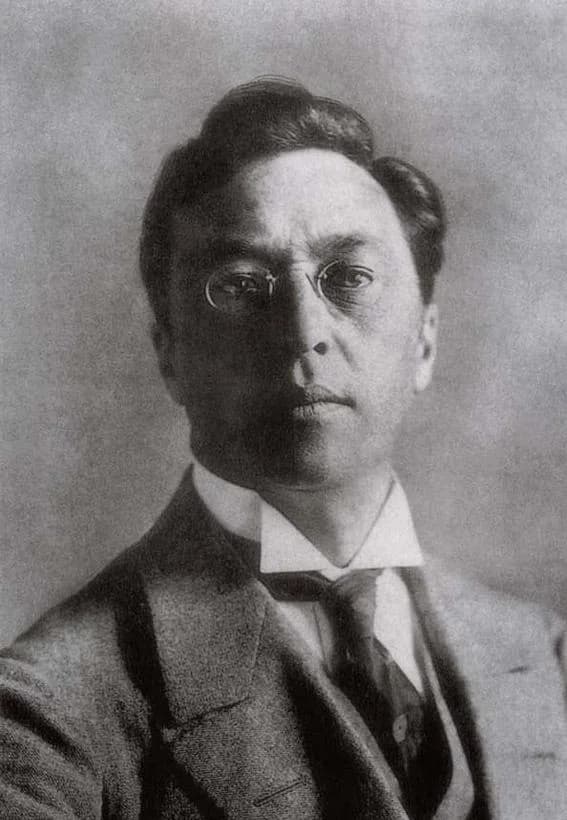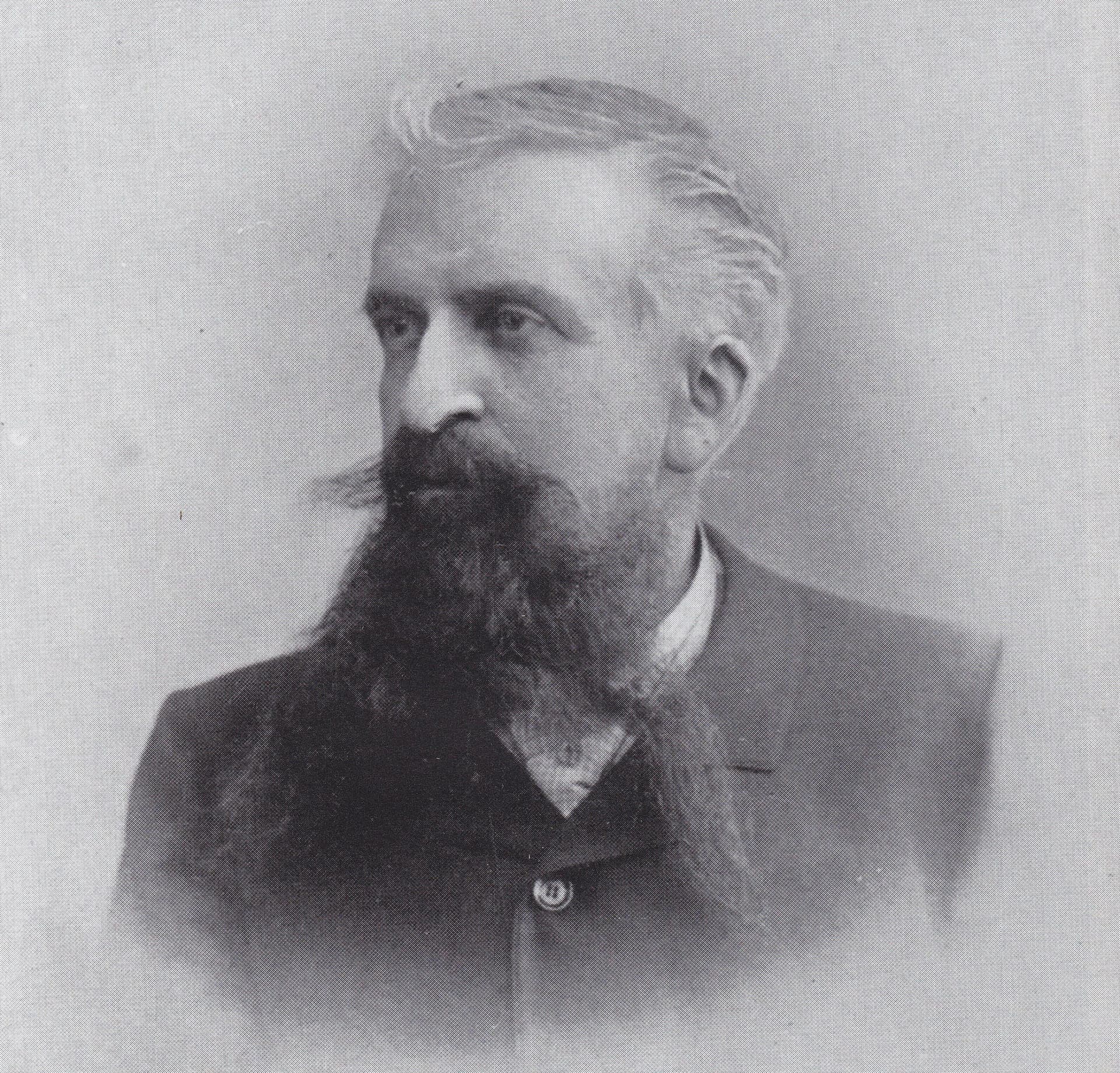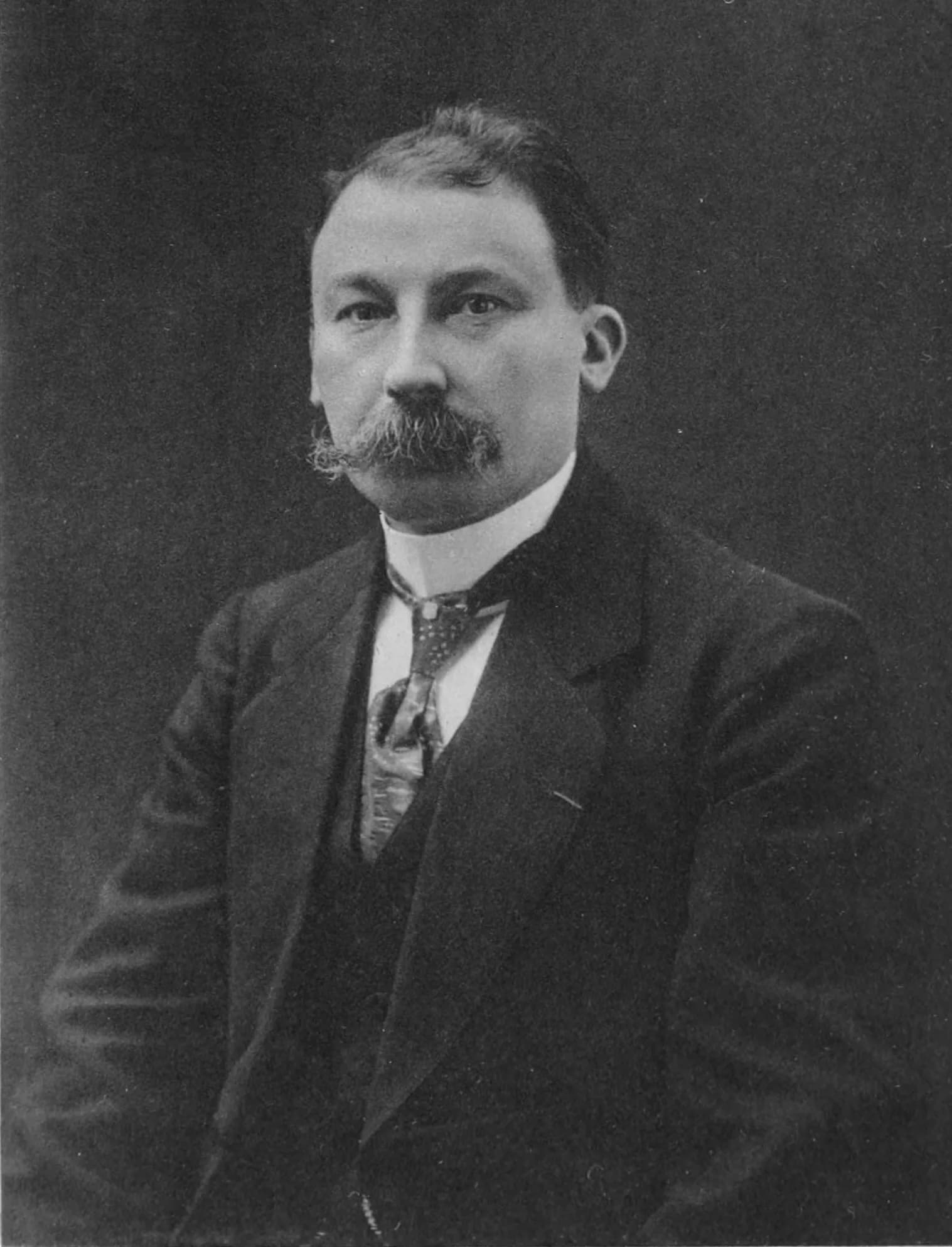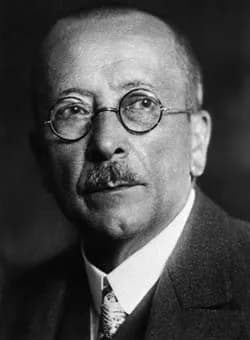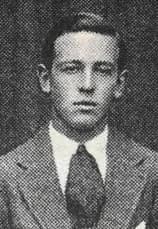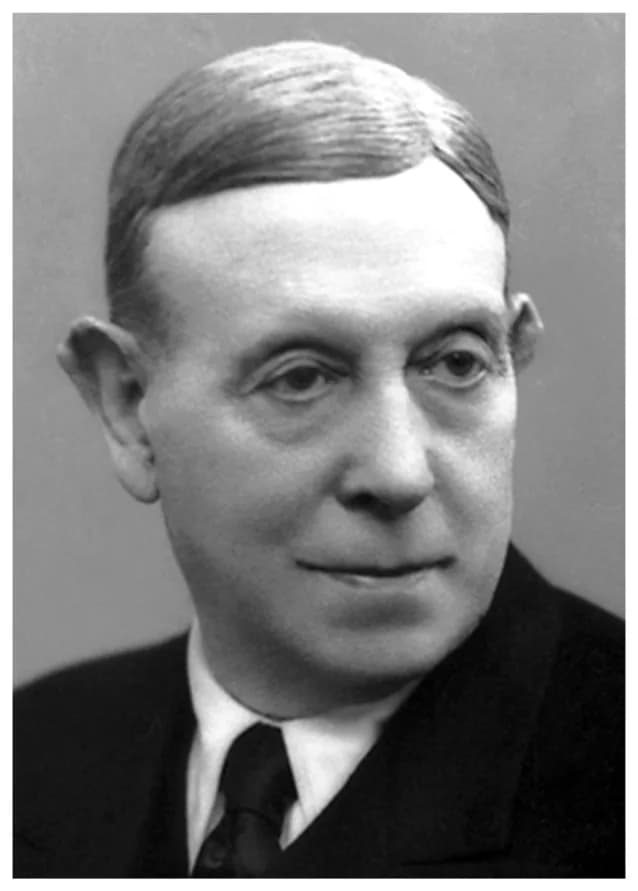
Né(e)
November 29, 1874
Avanca, Portugal
Décédé(e)
December 13, 1955
Lisbon, Portugal
Connu(e) pour
Portuguese politian and neurosurgeon
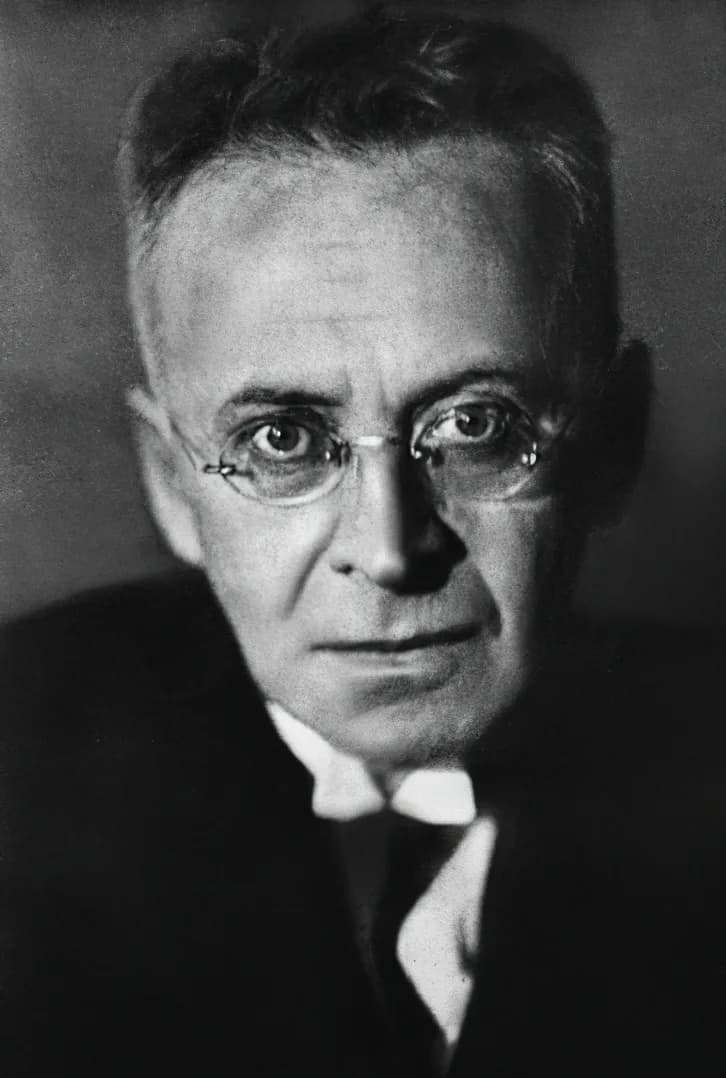
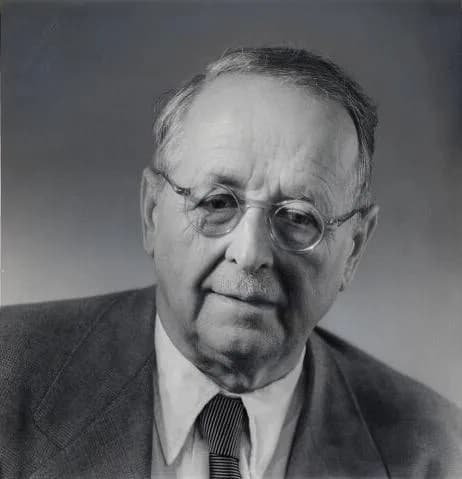
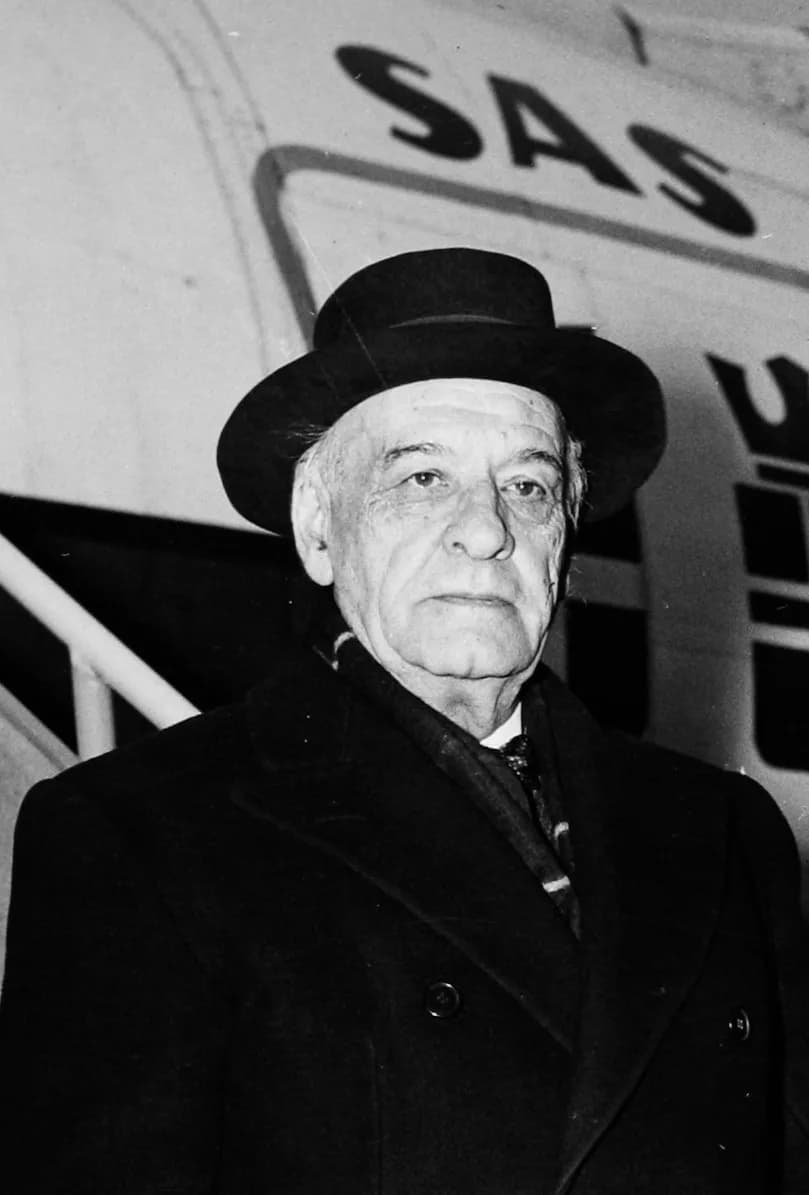
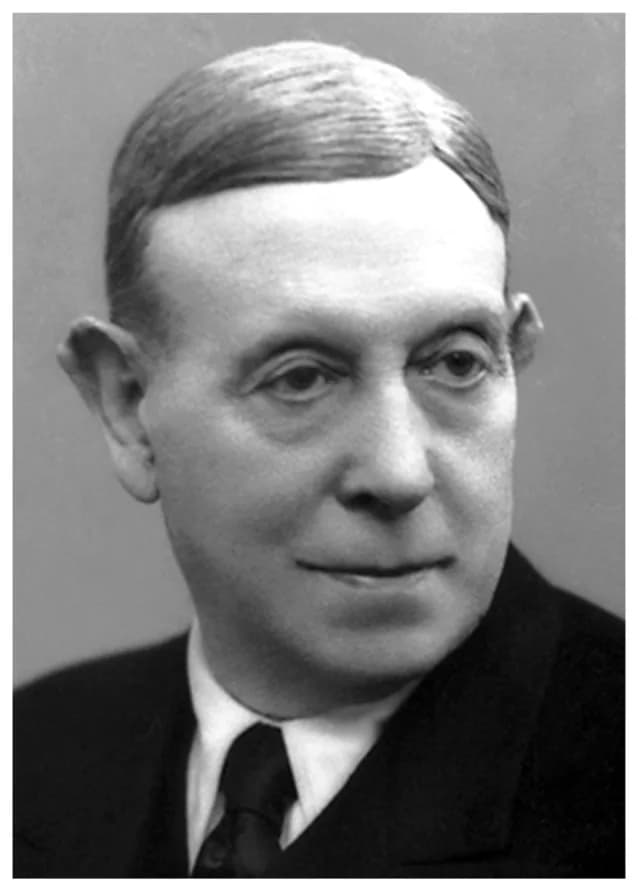
António Egas Moniz (1874–1955) was Portugal best known for Portuguese politian and neurosurgeon.
António Egas Moniz (November 29, 1874 – December 13, 1955) was a distinguished Portuguese neurologist and politician. He is celebrated for developing cerebral angiography and the leucotomy procedure, earning him the 1949 Nobel Prize. His contributions significantly shaped modern neurosurgery and psychiatry.
Une vie en moments
Les moments qui ont façonné une vie
Chapitre
Chapitres de vie
Chapitre 1 · 1874· Chapitre 1 sur 8
Opening
António Egas Moniz, born on November 29, 1874, in Avanca, Portugal, and who passed away on December 13, 1955, in Lisbon, Portugal, was a figure of profound significance in both the medical and political arenas of the 20th century. A distinguished Portuguese politician and neurosurgeon, his professional life was exceptionally broad, encompassing roles as a prolific writer, a dedicated physician, a skilled diplomat, a pioneering psychiatrist, an insightful neurologist, an influential university teacher, and a rigorous neuroscientist. His multifaceted career reflected an insatiable intellectual curiosity and a deep commitment to serving humanity through both scientific advancement and public policy.
Throughout his life, Moniz demonstrated an extraordinary capacity to bridge seemingly disparate fields, integrating his medical expertise with his political acumen. This unique combination allowed him to approach complex problems from multiple perspectives, leading to innovations that had far-reaching effects on the understanding and treatment of neurological disorders and mental health conditions. His contributions not only advanced medical science but also elevated Portugal's standing in the international scientific community, solidifying his legacy as one of his nation's most notable intellectuals and scientists.
Chapitre 2· Chapitre 2 sur 8
Early Life and Origins
António Egas Moniz's foundational years in the tranquil setting of Avanca, Portugal, laid the groundwork for a life destined for scholarly achievement and public engagement. Born into the late 19th century, a period characterized by significant scientific breakthroughs and evolving societal structures, he grew up in an environment ripe for intellectual development. This setting likely cultivated his keen observational skills and fostered an early inclination towards scientific inquiry, which would become hallmarks of his illustrious career.
His initial education was rigorous, preparing him for the demanding field of medicine, where he would eventually make his most indelible marks. The academic discipline instilled during these formative years equipped him with the critical thinking abilities and comprehensive knowledge base essential for a physician. It was during this time that the seeds of his future specializations in neurology and neurosurgery were implicitly sown, even as he was preparing for a broader role as a general medical practitioner.
Chapitre 3· Chapitre 3 sur 8
Career Beginnings
Moniz's distinguished career trajectory commenced with intensive medical training, which provided him with a robust understanding of human anatomy, physiology, and pathology. This early immersion in scientific study was crucial, establishing the foundational expertise necessary for his subsequent pioneering work in clinical practice and research. His initial experiences as a physician honed his diagnostic skills and deepened his commitment to patient care, principles that remained central throughout his professional journey.
Concurrently with his burgeoning medical pursuits, Moniz also began to actively engage in the political landscape, demonstrating an early aspiration to influence societal well-being beyond individual patient care. This dual path reflected his holistic view of human welfare, believing that advancements in public health and scientific knowledge were intrinsically linked to effective governance and international cooperation. His initial forays into politics complemented his medical work, showcasing a man determined to contribute on multiple fronts.
Chapitre 4· Chapitre 4 sur 8
Major Achievements and Career Highlights
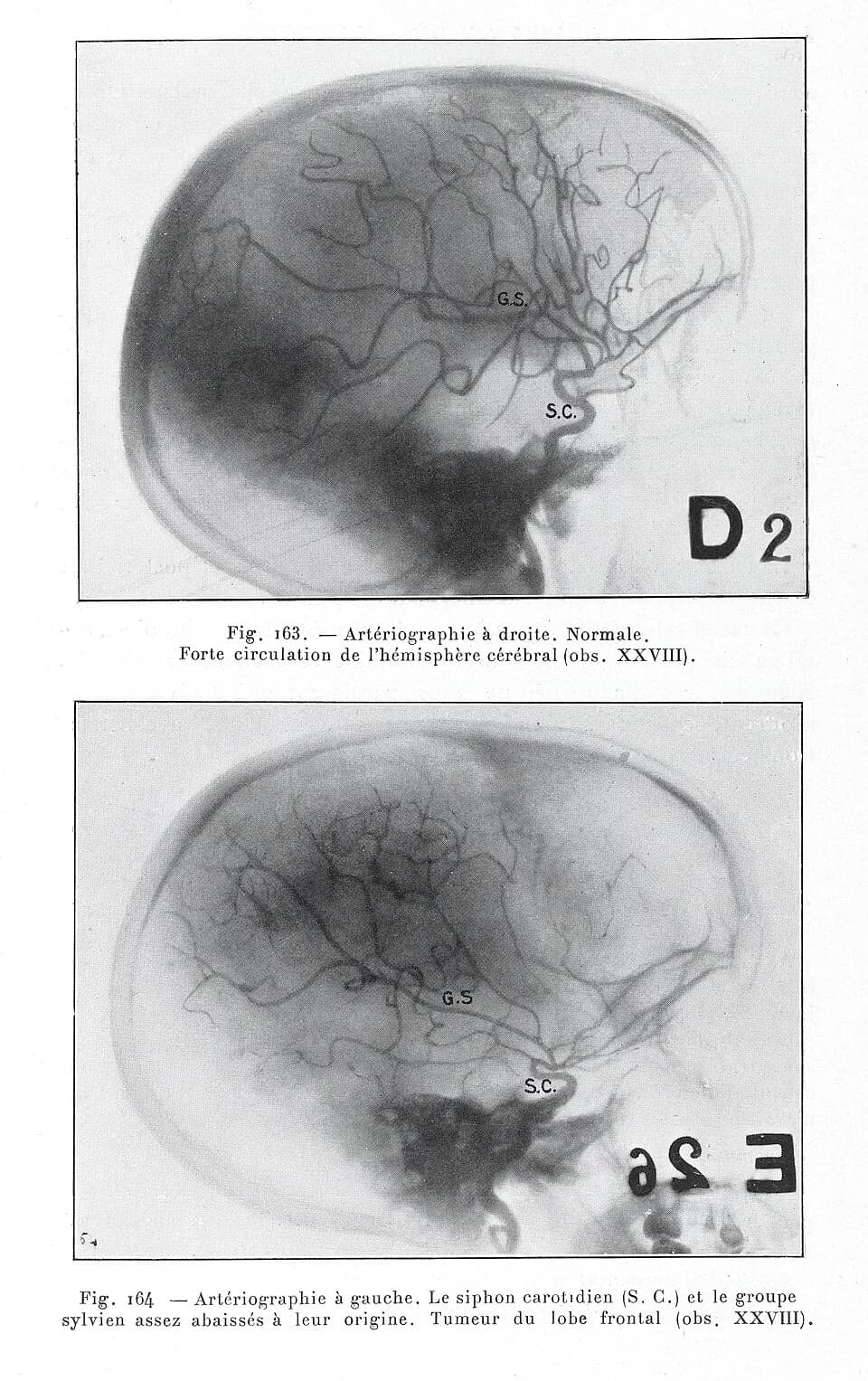
Among António Egas Moniz's most seminal contributions to medical science was the groundbreaking development of cerebral angiography. Introduced in the late 1920s, this revolutionary diagnostic technique enabled, for the very first time, the clear visualization of blood vessels within the human brain through X-ray imaging. This innovation was nothing short of a paradigm shift, providing an indispensable tool for accurately diagnosing a range of previously elusive conditions such as brain tumors, aneurysms, and arteriovenous malformations, thereby dramatically enhancing the precision of neurological diagnosis and treatment planning.
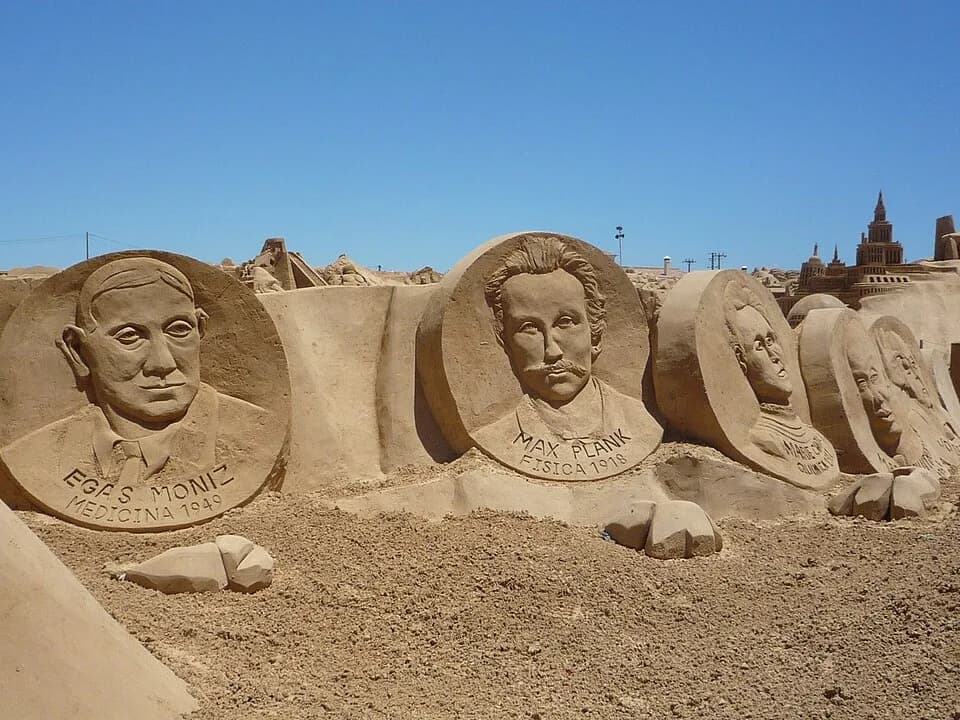
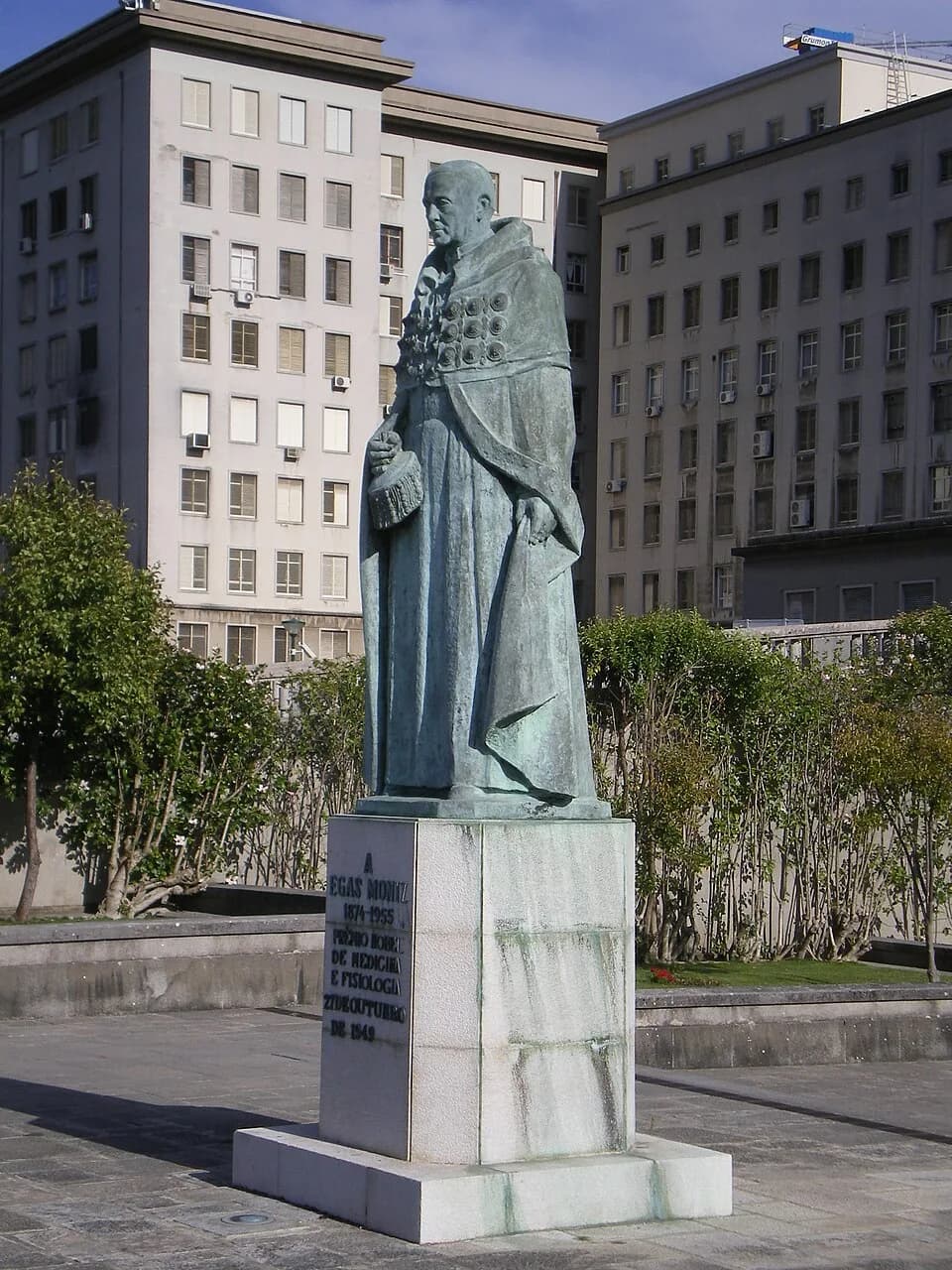
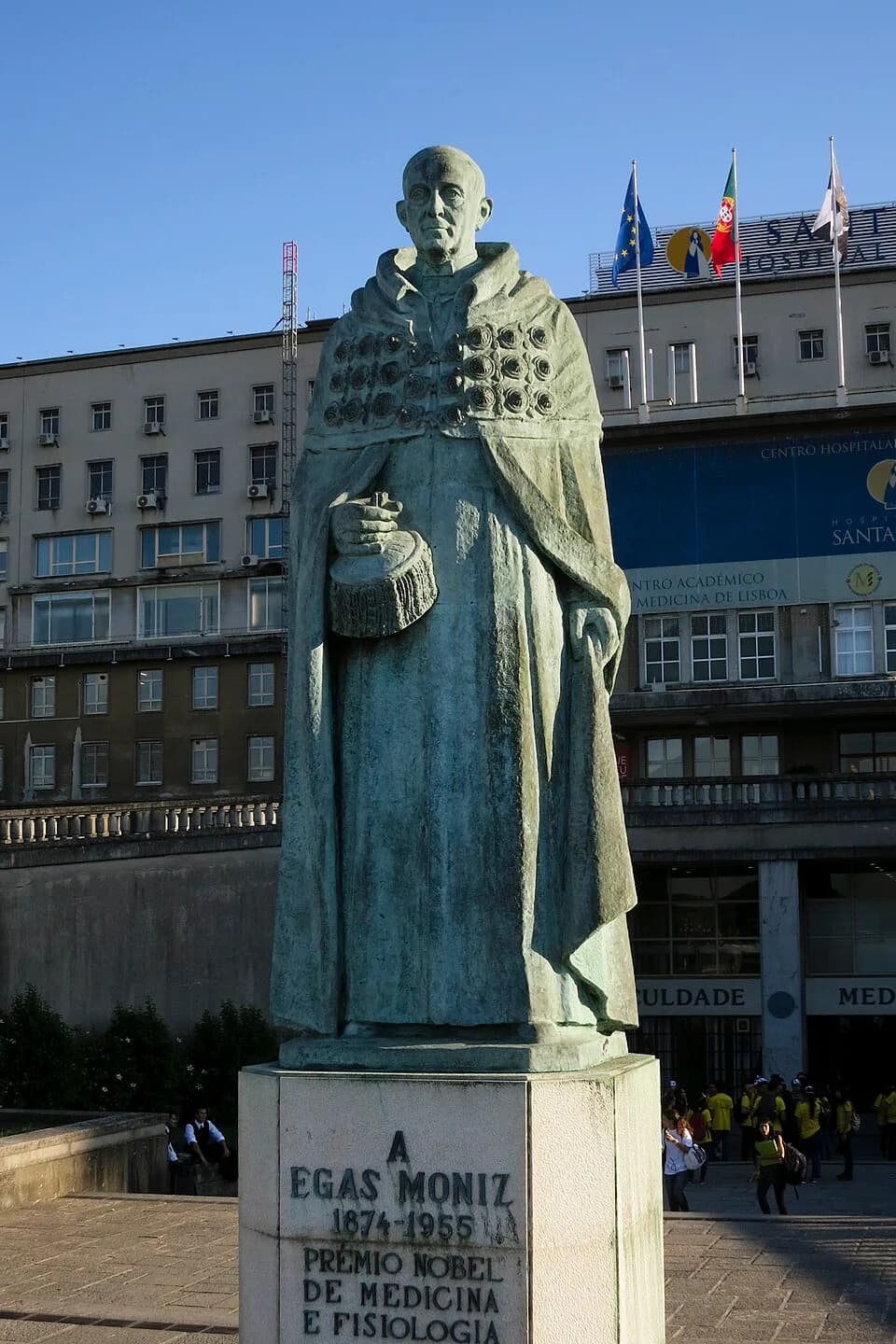
His status as a founder of modern psychosurgery was solidified by his development of the leucotomy procedure, a surgical intervention designed to treat severe mental disorders, more commonly recognized today as lobotomy. This procedure, introduced in the 1930s, involved severing specific nerve pathways in the brain's frontal lobe and represented a bold, though controversial, attempt to alleviate intractable psychiatric symptoms. The significance of this work was recognized globally when António Egas Moniz was awarded the Nobel Prize in Physiology or Medicine in 1949, making him the first Portuguese national to achieve this prestigious honor and acknowledging the profound influence of his contributions to the evolving field of psychiatric treatment.
Chapitre 5· Chapitre 5 sur 8
Personal Life
While detailed accounts of António Egas Moniz's personal and familial life remain less public than his professional accomplishments, his exceptionally diverse career offers compelling insights into the character and breadth of his individual interests. The dedication required to excel as a writer, for instance, speaks to an intellectual depth and a thoughtful disposition, indicative of someone who valued contemplation and the meticulous articulation of complex ideas. This aspect of his personality suggests a rich inner world, continuously engaged in synthesizing observations and expressing insights.
Furthermore, his distinguished service as a diplomat highlights not only his intellectual capacity but also his interpersonal skills and sophisticated understanding of international relations. These attributes point to a personality capable of navigating intricate social and political landscapes with grace and efficacy, extending his influence beyond the laboratory or operating theater. Collectively, his myriad professional engagements portray a person driven by an overarching desire for knowledge and contribution, shaping a life that was as intellectually expansive as it was publicly impactful.
Chapitre 6 · 1927· Chapitre 6 sur 8
Notable Works or Contributions
António Egas Moniz's primary and most enduring contributions to the medical world were undeniably his innovative diagnostic and surgical methodologies, which reshaped the capabilities of neurosurgery and psychiatry. His pioneering work on cerebral angiography, first detailed in 1927, revolutionized the ability of medical professionals to non-invasively study the cerebral vascular system. This technique, by enabling the precise localization of vascular anomalies and lesions, was crucial for advancements in brain surgery and for the accurate diagnosis of many neurological conditions, becoming an indispensable part of diagnostic medicine globally.
Equally significant, and more contentious, was his introduction of the leucotomy procedure, a form of psychosurgery, in 1936. This intervention aimed to treat severe mental illnesses when other therapeutic options had failed, reflecting the desperate need for effective treatments in psychiatry at the time. By targeting specific neural pathways, Moniz sought to alleviate debilitating symptoms, sparking both hope and considerable debate within the medical community. Despite the later re-evaluation of its long-term efficacy and ethical implications, the procedure represented a daring step in understanding the brain's role in mental health and initiated a new era in the treatment of psychiatric disorders, making a profound impression on the practice of neurosurgery.
Chapitre 7 · 1949· Chapitre 7 sur 8
Later Years
In his twilight years, António Egas Moniz continued to be a prominent figure whose intellectual and professional legacy resonated deeply within both medical and political circles. Even following the momentous recognition of his work with the Nobel Prize in 1949, his commitment to his respective fields remained unwavering, reflecting a lifelong dedication to inquiry and innovation. He continued to observe and contribute to the ongoing discussions surrounding neurological science and mental health treatment, demonstrating an enduring engagement with the evolving landscape of medicine.
His passing in Lisbon, Portugal, on December 13, 1955, brought to a close a long, productive, and ultimately impactful life. During these later years, while the implications and societal discussions around his work, particularly the leucotomy, continued to unfold and be rigorously debated, his fundamental contributions to neurology, his pioneering scientific spirit, and his dedication to advancing medical knowledge were consistently acknowledged and celebrated by his peers and by the nation he served with such distinction.
Chapitre 8· Chapitre 8 sur 8
Legacy and Impact
The enduring legacy of António Egas Moniz is both multifaceted and deeply influential, having irrevocably altered the trajectories of neurology and psychiatry. His development of cerebral angiography remains a foundational achievement in diagnostic imaging; while modern techniques have evolved, the core principle of visualizing the brain's vasculature for diagnostic purposes continues to be critical, directly tracing back to his initial innovation. This procedure alone ensured that his name would be etched into the annals of medical history for providing an invaluable tool to clinicians worldwide.
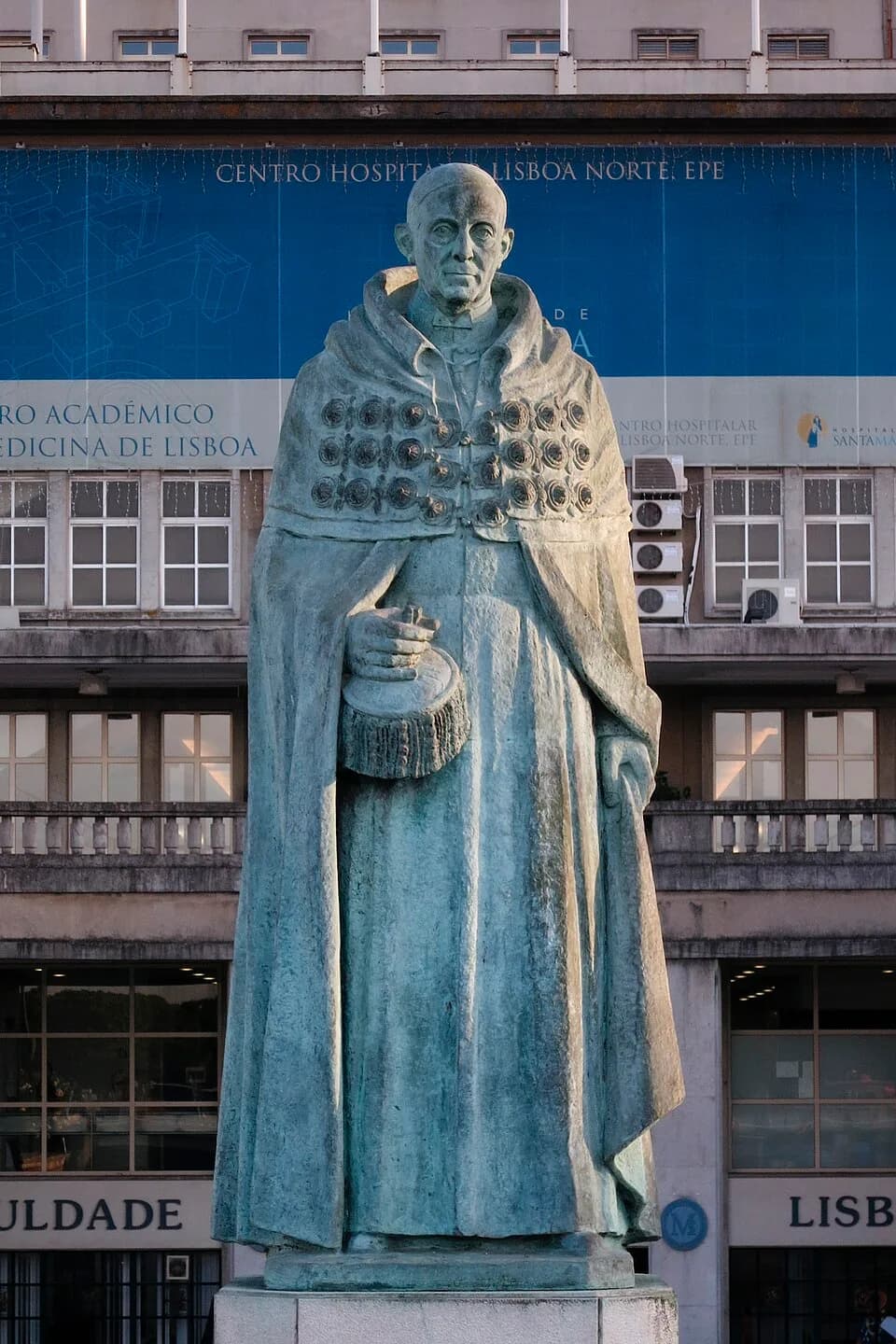
Furthermore, the leucotomy, or lobotomy, though its widespread use has since been curtailed due to advancements in pharmacology, psychotherapy, and changing ethical considerations, undeniably opened critical avenues of thought in the treatment of severe mental health conditions during a period of extremely limited therapeutic options. His work catalyzed intense scientific and societal discussions about the intricate relationship between the brain, human behavior, and the ethical frontiers of medical intervention. These discussions continue to inform contemporary approaches in psychosurgery, neuropsychiatry, and neuroethics. As the very first Portuguese national to receive a Nobel Prize, Moniz also left an indelible cultural and national mark, serving as an enduring symbol of Portuguese intellectual prowess and scientific excellence on a global scale.
FAQ
Questions fréquentes
Quand António Egas Moniz est-il/elle décédé(e) ?
António Egas Moniz est décédé(e) le 13 décembre 1955 à Lisbon, Portugal, à l'âge de 81 ans.
Où est né(e) António Egas Moniz ?
António Egas Moniz est né(e) à Avanca, Portugal le 29 novembre 1874.
Pour quoi António Egas Moniz est-il/elle le/la plus connu(e) ?
António Egas Moniz est surtout connu(e) pour Portuguese politian and neurosurgeon.
Quel âge avait António Egas Moniz à sa mort ?
António Egas Moniz avait 81 ans au moment de son décès.
Quelle était la nationalité de António Egas Moniz ?
António Egas Moniz était originaire de Portugal.
Chronologie
La vie en un coup d'œil
- 1874
Opening
- 1927
Notable Works or Contributions
- 1949
Later Years
Galerie photo
Une vie en images
Cliquez sur un polaroid pour l'agrandir · 24 photos
QR Code
Partager cette biographie
Imprimer et partager
Scannez pour visiter cette page biographique. Imprimez pour des événements, des expositions ou du matériel pédagogique.