Né(e)
August 29, 1920
Kansas City, United States
Décédé(e)
March 12, 1955
New York City, United States
Connu(e) pour
American jazz saxophonist
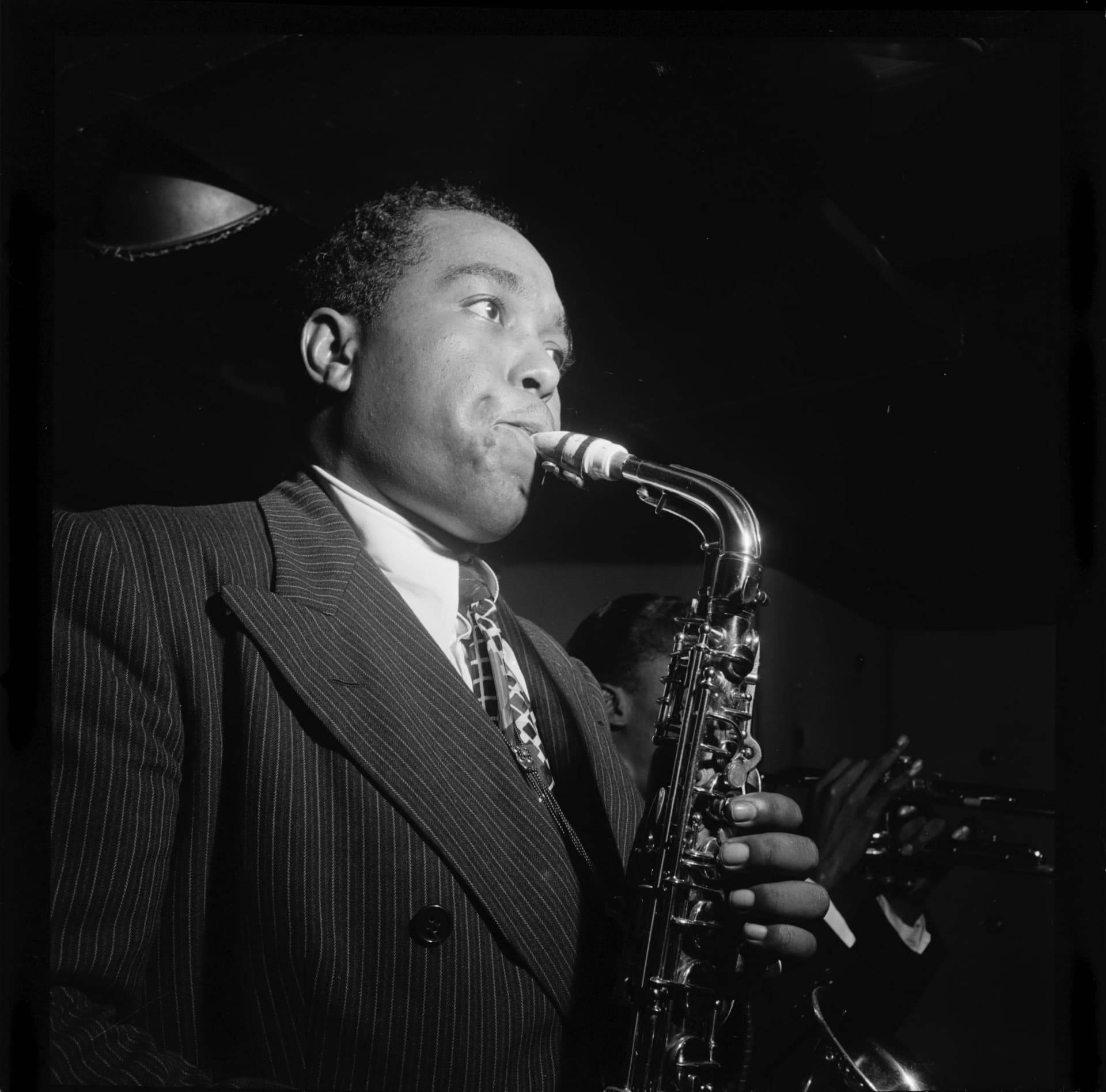
Charlie Parker (1920–1955) was United States best known for American jazz saxophonist.
Charlie Parker (August 29, 1920 – March 12, 1955) was an American jazz saxophonist and composer. He was a leading figure in the development of bebop, introducing revolutionary rhythmic and harmonic ideas. His virtuosic technique and innovative sound left an enduring legacy in jazz music.
Une vie en moments
Les moments qui ont façonné une vie
Chapitre
Chapitres de vie
Chapitre 1 · 1920· Chapitre 1 sur 6
Early Life and Origins
Charlie Parker's journey began in Kansas City, United States, where he was born on August 29, 1920. This vibrant musical city provided a fertile ground for his early development. The rich jazz scene of Kansas City undoubtedly shaped the foundational influences that would later emerge in his unique style.
Chapitre 2· Chapitre 2 sur 6
Career Beginnings
Parker quickly distinguished himself as a virtuoso, primarily playing the alto saxophone with unparalleled skill. His early career saw him dive into the revolutionary sounds that would soon define a new era of jazz. He rapidly became a leading figure in the burgeoning bebop movement, a form of jazz characterized by its fast tempos and complex improvisations.
Chapitre 3· Chapitre 3 sur 6
Major Achievements and Career Highlights
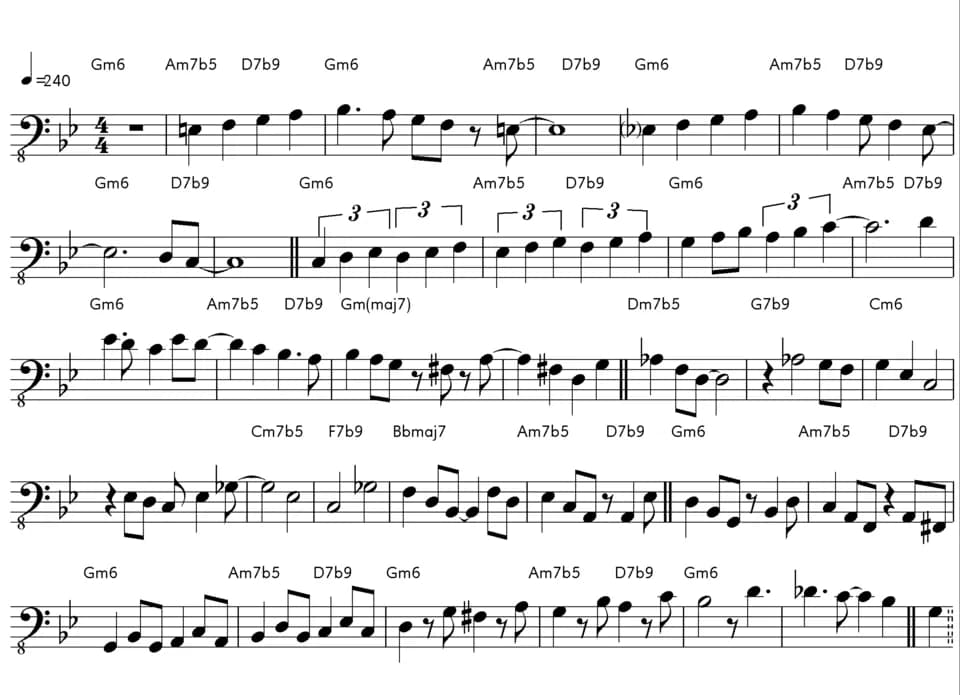
As a highly influential soloist, Charlie Parker was central to the development of bebop. He introduced groundbreaking rhythmic and harmonic ideas that fundamentally altered jazz improvisation. These innovations included rapid passing chords, new variants of altered chords, and sophisticated chord substitutions, all executed with a virtuosic technique.
His mastery extended to advanced harmonies, making his playing both technically dazzling and intellectually stimulating. Parker's contributions cemented his status as a musical pioneer, pushing the boundaries of what was thought possible in jazz. His work laid the groundwork for future generations of musicians exploring complex musical structures.
Chapitre 4 · 1949· Chapitre 4 sur 6
Notable Works and Contributions
Charlie Parker's extensive discography showcases his brilliant artistry across numerous recordings. Notable albums include Charlie Parker With Strings from 1949, demonstrating his versatility, and the iconic Bird and Diz released in 1952, a collaboration that further defined the bebop sound. Other significant recordings like Charlie Parker Sextet (1950) and Red Norvo's Fabulous Jam Session (1951) highlight his dynamic performances and innovative arrangements.
His influence spanned various jazz subgenres, notably jazz, bebop, and cool jazz. The albums South of the Border (1952) and Bird - Diz - Bud - Max (1953) captured his continued evolution and collaborative spirit. Even posthumous releases such as Charlie Parker Memorial Vol. 1 (1955) and The Charlie Parker Story (1956) served to amplify his incredible legacy, introducing his genius to new audiences years after his passing.
Chapitre 5 · 1955· Chapitre 5 sur 6
Later Years
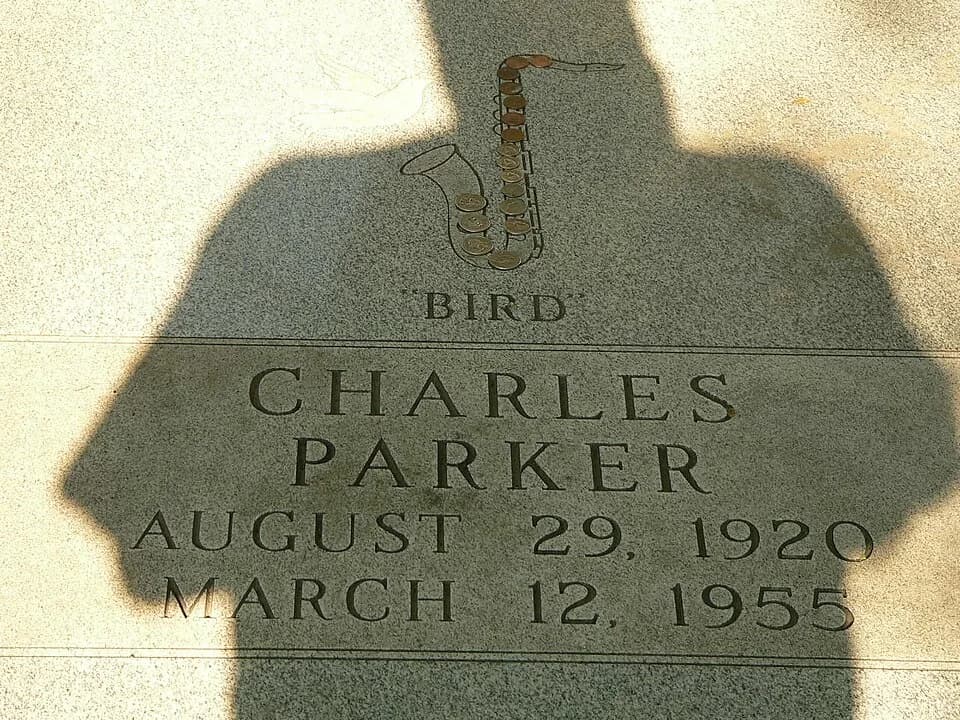
Charlie Parker's career, though relatively short, was incredibly prolific and impactful. He passed away prematurely on March 12, 1955, in New York City, United States. Despite his untimely death, the recordings he left behind ensured his musical spirit continued to inspire.
Chapitre 6· Chapitre 6 sur 6
Legacy and Impact
Charlie Parker's legacy in jazz is immense and continues to resonate today. He is credited with defining bebop, transforming it from an experimental style into a foundational element of modern jazz. His revolutionary approach to rhythm, harmony, and improvisation set a new standard for musical expression.
Musicians around the world continue to study his solos and compositions, recognizing him as a true innovator whose ideas remain fresh and challenging. Parker's influence extends far beyond the alto saxophone, shaping the very language of jazz and inspiring countless artists across all genres. His "Bird" legend lives on, a constant reminder of the power of artistic genius.
FAQ
Questions fréquentes
Quand Charlie Parker est-il/elle décédé(e) ?
Charlie Parker est décédé(e) le 12 mars 1955 à New York City, United States, à l'âge de 34 ans.
Où est né(e) Charlie Parker ?
Charlie Parker est né(e) à Kansas City, United States le 29 août 1920.
Pour quoi Charlie Parker est-il/elle le/la plus connu(e) ?
Charlie Parker est surtout connu(e) pour American jazz saxophonist.
Quel âge avait Charlie Parker à sa mort ?
Charlie Parker avait 34 ans au moment de son décès.
Quelle était la nationalité de Charlie Parker ?
Charlie Parker était originaire de United States.
Chronologie
La vie en un coup d'œil
Galerie photo
Une vie en images
Cliquez sur un polaroid pour l'agrandir · 21 photos
QR Code
Partager cette biographie
Imprimer et partager
Scannez pour visiter cette page biographique. Imprimez pour des événements, des expositions ou du matériel pédagogique.