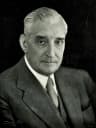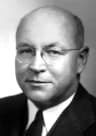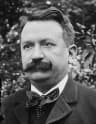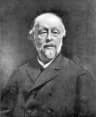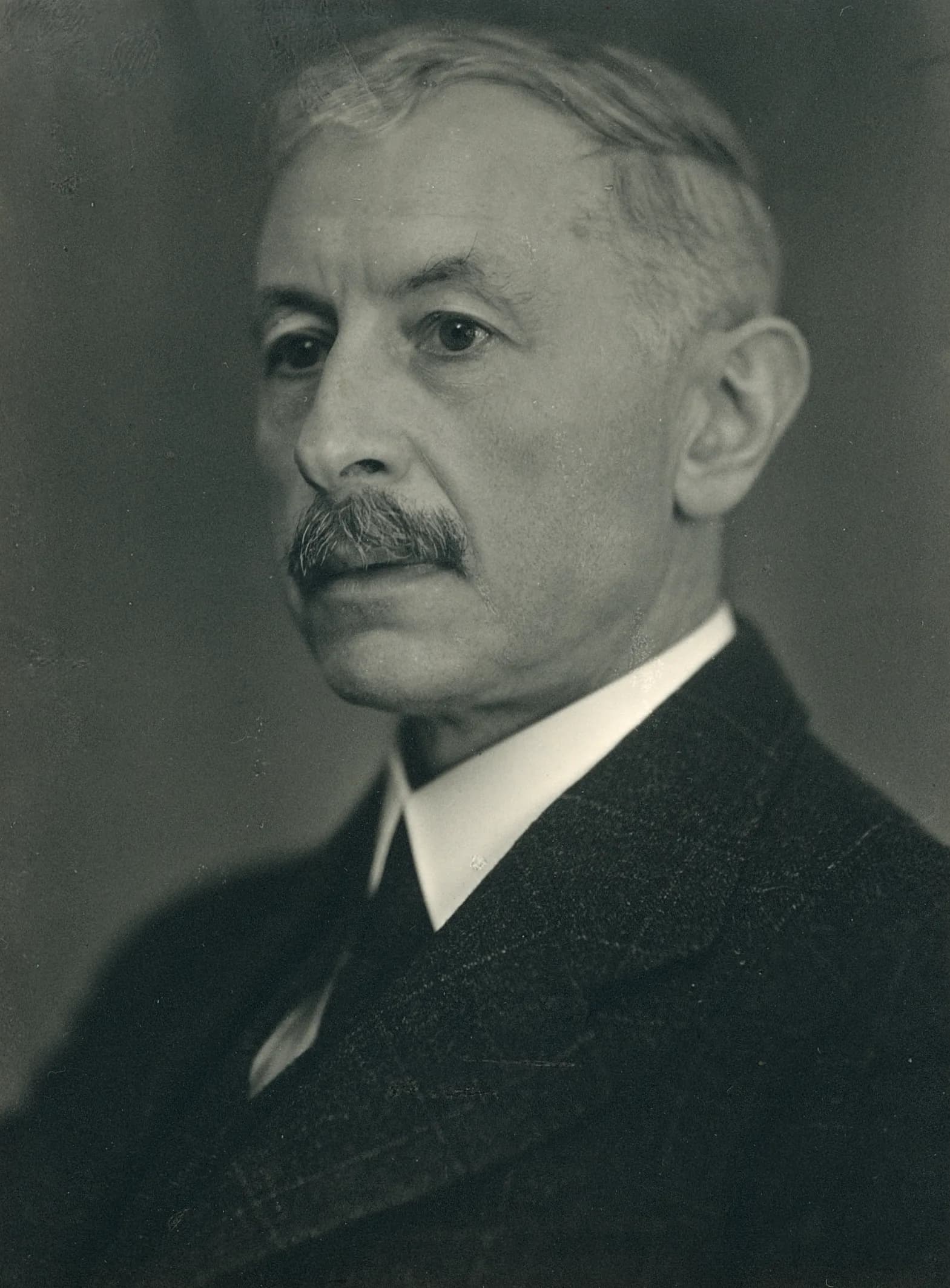
Born
April 21, 1889
Moscow, Duchy of Moscow
Died
June 18, 1971
Zurich, Switzerland
Known for
Swiss chemist
Paul Karrer (1889–1971) was Duchy of Moscow best known for Swiss chemist.
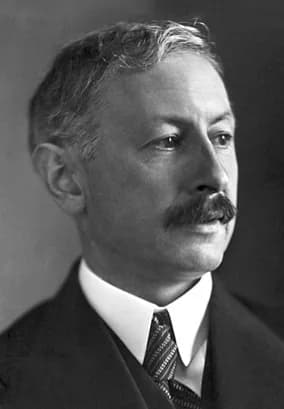
Paul Karrer (April 21, 1889 – June 18, 1971) was a distinguished Swiss chemist. He was awarded the 1937 Nobel Prize in Chemistry for his groundbreaking investigations on carotenoids, flavins, and vitamins A and B2. His fundamental research profoundly advanced the understanding of these crucial organic compounds and their roles in biochemistry.
Chapter
Life chapters
Chapter 1 · 1889· Chapter 1 of 9
Early Life and Origins
Born on April 21, 1889, in Moscow, then part of the historical Duchy of Moscow, Paul Karrer's early life began far from the Swiss scientific institutions where he would later achieve international fame. His formative years were spent in an environment that, while not explicitly detailed in available records, certainly prepared him for a rigorous academic and scientific path. He eventually became known as a prominent Swiss chemist, reflecting his later nationality and the country where much of his groundbreaking work was performed.
Chapter 2· Chapter 2 of 9
Career Beginnings
Karrer embarked on his professional journey as a chemist, rapidly distinguishing himself in the academic world shortly after completing his initial studies. He quickly established himself as a dedicated university teacher, a crucial role that allowed him to both conduct his own intensive research and mentor future generations of scientists. This early career phase as a biochemist and educator set the stage for his specialized investigations into complex organic compounds, particularly those vital for biological function and human health. His initial research pursuits demonstrated a keen interest in the fundamental chemical building blocks of life.
Chapter 3 · 1937· Chapter 3 of 9
Major Achievements and Career Highlights
The pinnacle of Paul Karrer's illustrious career arrived in 1937 when he was awarded the Nobel Prize in Chemistry. He shared this esteemed honor with British chemist Norman Haworth, recognizing their separate but equally significant contributions to the understanding of complex biological molecules. Karrer's specific citation from the Nobel Committee highlighted his extensive and meticulous investigations into the structure and synthesis of carotenoids, flavins, and the crucial vitamins A and B2. This prestigious award underscored the global importance and scientific rigor of his contributions to the burgeoning field of biochemistry.
Chapter 4· Chapter 4 of 9
The Carotenoid Breakthroughs
A significant portion of Karrer's Nobel Prize-winning work focused on carotenoids. These natural pigments, responsible for the vibrant yellow, orange, and red colors in many plants and fruits, held particular interest for him due to their biological activity. Karrer's research elucidated their precise chemical structures, a complex undertaking given the intricate nature of these organic molecules. His detailed analyses were fundamental to understanding how these compounds are metabolized and utilized by living organisms.
Chapter 5· Chapter 5 of 9
Elucidating Flavins and Vitamin B2
Karrer also made substantial contributions to the understanding of flavins. These organic compounds are essential for various metabolic processes as they form part of vital coenzymes like FAD (flavin adenine dinucleotide) and FMN (flavin mononucleotide). His investigations into flavins were closely linked to his work on Vitamin B2, also known as riboflavin. Karrer's team successfully determined the structure of riboflavin, a critical step toward understanding its biological role and developing methods for its synthesis.
Chapter 6· Chapter 6 of 9
Unlocking the Secrets of Vitamin A
Perhaps one of Karrer's most widely recognized achievements was his groundbreaking work on Vitamin A. He was instrumental in establishing the precise chemical structure of this fat-soluble vitamin, which is crucial for vision, immune function, and cell growth. Building on his work with carotenoids, which are precursors to Vitamin A, Karrer's efforts enabled a complete picture of its molecular composition. This understanding was vital for addressing Vitamin A deficiencies and developing nutritional supplements.
Chapter 7· Chapter 7 of 9
The Synthesis of Vitamins
Beyond structural elucidation, Karrer's laboratory was also a pioneer in the synthesis of vitamins. His ability to synthesize Vitamin A and Vitamin B2 in the laboratory was a monumental achievement. This synthetic capability meant that these vital nutrients could be produced reliably and in quantities sufficient for medical and nutritional applications, moving beyond sole reliance on natural extraction. His work transformed how essential nutrients were understood and made available, directly improving public health outcomes.
Chapter 8 · 1971· Chapter 8 of 9
Later Years and Continued Influence
Paul Karrer continued his distinguished career as a chemist and university teacher through his later years, maintaining an active and influential role in the scientific community. His research laboratory remained a hub of innovation, exploring new frontiers in organic chemistry and biochemistry. He passed away on June 18, 1971, in Zurich, Switzerland, the nation that became his academic home and the site of his most significant scientific triumphs. His enduring influence was felt through his numerous publications and the many students he inspired.
Chapter 9· Chapter 9 of 9
Legacy and Impact
Paul Karrer's lasting legacy is that of a scientific giant who fundamentally reshaped the understanding of vitamins and other vital organic compounds. His Nobel Prize-winning research established foundational knowledge about carotenoids, flavins, and the precise structures of vitamins A and B2. This comprehensive work was instrumental in advancing the fields of organic chemistry and biochemistry, providing critical insights and methodologies that continue to influence nutritional science, medicine, and pharmaceutical development. Karrer's meticulous approach and dedication to elucidating complex molecular structures solidified his position as one of the twentieth century's most important chemists, ensuring his impact endures generations later and continues to inform modern scientific inquiry.
A life in moments
The moments that shaped a life


FAQ
Frequently asked
When did Paul Karrer die?
Paul Karrer died on June 18, 1971 in Zurich, Switzerland, at the age of 82.
Where was Paul Karrer born?
Paul Karrer was born in Moscow, Duchy of Moscow on April 21, 1889.
What is Paul Karrer best known for?
Paul Karrer is best known for Swiss chemist.
How old was Paul Karrer when they died?
Paul Karrer was 82 years old at the time of death.
What nationality was Paul Karrer?
Paul Karrer was from Duchy of Moscow.
Timeline
Life at a glance
Photo gallery
A life in pictures
Click any polaroid to expand · 40 photos
QR Code
Share This Biography
Print & Share
Scan to visit this biography page. Print for events, exhibitions, or educational materials.