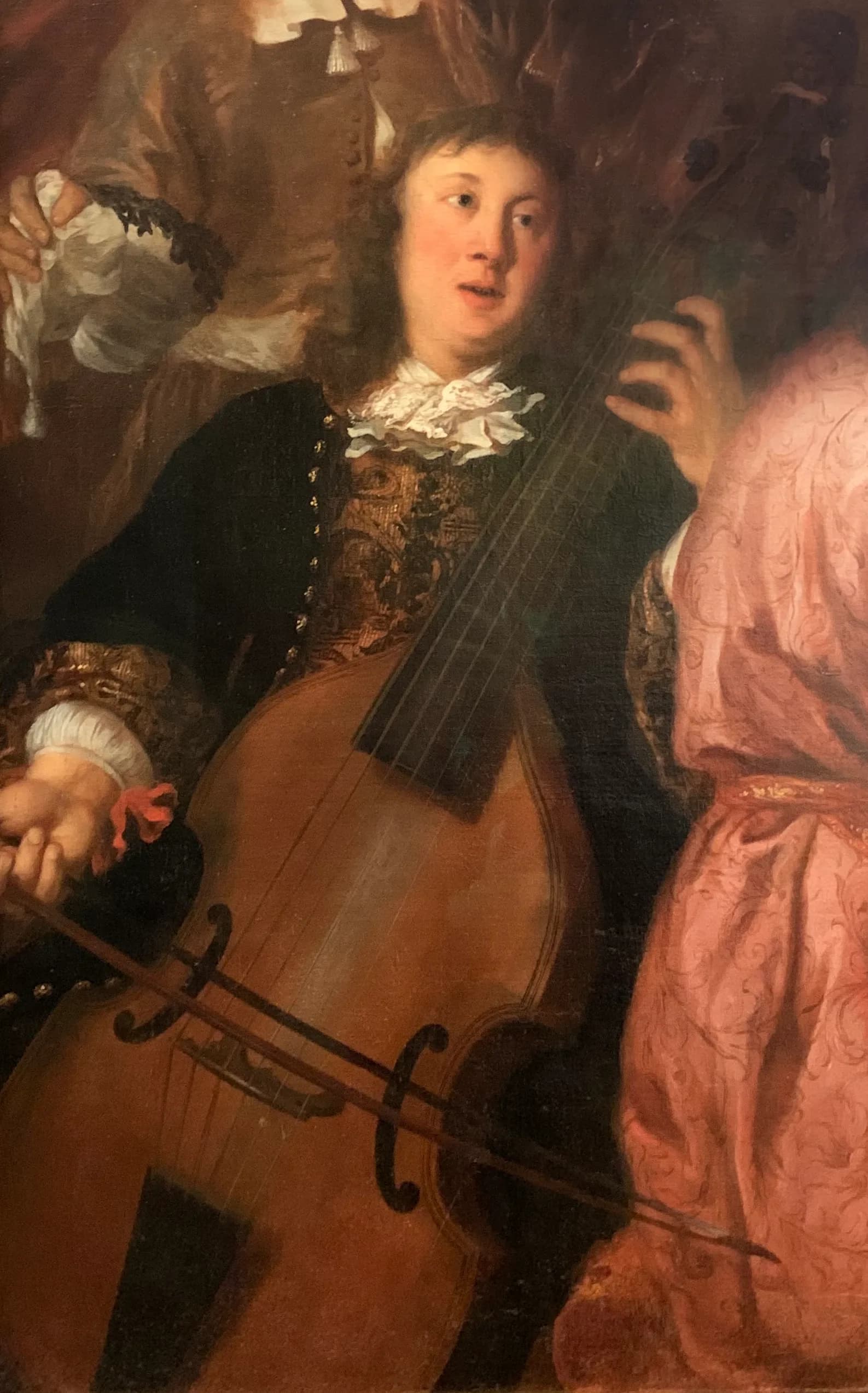
Born
January 1, 1637
Helsingborg, Sweden
Died
May 9, 1707
Lübeck, Germany
Known for
Danish-German organist and composer
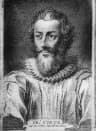
Dietrich Buxtehude (1637–1707) was Sweden best known for Danish-German organist and composer.
Dietrich Buxtehude (January 1, 1637 – May 9, 1707) was a Danish-German organist and composer of the middle Baroque era. His works significantly influenced later composers like Bach and Handel, cementing his reputation as one of the most important composers of the 17th century. His extensive contributions to the North German organ school continue to be celebrated.
Chapter
Life chapters
Chapter 1 · 1637· Chapter 1 of 8
Remembering Dietrich Buxtehude
Dietrich Buxtehude (1637–1707) was an eminent Danish-German organist and composer, a towering figure of the middle Baroque era. His contributions as a church musician, composer, and organist solidified his place among the most important musical minds of the 17th century. Buxtehude's innovative style and extensive body of work continue to be celebrated and studied today, influencing countless musicians across generations.
Chapter 2 · 1637· Chapter 2 of 8
Early Life and Origins
Born on January 1, 1637, in Helsingborg, Sweden, Dietrich Buxtehude's early life was steeped in the rich musical traditions of the North German region. His upbringing in this vibrant cultural landscape undoubtedly shaped his artistic sensibilities from a young age. The environment provided a fertile ground for the development of his extraordinary talents.
Helsingborg, strategically located, connected him to the broader musical currents of both Danish and German territories. This dual heritage would later define his identity as a Danish-German master. His foundational years laid the groundwork for a career that would span decades and leave an indelible mark on classical music history.
Chapter 3· Chapter 3 of 8
Career Beginnings
Buxtehude's professional journey began as a dedicated church musician, organist, and composer. These roles were intertwined, allowing him to hone his skills in performance and composition within the sacred context of the church. He quickly established himself as a virtuoso organist, renowned for his technical prowess and expressive interpretations.
His early work showed signs of the distinctive style that would characterize the North German organ school, a tradition he would come to exemplify. Through diligent practice and creative exploration, Buxtehude laid the groundwork for a legacy of groundbreaking compositions. His commitment to his craft was evident in every aspect of his burgeoning career.
Chapter 4· Chapter 4 of 8
Major Achievements and Career Highlights
Dietrich Buxtehude is widely regarded as one of the most important composers of the 17th century, a distinction earned through his vast and influential output. His musical genius transcended various vocal and instrumental idioms, showcasing a versatile command of composition. He masterfully integrated different styles and forms, creating works that were both technically demanding and deeply expressive.
A testament to his genius is the profound impact he had on subsequent generations of composers, including monumental figures like Johann Sebastian Bach and George Frideric Handel. These masters of the Baroque era drew inspiration from Buxtehude's innovative techniques and thematic developments. His stylistic innovations helped shape the course of Western classical music for centuries to come.
His compositions for organ, in particular, remain central to the repertoire, demonstrating a unique blend of technical brilliance and profound spiritual depth. Buxtehude's ability to imbue his music with both intricate counterpoint and emotional resonance set him apart. His career was marked by continuous creativity and a steadfast dedication to musical excellence.
Chapter 5· Chapter 5 of 8
Personal Life
While Dietrich Buxtehude's professional life as an organist and composer is well-documented, specific intimate details of his personal life, family, and relationships are not extensively recorded. Information about his interests beyond his profound musical endeavors remains largely private or unpreserved through historical accounts. His public identity was primarily defined by his extraordinary contributions to music.
What is clear, however, is that his dedication to his craft absorbed a significant portion of his life and energy. His musical legacy speaks volumes about his character and focus. Despite the lack of extensive personal anecdotes, his rich body of work offers a deep insight into his creative spirit and artistic soul.
Chapter 6· Chapter 6 of 8
Notable Works or Contributions
Buxtehude's body of work encompasses a diverse range of genres, from powerful organ pieces to eloquent vocal compositions. His music is typical of the North German organ school, known for its grand scale and expressive qualities. He composed extensively for the organ, creating intricate preludes, fugues, and chorale fantasias that remain cornerstones of the instrument's repertoire.
Among his most celebrated vocal works is "Membra Jesu Nostri," a cycle of seven cantatas meditating on the crucified body of Christ. This work exemplifies his ability to craft deeply moving and spiritually resonant music. The breadth of his compositions, including instrumental pieces and various sacred vocal works, showcased his mastery across different musical forms.
His discography, which continues to grow, includes notable recordings such as "Dietrich Buxtehude" (1988), "Works for Organ" (1993), and the aforementioned "Membra Jesu Nostri" (2006). Older recordings like "Music of Buxtehude / Lutenist Songs" (1956) and "Master Works For Organ Volume 6 - Dietrich Buxtehude" (1968) attest to the enduring appeal of his music. Albums like "Das Orgelwerk - Folge 1" and the four volumes of "L'œuvre d'orgue" (1972, 1973) highlight the sustained interest in his complete organ works, all firmly within the classical music genre.
Chapter 7· Chapter 7 of 8
Later Years
Dietrich Buxtehude remained active and influential throughout his later years, continuing to compose and perform. His presence in the musical landscape of Lübeck, Germany, where he spent a significant portion of his career, was central. He maintained his esteemed position as a leading musician and composer until the end of his life.
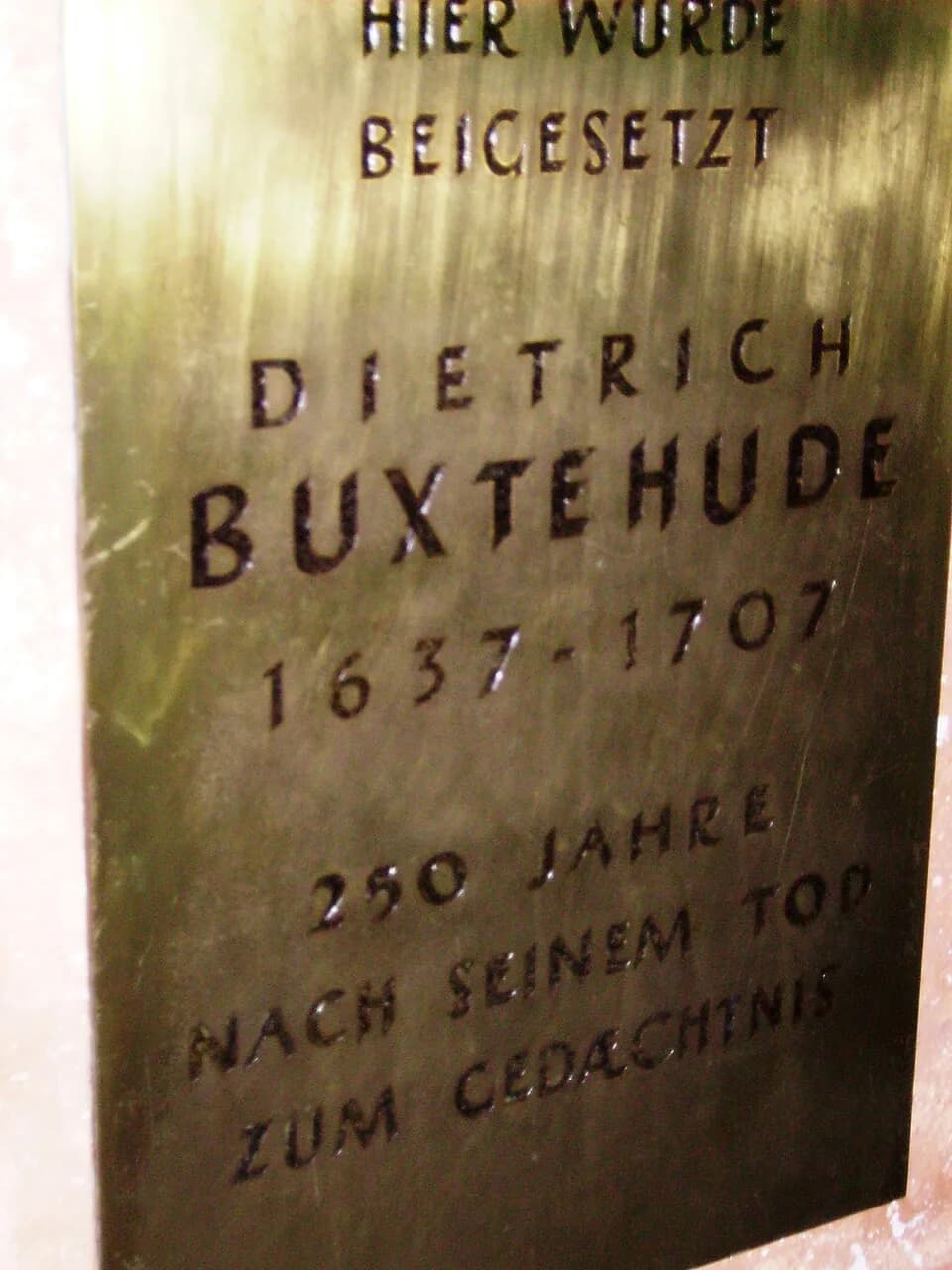
He passed away on May 9, 1707, in Lübeck, Germany, leaving behind an extraordinary musical heritage. His final years were a testament to a life fully devoted to artistic creation and the advancement of music. The enduring power of his compositions ensures his spirit lives on through sound.
Chapter 8· Chapter 8 of 8
Legacy and Impact
Dietrich Buxtehude's legacy as a composer and organist is immense, placing him firmly among the giants of the Baroque era. His innovative approach to composition, particularly within the North German organ school, expanded the possibilities of classical music. He created a body of work that continues to inspire and challenge musicians and listeners alike.
His influence on composers such as Johann Sebastian Bach and George Frideric Handel underscores his pivotal role in shaping the trajectory of Western classical music. Buxtehude's music is not merely a historical artifact; it is a vibrant, living tradition that continues to be performed and cherished globally. His contributions ensure his memory endures as one of history's great musical minds.
A life in moments
The moments that shaped a life
FAQ
Frequently asked
When did Dietrich Buxtehude die?
Dietrich Buxtehude died on May 9, 1707 in Lübeck, Germany, at the age of 70.
Where was Dietrich Buxtehude born?
Dietrich Buxtehude was born in Helsingborg, Sweden on January 1, 1637.
What is Dietrich Buxtehude best known for?
Dietrich Buxtehude is best known for Danish-German organist and composer.
How old was Dietrich Buxtehude when they died?
Dietrich Buxtehude was 70 years old at the time of death.
What nationality was Dietrich Buxtehude?
Dietrich Buxtehude was from Sweden.
Timeline
Life at a glance
Photo gallery
A life in pictures
Click any polaroid to expand · 47 photos
QR Code
Share This Biography
Print & Share
Scan to visit this biography page. Print for events, exhibitions, or educational materials.