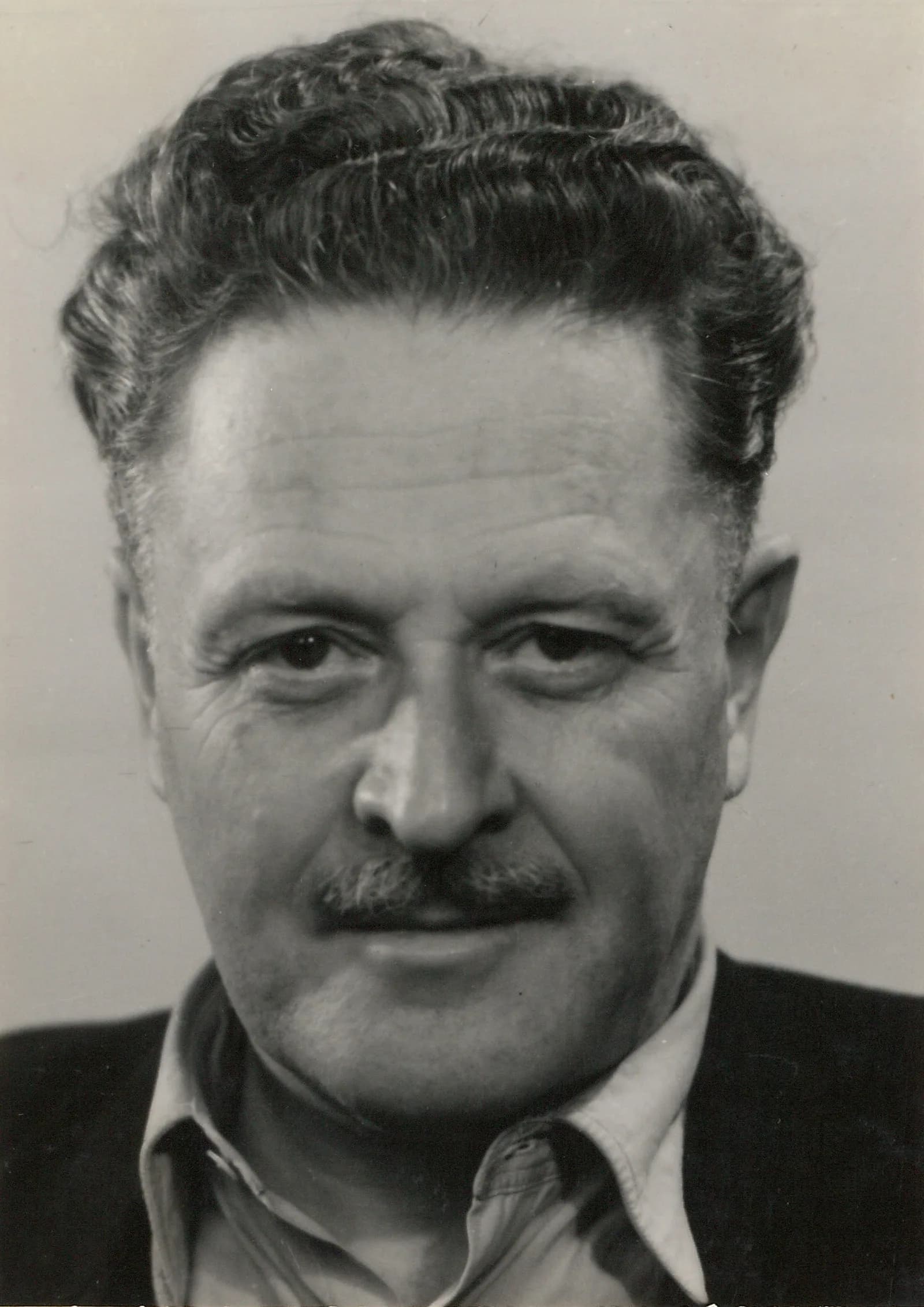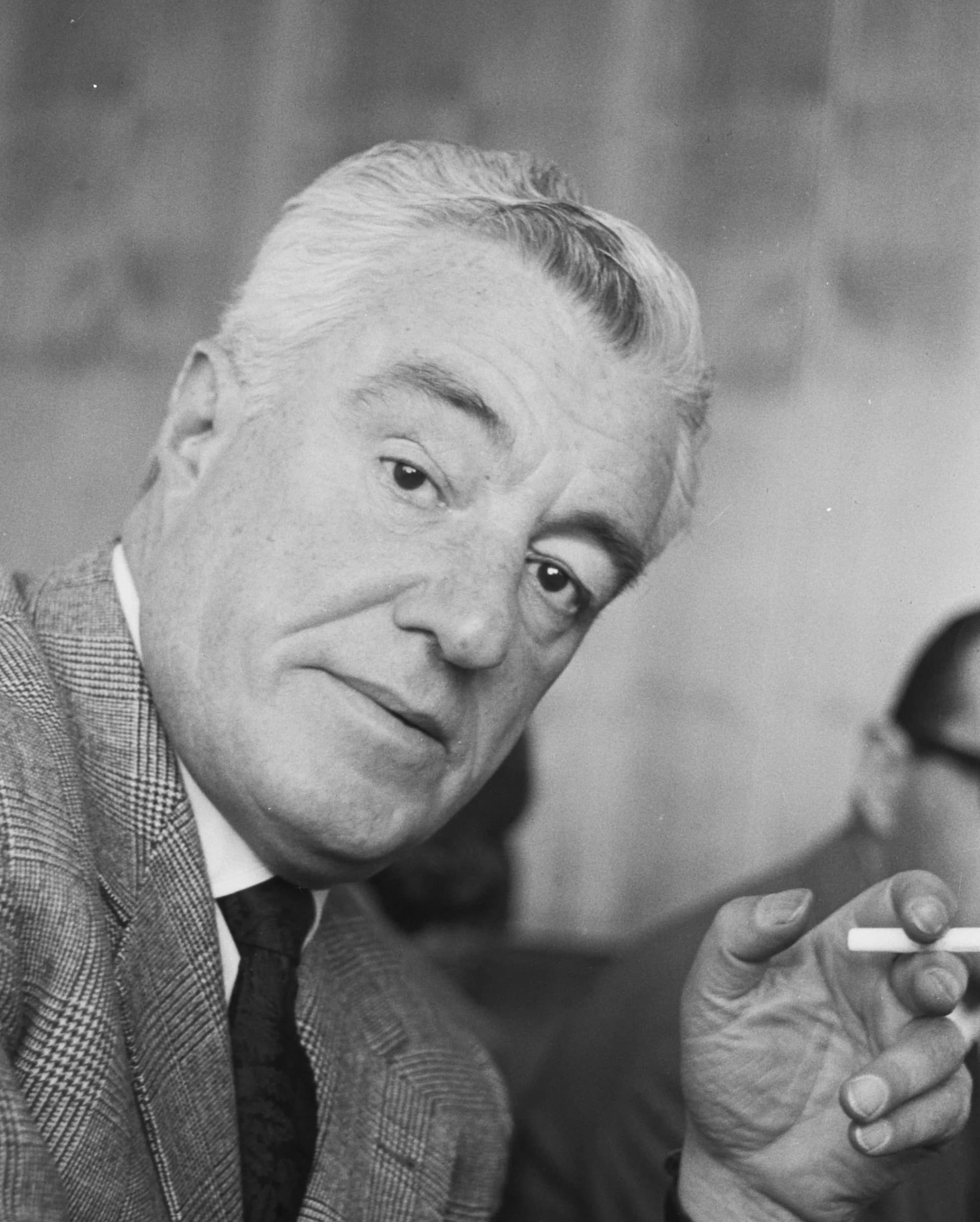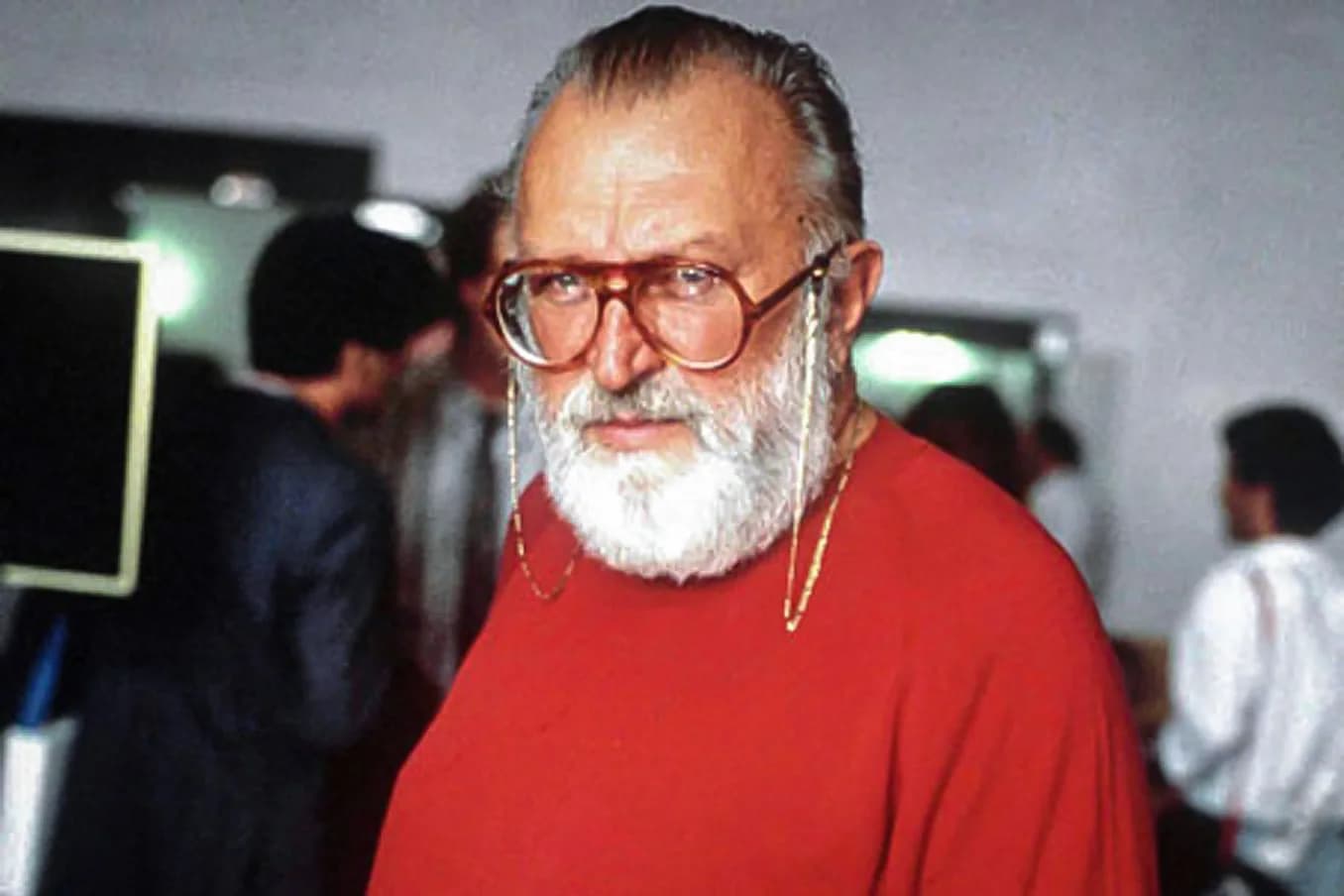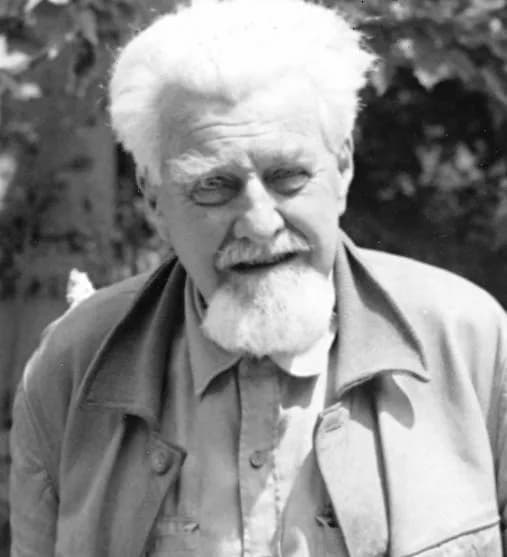
Born
April 29, 1901
Akasaka Estate, Japan
Died
January 7, 1989
Tokyo Imperial Palace, Japan
Known for
Emperor of Japan from 1926 to 1989
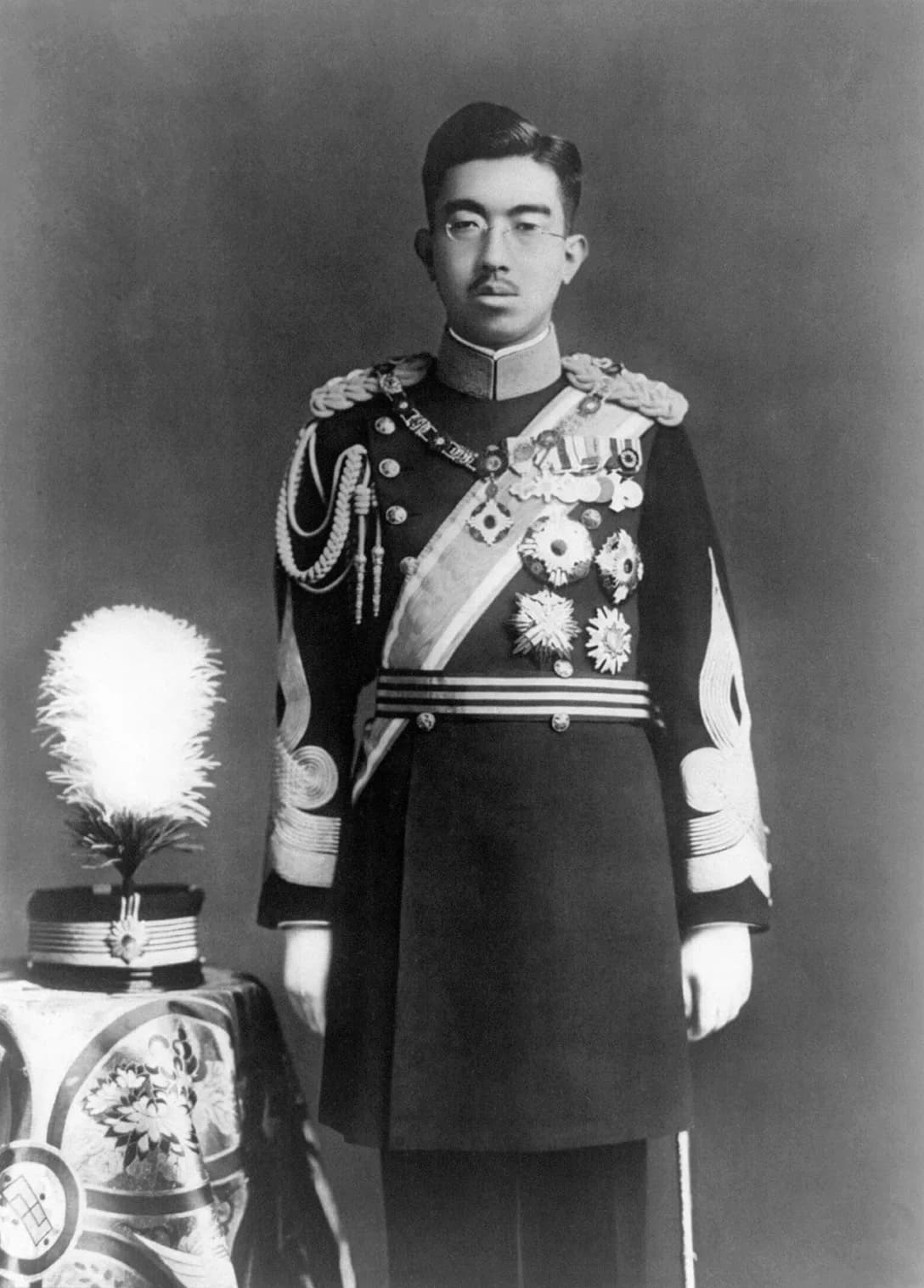
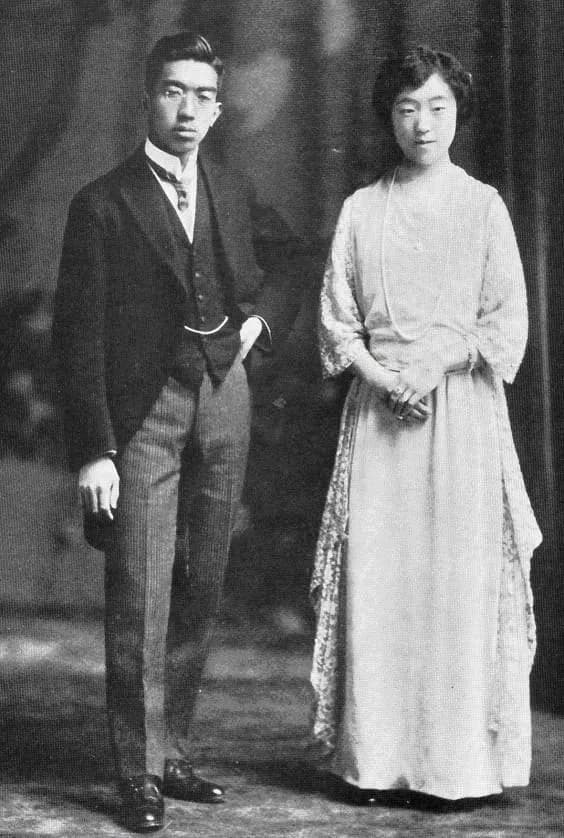
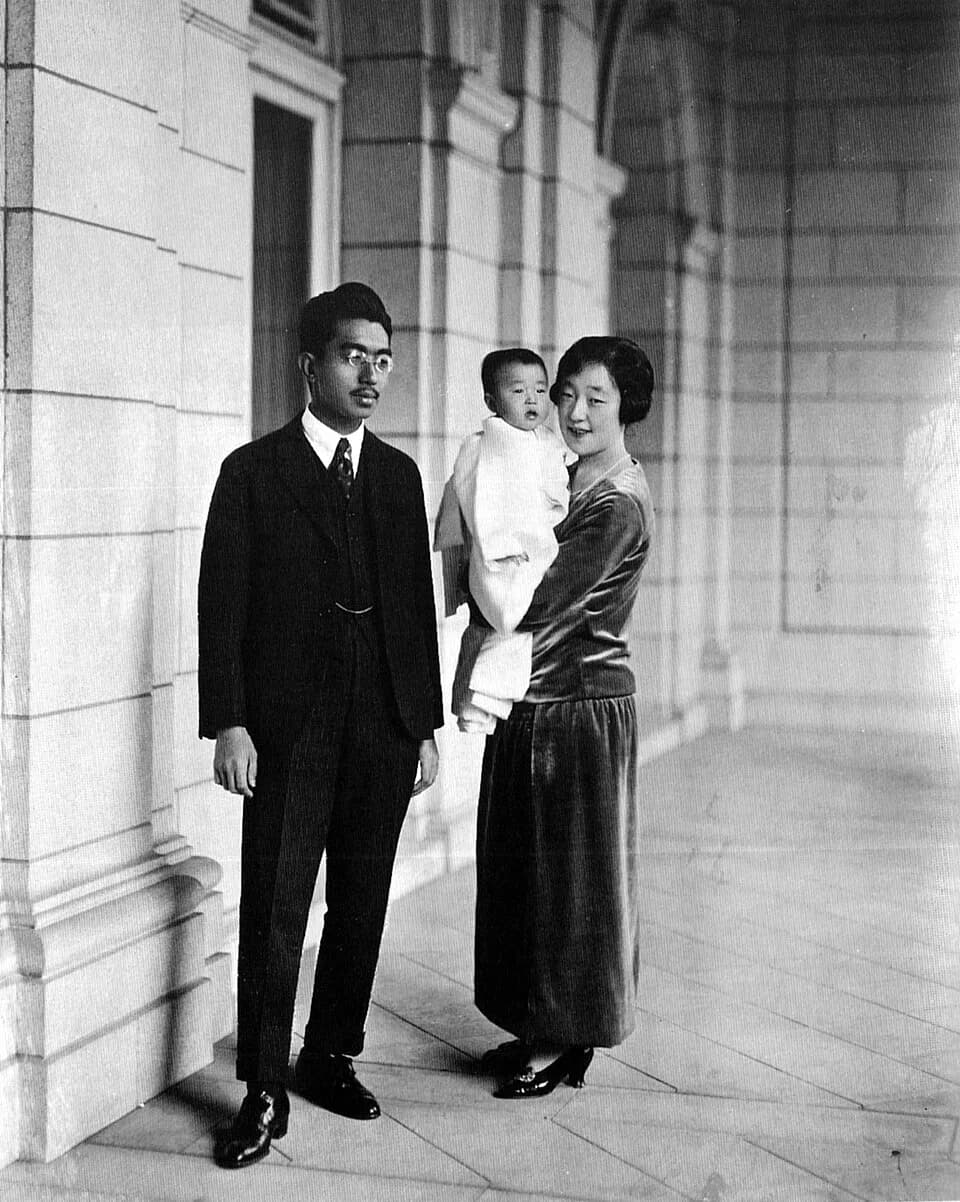
Hirohito Hirohito (April 29, 1901 – January 7, 1989) was the Emperor of Japan from 1926 to 1989. He was the longest-reigning emperor in Japanese history, overseeing World War II and the nation's postwar economic miracle. His leadership guided Japan through decades of profound change.
A life in moments
The moments that shaped a life
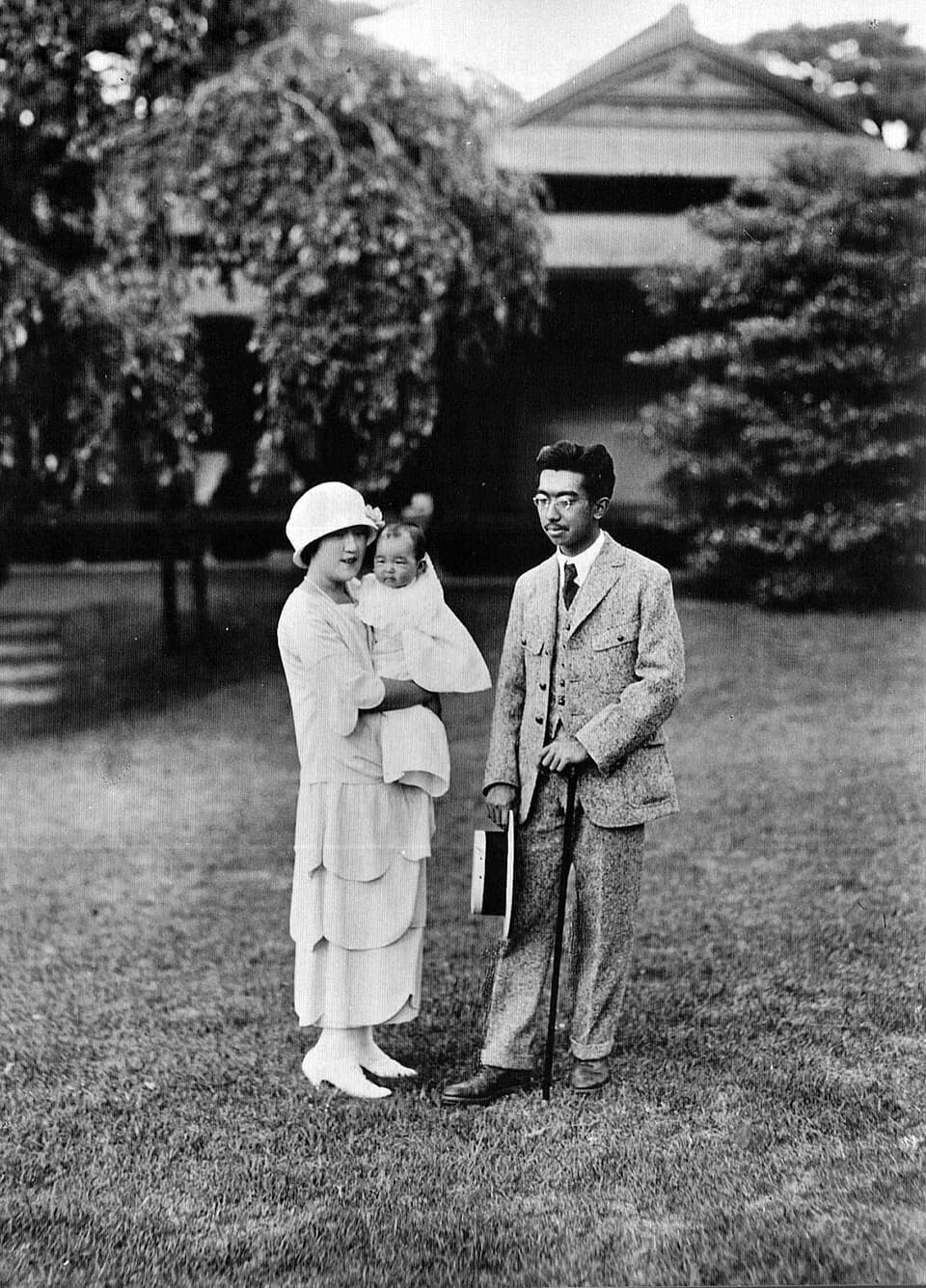
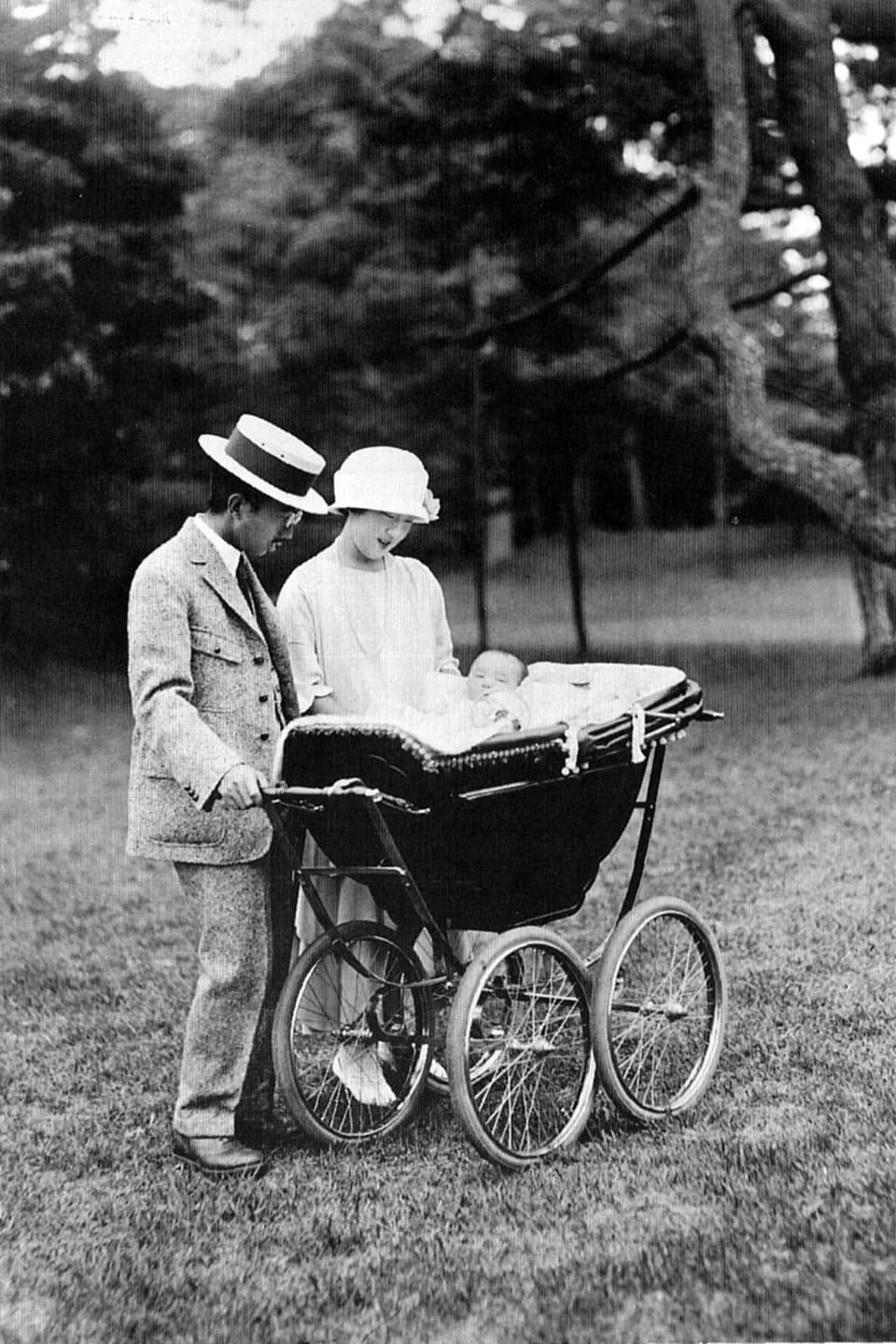
Chapter
Life chapters
Chapter 1 · 1901· Chapter 1 of 9
Early Life and Origins
Born into the Japanese imperial family, Hirohito Hirohito's early life began at the Akasaka Estate in Japan on April 29, 1901. This upbringing within the imperial household established his path from an early age. As an aristocrat, his education and environment would have been shaped by the traditions and expectations of his eminent position.
Chapter 2 · 1926· Chapter 2 of 9
Ascension and Early Reign
Hirohito Hirohito ascended to the Chrysanthemum Throne in 1926, marking the beginning of the Shōwa era. He became the 124th Emperor of Japan according to the traditional order of succession. His reign commenced during a period of rising global tensions and significant changes within Japan.
Chapter 3· Chapter 3 of 9
A Reign of Historical Turmoil
As emperor, Hirohito Hirohito presided over an extremely turbulent and consequential period in Japanese history. He oversaw the rise of Japanese militarism, which dramatically reshaped the nation's political and social landscape. His leadership continued through the complex events leading into the Second Sino-Japanese War.
His reign further encompassed the challenging years of the Asia-Pacific theater of World War II, a conflict that brought widespread devastation. Throughout these major conflicts, his role as Emperor was central to the national identity and direction of Japan. He guided the nation through immense wartime struggles.
Chapter 4· Chapter 4 of 9
Postwar Transformation and Economic Revival
Following the conclusion of World War II, Hirohito Hirohito continued to lead Japan through its recovery. He is recognized for presiding over the nation's remarkable postwar economic miracle. Under his leadership, Japan rebuilt and emerged as a major economic power on the global stage, showcasing a period of extraordinary growth and modernization.
Chapter 5· Chapter 5 of 9
A Passion for Science
Beyond his imperial responsibilities, Hirohito Hirohito held a deep personal interest in the natural sciences. He dedicated himself to pursuits as a zoologist and a marine biologist. This intellectual curiosity extended to his role as a scientific collector, indicating a hands-on engagement with scientific study.
His efforts in these fields reflected a genuine commitment to understanding the natural world. While specific published works are not detailed in the available information, his active engagement in marine biology and as a scientific collector demonstrates a significant personal contribution outside his political life. This passion for science offered another dimension to his public persona.
Chapter 6· Chapter 6 of 9
Diplomat and Military Figure
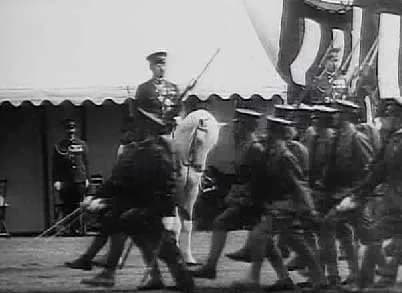
In his official capacity, Hirohito Hirohito also served as a diplomat, representing Japan on various international stages. As a military personnel, he held a significant role within the nation's armed forces, especially during the wartime periods. These duties underlined his multifaceted responsibilities as the head of state.
Chapter 7 · 1926· Chapter 7 of 9
Longest-Reigning Monarch
Hirohito Hirohito’s reign, spanning from 1926 until his death in 1989, made him the longest-reigning emperor in Japanese history. His tenure of 63 years also places him among the longest-reigning monarchs in the world. This extensive period of leadership saw Japan transition through several distinct historical phases.
Chapter 8 · 1989· Chapter 8 of 9
Later Years
His long and impactful reign concluded with his passing on January 7, 1989, at the Tokyo Imperial Palace in Japan. He remained an active Emperor until his final days, symbolizing continuity and stability for the Japanese people. His death marked the end of an era that had witnessed unparalleled change.
Chapter 9· Chapter 9 of 9
Legacy and Impact
The legacy of Hirohito Hirohito is defined by the extraordinary length of his reign and the monumental changes Japan experienced under his leadership. He navigated Japan through periods of militaristic expansion, devastating global conflict, and subsequent economic resurgence. His enduring presence provided a constant through times of immense national upheaval.
His leadership profoundly shaped modern Japan, from its pre-war trajectory to its postwar identity as a peaceful and prosperous nation. Hirohito Hirohito's unique blend of imperial duty and scientific passion leaves a lasting historical imprint, solidifying his place as a pivotal figure in 20th-century history.
Timeline
Life at a glance
Photo gallery
A life in pictures
Click any polaroid to expand · 45 photos
QR Code
Share This Biography
Print & Share
Scan to visit this biography page. Print for events, exhibitions, or educational materials.