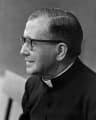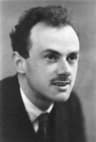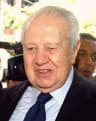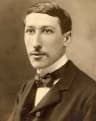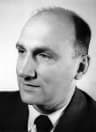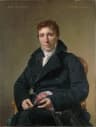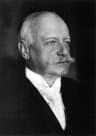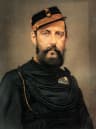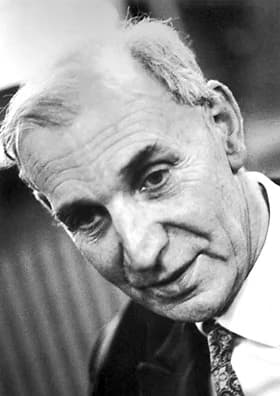
Born
May 3, 1902
Guebwiller, France
Died
January 7, 1984
Bandol, France
Known for
French physicist
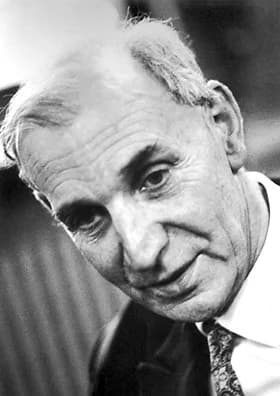
Alfred Kastler (1902–1984) was France best known for French physicist.
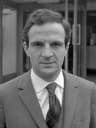
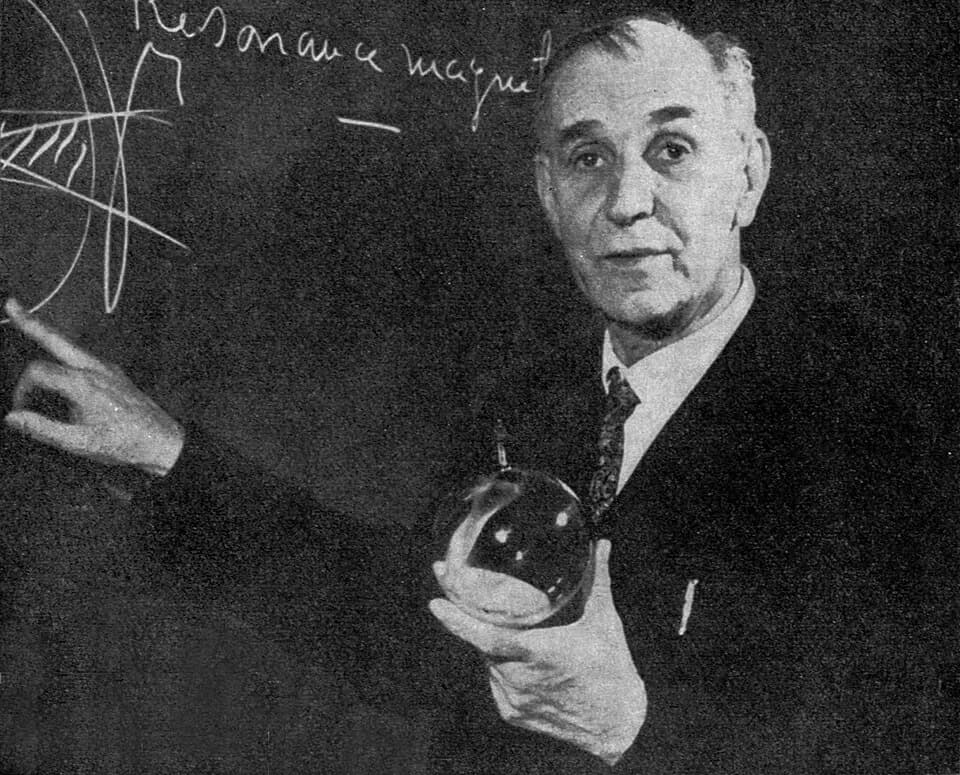
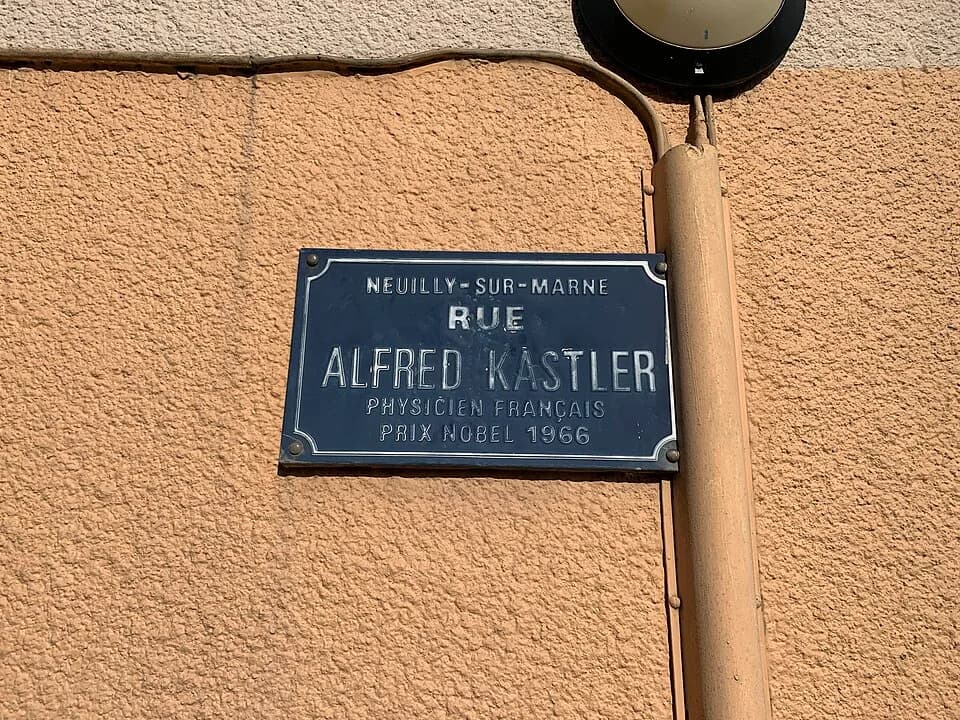
Alfred Kastler (May 3, 1902 – January 7, 1984) was a French physicist known for developing optical pumping. He received the 1966 Nobel Prize in Physics for his innovative optical methods for studying Hertzian resonances in atoms. His work significantly advanced atomic physics.
Chapter
Life chapters
Chapter 1 · 1902· Chapter 1 of 8
Early Life and Origins
Alfred Kastler was born on May 3, 1902, in Guebwiller, a town in Alsace which, at the time of his birth, was part of Germany. This historical context meant he was born in a German territory before it became part of France after World War I. His upbringing in this region, rich in cultural and intellectual heritage, likely played a role in fostering his diverse talents and keen academic interests.
Chapter 2· Chapter 2 of 8
Career Beginnings
Kastler pursued his higher education, eventually distinguishing himself in the fields of physics and research. His intellectual curiosity drove him to investigate the fundamental principles of physics and light-matter interactions. Early in his career, he began laying the groundwork for experimental methods that would later earn him international acclaim, developing a strong foundation in spectroscopic techniques and atomic physics.
Chapter 3 · 1966· Chapter 3 of 8
Major Achievements and Career Highlights
A significant moment in Alfred Kastler's career was his discovery and subsequent development of optical pumping. This innovative technique provided new ways to manipulate and observe atoms, significantly advancing atomic physics research and quantum electronics. This notable contribution was recognized globally when he was awarded the Nobel Prize in Physics in 1966.
Chapter 4 · 1966· Chapter 4 of 8
Nobel Prize in Physics (1966)
The Royal Swedish Academy of Sciences honored Alfred Kastler with the Nobel Prize in Physics in 1966. The award specifically cited his work "for the discovery and development of optical methods for studying Hertzian resonances in atoms." This achievement highlighted his deep understanding of light-matter interactions and its applications in precision spectroscopy. His methods allowed scientists to probe the energy levels and magnetic properties of atoms with unprecedented accuracy, leading to breakthroughs in quantum mechanics.
Chapter 5· Chapter 5 of 8
Personal Life
Beyond his rigorous scientific pursuits, Alfred Kastler was also known for his artistic inclination as a poet. This interest highlights a breadth of intellect and a connection to humanistic endeavors alongside his scientific work. While specific details of his personal life remain less widely publicized than his scientific achievements, this creative outlet offers a glimpse into his multidimensional character and intellectual curiosity.
Chapter 6· Chapter 6 of 8
Notable Works or Contributions
Alfred Kastler's scientific output includes several important publications that contributed to the understanding of physics and beyond. Among his notable works are "Thermodynamique," a foundational text exploring the principles of heat and energy, and "Cette étrange matière," which likely explored complex physical concepts or material science. His specialized research is evident in "La diffusion de la lumière par les milieux troubles; influence de la grosseur des particules," focusing on light scattering phenomena. Further contributions include "Œuvre scientifique," a comprehensive collection representing his lifetime of research. He also authored "Face au chantage," which suggests an engagement with broader societal or philosophical issues.
Chapter 7 · 1984· Chapter 7 of 8
Later Years
In his later years, Alfred Kastler continued to be a respected and influential figure in the scientific community. His foundational discoveries continued to influence new generations of physicists and inspired ongoing research. He lived until January 7, 1984, passing away in Bandol, France, leaving behind a significant scientific legacy for future generations to build upon.
Chapter 8· Chapter 8 of 8
Legacy and Impact
Alfred Kastler's legacy endures through the lasting impact of optical pumping, a technique still widely used in fields from fundamental physics research to laser technology and atomic clocks. His Nobel-winning methods for studying Hertzian resonances provided scientists with crucial tools for understanding atomic structure and dynamics. His life as a physicist, university teacher, researcher, and poet illustrates a commitment to both rigorous scientific discovery and broad intellectual engagement. His contributions helped shape modern atomic physics and spectroscopy, influencing countless researchers after him.
A life in moments
The moments that shaped a life
FAQ
Frequently asked
When did Alfred Kastler die?
Alfred Kastler died on January 7, 1984 in Bandol, France, at the age of 81.
Where was Alfred Kastler born?
Alfred Kastler was born in Guebwiller, France on May 3, 1902.
What is Alfred Kastler best known for?
Alfred Kastler is best known for French physicist.
How old was Alfred Kastler when they died?
Alfred Kastler was 81 years old at the time of death.
What nationality was Alfred Kastler?
Alfred Kastler was from France.
Timeline
Life at a glance
Photo gallery
A life in pictures
Click any polaroid to expand · 45 photos
QR Code
Share This Biography
Print & Share
Scan to visit this biography page. Print for events, exhibitions, or educational materials.