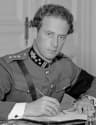
Born
January 16, 1901
Banes, Cuba
Died
August 6, 1973
Marbella, Spain
Known for
President of Cuba, 1940–1944; dictator, 1952-1959
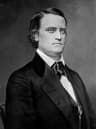
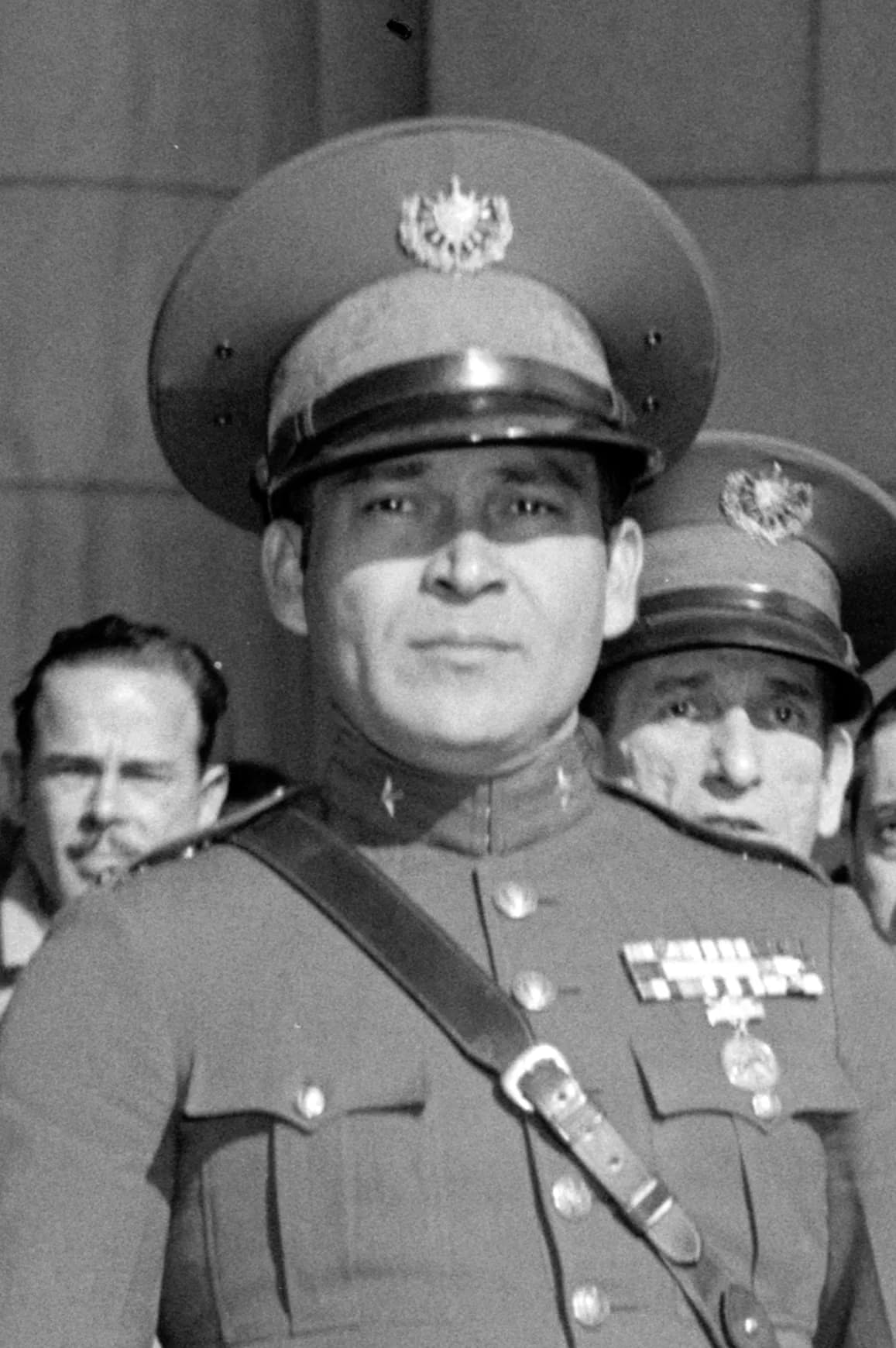
Fulgencio Batista (1901–1973) was Cuba best known for President of Cuba, 1940–1944; dictator, 1952-1959.
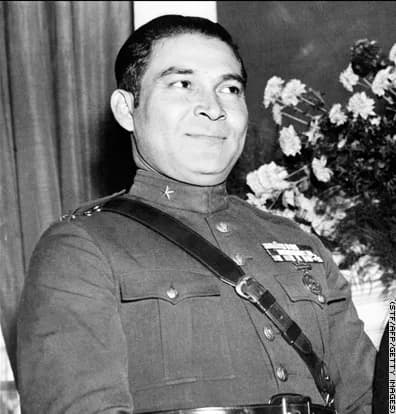
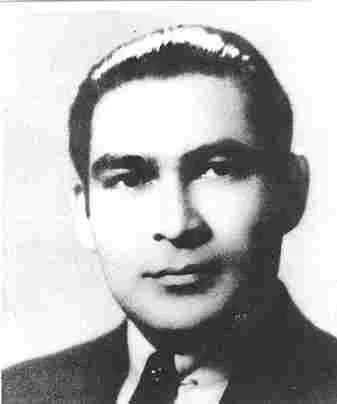
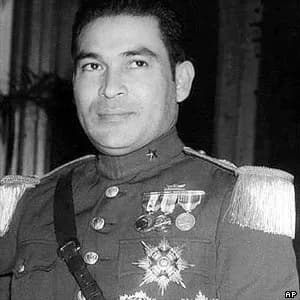
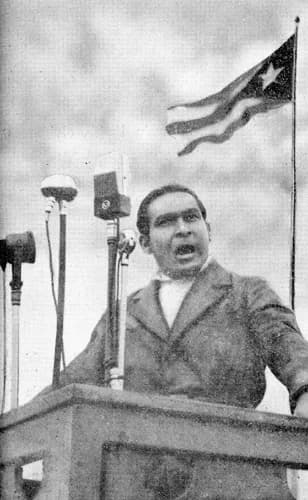
Fulgencio Batista (January 16, 1901 – August 6, 1973) was a Cuban military officer and politician. He served as President of Cuba from 1940 to 1944 and later as a dictator from 1952 to 1959. His leadership played a dominant role in Cuban politics until his overthrow.
Chapter
Life chapters
Chapter 1 · 1901· Chapter 1 of 7
An Introduction to Fulgencio Batista
Fulgencio Batista, born on January 16, 1901, and passing on August 6, 1973, was a Cuban military officer and politician who left an undeniable mark on the history of Cuba. His career saw him ascend to the nation's highest office, serving as President from 1940 to 1944, before returning to power as a dictator from 1952 until 1959. Batista's trajectory from military personnel to a dominant political leader underscores a significant era in Cuban national life, one characterized by both constitutional rule and authoritarian governance.
His involvement in Cuban politics spanned several decades, shaping the country's direction through periods of both stability and considerable upheaval. From his origins in Banes, Cuba, to his final days in Marbella, Spain, Fulgencio Batista's life was intertwined with the destiny of his homeland. The narrative of his life offers insights into the political dynamics that defined Cuba during the mid-20th century, culminating in the Cuban Revolution.
Chapter 2 · 1901· Chapter 2 of 7
Early Life and Origins
Fulgencio Batista was born in the town of Banes, located in the Oriente Province of Cuba, on January 16, 1901. His early life began in a rural setting in Cuba, a nation that was then navigating its post-colonial identity and developing its own political structures. The environment of early 20th-century Cuba, marked by a blend of agricultural life and emerging nationalistic sentiments, likely influenced his perspective from a young age.
While specific details of his family and early upbringing are not extensively documented in the provided information, his birth in Banes, Cuba, firmly places his roots within the fabric of Cuban society. This foundational connection to his homeland would become a crucial element of his later political identity and leadership. His background set the stage for a career that would ultimately see him rise through the ranks to wield substantial power.
Chapter 3· Chapter 3 of 7
Career Beginnings as Military Personnel
Fulgencio Batista's professional life began within the military, a path that proved instrumental in his eventual ascent to political prominence. He started as a Cuban military officer, a profession demanding discipline and a structured approach. This initial experience in the armed forces provided him with a unique vantage point on national affairs and instilled him with organizational skills.
His early service within the Cuban military allowed him to develop connections and understand the intricate workings of the nation's power structures. It was through this military foundation that Batista began to emerge as a political figure, demonstrating an ability to influence events beyond mere military operations. This early career prepared him for the complex political challenges he would face throughout his life, laying the groundwork for his later leadership roles.
Chapter 4 · 1940· Chapter 4 of 7
Major Achievements and Career Highlights
Fulgencio Batista's career is marked by two distinct periods of leadership, each carrying significant weight in Cuban history. His first major political achievement was becoming President of Cuba, a position he held from 1940 to 1944. During this elected term, he functioned as the constitutional head of state, guiding the nation through its policy and administrative decisions.
After a period out of direct power, Batista returned to assume control of Cuba, this time as a dictator, from 1952 to 1959. This shift represented a dramatic change in the nature of his rule, moving from an elected leader to one who governed with absolute authority. Throughout these periods, he played a dominant role in Cuban politics, effectively controlling the direction of the country and its institutions, impacting national policy and social structure extensively.
Chapter 5 · 1940· Chapter 5 of 7
Notable Works or Contributions in Governance
Fulgencio Batista's primary contributions were in the realm of governance and political leadership during his two distinct periods of power. As President of Cuba from 1940 to 1944, he presided over a period of constitutional rule. This era saw the implementation of various government policies and the administration of the Cuban state through established legal frameworks, demonstrating his capacity to lead within a democratic structure.
Subsequently, his tenure as dictator from 1952 to 1959 involved a different form of governance, where his authority was paramount. During this time, he continued to direct the country's affairs, making decisions that shaped Cuba's economic and social landscape. His political actions during these years were instrumental in defining a significant chapter in Cuba's mid-century history, influencing its trajectory until his departure.
Chapter 6 · 1959· Chapter 6 of 7
Later Years and Final Chapter
The culmination of Fulgencio Batista's political career in Cuba occurred in 1959, when he was overthrown in the Cuban Revolution. This revolutionary event led to his resignation and departure from Cuba, marking the end of his dominant role in the nation's politics. Following his departure, Batista entered a period of exile, leaving his homeland permanently.
Fulgencio Batista spent his later years outside of Cuba, eventually settling in Spain. He died on August 6, 1973, in Marbella, Spain, concluding a life that began in Banes, Cuba, and ended far from his native land. His passing in Marbella marked the final chapter for a figure who had been central to Cuban political discourse for decades, leaving behind the complex legacy of his rule.
Chapter 7 · 1940· Chapter 7 of 7
Legacy and Impact on Cuban Politics
Fulgencio Batista's legacy is intricately tied to his dominant role in Cuban politics throughout the mid-20th century. His periods as both President (1940–1944) and dictator (1952–1959) profoundly shaped the nation's political landscape, leading to significant internal developments and external relations. His governance style and policies during these terms are central to understanding Cuba's trajectory during this era.
The overthrow of his dictatorial regime in the 1959 Cuban Revolution stands as a defining moment in his legacy, directly leading to a radical transformation of Cuban society and government. Batista's leadership, whether as an elected official or an authoritarian ruler, played a key part in the events that led to this revolutionary change. His life and career thus remain a focal point for studying the political evolution of Cuba and its defining revolutionary period.
A life in moments
The moments that shaped a life
FAQ
Frequently asked
When did Fulgencio Batista die?
Fulgencio Batista died on August 6, 1973 in Marbella, Spain, at the age of 72.
Where was Fulgencio Batista born?
Fulgencio Batista was born in Banes, Cuba on January 16, 1901.
What is Fulgencio Batista best known for?
Fulgencio Batista is best known for President of Cuba, 1940–1944; dictator, 1952-1959.
How old was Fulgencio Batista when they died?
Fulgencio Batista was 72 years old at the time of death.
What nationality was Fulgencio Batista?
Fulgencio Batista was from Cuba.
Photo gallery
A life in pictures
Click any polaroid to expand · 47 photos
QR Code
Share This Biography
Print & Share
Scan to visit this biography page. Print for events, exhibitions, or educational materials.