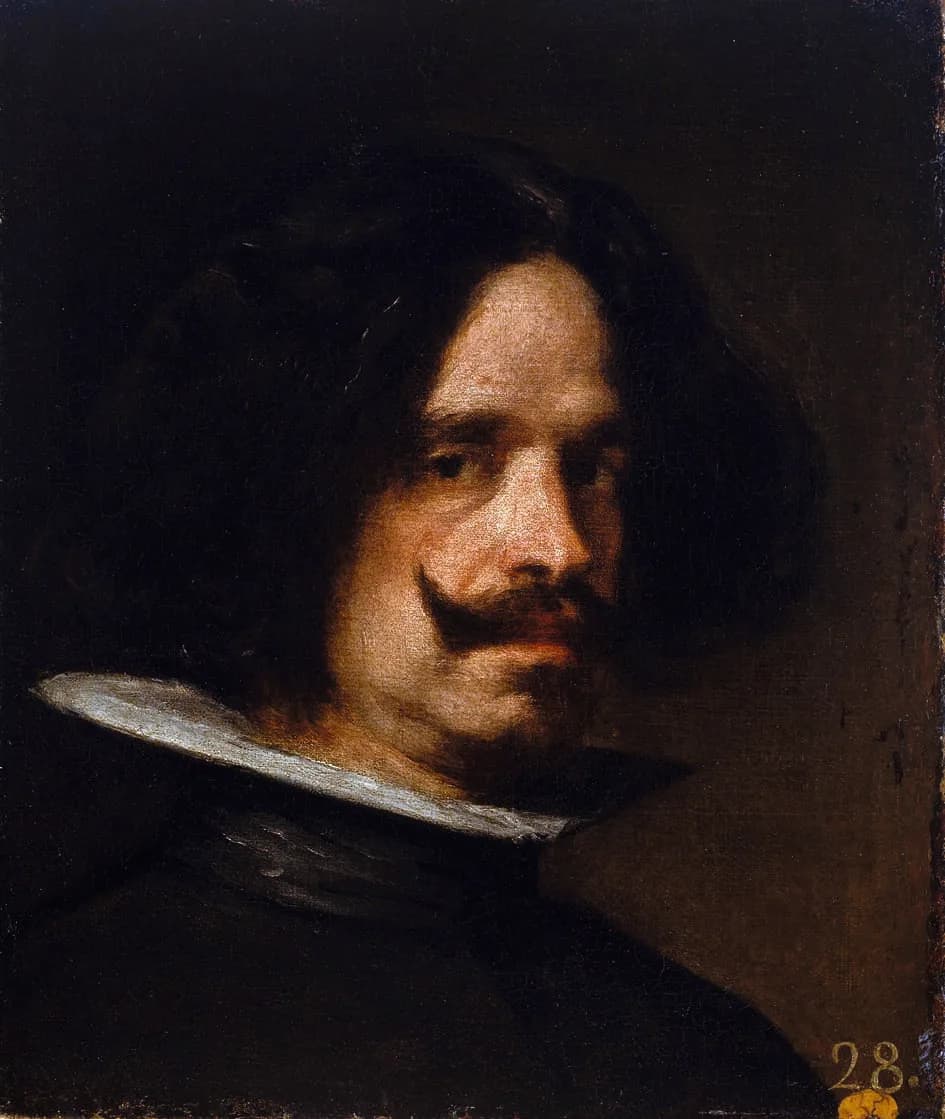
Born
June 6, 1599
Seville, Spain
Died
August 6, 1660
Madrid, Spain
Known for
Spanish painter
Diego Velázquez (1599–1660) was Spain best known for Spanish painter.
Diego Velázquez (June 6, 1599 – August 6, 1660) was a Spanish painter from Seville, Spain. He served as the leading artist in the court of King Philip IV and is considered one of the greatest artists of the Spanish Golden Age. His influence shaped Western art.
A life in moments
The moments that shaped a life
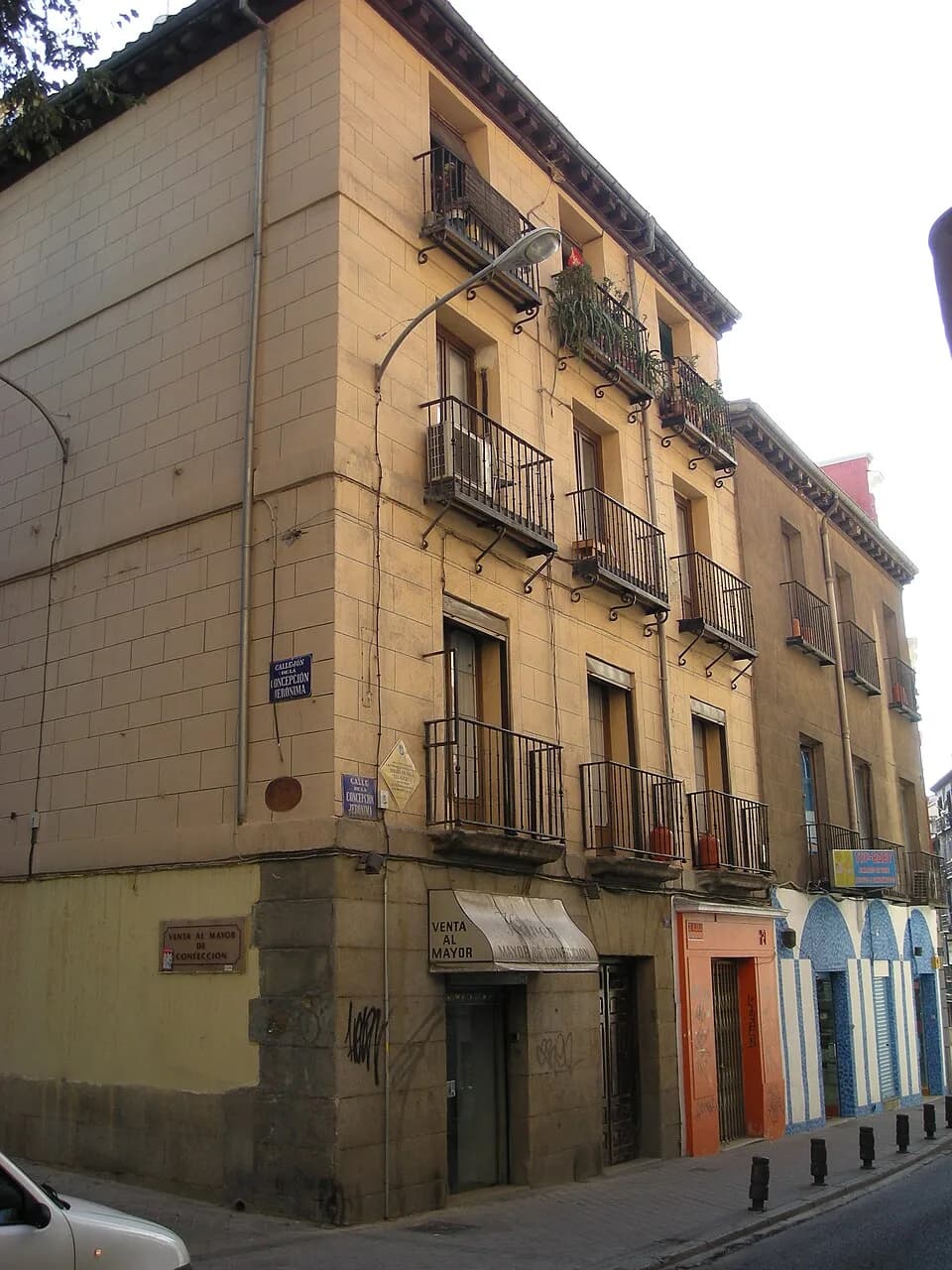
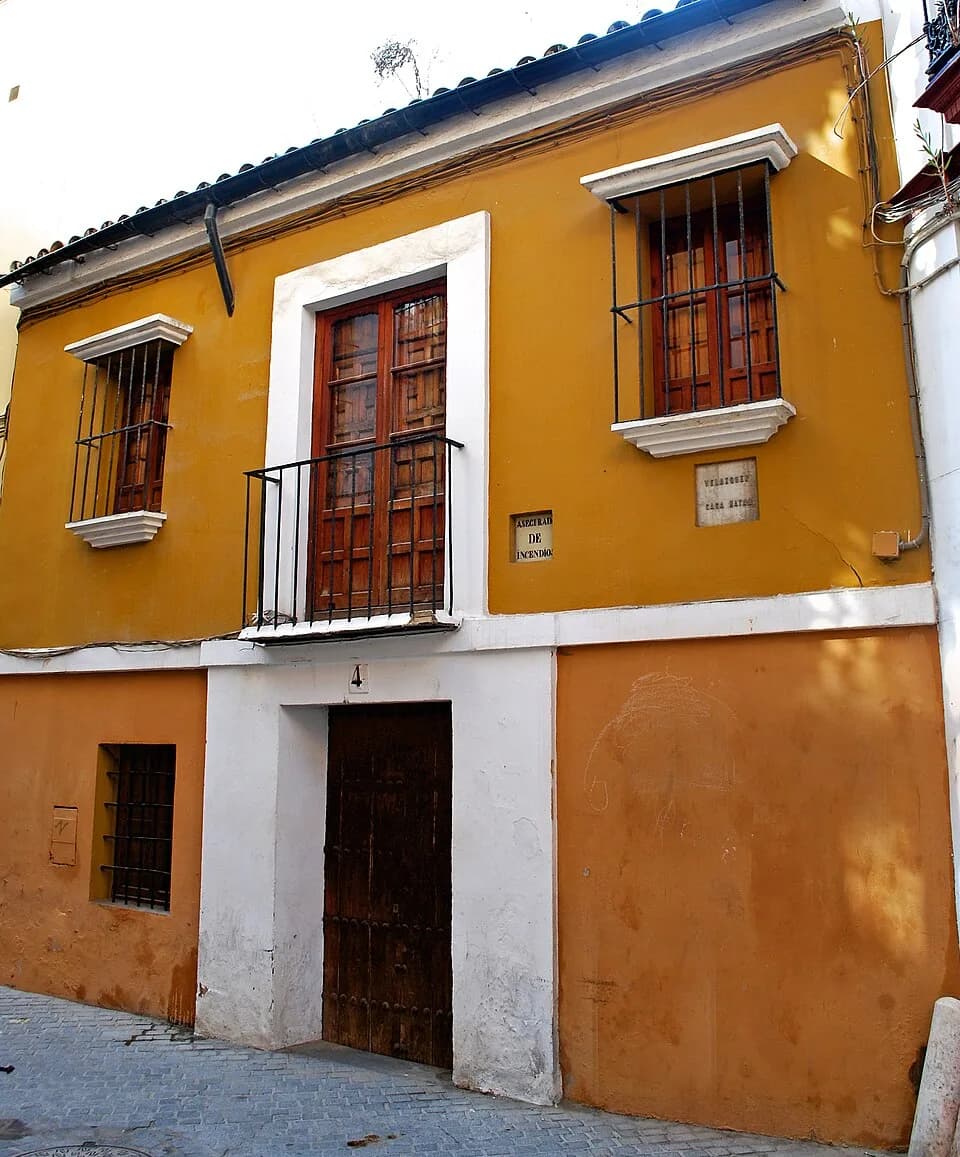
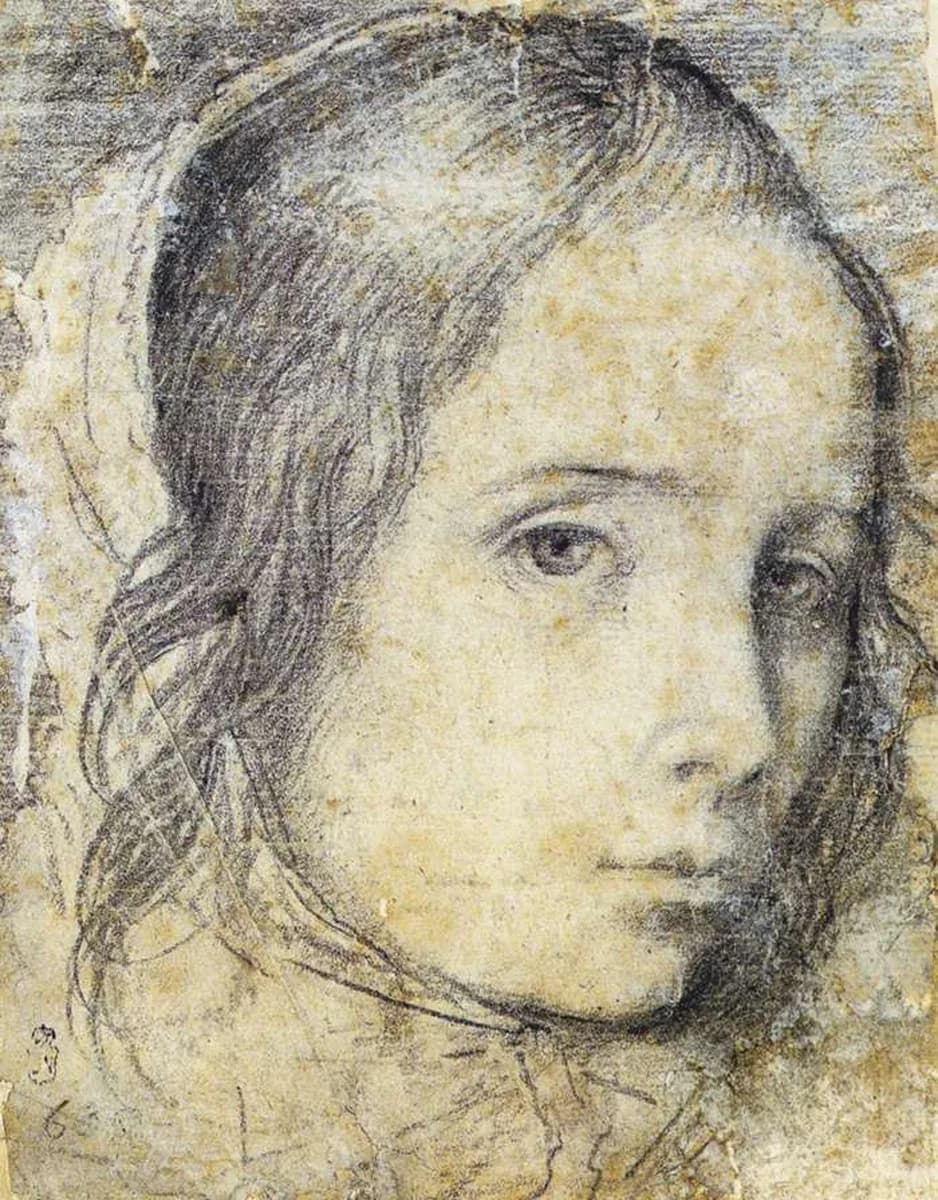
Chapter
Life chapters
Chapter 1 · 1599· Chapter 1 of 7
Opening
Diego Velázquez, born on June 6, 1599, and passing on August 6, 1660, was a Spanish painter whose profound artistic contributions continue to resonate through the centuries. As a painter, artist, and visual artist, Velázquez established himself as a preeminent figure during the Spanish Baroque period. He was celebrated as the leading artist in the court of King Philip IV of Spain and Portugal, a position that solidified his influence during the vibrant era known as the Spanish Golden Age. His work is universally recognized, placing him among the greatest artists in the history of Western art.
Chapter 2 · 1599· Chapter 2 of 7
Early Life and Origins
Diego Rodríguez de Silva y Velázquez began his life in Seville, Spain, where he was born on June 6, 1599. This birthplace in Seville provided the early context for his development as an artist. His full name, Diego Rodríguez de Silva y Velázquez, reflects his family’s heritage in this culturally rich Spanish city. The environment of Seville in the late 16th and early 17th centuries undoubtedly shaped his foundational artistic perspective.
Chapter 3· Chapter 3 of 7
Career Beginnings
Velázquez's artistic journey led him to rise swiftly through the ranks of the Spanish art world. He quickly garnered recognition for his exceptional talent and unique approach to painting. This early promise culminated in his appointment as the leading artist in the court of King Philip IV of Spain and Portugal. His esteemed position at court marked the true beginning of his influential career within the Spanish Golden Age.
Chapter 4· Chapter 4 of 7
Major Achievements and Career Highlights
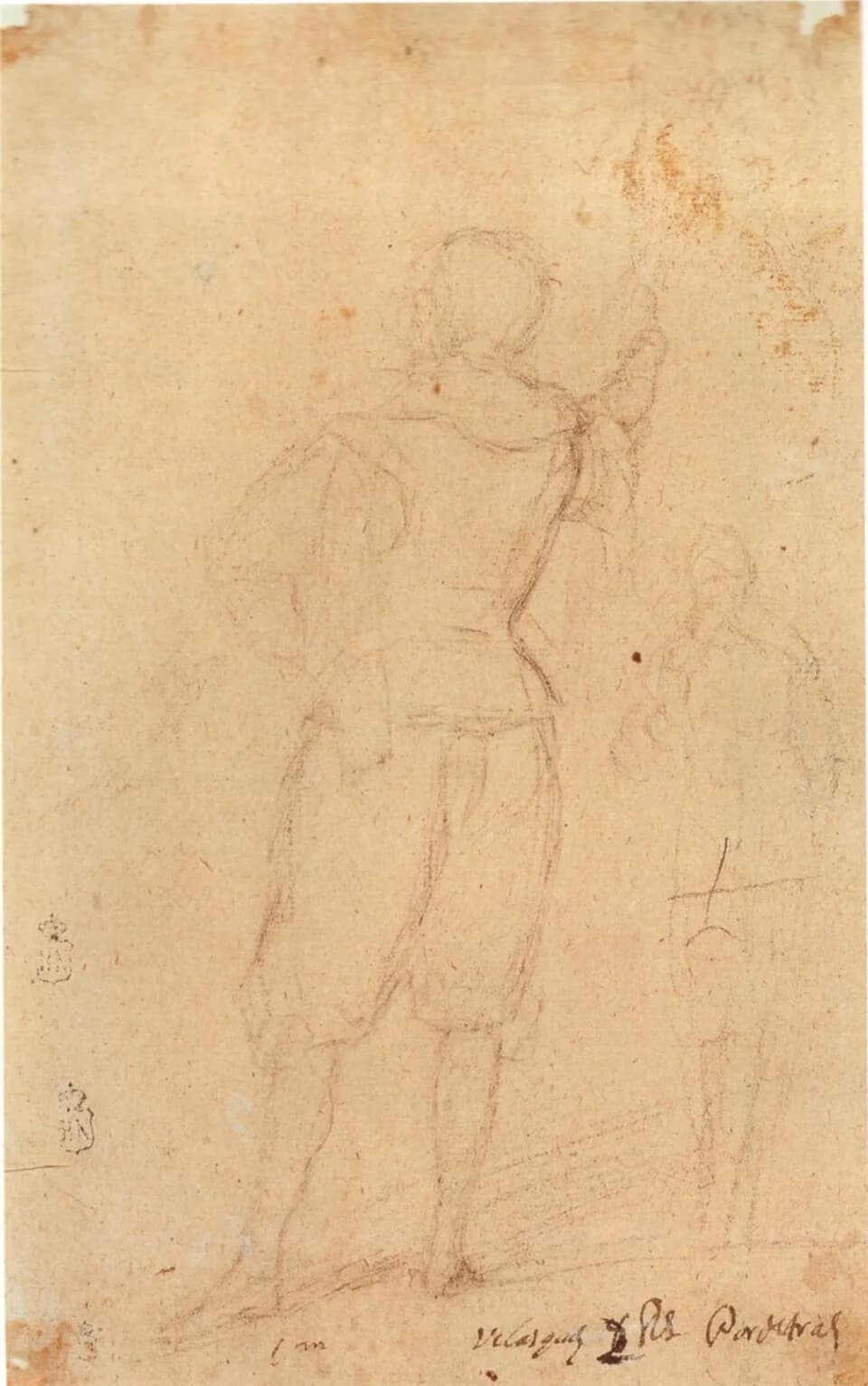
As the leading artist for King Philip IV, Diego Velázquez enjoyed unparalleled access and prestige, allowing him to shape the visual culture of the Spanish court. His appointment was a testament to his skill and vision, establishing him as a central figure in European art. This significant role ensured his status as a major contributor to the Spanish Baroque style, allowing his work to reach a wide and influential audience. He is globally recognized as one of the greatest artists to have ever graced the history of Western art, a distinction earned through his innovative techniques and enduring masterpieces.
Chapter 5 · 1622· Chapter 5 of 7
Notable Works or Contributions
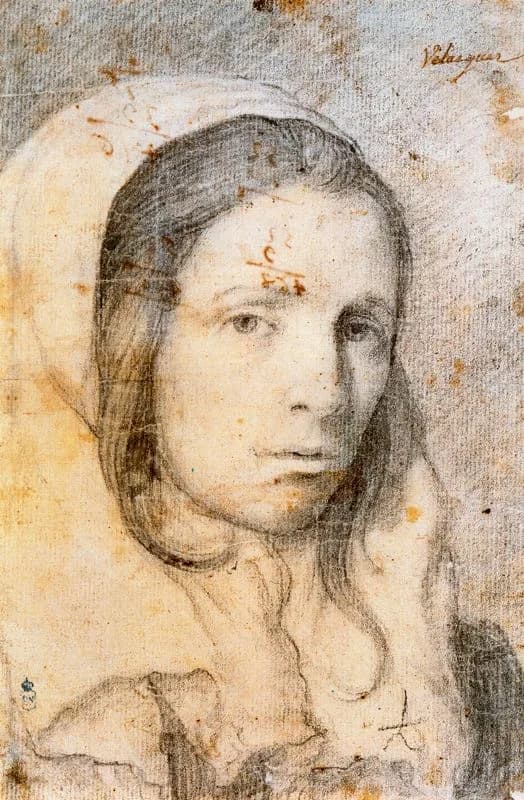
Diego Velázquez left behind a remarkable collection of artworks that continue to be studied and admired today, housed in prestigious institutions worldwide. The Metropolitan Museum of Art in New York proudly displays several of his masterpieces. Among these is *The Supper at Emmaus*, painted between 1622 and 1623, an early work showcasing his keen observation and dramatic lighting. Also at the Met is the introspective *Portrait of a Man, Possibly a Self-Portrait*, dating to around 1635, which offers a glimpse into his mature style.
The Metropolitan Museum of Art's collection further includes the iconic *Juan de Pareja*, created in 1650, a striking portrait capturing the sitter with profound realism. His royal connections are evident in *María Teresa (1638–1683), Infanta of Spain*, painted between 1651 and 1654, depicting a young royal figure with dignity. Another significant work at the Met is *Philip IV (1605–1665), King of Spain*, probably painted in 1624, showcasing his early mastery of royal portraiture.
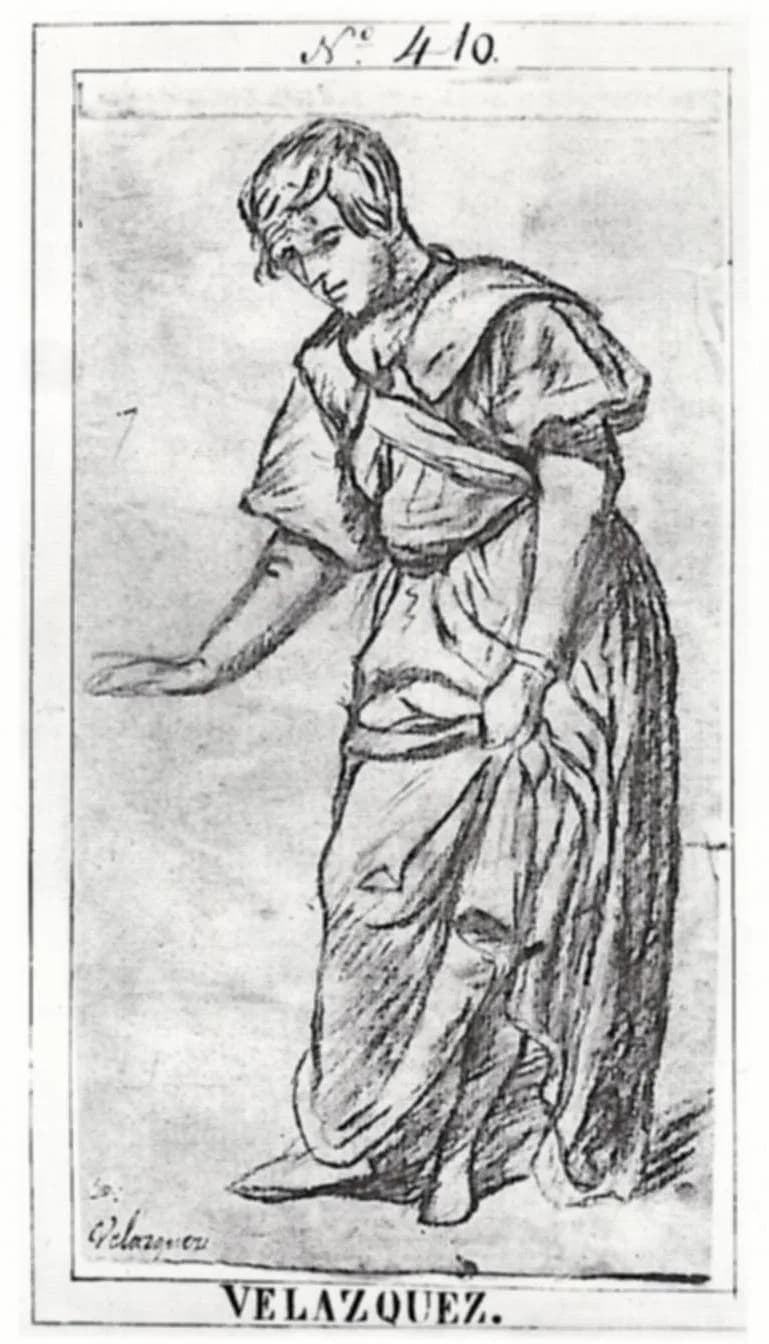
The Art Institute of Chicago also holds a significant collection attributed to Velázquez. Among these works is the early *Kitchen Scene*, dated 1618–20, which exemplifies his skill in genre painting and depicting everyday life. Another piece at the AIC is *Saint John the Baptist in the Wilderness*, from around 1622, reflecting his engagement with religious themes. The museum also features *Portrait of Philip IV*, painted around 1632, demonstrating his continued artistic relationship with the monarch.
Further works at the Art Institute of Chicago include *Isabella of Bourbon, Wife of Philip IV of Spain*, from around 1632, offering a regal portrayal of the queen. The collection also comprises *The Little Cavaliers*, dated between 1867 and 1874, an intriguing piece within the museum's holdings. Additionally, *A Dwarf*, from 1778, is part of the AIC's notable collection, highlighting a different aspect of his reported subjects. A *Portrait of a Boy*, though undated, also resides at the Art Institute of Chicago.
Other pieces attributed to Velázquez at the Art Institute of Chicago include *Phillip IV King of Spain*, dated 1862, which attests to the monarch's enduring presence in his body of work. The institution also displays *The Drunkards*, from 1778, a work known for its distinctive composition and subject matter. Finally, *Aesop*, also dated 1778, completes a subset of works housed at the Art Institute of Chicago, showcasing the breadth of subjects attributed to this influential artist.
Chapter 6 · 1660· Chapter 6 of 7
Later Years
Diego Velázquez remained active in his artistic endeavors and court duties throughout his life. His final years were spent in Madrid, Spain, the very heart of the Spanish court where he had achieved so much acclaim. It was in Madrid that he passed away on August 6, 1660. His career was characterized by consistent productivity and sustained influence up until his death.
Chapter 7· Chapter 7 of 7
Legacy and Impact
The legacy of Diego Velázquez is truly enduring, cementing his place as a titan in the history of art. His distinct approach to realism, light, and psychological depth in portraiture changed the trajectory of painting for centuries. He is consistently cited as an artist who inspired subsequent generations of painters across Europe. The impact of his unique style, particularly his handling of brushwork and color, continues to be celebrated and studied by artists and scholars globally.
FAQ
Frequently asked
When did Diego Velázquez die?
Diego Velázquez died on August 6, 1660 in Madrid, Spain, at the age of 61.
Where was Diego Velázquez born?
Diego Velázquez was born in Seville, Spain on June 6, 1599.
What is Diego Velázquez best known for?
Diego Velázquez is best known for Spanish painter.
How old was Diego Velázquez when they died?
Diego Velázquez was 61 years old at the time of death.
What nationality was Diego Velázquez?
Diego Velázquez was from Spain.
Timeline
Life at a glance
Photo gallery
A life in pictures
Click any polaroid to expand · 50 photos
QR Code
Share This Biography
Print & Share
Scan to visit this biography page. Print for events, exhibitions, or educational materials.