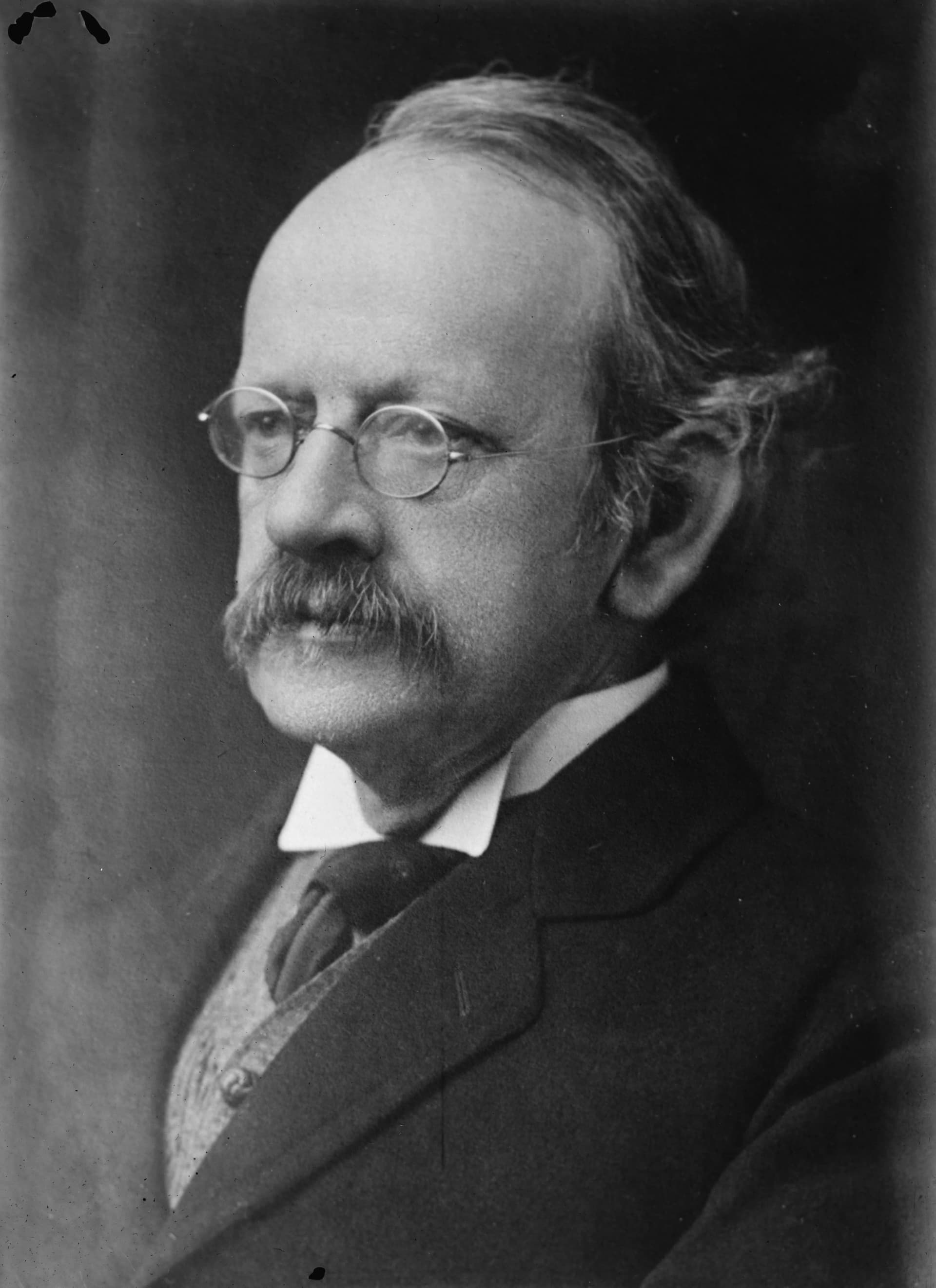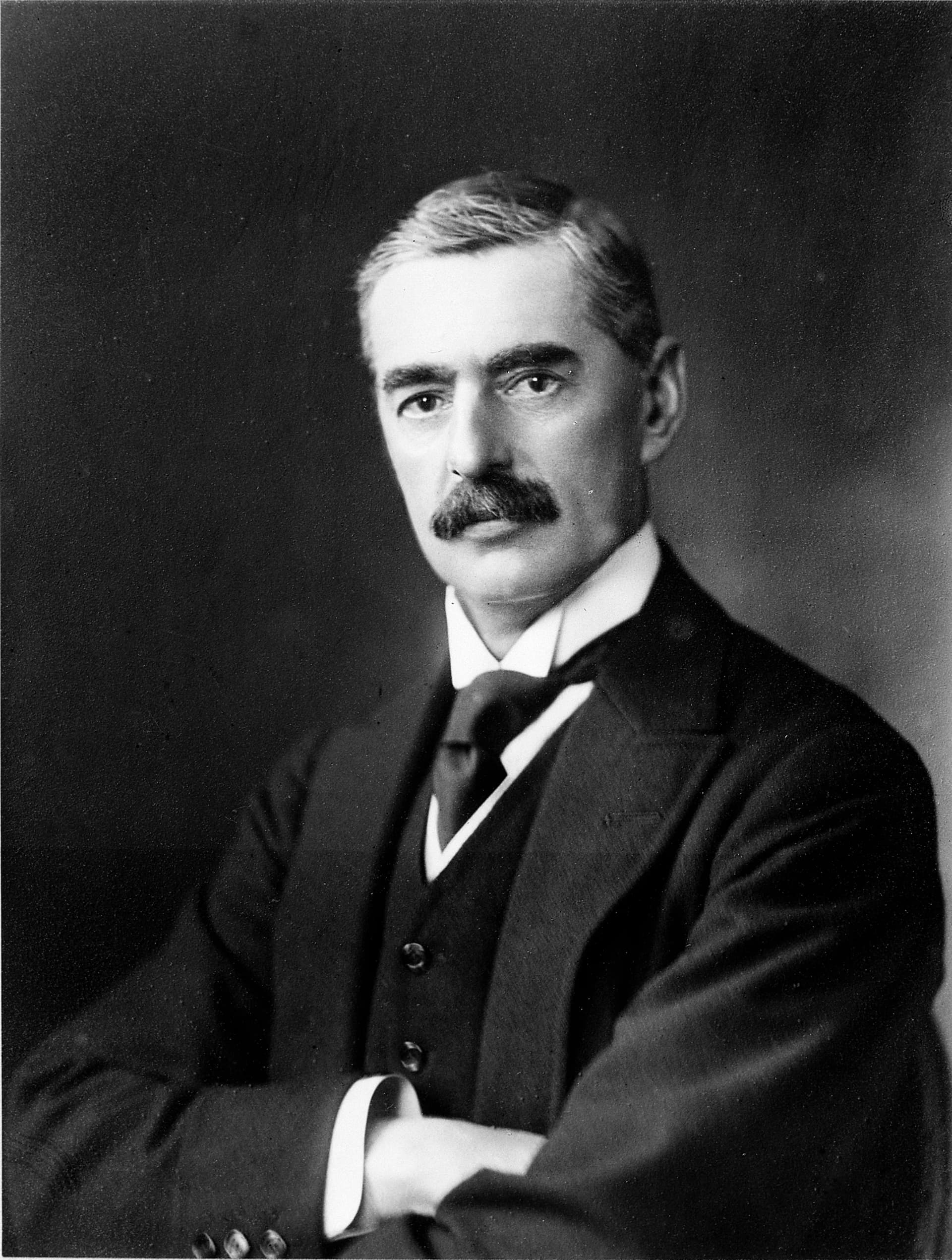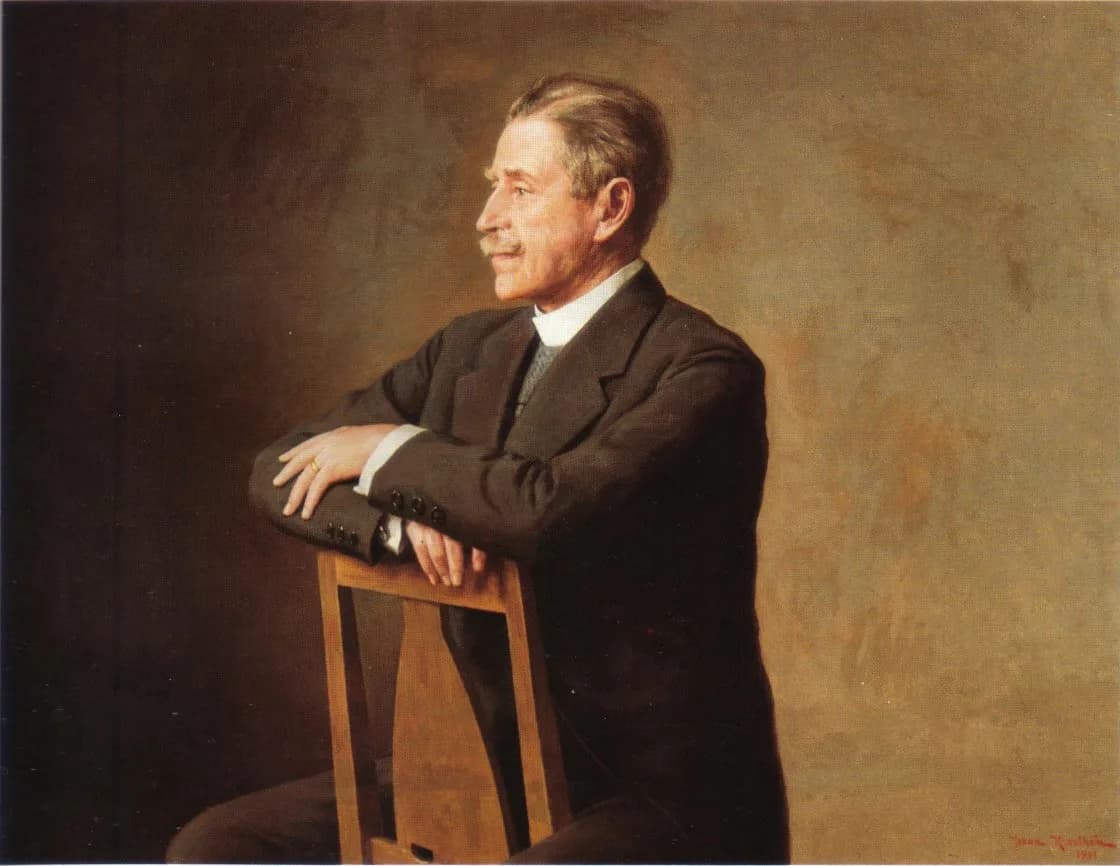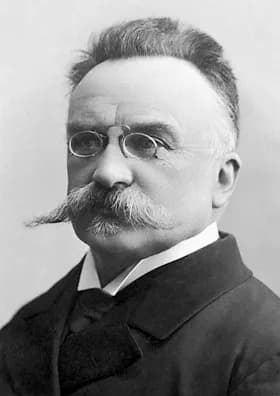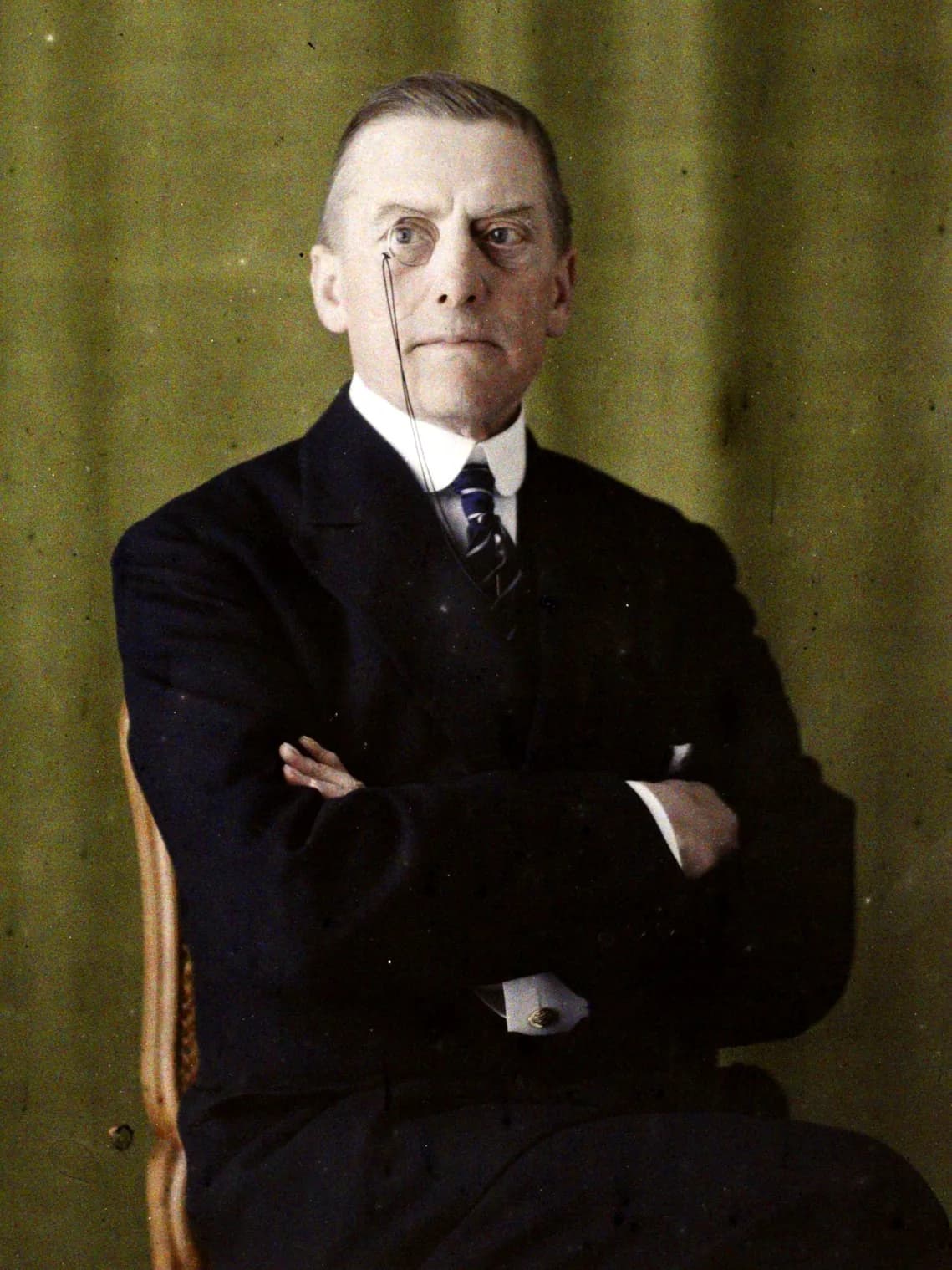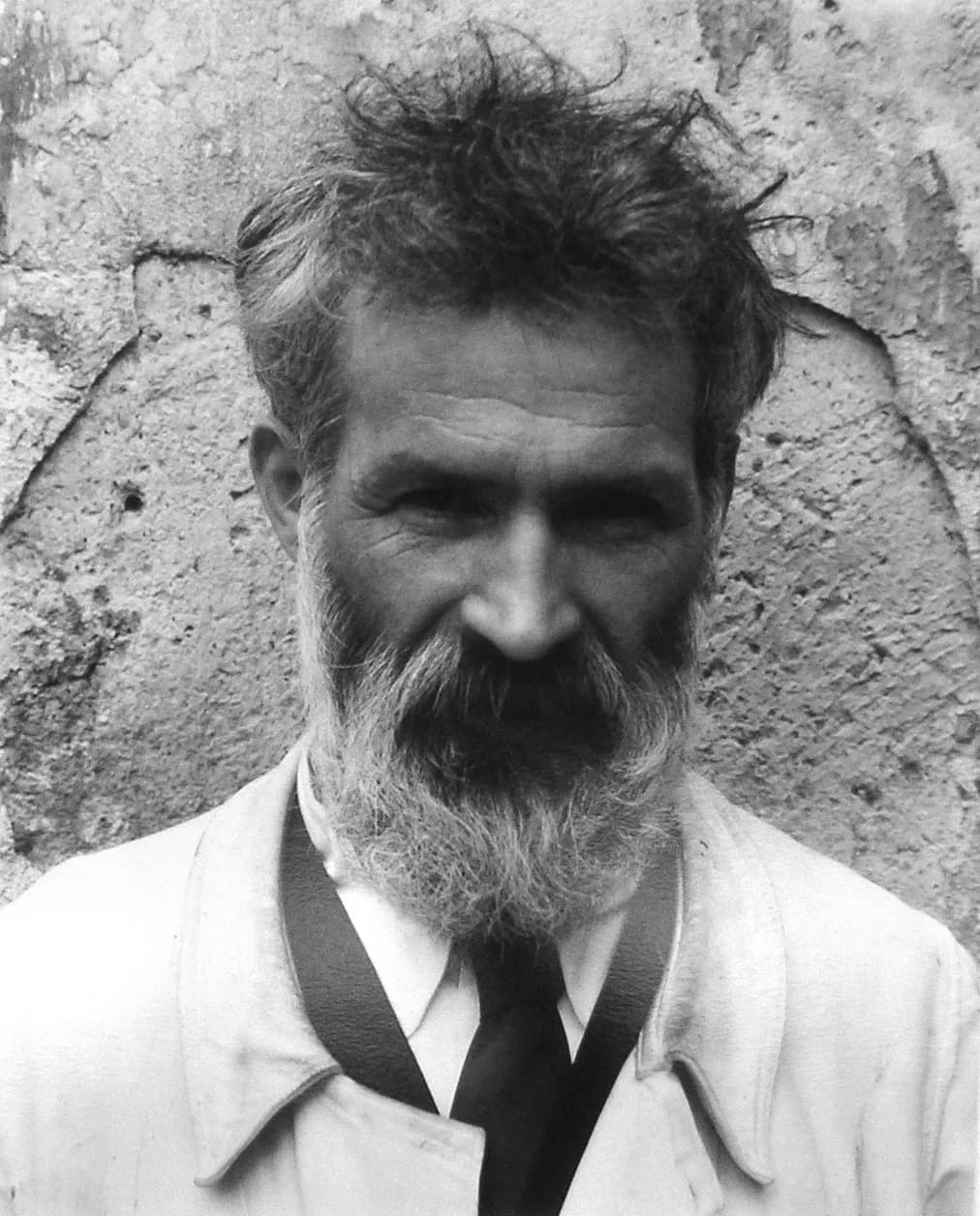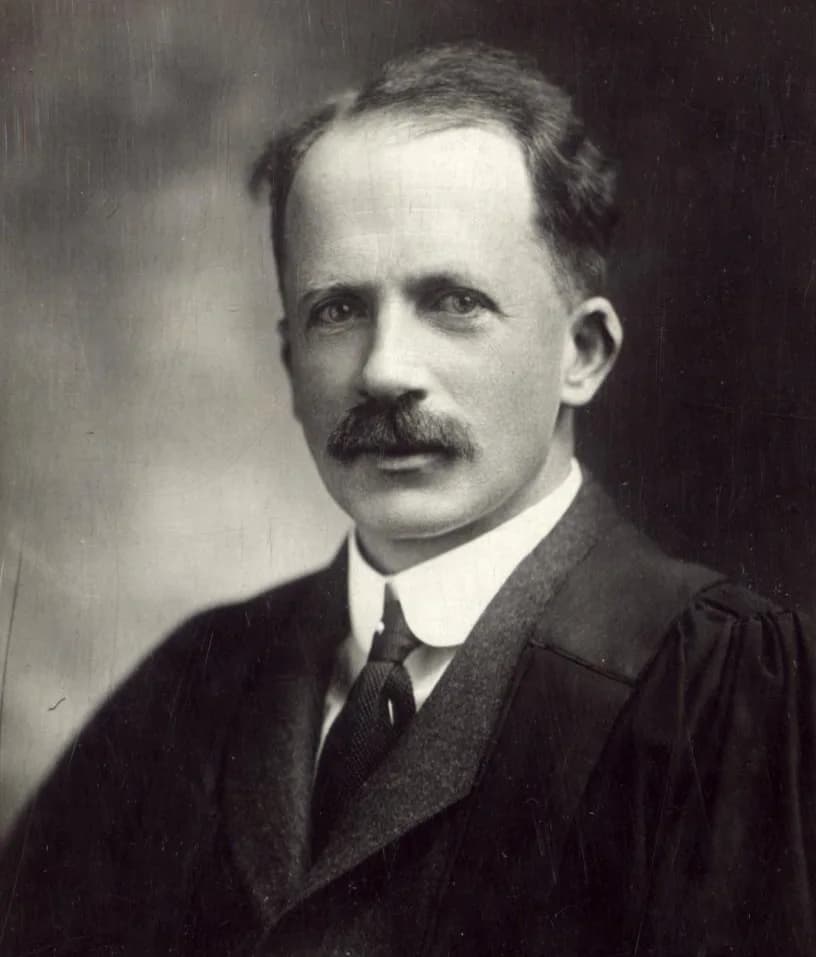
Nascimento
November 20, 1858
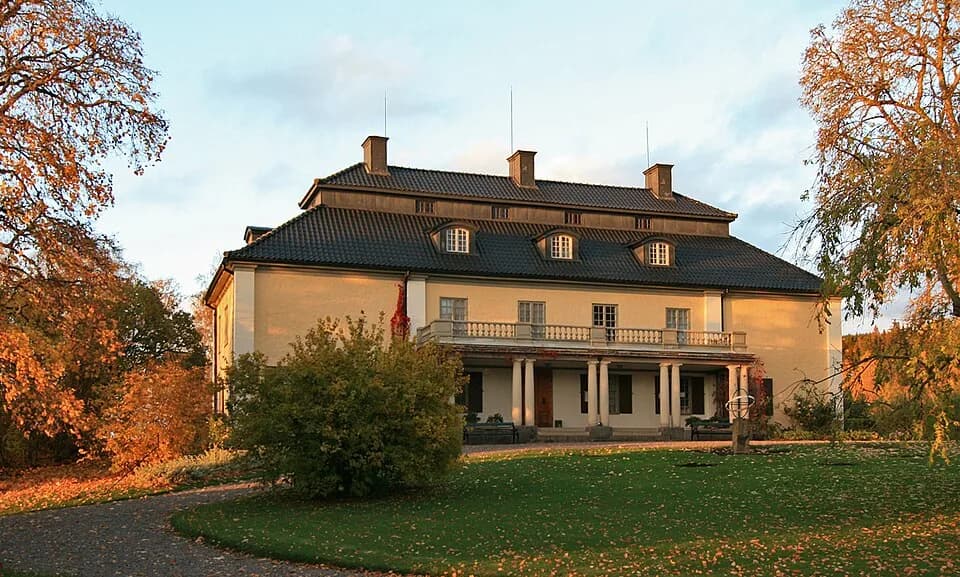
Östra Ämtervik church parish, Sweden
Falecimento
March 16, 1940
Östra Ämtervik church parish, Sweden
Conhecido por
Swedish writer
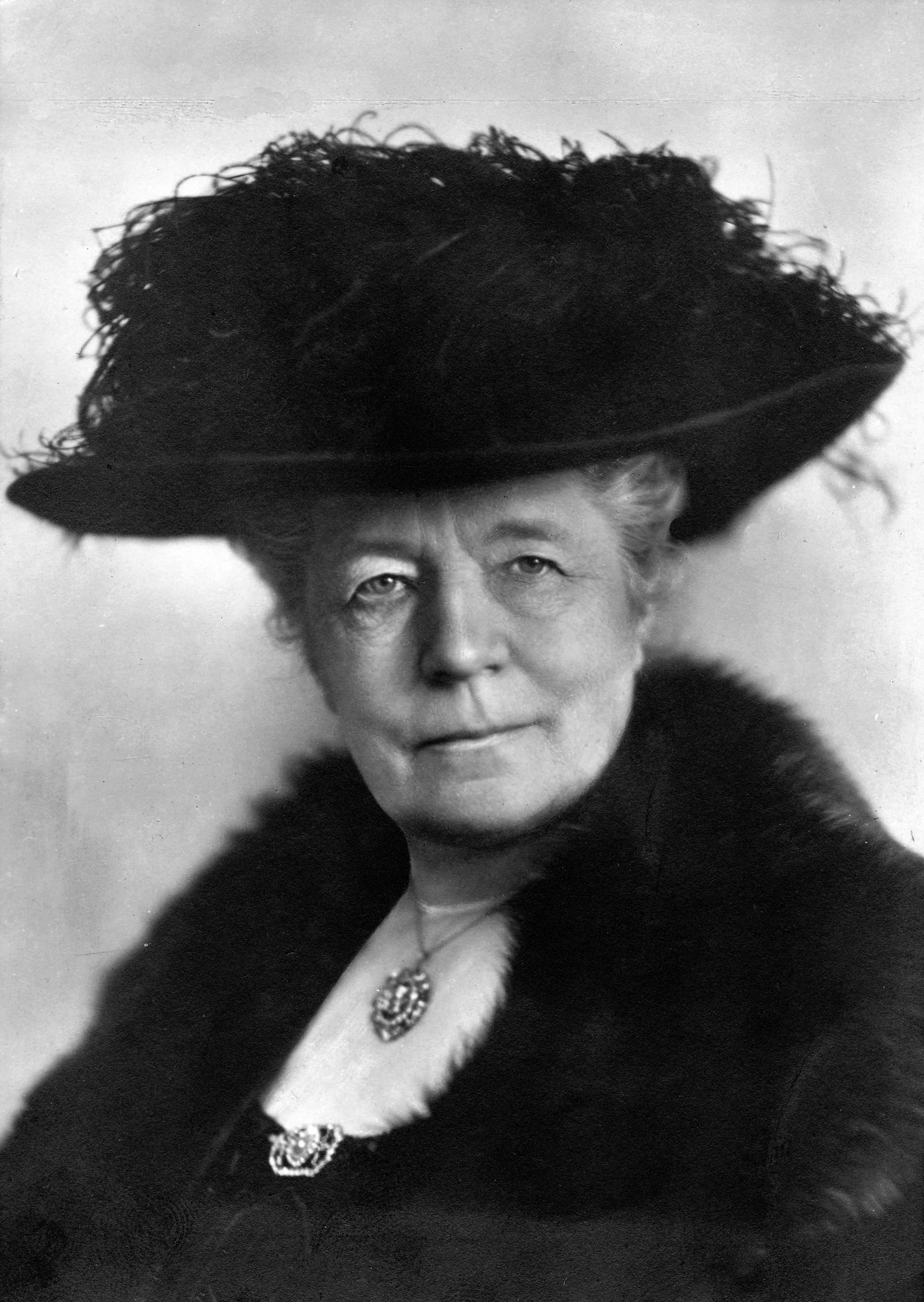
Selma Lagerlöf (1858–1940) was Sweden best known for Swedish writer.
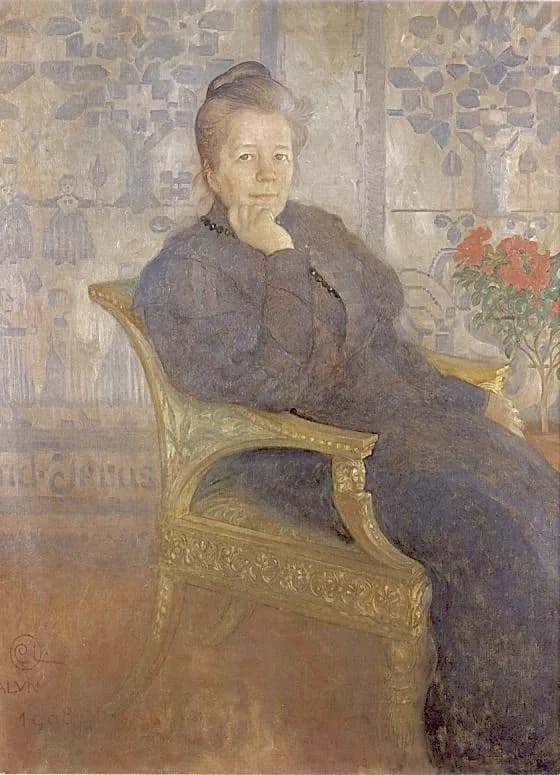
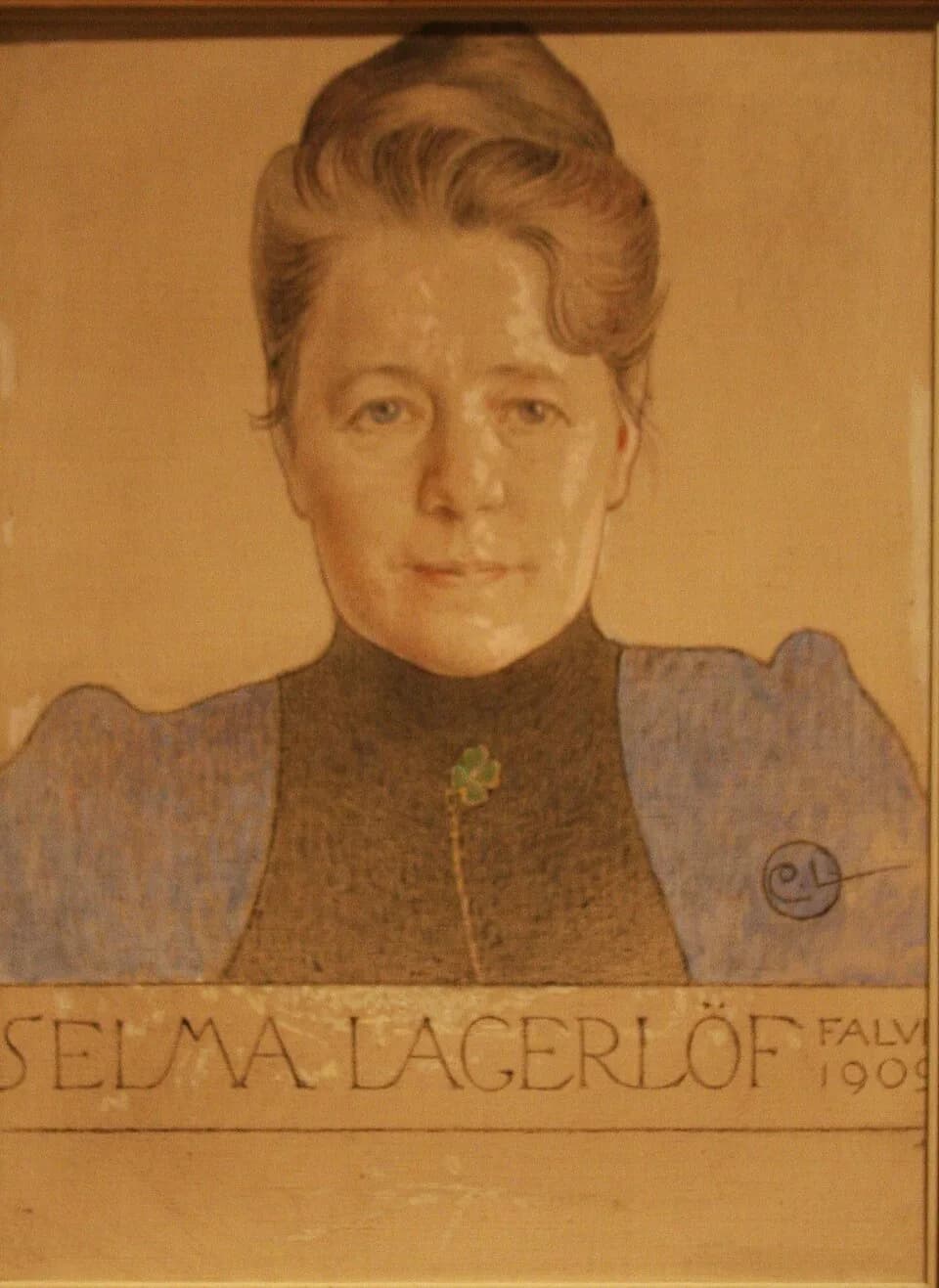
Selma Ottilia Lovisa Lagerlöf (November 20, 1858 – March 16, 1940) was a Swedish writer from Östra Ämtervik. She was the first woman to win the Nobel Prize in Literature in 1909 and the first woman member of the Swedish Academy in 1914. Her imaginative storytelling shaped Swedish literature and inspired many.
Uma vida em momentos
Os momentos que moldaram uma vida
Capítulo
Capítulos da vida
Capítulo 1 · 1858· Capítulo 1 de 7
Opening
Selma Ottilia Lovisa Lagerlöf (1858-1940) was a renowned Swedish writer whose imaginative storytelling captured the hearts of readers worldwide. Her profound literary contributions not only enriched Swedish literature but also broke significant barriers for women in the literary world. We remember her for her unique vision, her pioneering spirit, and her lasting influence on the landscape of global storytelling.
Capítulo 2 · 1858· Capítulo 2 de 7
Early Life and Origins
Selma Lagerlöf was born on November 20, 1858, within the serene embrace of the Östra Ämtervik church parish in Sweden. This idyllic rural birthplace played a formative role in shaping her worldview and provided a rich source of local lore and natural beauty. The environment of her childhood in Östra Ämtervik deeply influenced her later narratives, imbuing them with a distinctive sense of place and a profound connection to Swedish cultural heritage.
Capítulo 3· Capítulo 3 de 7
Career Beginnings
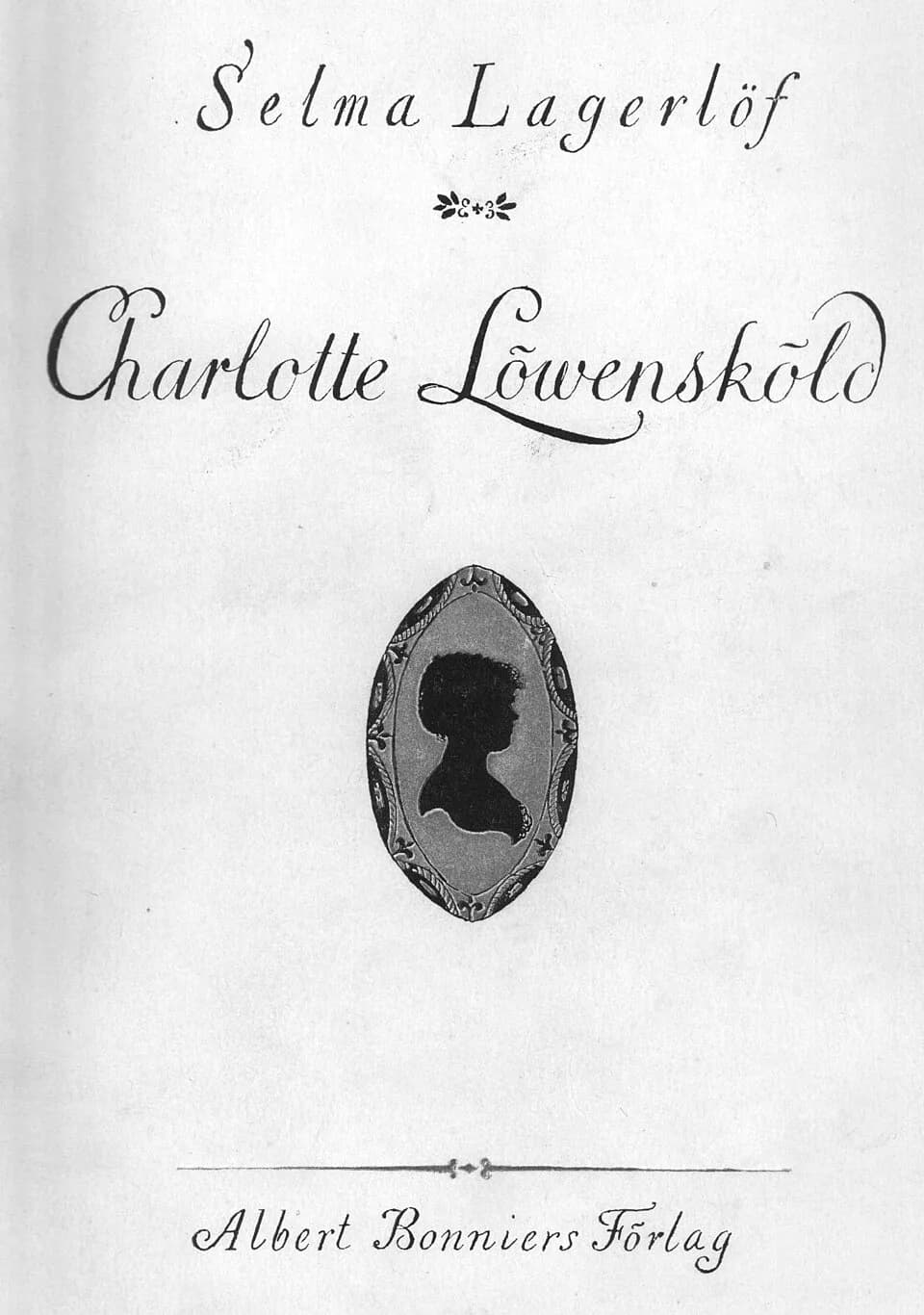
Selma Lagerlöf embarked on her distinguished literary career relatively early, publishing her first novel, Gösta Berling's Saga, at the age of 33. This initial publication was a significant moment, marking the emergence of a fresh and powerful voice in Swedish literature. Gösta Berling's Saga immediately showcased her talent for weaving together historical narrative with poetic imagination, captivating readers with its unique blend of romance and regional folklore.
Capítulo 4 · 1909· Capítulo 4 de 7
Major Achievements and Career Highlights
Selma Lagerlöf achieved unprecedented recognition, shattering long-standing barriers for women in the literary sphere. In 1909, she was awarded the Nobel Prize in Literature, making her the first woman ever to receive this immensely prestigious international honor. The Nobel Committee specifically lauded "the lofty idealism, vivid imagination and spiritual perception that characterize her writings," recognizing the profound quality and emotional depth of her work.
Her pioneering spirit continued to shine when, in 1914, she again broke new ground by becoming the first woman to be granted membership in the revered Swedish Academy. This acceptance into such an esteemed institution firmly cemented her position at the pinnacle of Swedish letters, acknowledging her as a major intellectual and cultural force. These accomplishments were not just personal triumphs but significant milestones for women in literature globally.
Capítulo 5· Capítulo 5 de 7
Notable Works or Contributions
Lagerlöf's literary output was both extensive and remarkably varied, demonstrating her mastery across several distinct genres. Among her most celebrated novels is Jerusalem. I. In Dalarne, which, alongside Jerusalem itself, explores intricate themes of faith, community, and migration. These works stand as powerful examples of her ability to explore complex human experiences through evocative narrative.
Her prolific bibliography also includes significant works such as Herr Arnes penningar, a gripping tale, and Et eventyr, an enchanting story that showcased her versatility. Further contributions like En herrgårdssägen and Halgisögur highlighted her continued exploration of Swedish folklore and historical narratives. Beyond novels, she also contributed as a poet, translator, biographer, children's writer, prose writer, and autobiographer, leaving behind a rich and diverse body of work that continues to be cherished and studied. Her collection Scandinavian Christmas also points to her contributions in capturing cultural traditions.
Capítulo 6 · 1940· Capítulo 6 de 7
Later Years
Selma Lagerlöf maintained her steadfast dedication to writing and intellectual engagement throughout her later life, even as she gained international acclaim. Her final years saw her continue to contribute to literature, enriching her already impressive body of work. She passed away on March 16, 1940, in the very same Östra Ämtervik church parish where she was born, bringing her remarkable journey full circle in a place that had so deeply inspired her.
Capítulo 7· Capítulo 7 de 7
Legacy and Impact
Selma Lagerlöf's legacy extends far beyond her individual literary achievements, as she fundamentally opened doors and inspired generations of women writers and intellectuals. Her pioneering success as the first woman to win the Nobel Prize in Literature and her historic induction into the Swedish Academy stand as powerful symbols of progress and recognition. Her imaginative tales, characterized by their deep humanism, vivid descriptions, and spiritual insights, continue to resonate with readers of all ages. Lagerlöf's profound influence on Swedish and world literature ensures her lasting place as one of the most cherished and significant literary figures of her time and beyond.
FAQ
Perguntas frequentes
Quando Selma Lagerlöf morreu?
Selma Lagerlöf morreu em 16 de março de 1940 em Östra Ämtervik church parish, Sweden, aos 81 anos.
Onde Selma Lagerlöf nasceu?
Selma Lagerlöf nasceu em Östra Ämtervik church parish, Sweden em 20 de novembro de 1858.
Pelo que Selma Lagerlöf é mais conhecido(a)?
Selma Lagerlöf é mais conhecido(a) por Swedish writer.
Quantos anos Selma Lagerlöf tinha ao morrer?
Selma Lagerlöf tinha 81 anos no momento da morte.
Qual era a nacionalidade de Selma Lagerlöf?
Selma Lagerlöf era de Sweden.
Linha do tempo
A vida em resumo
Galeria de fotos
Uma vida em imagens
Clique em uma polaroid para ampliar · 50 fotos
Código QR
Compartilhar Esta Biografia
Imprimir e Compartilhar
Escaneie para visitar a página desta biografia. Imprima para eventos, exposições ou materiais educativos.