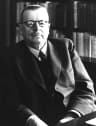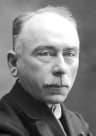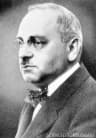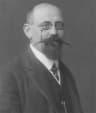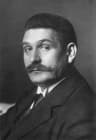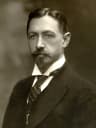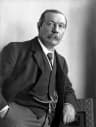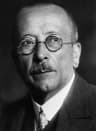
Nascimento
January 8, 1870
Jerez de la Frontera, Spain
Falecimento
March 16, 1930
Paris, France
Conhecido por
Spanish politician; dictator, aristocrat, and military officer who served as Prime Minister of Spain from 1923 to 1930
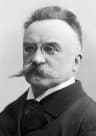
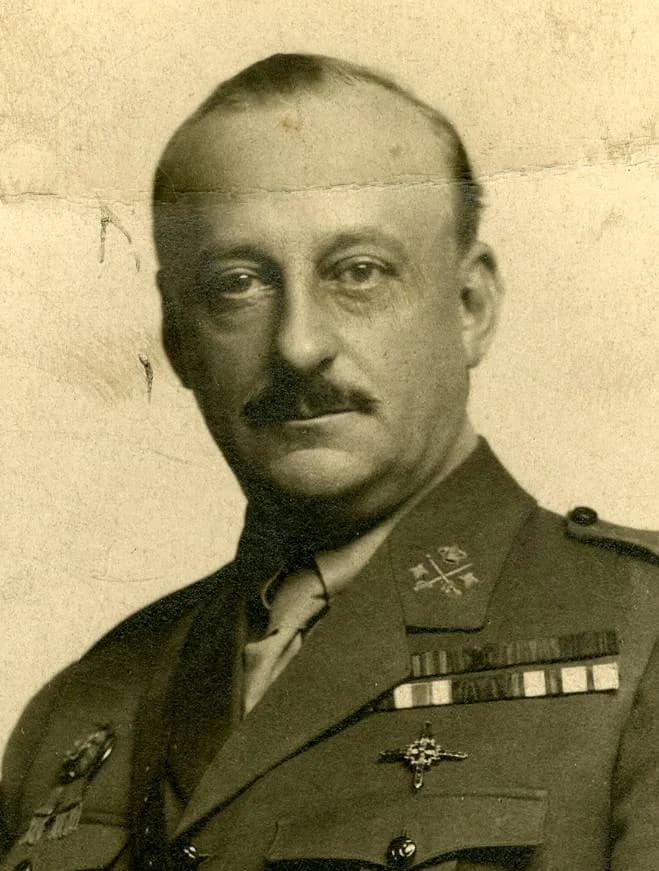
Miguel Primo de Rivera, 2nd Marquis of Estella (1870–1930) was Spain best known for Spanish politician; dictator, aristocrat, and military officer who served as Prime Minister of Spain from 1923 to 1930.
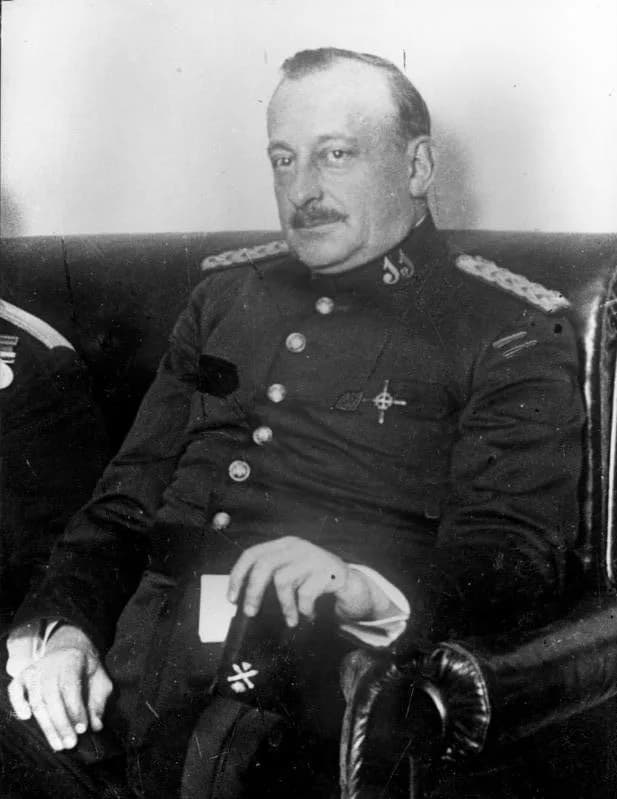
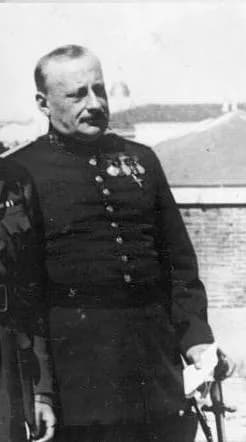
Miguel Primo de Rivera, 2nd Marquis of Estella (January 8, 1870 – March 16, 1930) was a Spanish military officer and politician. He served as the Prime Minister of Spain and dictator from 1923 to 1930 during the final years of the Bourbon Restoration. His leadership shaped a critical era in Spanish history.
Capítulo
Capítulos da vida
Capítulo 1 · 1870· Capítulo 1 de 5
Early Life and Origins
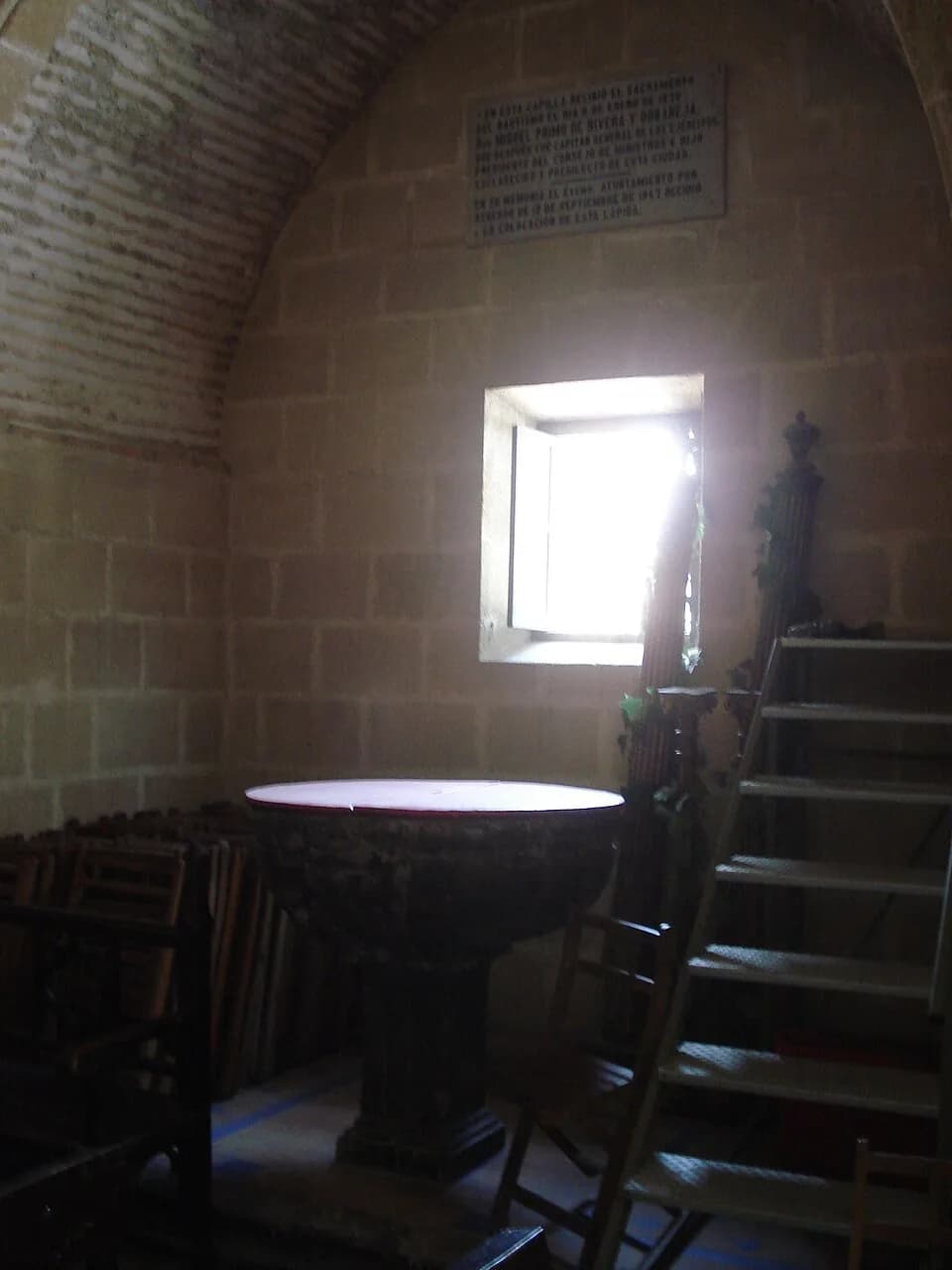
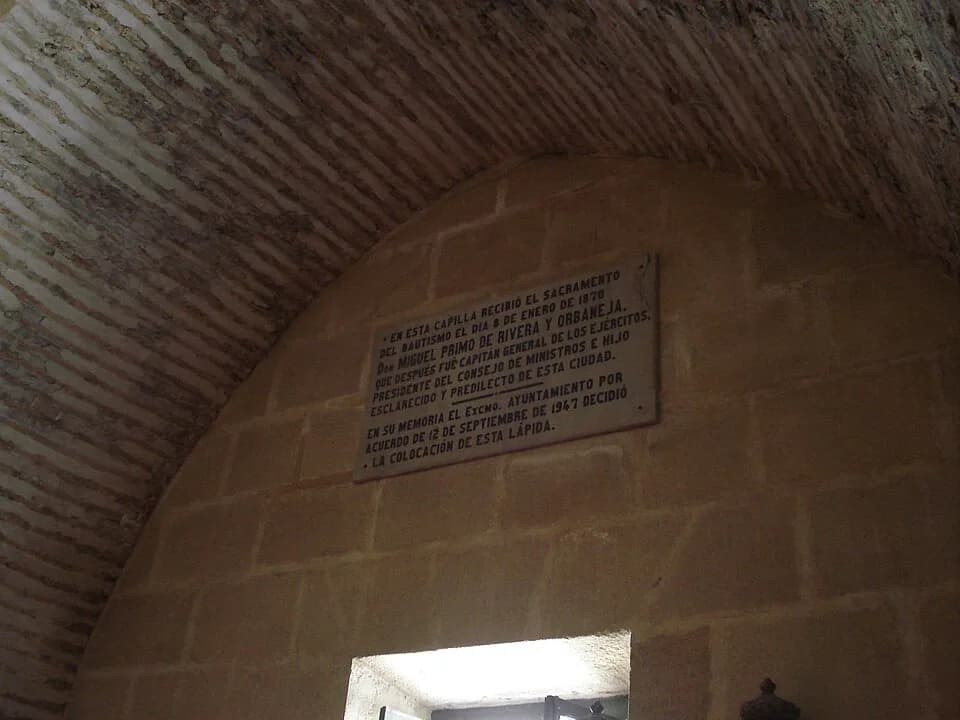
Born on January 8, 1870, in the historic city of Jerez de la Frontera, located in Spain, Miguel Primo de Rivera entered the world with an aristocratic lineage. His full title, 2nd Marquis of Estella, indicates his family's established position within Spanish society. This background likely provided him with a foundation of privilege and an early exposure to the intricacies of Spanish social structures and the nation's political landscape.
Growing up in a family of such standing often meant an expected path of public service or military duty. The values and traditions of his aristocratic upbringing likely instilled in him a strong sense of duty and a desire to serve his country. This early environment shaped the individual who would later become a dominant figure in Spanish governance.
Capítulo 2· Capítulo 2 de 5
Career Beginnings
Primo de Rivera's path naturally led him into the military, a common and respected profession among the Spanish aristocracy of his era. He became a distinguished military officer, steadily rising through the ranks by demonstrating leadership and strategic acumen. His early career would have involved various commands and deployments, building the experience and reputation that would later serve as a springboard for his political ascension.
This military background provided him with strong leadership skills and a deep understanding of command structures, which would later define his political style. His experiences in the military prepared him for the demanding role of national leadership, offering him practical insights into organization, discipline, and the exercise of authority. These formative years forged the character of the man who would take Spain in a new direction.
Capítulo 3 · 1923· Capítulo 3 de 5
Major Achievements and Career Highlights
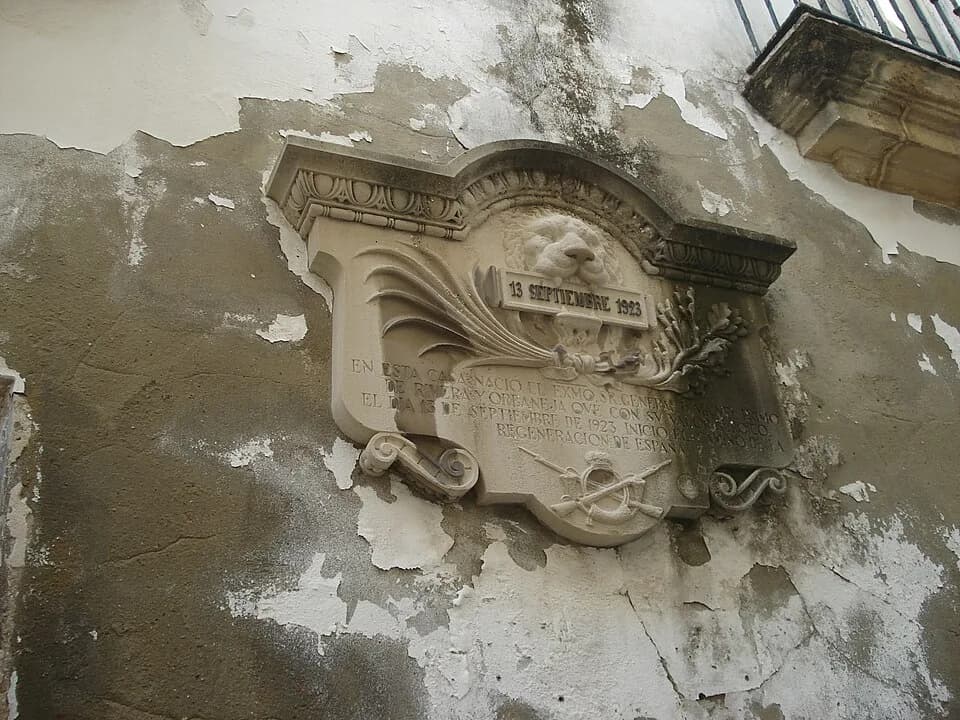
The zenith of Miguel Primo de Rivera's career arrived when he assumed the role of Prime Minister of Spain in 1923. He governed the country as a dictator, a form of rule that concentrated significant power in his hands and allowed for sweeping reforms and direct governance. This period, lasting from 1923 to 1930, was a defining chapter in modern Spanish history, characterized by his unique blend of military discipline and political leadership, seeking to impose order.
His premiership occurred during the last years of the Bourbon Restoration, a constitutional monarchy that had been in place for decades. Primo de Rivera's dictatorial rule effectively suspended aspects of this parliamentary system, centralizing authority to an unprecedented degree. During his seven years in power, he implemented policies aimed at restoring order and promoting national unity, all under the framework of his authoritarian governance.
As a military officer by trade, his background heavily influenced his approach to politics and administration. He sought to address Spain's chronic instability, which included labor unrest, regional separatism, and political corruption, by imposing a strong central government. This centralized control defined his governance, as he worked to modernize infrastructure and bolster the economy through state-led initiatives. His efforts aimed to bring Spain into a new era of stability and progress, albeit through non-democratic means.
Capítulo 4 · 1930· Capítulo 4 de 5
Later Years
Miguel Primo de Rivera's rule came to an end in early 1930, a period marked by mounting opposition from various sectors of Spanish society and declining support from key institutions. Facing increasing pressure and an erosion of his political base, he ultimately resigned from his position as Prime Minister. This decision concluded his seven-year period as the nation's leader, marking the end of his direct influence over Spanish politics.
Following his resignation, he departed from Spain, entering a period of self-imposed exile. His health had reportedly been in decline, and the political pressures of his final years in office had taken their toll. His exit from power signaled a shift in Spanish political dynamics, setting the stage for subsequent changes within the country.
Tragically, just a short time after stepping down from power, Miguel Primo de Rivera passed away. He died on March 16, 1930, in Paris, France, far from his homeland. His death in exile brought an end to the life of a figure who had dominated Spanish politics for nearly a decade, concluding a remarkable and controversial career that had profoundly impacted Spain.
Capítulo 5 · 1923· Capítulo 5 de 5
Legacy and Impact
Miguel Primo de Rivera's legacy is complex and continues to be debated by historians and political analysts. As a dictator and Prime Minister, he significantly shaped Spain during a critical transitional phase in the nation's history. His period of rule, from 1923 to 1930, marked the effective end of the Bourbon Restoration as it had traditionally operated, paving the way for significant political changes in the immediate years that followed his departure.
His leadership, characterized by its authoritarian nature, aimed to modernize and stabilize Spain, but it also suppressed political dissent and limited civil liberties. Primo de Rivera is remembered for the stability he brought in certain aspects, such as economic development and public works, as well as for the autocratic methods he employed to achieve these goals. This dual nature of his rule contributes to the varied interpretations of his historical impact.
His time in power left an undeniable mark on Spain's political consciousness and contributed to the dynamic socio-political environment that would unfold in the subsequent decades. The period of his dictatorship is often seen as a prelude to the Second Spanish Republic and the Spanish Civil War, highlighting the long-term consequences of his actions and policies. Miguel Primo de Rivera remains a central figure in understanding early 20th-century Spanish history.
Uma vida em momentos
Os momentos que moldaram uma vida
FAQ
Perguntas frequentes
Quando Miguel Primo de Rivera, 2nd Marquis of Estella morreu?
Miguel Primo de Rivera, 2nd Marquis of Estella morreu em 16 de março de 1930 em Paris, France, aos 60 anos.
Onde Miguel Primo de Rivera, 2nd Marquis of Estella nasceu?
Miguel Primo de Rivera, 2nd Marquis of Estella nasceu em Jerez de la Frontera, Spain em 8 de janeiro de 1870.
Pelo que Miguel Primo de Rivera, 2nd Marquis of Estella é mais conhecido(a)?
Miguel Primo de Rivera, 2nd Marquis of Estella é mais conhecido(a) por Spanish politician; dictator, aristocrat, and military officer who served as Prime Minister of Spain from 1923 to 1930.
Quantos anos Miguel Primo de Rivera, 2nd Marquis of Estella tinha ao morrer?
Miguel Primo de Rivera, 2nd Marquis of Estella tinha 60 anos no momento da morte.
Qual era a nacionalidade de Miguel Primo de Rivera, 2nd Marquis of Estella?
Miguel Primo de Rivera, 2nd Marquis of Estella era de Spain.
Linha do tempo
A vida em resumo
Galeria de fotos
Uma vida em imagens
Clique em uma polaroid para ampliar · 40 fotos
Código QR
Compartilhar Esta Biografia
Imprimir e Compartilhar
Escaneie para visitar a página desta biografia. Imprima para eventos, exposições ou materiais educativos.