Nascimento
April 29, 1899
Washington, D.C., United States
Falecimento
May 24, 1974
New York City, United States
Conhecido por
American jazz pianist and composer
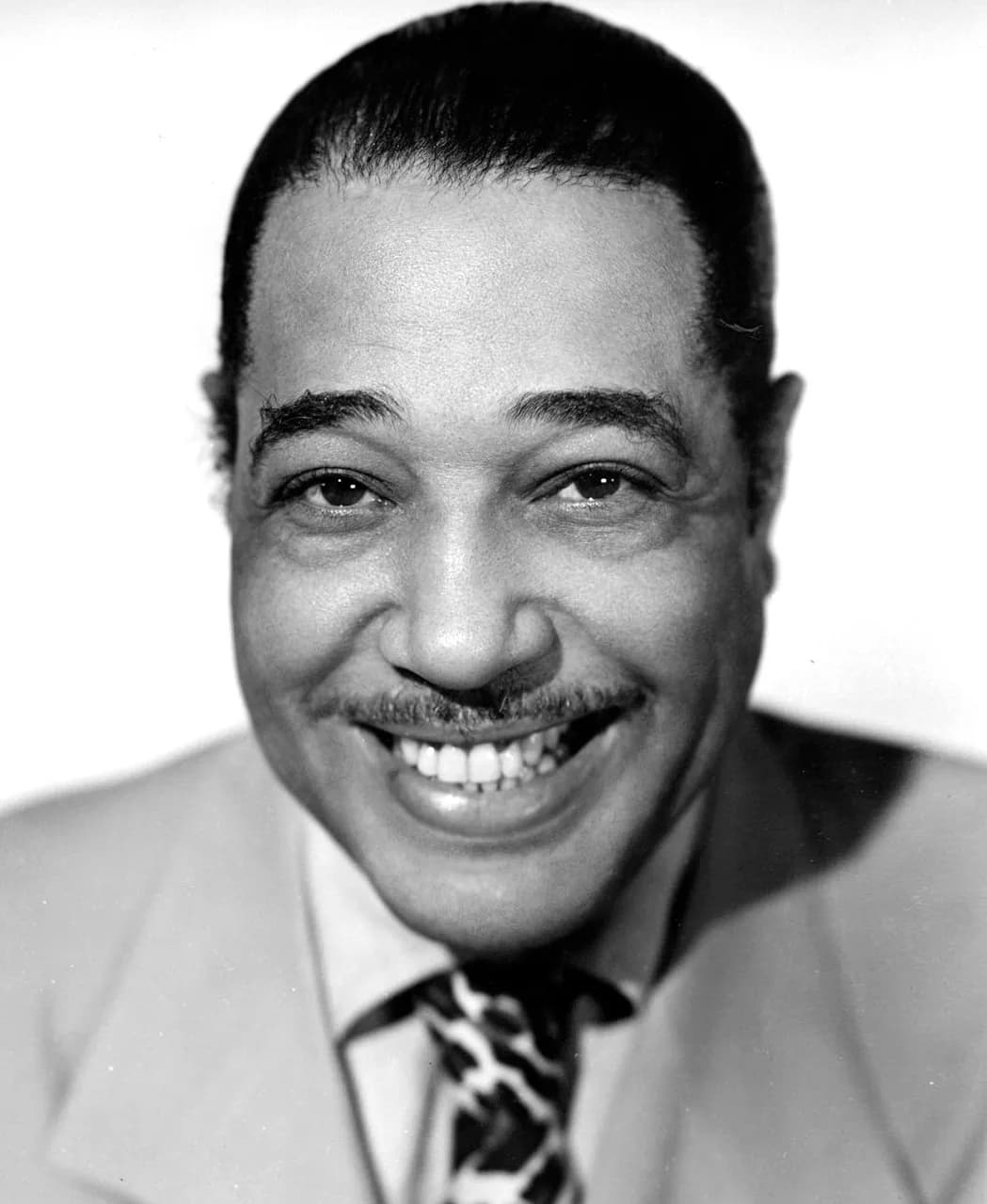
Duke Ellington (1899–1974) was United States best known for American jazz pianist and composer.
Edward Kennedy "Duke" Ellington (April 29, 1899 – May 24, 1974) was an American jazz pianist, composer, and orchestra leader. He led his renowned jazz orchestra from 1924 throughout his life, becoming recognized as "America's most important composer." His innovative compositions and arrangements reshaped jazz music forever.
Capítulo
Capítulos da vida
Capítulo 1 · 1899· Capítulo 1 de 7
Early Life and Origins
Edward Kennedy Ellington’s journey began in Washington, D.C., where he was born on April 29, 1899. While specific details about his family and early education are not provided, his birthplace in the United States served as the foundation for his remarkable musical career. His early years in the nation's capital undoubtedly provided a rich cultural backdrop that would later influence his distinctive sound and compositions.
Capítulo 2 · 1924· Capítulo 2 de 7
Career Beginnings
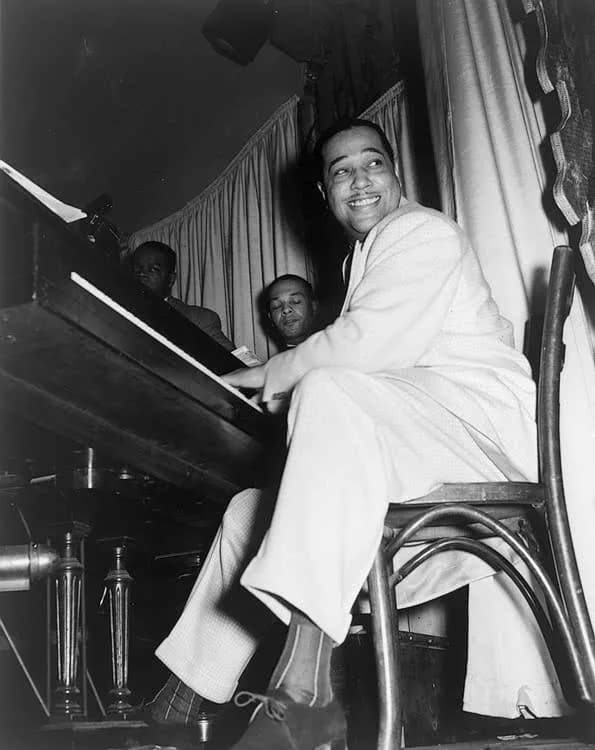
Duke Ellington's professional career truly took flight with the formation of his jazz orchestra in 1924. This marked the beginning of an extraordinary era during which he would not only lead his ensemble but also craft a distinct musical identity. His early work as a pianist and musician quickly evolved, establishing him as a prominent figure in the burgeoning jazz scene of the time.
Capítulo 3 · 1940· Capítulo 3 de 7
Major Achievements and Career Highlights
Throughout his extensive career, Duke Ellington achieved widespread acclaim as a composer, conductor, and orchestra leader, maintaining his leadership of the orchestra until his passing. His creative output spanned the genres of jazz, big band, and swing, constantly pushing their boundaries with innovative arrangements and compositions. Among his notable discography are significant albums like "The Duke" from 1940, "One Night Stand" in 1945, and the powerful "Black Brown and Beige: A Duke Ellington Tone Parallel to the American Negro" released in 1946. He continued to produce seminal works, including "Piano Reflections" in 1953, "At Newport" in 1956, and collaborative efforts such as "Back to Back: Duke Ellington and Johnny Hodges Play the Blues" and "Side by Side," both released in 1959. Ellington's contributions also extended to film, composing the score for "Anatomy of a Murder" in 1962 and appearing in features like "Cabin in the Sky" from 1943 and "Symphony in Black" in 1935.
Capítulo 4· Capítulo 4 de 7
Personal Life
Information regarding Duke Ellington's personal family life, specific relationships, or individual interests beyond his expansive musical career is not detailed in the provided materials. His public persona was largely defined by his relentless dedication to his music and his orchestra.
Capítulo 5 · 1962· Capítulo 5 de 7
Notable Works or Contributions
Ellington's prolific output included countless compositions, many of which became jazz standards. His musical genius is exemplified by works such as "It Don't Mean A Thing," a quintessential jazz piece, and his extensive film score for the 1962 drama "Anatomy of a Murder." Beyond his music, Ellington also engaged in autobiography, contributing to works like "My people." His significant impact as an arranger is highlighted through works like "Lee Evans Arranges Duke Ellington for Piano Solo" and collections such as "The compositions of Duke Ellington." His influence reached across various media, from albums like "The Duke Plays Ellington" and "Greatest hits" to film appearances in "Belle of the Nineties" in 1934 and "Murder at the Vanities" that same year, further showcasing his broad artistic engagement.
Capítulo 6 · 1974· Capítulo 6 de 7
Later Years
Duke Ellington remained actively involved in his music and leading his orchestra right up until his death. He continued to tour, compose, and perform, maintaining his energetic musical pursuit. His final years saw him still at the helm, producing new works and presenting his unique sound to audiences worldwide, until his passing on May 24, 1974, in New York City.
Capítulo 7· Capítulo 7 de 7
Legacy and Impact
Duke Ellington's legacy is immense, profoundly shaping the development of jazz, big band, and swing music throughout the 20th century and beyond. His innovative arrangements and sophisticated compositions elevated jazz to a respected art form, distinguishing him as an orchestra leader with unparalleled creative vision. He transformed the sound of American music, leaving behind a vast catalog of recordings and scores that continue to inspire musicians and delight listeners worldwide. His enduring influence ensures his place as one of the most important figures in the history of American music.
Uma vida em momentos
Os momentos que moldaram uma vida
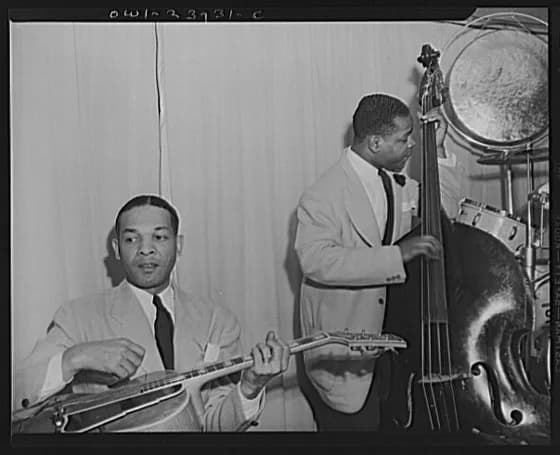
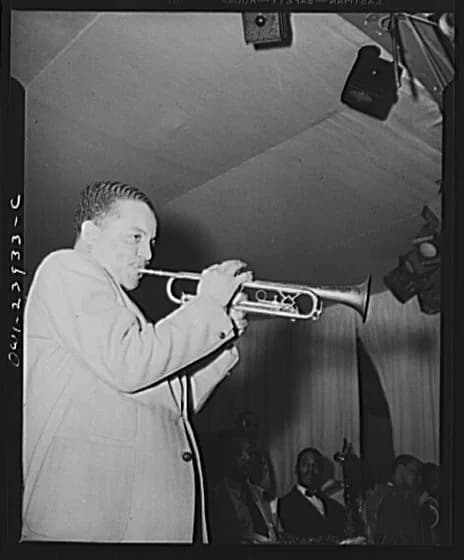
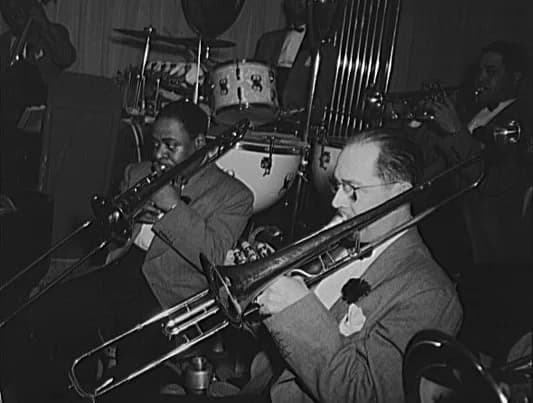
FAQ
Perguntas frequentes
Quando Duke Ellington morreu?
Duke Ellington morreu em 24 de maio de 1974 em New York City, United States, aos 75 anos.
Onde Duke Ellington nasceu?
Duke Ellington nasceu em Washington, D.C., United States em 29 de abril de 1899.
Pelo que Duke Ellington é mais conhecido(a)?
Duke Ellington é mais conhecido(a) por American jazz pianist and composer.
Quantos anos Duke Ellington tinha ao morrer?
Duke Ellington tinha 75 anos no momento da morte.
Qual era a nacionalidade de Duke Ellington?
Duke Ellington era de United States.
Linha do tempo
A vida em resumo
Galeria de fotos
Uma vida em imagens
Clique em uma polaroid para ampliar · 24 fotos
Código QR
Compartilhar Esta Biografia
Imprimir e Compartilhar
Escaneie para visitar a página desta biografia. Imprima para eventos, exposições ou materiais educativos.