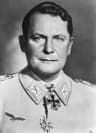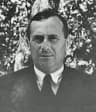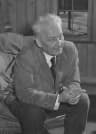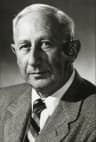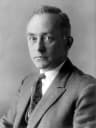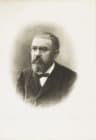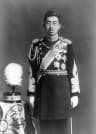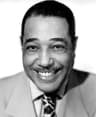
Geboren
April 29, 1893
Walkerton, United States
Overleden
January 5, 1981
La Jolla, United States
Bekend om
American physical chemist
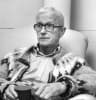
Harold Urey (1893–1981) was United States best known for American physical chemist.
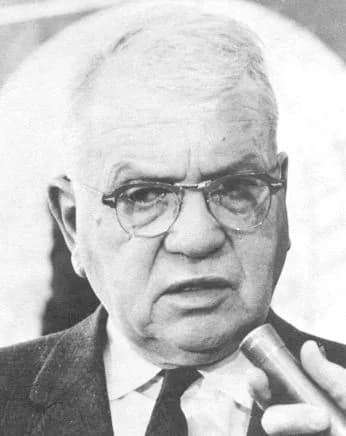
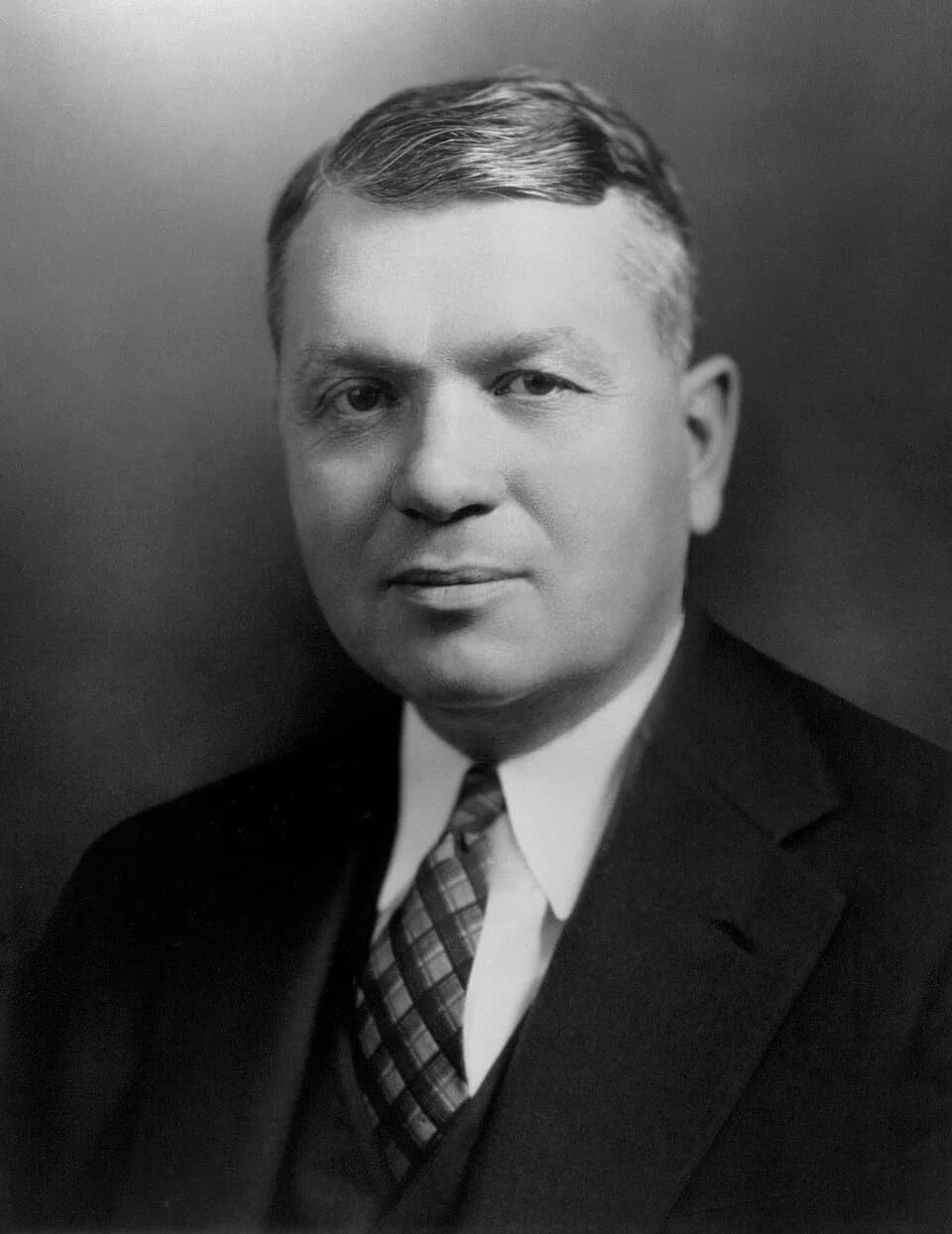
Harold Urey (April 29, 1893 – January 5, 1981) was an American physical chemist from Walkerton, United States. He was awarded the 1934 Nobel Prize in Chemistry for his discovery of heavy hydrogen. Urey's work profoundly influenced our understanding of isotopes and the origin of life on Earth.
Hoofdstuk
Levenshoofdstukken
Hoofdstuk 1 · 1893· Hoofdstuk 1 van 5
Early Life and Education
Harold Urey was born on April 29, 1893, in Walkerton, United States. His formative years instilled in him a profound curiosity and a drive for academic exploration. This early environment provided the groundwork for his eventual deep scientific engagement, fostering a mind primed for discovery.
Urey pursued a diverse educational path, demonstrating an aptitude for multiple disciplines from an early age. He cultivated expertise in fields such as astronomy, zoology, and chemistry during his academic journey. This broad intellectual foundation was instrumental in preparing him for the complex interdisciplinary challenges he would address throughout his distinguished career.
Hoofdstuk 2· Hoofdstuk 2 van 5
A Dedication to Scientific Inquiry
Urey's professional journey was marked by a commitment to various scientific roles, showcasing his wide-ranging proficiency. He served with distinction as a chemist, a physicist, and a university teacher, inspiring countless students with his passion and knowledge. His early contributions quickly established him as a rising figure in the scientific community.
Throughout his career, Harold Urey applied his intellect to fundamental questions across several fields. He also held roles as an astronomer and a zoologist, professions that highlight his broad scientific interests extending beyond physical chemistry. This expansive professional background underscored his unique capacity to bridge disparate scientific fields and pursue a holistic understanding of the natural world.
Hoofdstuk 3· Hoofdstuk 3 van 5
The Discovery of Heavy Hydrogen and Nobel Laureate
A pivotal achievement in Harold Urey’s career was his meticulous and groundbreaking work on isotopes. This dedicated research led directly to the seminal discovery of heavy hydrogen, also known as deuterium. This finding was a major scientific breakthrough with far-reaching implications for both theoretical and applied chemistry, forever changing the landscape of isotopic research.
For this extraordinary accomplishment, Harold Urey was deservedly awarded the 1934 Nobel Prize in Chemistry. This prestigious recognition solidified his international standing as a leading physical chemist of his era. His insights into isotope separation and properties provided new, powerful tools for understanding atomic structure and chemical reactions, opening new avenues for research.
Hoofdstuk 4· Hoofdstuk 4 van 5
Contributions to Planetary Science and the Origin of Life
Beyond his celebrated work with isotopes, Harold Urey made other significant contributions to scientific and historical endeavors. He played an important role in the development of the atom bomb, a testament to his expertise during a critical era. His scientific acumen was applied to some of the most pressing challenges of his time, demonstrating his versatility.
Urey also devoted considerable thought and research to theories regarding the origin of organic life from non-living matter. He explored fundamental questions about how life might have first emerged on Earth, contributing to the nascent field of astrobiology. His notable work, 'The Planets, Their Origin and Development,' stands as a clear articulation of his insights into cosmochemistry and planetary formation, offering a comprehensive view of celestial bodies.
Hoofdstuk 5· Hoofdstuk 5 van 5
Later Years and Lasting Influence
In his later career, Harold Urey continued to be a productive and esteemed member of the scientific community. His extensive research is reflected in an impressive h-index of 49, derived from 304 published papers across various disciplines. His commitment to pushing the boundaries of scientific knowledge remained strong throughout his life, influencing subsequent generations of researchers.
Harold Urey passed away on January 5, 1981, in La Jolla, United States, at the age of 87. His legacy as a pioneer in physical chemistry and a polymath who advanced our understanding of the cosmos and the origins of life continues to inspire. The Harold C. Urey Prize in Planetary Science, though established posthumously, stands as a lasting tribute to his profound influence on the field of planetary science.
Een leven in momenten
De momenten die een leven hebben gevormd
Veelgestelde vragen
Veelgestelde vragen
Wanneer is Harold Urey overleden?
Harold Urey overleed op 5 januari 1981 in La Jolla, United States op 87-jarige leeftijd.
Waar werd Harold Urey geboren?
Harold Urey werd geboren in Walkerton, United States op 29 april 1893.
Waar is Harold Urey het meest bekend om?
Harold Urey is het meest bekend om American physical chemist.
Hoe oud was Harold Urey bij overlijden?
Harold Urey was 87 jaar oud op het moment van overlijden.
Wat was de nationaliteit van Harold Urey?
Harold Urey kwam uit United States.
Tijdlijn
Een leven in een oogopslag
Fotogalerij
Een leven in beelden
Klik op een polaroid om uit te vergroten · 19 foto's
QR-code
Deel deze biografie
Afdrukken en delen
Scan om deze biografiepagina te bezoeken. Druk af voor evenementen, tentoonstellingen of educatief materiaal.