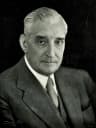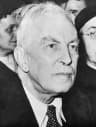
Né(e)
November 14, 1889
Minya Governorate, Egypt
Décédé(e)
October 28, 1973
Cairo, Egypt
Connu(e) pour
Egyptian writer and literary critic
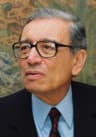
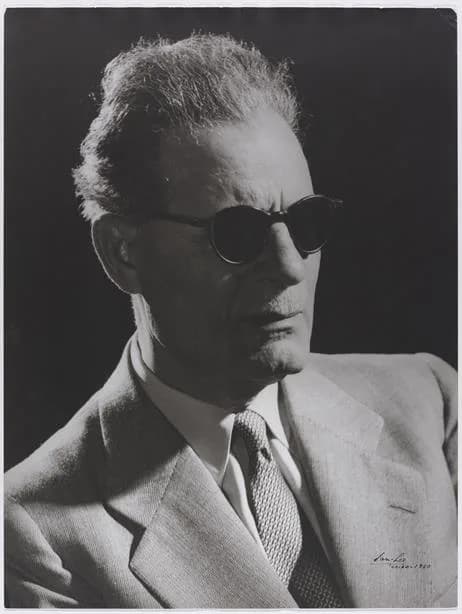
Taha Hussein (1889–1973) was Egypt best known for Egyptian writer and literary critic.
Taha Hussein (November 14, 1889 – October 28, 1973) was an Egyptian writer and literary critic from Minya Governorate. He was a leading figure of the Arab Renaissance and a twenty-one time Nobel Prize in Literature nominee. Known as "The Dean of Arabic Literature," his works continue to shape Arabic thought.
Chapitre
Chapitres de vie
Chapitre 1 · 1889· Chapitre 1 sur 7
Opening Tribute
Taha Hussein (November 14, 1889 – October 28, 1973) stands as a monumental figure in the annals of Arabic letters. As an Egyptian writer and literary critic, he exerted a profound influence on 20th-century Arab intellectual thought. His esteemed sobriquet, "The Dean of Arabic Literature," fittingly captures his immense stature and enduring legacy.
Hussein was a leading luminary of the Arab Renaissance and a central force in the modernist movement that swept across the Arab world. His contributions transcended mere literature, shaping cultural and political discourse for generations. He dedicated his life to education, literature, and the advancement of Arab thought.
Chapitre 2 · 1889· Chapitre 2 sur 7
Early Life and Origins
Taha Hussein was born on November 14, 1889, in the Minya Governorate, Egypt. His early years in this region of Egypt provided the foundational experiences that would later inform much of his groundbreaking work. His upbringing in Egypt deeply influenced his perspective on society, culture, and the role of the individual.
Chapitre 3· Chapitre 3 sur 7
Professions and Early Influence
Throughout his prolific career, Taha Hussein embraced a wide array of professions, each contributing to his multifaceted influence. He excelled as a writer, producing numerous works that explored complex themes of identity and modernity. His roles as a poet and novelist showcased his mastery of different literary forms, captivating audiences with his rich storytelling.
Beyond creative writing, Hussein was also a distinguished university teacher and lecturer, imparting his knowledge to countless students. He served as a keen literary critic, shaping the critical landscape of his time, and as a linguist and literary scholar, he delved into the intricacies of Arabic language and history. Additionally, his work as a translator bridged cultural divides, while his engagement as a politician demonstrated his commitment to broader societal issues.
Chapitre 4· Chapitre 4 sur 7
Major Achievements and Impact
Taha Hussein's influence as an intellectual was immense, solidifying his position among the most significant figures of his era. He was instrumental in steering the Arab Renaissance, advocating for a renewal of Arab culture and thought. His pioneering efforts helped define the modernist movement in the Arab world, encouraging innovative approaches to literature and societal development.
His literary prowess and intellectual contributions garnered international recognition, leading to twenty-one nominations for the Nobel Prize in Literature. This exceptional number of nominations speaks volumes about his global standing and the profound impact of his work on world literature. He was truly revered as "The Dean of Arabic Literature" for his unparalleled contributions.
Chapitre 5· Chapitre 5 sur 7
Notable Literary Works
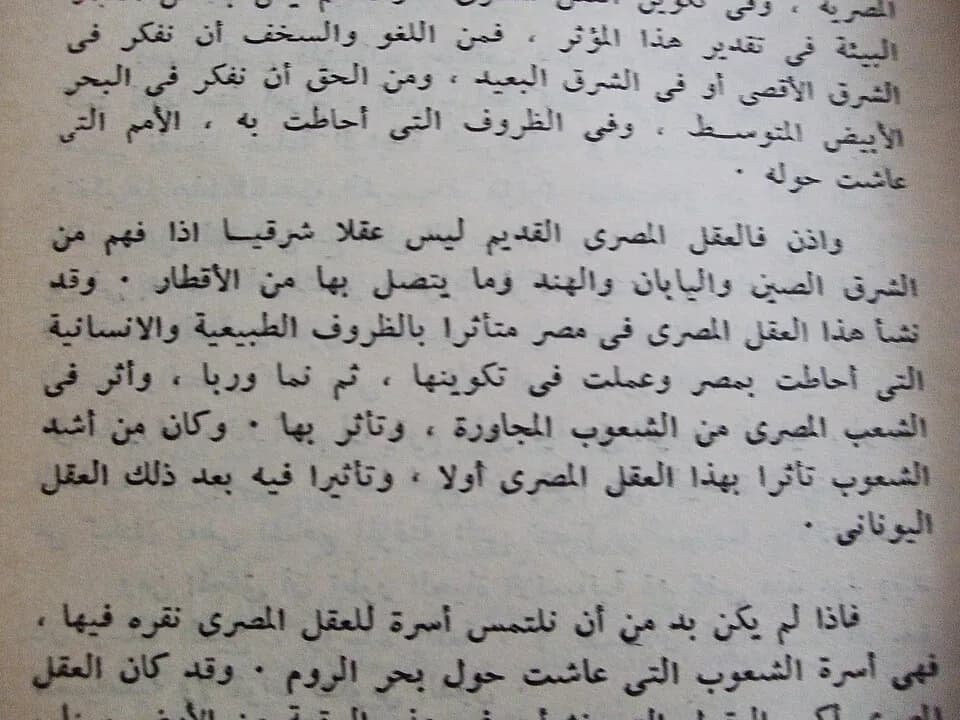
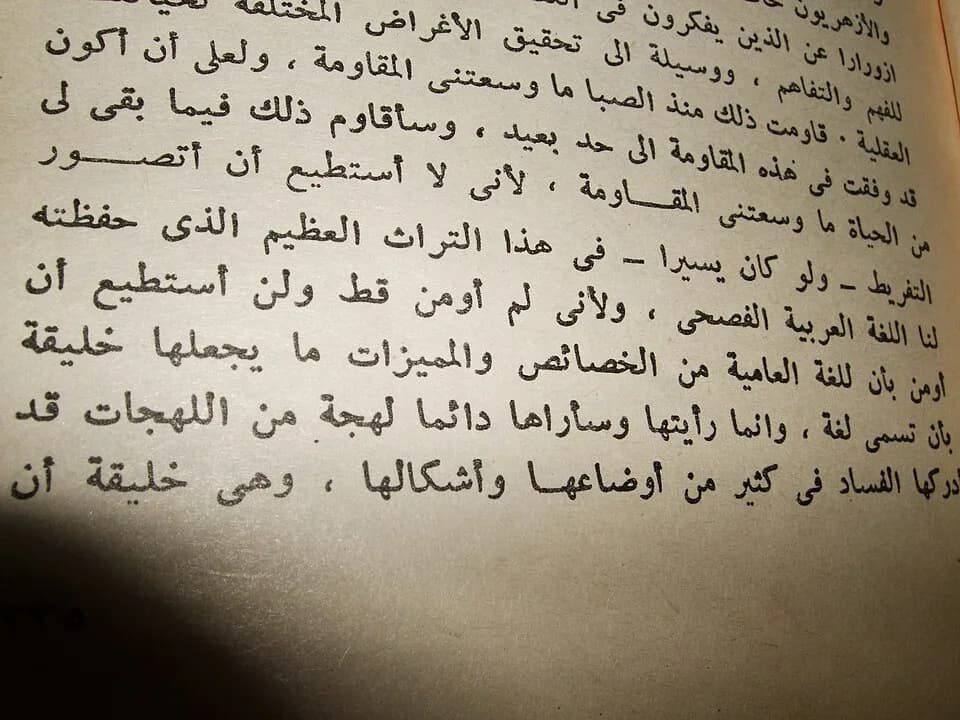
Taha Hussein's extensive bibliography includes a range of seminal works that continue to be studied and admired. Among his most celebrated autobiographical writings is "Egyptian Childhood," which offers an intimate look into his early life experiences. Another significant work, "Days," also known as "Al ayam," further explores his personal journey and reflections.
His diverse literary output also features titles such as "Grande Epreuve," a powerful exploration of human endurance, and "Au-delà du Nil," which provided French-speaking audiences with a glimpse into his world. "Man of Letters" showcased his insights into the literary world, while "The Call of the Curlew" demonstrated his lyrical storytelling. "La traversée intérieure" further cemented his reputation as a profound and versatile author.
Chapitre 6 · 1973· Chapitre 6 sur 7
Later Years
Taha Hussein passed away on October 28, 1973, in Cairo, Egypt. His death marked the conclusion of a life dedicated to intellectual pursuit and literary excellence. He remained active in cultural and educational spheres until his final years, leaving behind an unparalleled body of work.
Chapitre 7· Chapitre 7 sur 7
Enduring Legacy
The legacy of Taha Hussein remains vibrant and relevant in contemporary Arabic culture. His relentless advocacy for education and enlightenment continues to inspire new generations of scholars and writers. As a literary critic, novelist, and historian, he redefined the boundaries of Arabic literature, encouraging critical thinking and intellectual rigor.
Hussein’s vision for a modern Arab world, deeply rooted in its heritage yet open to global influences, continues to shape discussions on identity and progress. His works are cornerstones of Arabic literature, studied for their literary merit and their insightful commentary on human experience. He is remembered not only for his literary achievements but also for his unwavering commitment to progress and his powerful role in the Arab Renaissance.
Une vie en moments
Les moments qui ont façonné une vie
FAQ
Questions fréquentes
Quand Taha Hussein est-il/elle décédé(e) ?
Taha Hussein est décédé(e) le 28 octobre 1973 à Cairo, Egypt, à l'âge de 83 ans.
Où est né(e) Taha Hussein ?
Taha Hussein est né(e) à Minya Governorate, Egypt le 14 novembre 1889.
Pour quoi Taha Hussein est-il/elle le/la plus connu(e) ?
Taha Hussein est surtout connu(e) pour Egyptian writer and literary critic.
Quel âge avait Taha Hussein à sa mort ?
Taha Hussein avait 83 ans au moment de son décès.
Quelle était la nationalité de Taha Hussein ?
Taha Hussein était originaire de Egypt.
Chronologie
La vie en un coup d'œil
- 1889
Opening Tribute
- 1889
Early Life and Origins
- 1973
Later Years
Galerie photo
Une vie en images
Cliquez sur un polaroid pour l'agrandir · 24 photos
QR Code
Partager cette biographie
Imprimer et partager
Scannez pour visiter cette page biographique. Imprimez pour des événements, des expositions ou du matériel pédagogique.