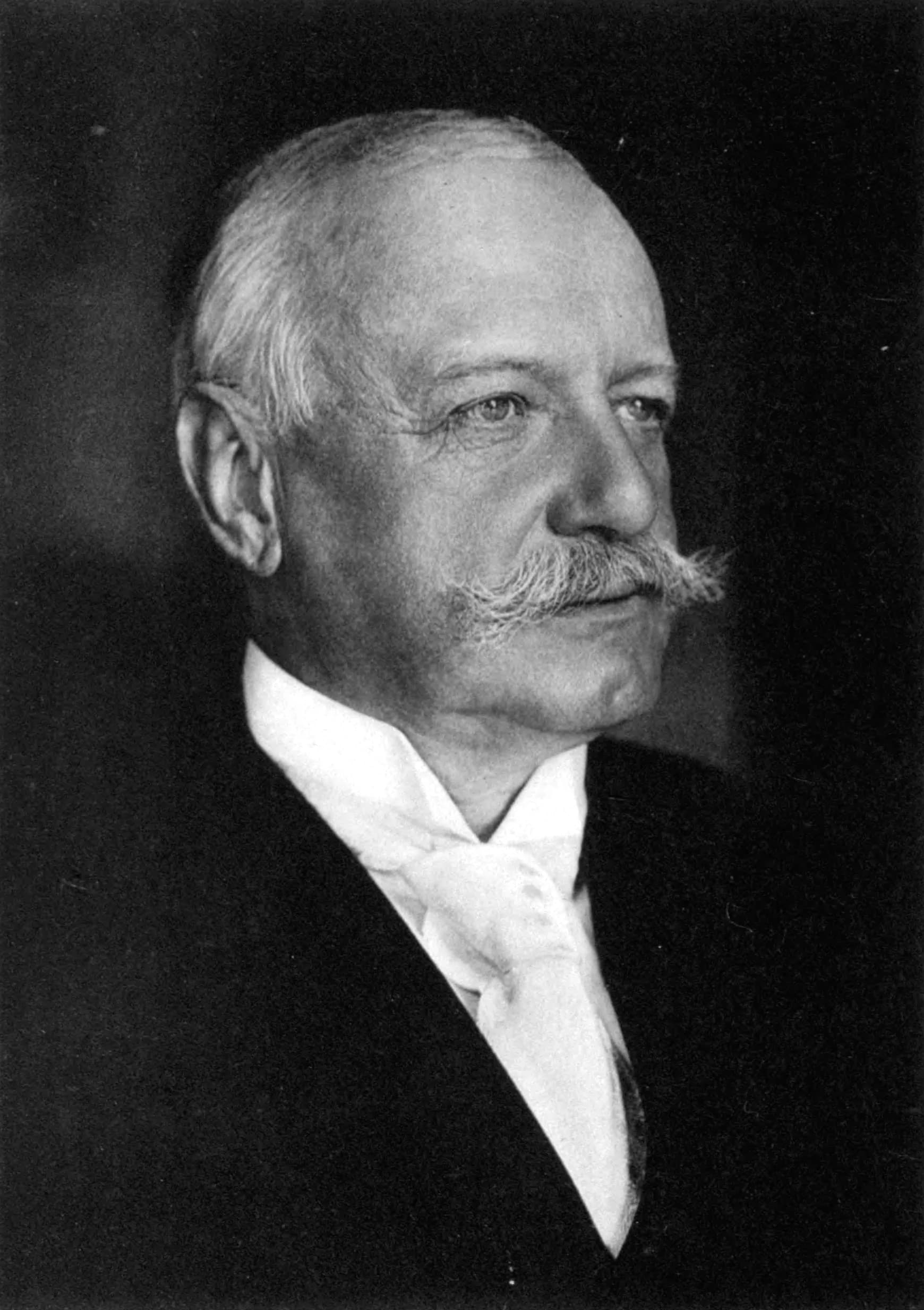
Né(e)
May 3, 1849
Klein Flottbek, Germany
Décédé(e)
October 28, 1929
Rome, Italy
Connu(e) pour
German and Prussian politician
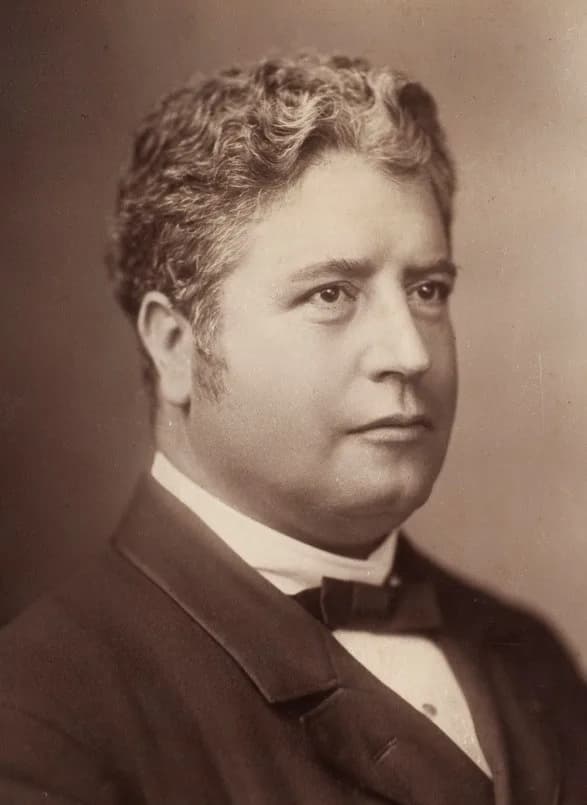
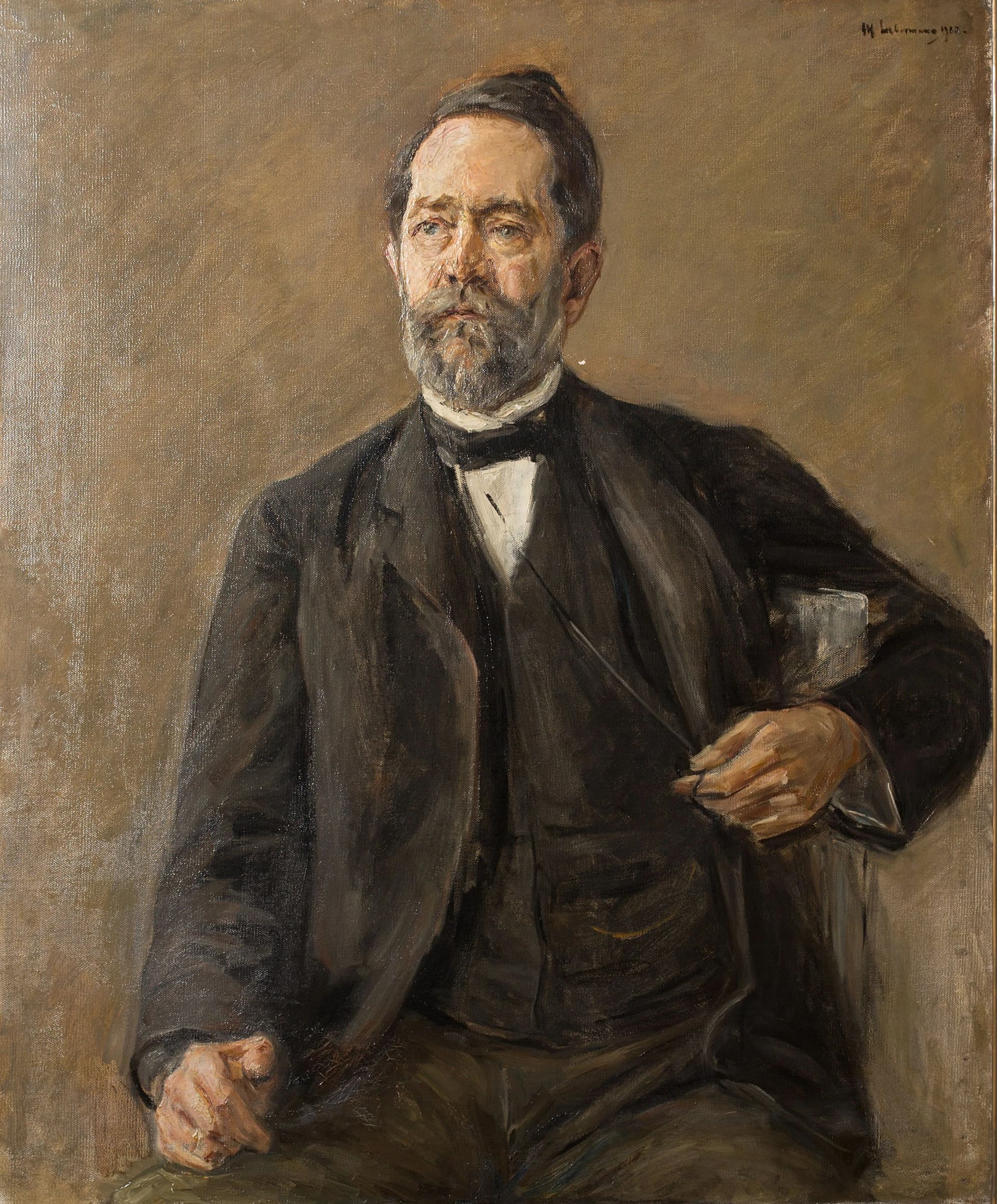
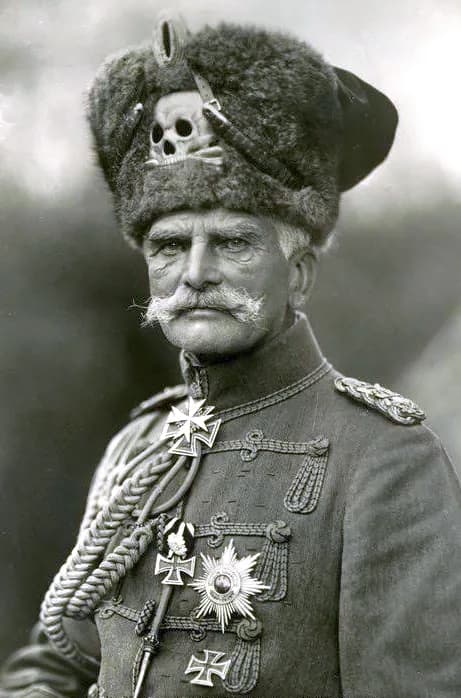
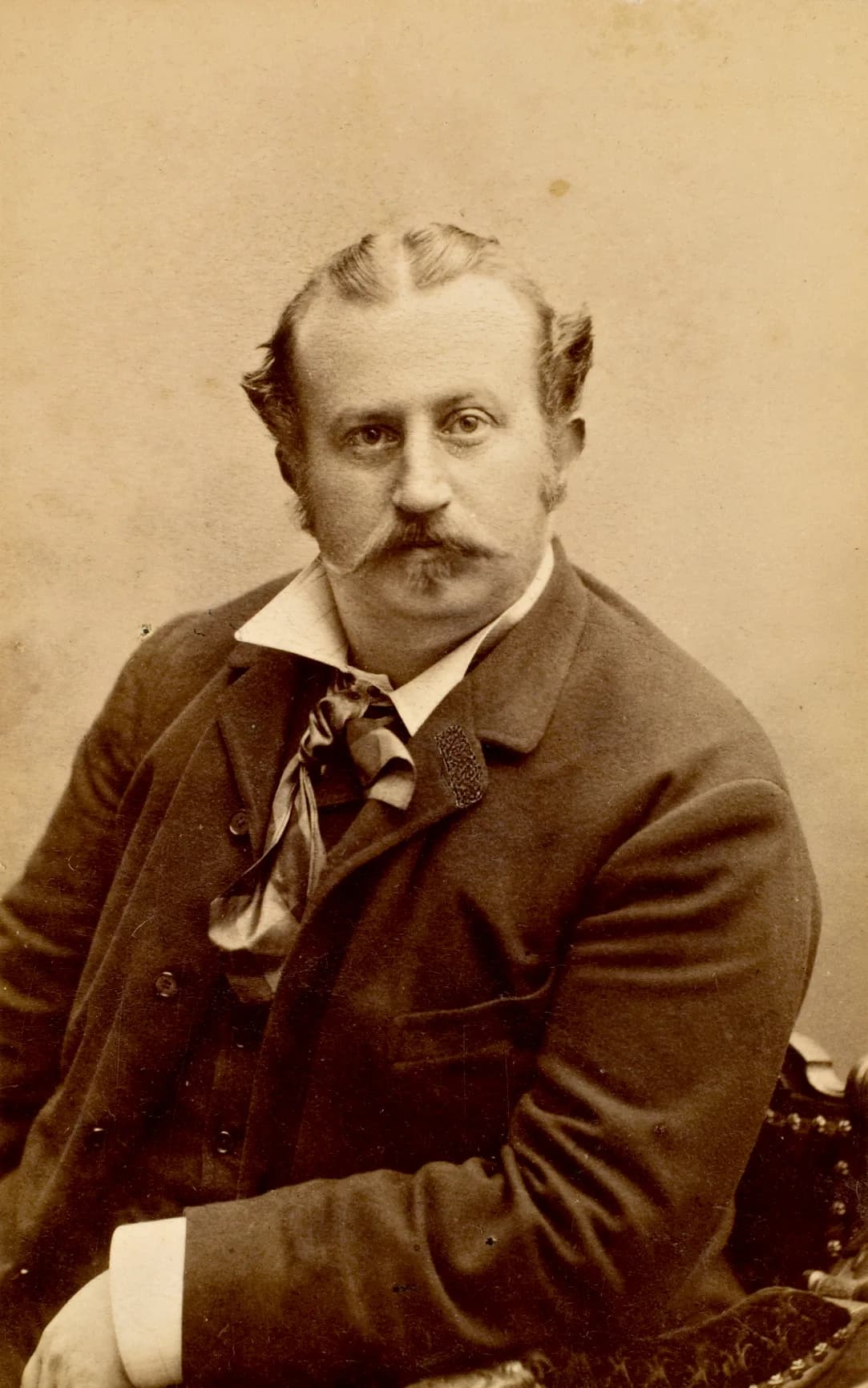
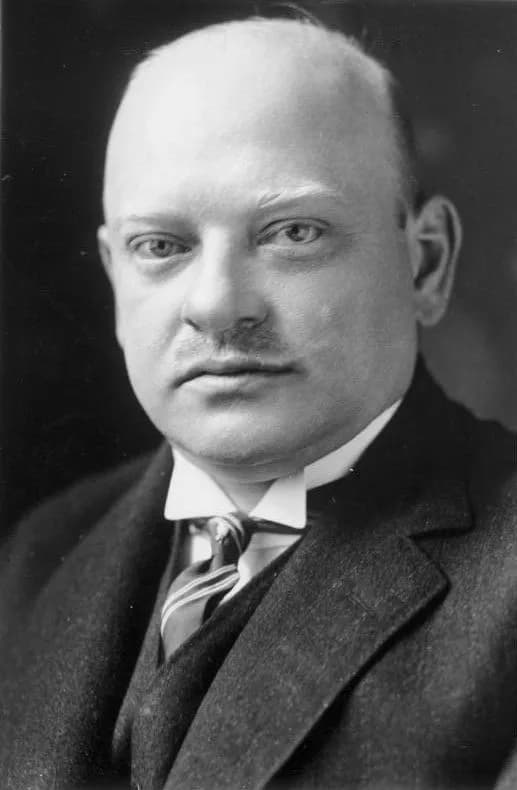
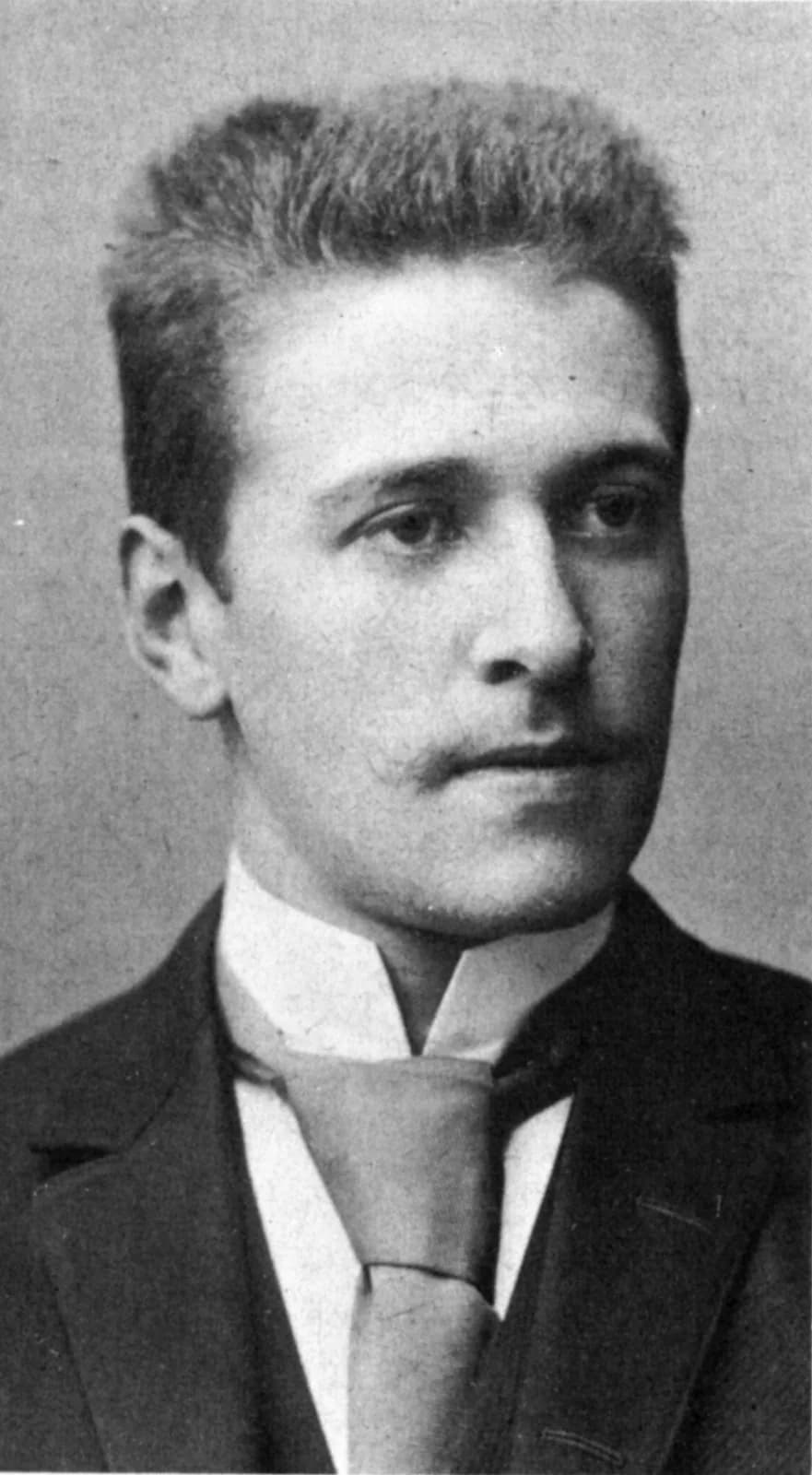
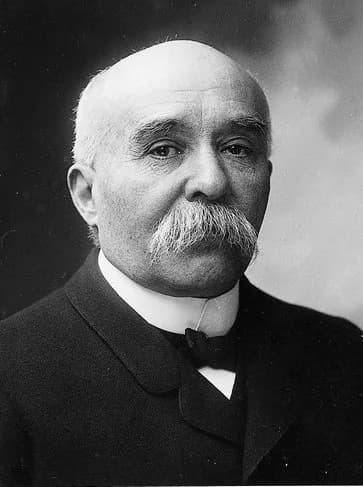
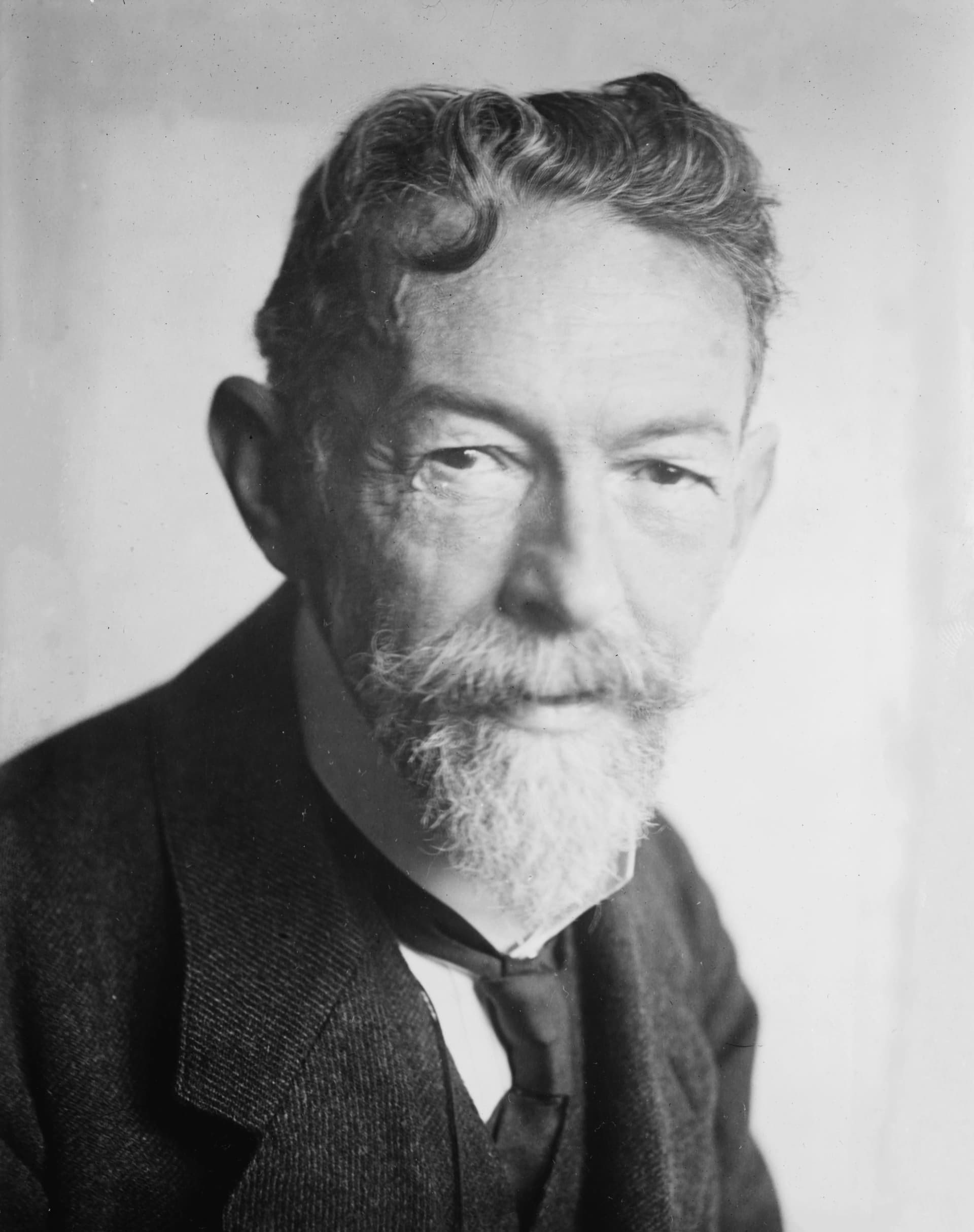
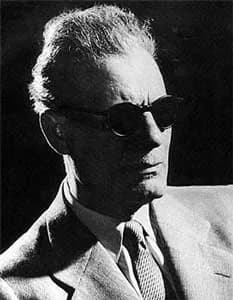
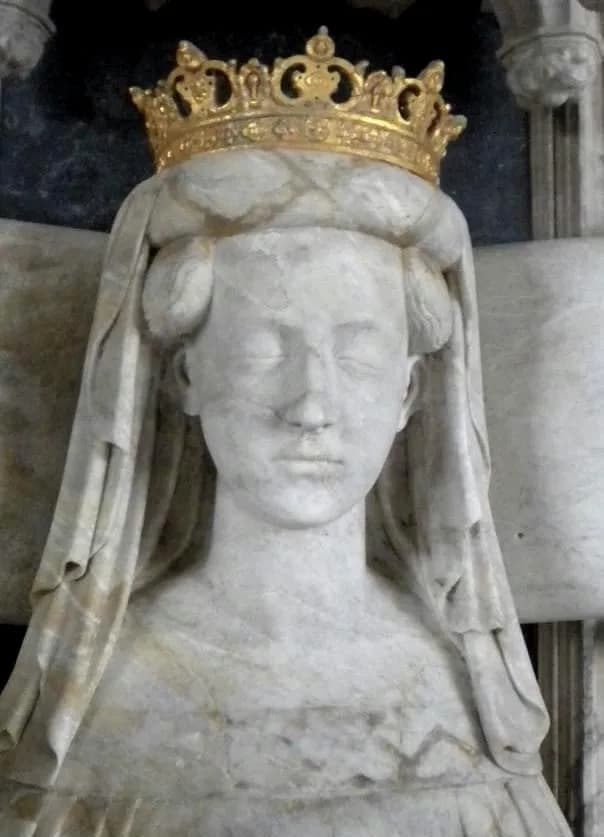
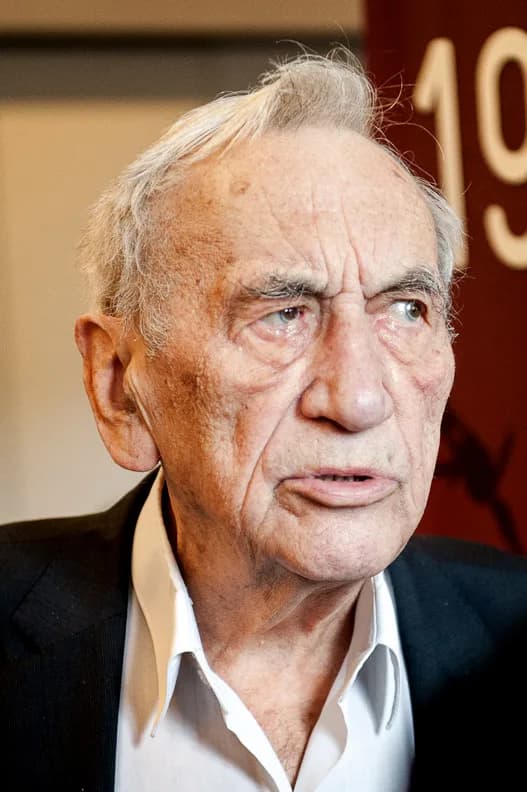
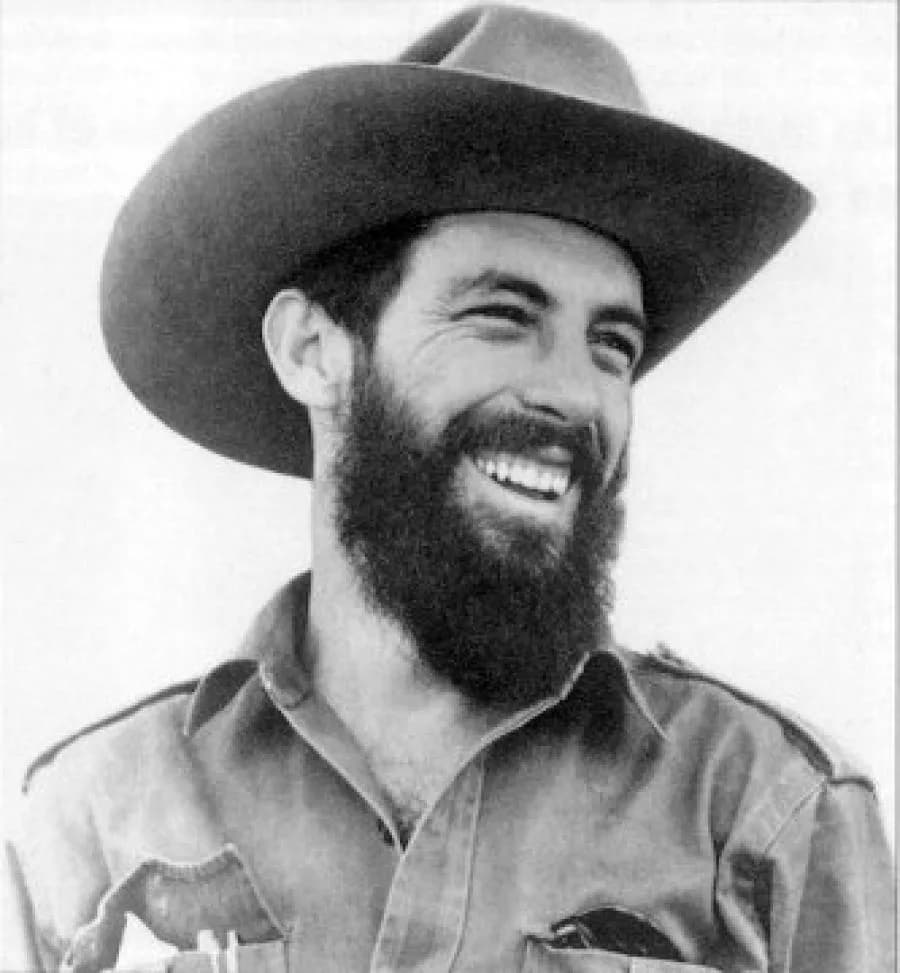
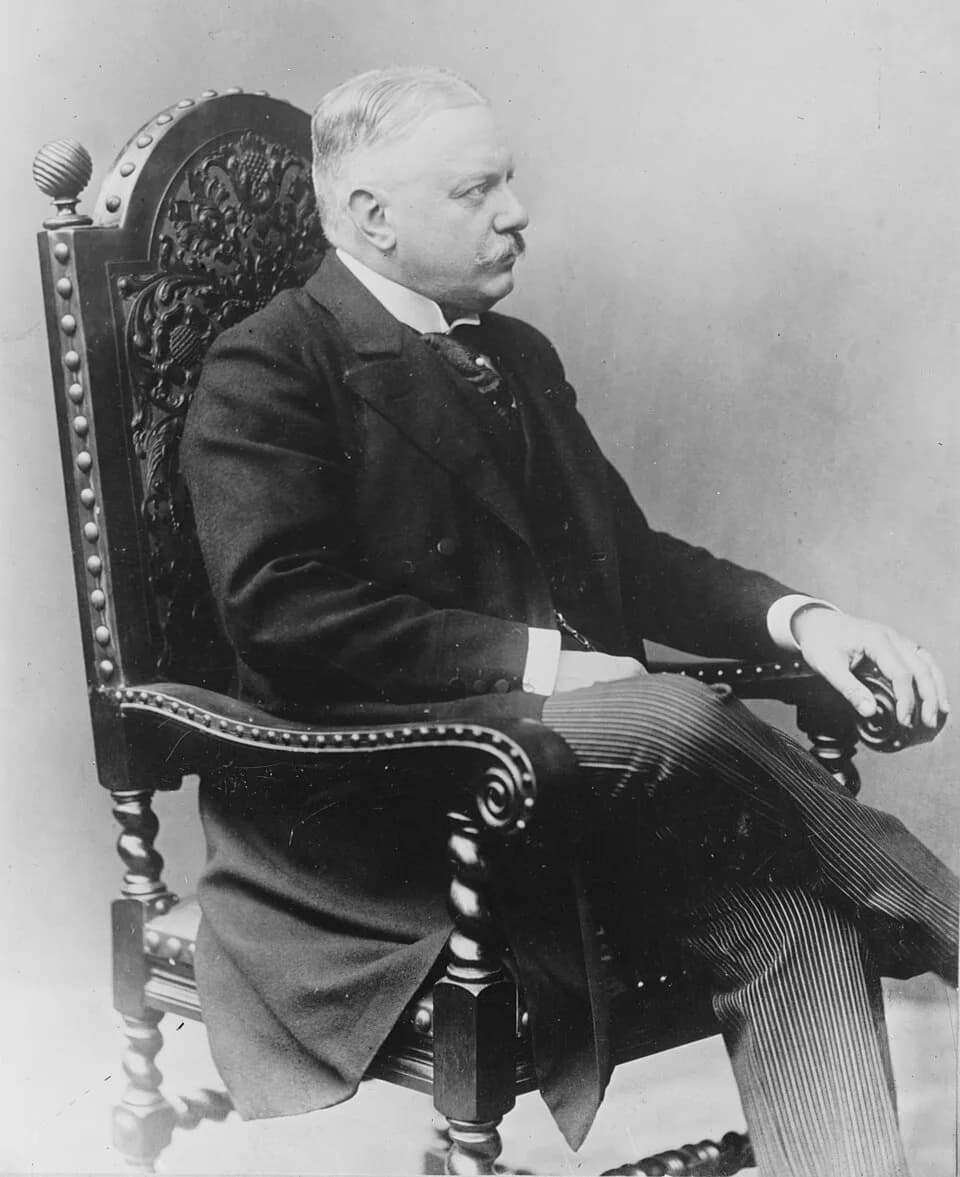
Bernhard von Bülow (1849–1929) was Germany best known for German and Prussian politician.
Bernhard von Bülow (May 3, 1849 – October 28, 1929) was a German and Prussian politician born in Klein Flottbek, Germany. He served as imperial chancellor from 1900 to 1909, dedicated to transforming Germany into a global power. His policies, while fostering economic growth, also contributed to international tensions before World War I.
Une vie en moments
Les moments qui ont façonné une vie
Chapitre
Chapitres de vie
Chapitre 1 · 1849· Chapitre 1 sur 6
Early Life and Origins
Bernhard von Bülow was born on May 3, 1849, in Klein Flottbek, Germany. His early life in Germany set the stage for a career deeply intertwined with the nation's political landscape. Specific details regarding his family background or formal education prior to his diplomatic and political rise are not extensively detailed in public records, yet his ascent to high office suggests a formidable upbringing and intellectual development.
Chapitre 2· Chapitre 2 sur 6
Career Beginnings
While specific entry points into his career are not provided, Bernhard von Bülow's listed professions indicate a trajectory of increasing responsibility. His experience as a diplomat and ambassador honed his skills in international relations. These foundational roles prepared him for the complex challenges he would face at the pinnacle of German politics, demonstrating a progressive path through public service.
Chapitre 3 · 1900· Chapitre 3 sur 6
Major Achievements and Career Highlights
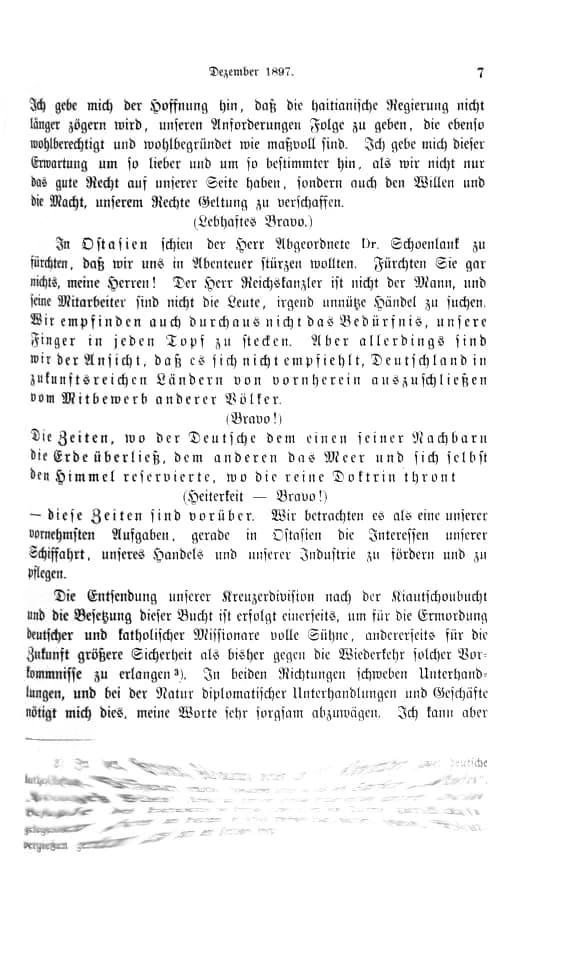
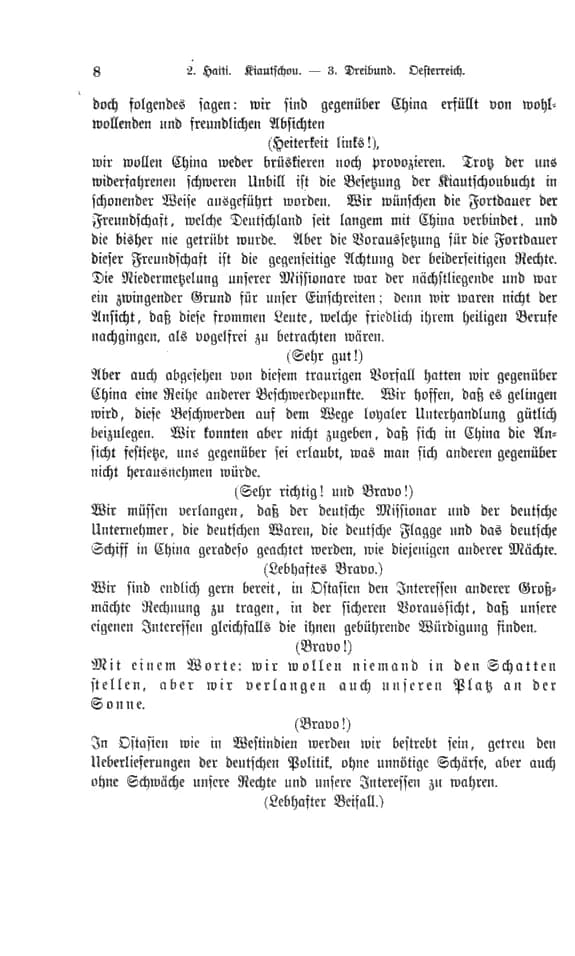
Bernhard von Bülow's most significant period was his chancellorship from 1900 to 1909. As imperial chancellor and minister-president of Prussia, he became a fervent supporter of Weltpolitik, dedicating his tenure to transforming Germany into a formidable global power. During his time in office, Germany experienced sustained economic growth and saw major scientific breakthroughs within the country, reflecting a period of internal prosperity and development.
Despite these domestic successes, his government's foreign policy approach was often bellicose. This aggressive stance significantly antagonized key European powers, including France, Great Britain, and Russia. These diplomatic frictions are widely recognized as significantly contributing to the strained international relations that eventually led to the outbreak of World War I.
Chapitre 4· Chapitre 4 sur 6
Notable Works or Contributions
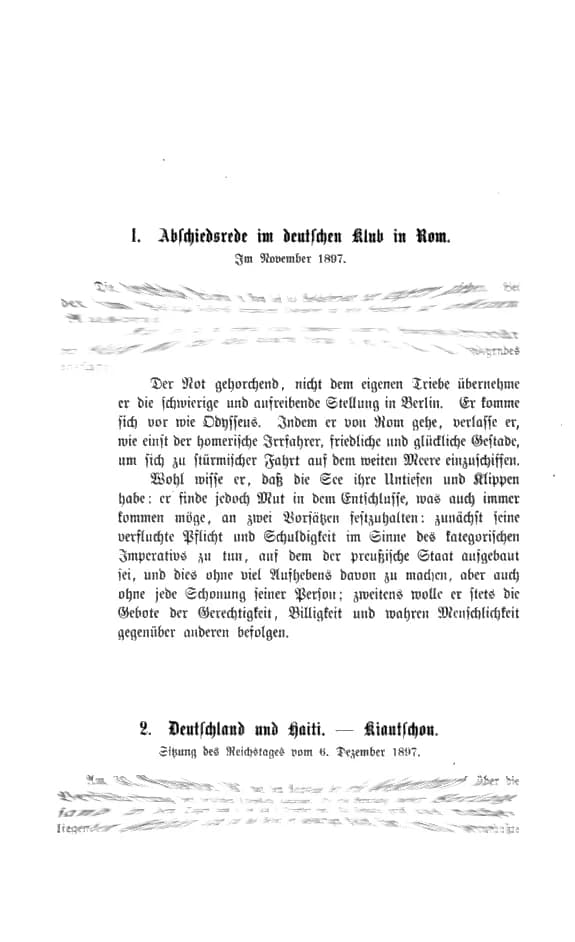
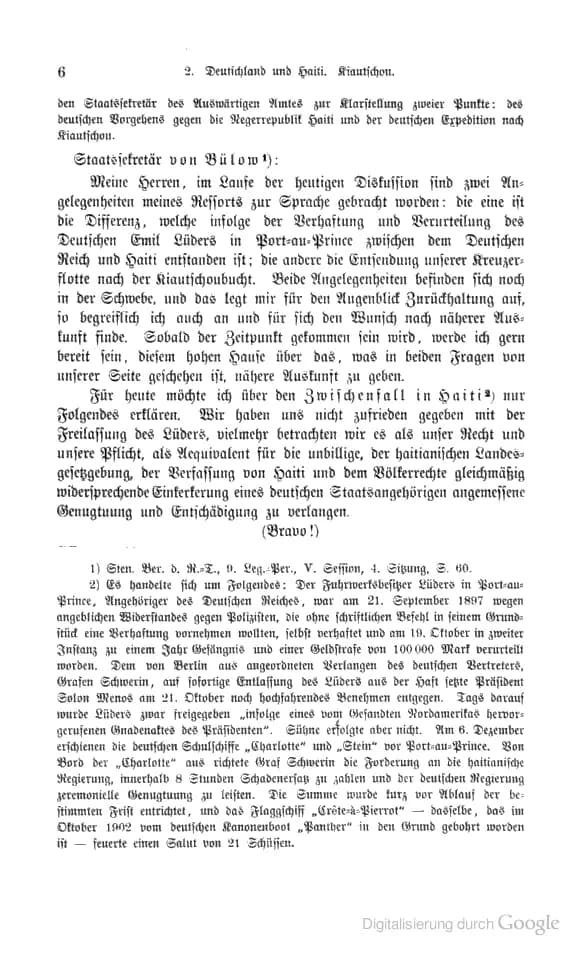
Beyond his political career, Bernhard von Bülow also contributed to scholarly and diplomatic literature. He is credited with works such as "Die grundlinien der diplomatischen verhandlungen bei kriegsausbruch." This publication reflects his perspective and involvement in the intricate diplomatic negotiations preceding major conflicts, offering insights into the period's political climate from a key participant's viewpoint.
Chapitre 5 · 1909· Chapitre 5 sur 6
Later Years
After concluding his chancellorship in 1909, Bernhard von Bülow remained a figure of historical significance. He passed away on October 28, 1929, in Rome, Italy. His later years allowed for reflection on a career that spanned periods of immense change for Germany and Europe, cementing his place in the historical narrative.
Chapitre 6· Chapitre 6 sur 6
Legacy and Impact
Bernhard von Bülow's legacy is defined by his determined pursuit of Weltpolitik and his efforts to establish Germany as a leading global force. His chancellorship oversaw a period of significant national growth and scientific advancement. However, his foreign policy choices also played a role in shaping the geopolitical tensions that preceded World War I, marking him as a complex figure whose actions had far-reaching consequences for international relations and the course of 20th-century history.
FAQ
Questions fréquentes
Quand Bernhard von Bülow est-il/elle décédé(e) ?
Bernhard von Bülow est décédé(e) le 28 octobre 1929 à Rome, Italy, à l'âge de 80 ans.
Où est né(e) Bernhard von Bülow ?
Bernhard von Bülow est né(e) à Klein Flottbek, Germany le 3 mai 1849.
Pour quoi Bernhard von Bülow est-il/elle le/la plus connu(e) ?
Bernhard von Bülow est surtout connu(e) pour German and Prussian politician.
Quel âge avait Bernhard von Bülow à sa mort ?
Bernhard von Bülow avait 80 ans au moment de son décès.
Quelle était la nationalité de Bernhard von Bülow ?
Bernhard von Bülow était originaire de Germany.
Chronologie
La vie en un coup d'œil
Galerie photo
Une vie en images
Cliquez sur un polaroid pour l'agrandir · 25 photos
QR Code
Partager cette biographie
Imprimer et partager
Scannez pour visiter cette page biographique. Imprimez pour des événements, des expositions ou du matériel pédagogique.