Born
December 28, 1856
Woodrow Wilson Birthplace, United States
Died
February 3, 1924
Woodrow Wilson House, United States
Known for
president of the United States from 1913 to 1921
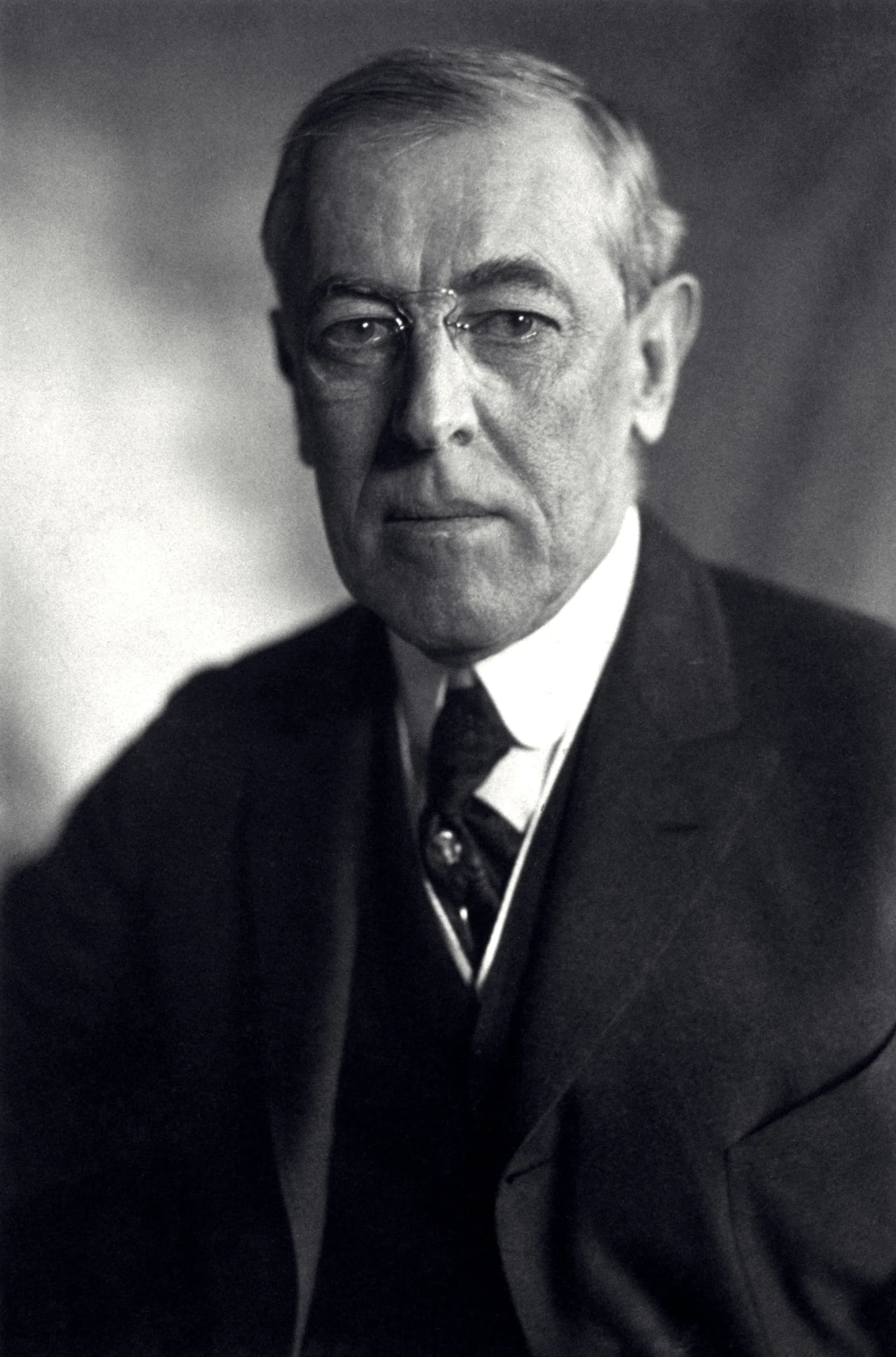
Woodrow Wilson (1856–1924) was United States best known for president of the United States from 1913 to 1921.
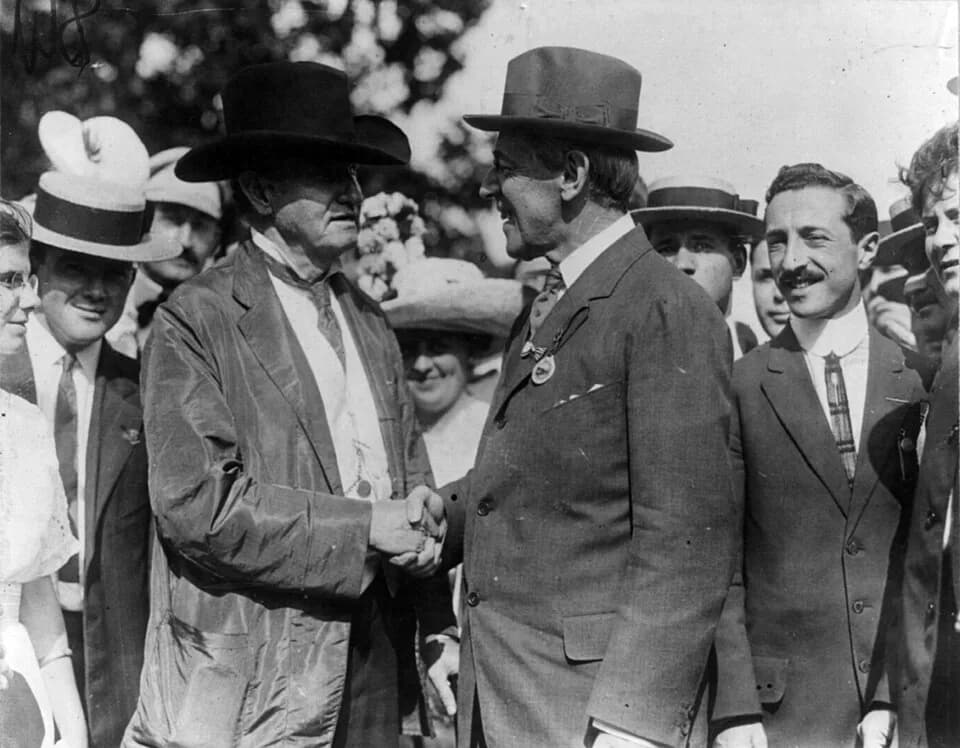
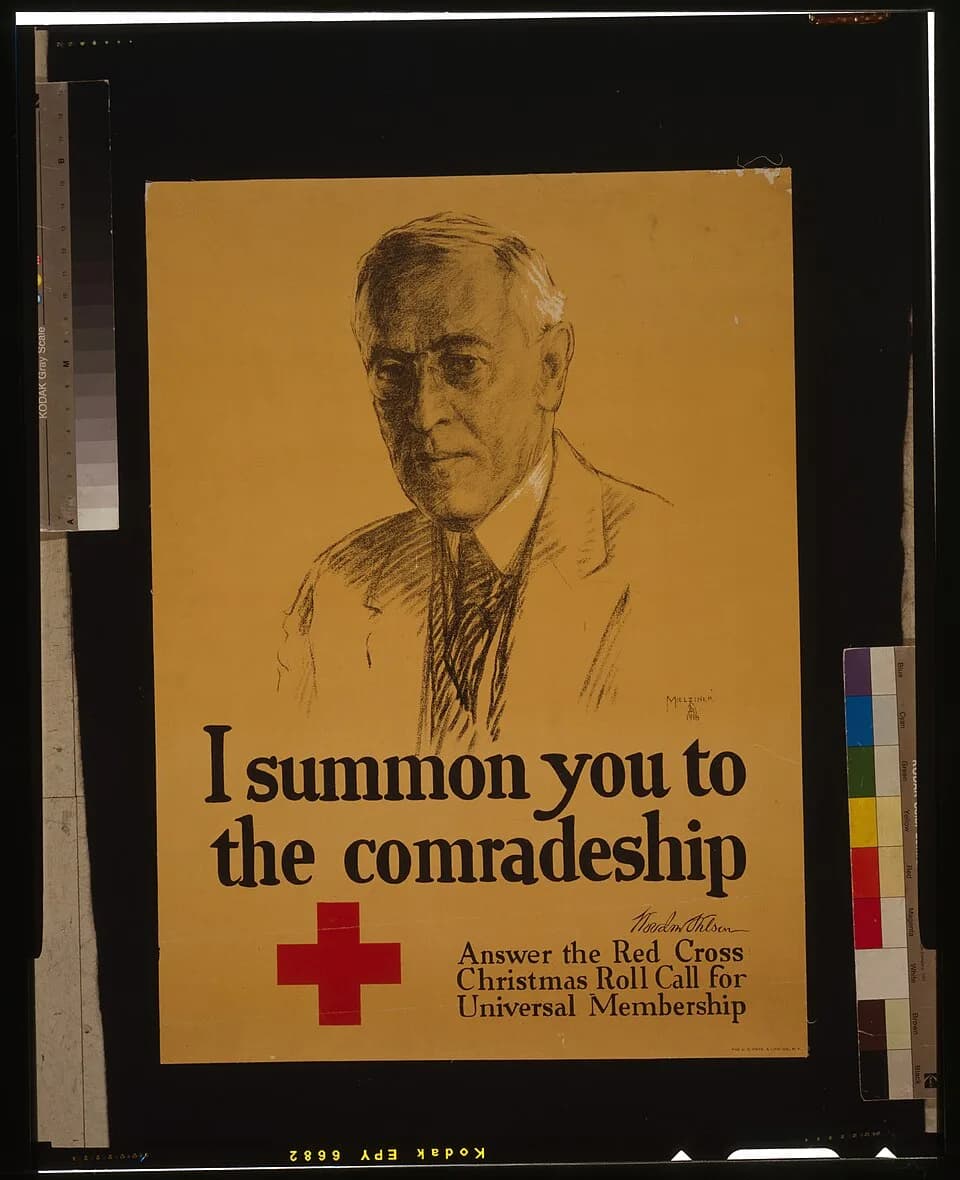
Thomas Woodrow Wilson (December 28, 1856 – February 3, 1924) was a politician, jurist, historian, and the 28th president of the United States. He led the nation through World War I and was the leading architect of the League of Nations. His vision for international peace and cooperation became known as Wilsonianism.
A life in moments
The moments that shaped a life

Chapter
Life chapters
Chapter 1 · 1856· Chapter 1 of 10
Opening
Thomas Woodrow Wilson, born on December 28, 1856, at the Woodrow Wilson Birthplace in the United States, lived a life of significant public service, culminating in his tenure as the 28th president of the United States. Throughout his career, Wilson distinguished himself across numerous professions, including as a writer, lawyer, teacher, politician, governor, jurist, historian, statesperson, political scientist, and university teacher, shaping American and international policy until his passing on February 3, 1924.
Chapter 2 · 1856· Chapter 2 of 10
Early Life and Origins
Woodrow Wilson's journey began in Staunton, Virginia, where he was born on December 28, 1856. This early period in the United States instilled in him a foundational understanding of the nation's historical and societal context. His upbringing provided a rich environment that fostered his intellectual curiosity and prepared him for a life dedicated to study and public discourse.
Chapter 3· Chapter 3 of 10
Academic and Professional Foundation
Before his prominent political career, Wilson cultivated a diverse professional life, reflecting his wide-ranging intellectual interests. He served as a university teacher, a political scientist, and a historian, influencing generations of students and scholars. His work also spanned the legal and literary fields, where he was known as a lawyer and a writer, crafting thoughtful analyses of public affairs.
His academic pursuits eventually led him to positions as a jurist and statesperson, broadening his experience in governance and legal principles. These early roles as a teacher and scholar were instrumental in developing his analytical skills and deep understanding of government, which would later define his political leadership.
Chapter 4· Chapter 4 of 10
Entry into Politics
Wilson's transition into the political arena saw him serve as a governor, building a reputation for progressive reforms and effective administration. This period allowed him to apply his academic insights directly to practical governance. His success in this role quickly propelled him onto the national stage, garnering attention for his reformist vision.
Chapter 5 · 1913· Chapter 5 of 10
Presidency and Progressive Era Reforms
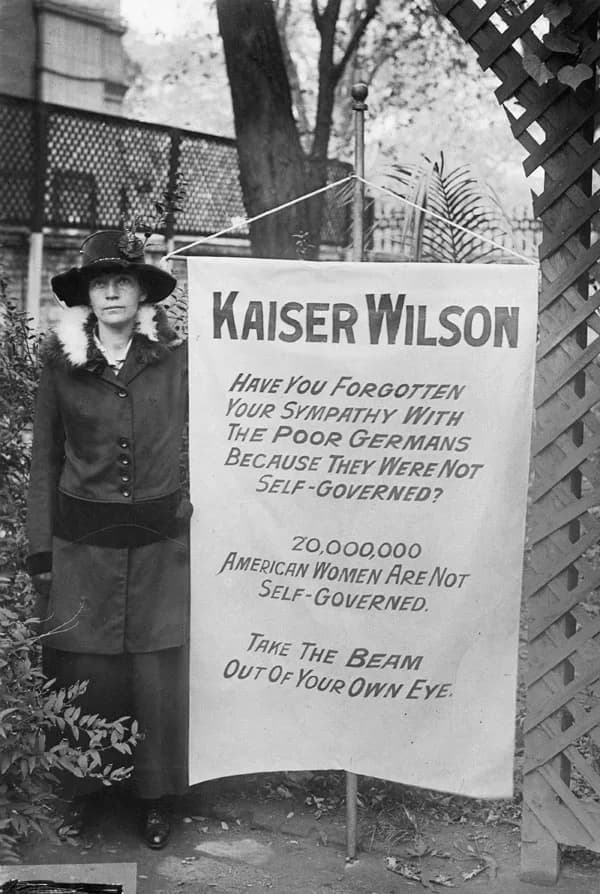
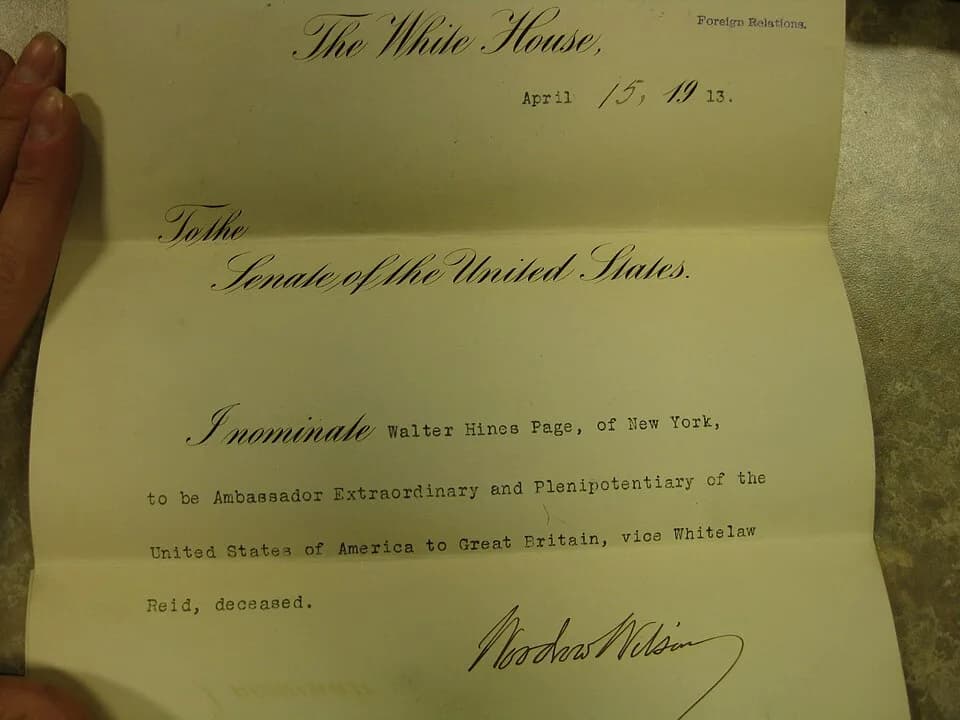
In 1913, Woodrow Wilson was elected as the 28th president of the United States, serving two terms until 1921. He holds the unique distinction of being the only Democrat to serve as president during the Progressive Era, a period otherwise dominated by Republican presidencies and legislative control. During his presidency, Wilson initiated significant economic reforms, addressing various facets of American industry and finance.
His administration tackled complex domestic issues, aiming to create a more equitable economic system for all citizens. These reforms were a cornerstone of his domestic policy, reflecting a deep commitment to modernizing the American economy. He sought to balance corporate power with the needs of the working class, a central tenet of the Progressive movement.
Chapter 6· Chapter 6 of 10
Leadership During World War I
A defining challenge of Wilson's presidency was leading the United States through World War I. He guided the nation during a period of intense global conflict, making critical decisions that shaped America's role on the international stage. His leadership ensured the country navigated the complexities of wartime with a clear vision for eventual peace.
Chapter 7· Chapter 7 of 10
Vision for Global Peace: The League of Nations
Following the war, Wilson emerged as the leading architect of the League of Nations, an international organization designed to promote world peace and prevent future conflicts. His tireless advocacy for collective security and diplomatic resolution defined a new era in foreign relations. Wilson's approach to international affairs became famously known as Wilsonianism, emphasizing democracy, self-determination, and open diplomacy.
He believed strongly in the power of international cooperation to maintain stability and avert global hostilities. The principles he championed through the League of Nations continue to influence international relations and organizations today. His vision aimed to foster a global community built on shared ideals and mutual respect.
Chapter 8· Chapter 8 of 10
Notable Intellectual Contributions
Beyond his political career, Woodrow Wilson was a prolific writer and scholar, contributing numerous works that reflected his intellectual depth. His notable publications include "George Washington," a biographical study, and "An appeal to the American people," which articulated his views on national matters. He also penned "Opinions on the classics" and "Hide-and-seek politics," showcasing his broad interests.
Other significant contributions include "Das staatsmännische werk des präsidenten in seinen reden" (The Statesmanlike Work of the President in His Speeches), "Uslovīi︠a︡ vseobshchago mira" (Conditions of Universal Peace), and "Lo stato" (The State). His international correspondence, such as "Cartas políticas cruzadas entre los presidentes de el Salvador y de los Estados Unidos sobre ampliar la Doctrina de Monroe..." further illustrates his engagement with global policy and diplomacy.
Chapter 9 · 1924· Chapter 9 of 10
Later Years and Passing
Woodrow Wilson's impactful life concluded on February 3, 1924, at the Woodrow Wilson House in the United States. His passing marked the end of an era defined by his progressive reforms and his ambitious vision for world peace. Though his final years saw him grappling with health challenges, his influence continued to resonate.
Chapter 10· Chapter 10 of 10
Enduring Legacy
The legacy of Woodrow Wilson remains a cornerstone of American and international political thought. His eight years as president saw transformative changes in economic policy and the nation's role abroad. The ideals of Wilsonianism, particularly his advocacy for international cooperation and self-determination, continue to shape global diplomatic efforts and the structure of international bodies.
He is remembered as a president who guided the nation through a global war while simultaneously pursuing a vision for a more just and peaceful world order. Wilson's contributions as a political scientist, historian, and statesperson ensure his enduring place in the annals of history, inspiring ongoing discussions about governance and international relations.
FAQ
Frequently asked
When did Woodrow Wilson die?
Woodrow Wilson died on February 3, 1924 in Woodrow Wilson House, United States, at the age of 67.
Where was Woodrow Wilson born?
Woodrow Wilson was born in Woodrow Wilson Birthplace, United States on December 28, 1856.
What is Woodrow Wilson best known for?
Woodrow Wilson is best known for president of the United States from 1913 to 1921.
How old was Woodrow Wilson when they died?
Woodrow Wilson was 67 years old at the time of death.
What nationality was Woodrow Wilson?
Woodrow Wilson was from United States.
Timeline
Life at a glance
Photo gallery
A life in pictures
Click any polaroid to expand · 23 photos
QR Code
Share This Biography
Print & Share
Scan to visit this biography page. Print for events, exhibitions, or educational materials.