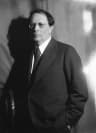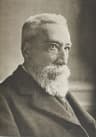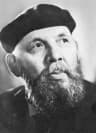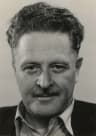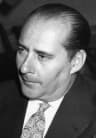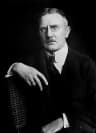
Born
July 3, 1883
Prague, Czech Republic
Died
June 3, 1924
Kierling, Austria
Known for
Bohemian writer from Prague
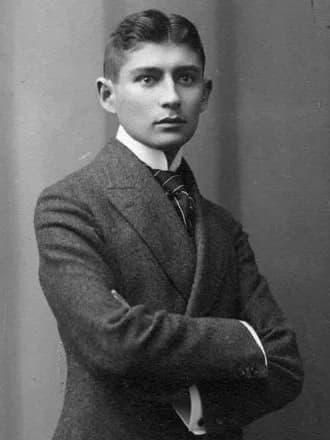
Franz Kafka (1883–1924) was Czech Republic best known for Bohemian writer from Prague.
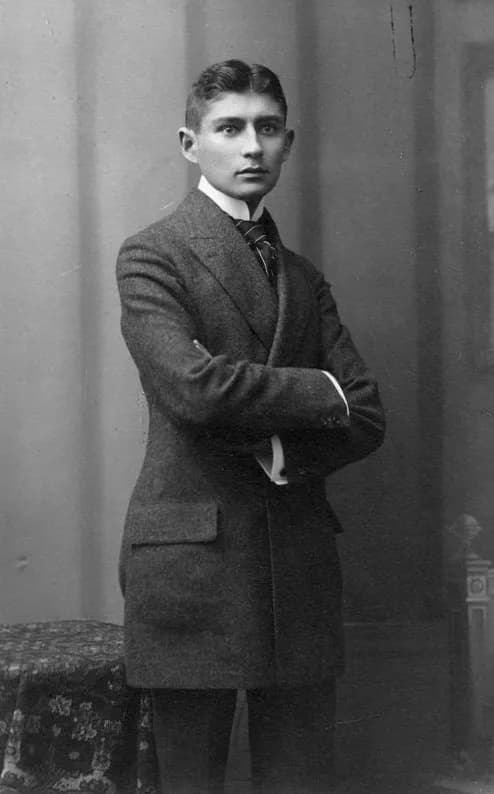
Franz Kafka (July 3, 1883 – June 3, 1924) was a Bohemian writer, lawyer, and novelist from Prague, Czech Republic. A major figure of 20th-century literature, his unique style led to the term 'Kafkaesque.' His best-known works include The Metamorphosis and The Trial.
Chapter
Life chapters
Chapter 1 · 1883· Chapter 1 of 8
Opening
Franz Kafka (July 3, 1883 – June 3, 1924) was a Bohemian writer, lawyer, and author from Prague, Czech Republic, and is widely regarded as a major figure of 20th-century literature. His works fuse elements of realism and the fantastique, typically featuring isolated protagonists facing bizarre or surreal predicaments and incomprehensible socio-bureaucratic powers. The term "Kafkaesque" has entered the lexicon to describe situations like those depicted in his writings, highlighting his lasting impact on language and culture. He was a prolific prose writer, novelist, short story writer, fabulist, diarist, and aphorist, whose unique vision continues to resonate globally.
Chapter 2 · 1883· Chapter 2 of 8
Early Life and Origins
Franz Kafka was born on July 3, 1883, in Prague, in the Austro-Hungarian Empire, making him a German-language Jewish Czech writer. His early life in Prague, Czech Republic, provided a rich backdrop for his imaginative world. This environment fostered the development of a unique perspective that would later shape his influential literary career.
Chapter 3· Chapter 3 of 8
Career Beginnings
Alongside his aspirations as an author and poet, Franz Kafka pursued a career in law, working as a lawyer and jurist. His practical experiences also included serving as a claims adjuster, a profession that often exposed him to the very bureaucratic systems his fictional worlds would critique. These diverse professional roles, including that of a translator and librettist, contributed to the depth and realism within his fantastical narratives.
Chapter 4· Chapter 4 of 8
Major Achievements and Career Highlights
Franz Kafka's major achievement lies in his distinct literary voice, which established him as a cornerstone of 20th-century literature. His ability to craft narratives where ordinary people face bizarre or surreal challenges gave rise to the widely recognized term "Kafkaesque." This descriptor, now a common part of the English lexicon, speaks to the singular and powerful nature of his literary contributions. He masterfully depicted themes of isolation and the pervasive power of socio-bureaucratic forces.
Chapter 5· Chapter 5 of 8
Personal Life
While specific details of Franz Kafka's personal life are not extensively provided, his writings offer a glimpse into the human experience through his isolated protagonists. His works often explore profound existential questions and the individual's struggle against incomprehensible systems. These thematic concerns, often presented with comedic elements even in darker contexts, suggest a deeply reflective and observant individual behind the words.
Chapter 6 · 1915· Chapter 6 of 8
Notable Works or Contributions
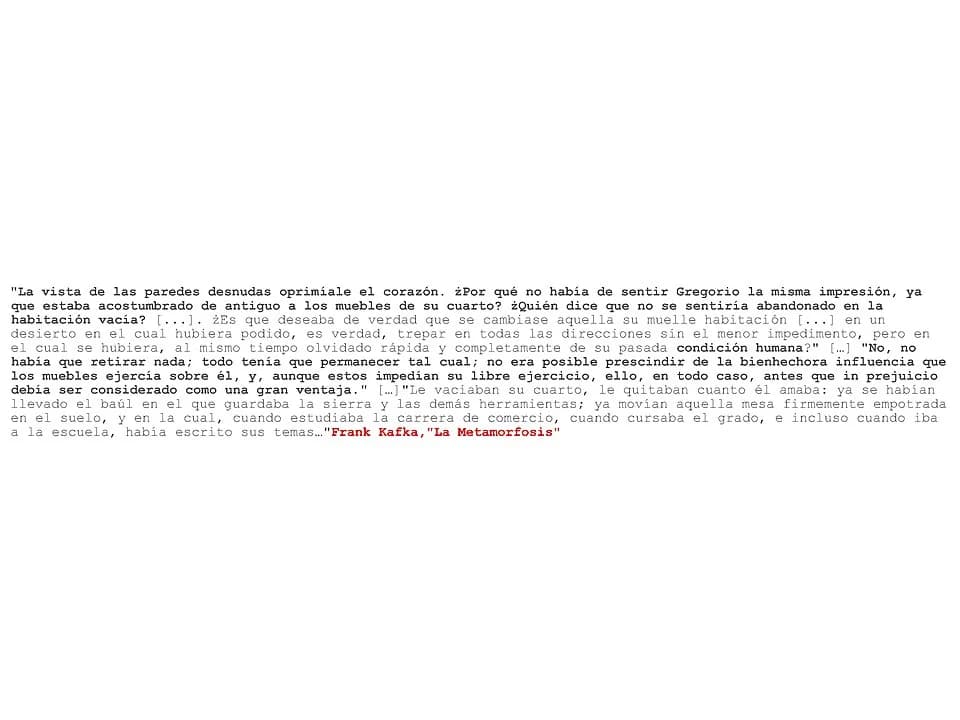
Franz Kafka is celebrated for groundbreaking works such as the novella The Metamorphosis, published in 1915, which introduced readers to Gregor Samsa's bizarre transformation. His novels The Trial (1924) and The Castle (1926) stand as towering examples of his unique narrative style. Beyond these, he penned numerous brief fables and aphorisms, including those collected in works like Das Urteil Und Andere Erzahlungen and Country Doctor, alongside America. These works collectively showcase his mastery of prose and his ability to blend the realistic with the fantastical.
Chapter 7 · 1924· Chapter 7 of 8
Later Years
Franz Kafka's life concluded on June 3, 1924, in Kierling, Austria. Despite his early passing, his influence continued to grow, particularly with the posthumous publication of The Castle in 1926. The novel The Trial was published in the year of his death, marking the enduring power of his creative output up to his final moments. His literary contributions were a testament to a life dedicated to the art of storytelling.
Chapter 8· Chapter 8 of 8
Legacy and Impact
The profound legacy of Franz Kafka extends across diverse intellectual and artistic domains. His work has widely influenced artists, philosophers, composers, filmmakers, literary historians, religious scholars, and cultural theorists alike. Through his innovative blend of realism and fantasy, Kafka shaped how later generations perceived bureaucracy, existentialism, and the human condition, making his name synonymous with a distinct literary and philosophical experience. His stories continue to provoke thought and inspire new forms of artistic expression worldwide.
A life in moments
The moments that shaped a life
FAQ
Frequently asked
When did Franz Kafka die?
Franz Kafka died on June 3, 1924 in Kierling, Austria, at the age of 40.
Where was Franz Kafka born?
Franz Kafka was born in Prague, Czech Republic on July 3, 1883.
What is Franz Kafka best known for?
Franz Kafka is best known for Bohemian writer from Prague.
How old was Franz Kafka when they died?
Franz Kafka was 40 years old at the time of death.
What nationality was Franz Kafka?
Franz Kafka was from Czech Republic.
Timeline
Life at a glance
Photo gallery
A life in pictures
Click any polaroid to expand · 23 photos
QR Code
Share This Biography
Print & Share
Scan to visit this biography page. Print for events, exhibitions, or educational materials.