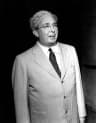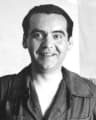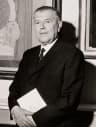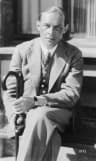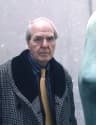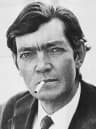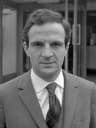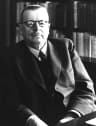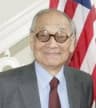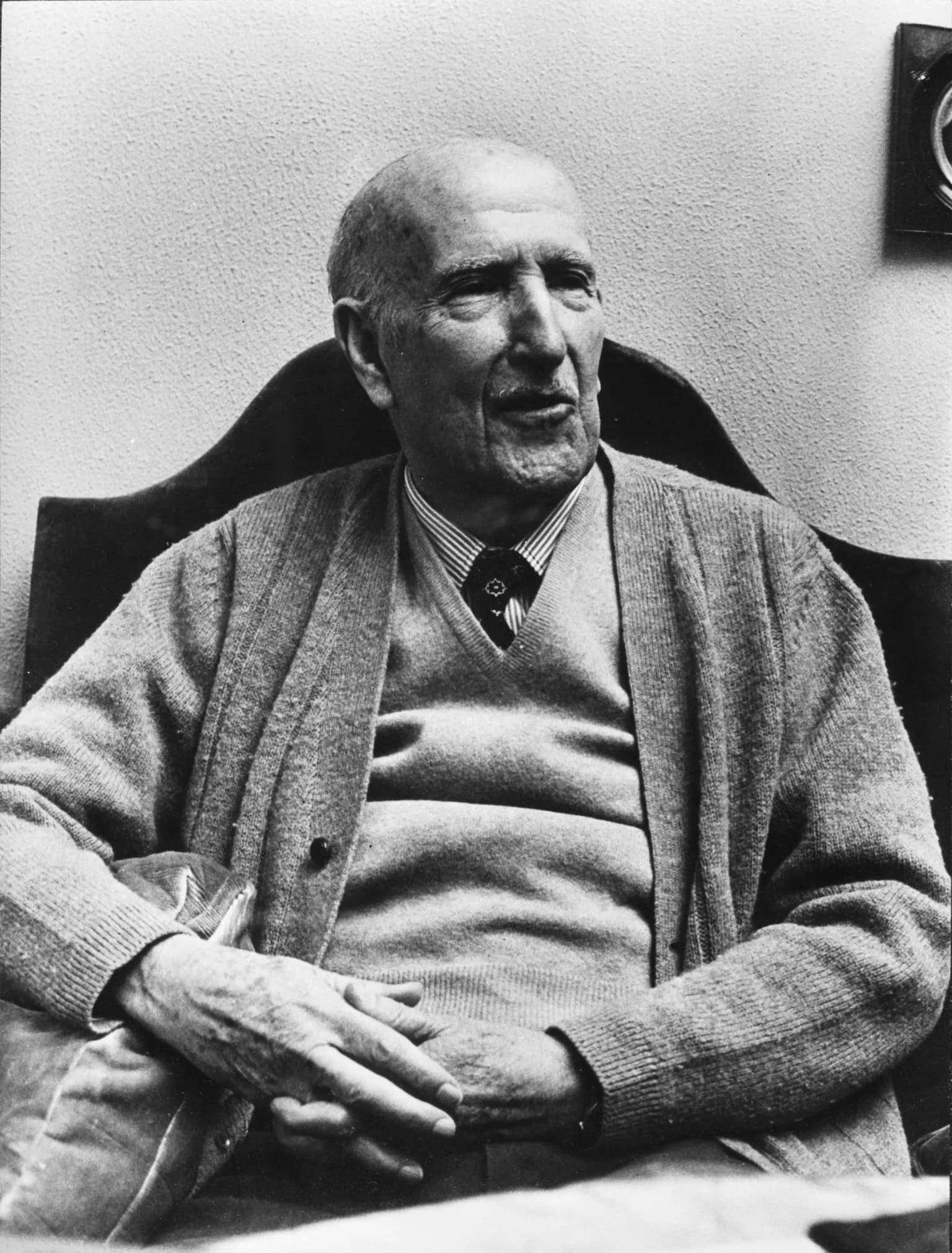
Born
April 26, 1898
Seville, Spain
Died
December 14, 1984
Madrid, Spain
Known for
Spanish poet
Vicente Aleixandre (1898–1984) was Spain best known for Spanish poet.
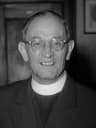
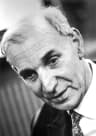
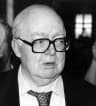
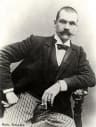
Vicente Aleixandre (April 26, 1898 – December 14, 1984) was a Spanish poet from Seville. He received the 1977 Nobel Prize in Literature for his creative poetic writing illuminating the human condition. His work significantly renewed Spanish poetry traditions between the wars.
Chapter
Life chapters
Chapter 1 · 1898· Chapter 1 of 7
Vicente Aleixandre: A Poetic Visionary
Vicente Aleixandre (April 26, 1898 – December 14, 1984) was a distinguished Spanish poet, celebrated for his profound contributions to literature. Born in Seville and passing away in Madrid, his life spanned a transformative era for Spanish poetry. He achieved international acclaim, most notably receiving the Nobel Prize in Literature for his illuminating work.
Chapter 2 · 1898· Chapter 2 of 7
Early Life and Origins
Vicente Pío Marcelino Cirilo Aleixandre y Merlo was born on April 26, 1898, in the vibrant city of Seville, Spain. His upbringing in this historically rich region undoubtedly influenced his poetic sensibilities and deep connection to Spanish culture. Aleixandre’s formative years laid the groundwork for his eventual career as a celebrated writer and teacher.
Chapter 3· Chapter 3 of 7
Career Beginnings
Aleixandre emerged as a central figure in the renowned Generation of '27, a group of poets who sought to renew Spanish poetry between the wars. This influential literary movement was characterized by its blend of traditional Spanish forms with avant-garde influences. Through his participation, Aleixandre helped to shape the artistic direction of a significant period in Spanish literary history.
Chapter 4 · 1977· Chapter 4 of 7
Major Achievements and Career Highlights
The pinnacle of Aleixandre's illustrious career was the award of the Nobel Prize in Literature in 1977. The Swedish Academy recognized him "for a creative poetic writing which illuminates man's condition in the cosmos and in present-day society." This esteemed award further celebrated his role in "representing the great renewal of the traditions of Spanish poetry between the wars." It cemented his status as a poet of universal relevance and profound insight.
Chapter 5· Chapter 5 of 7
Notable Works or Contributions
Vicente Aleixandre's bibliography is rich with works that demonstrate his unique poetic voice and intellectual depth. Key collections include "Destruction or love," which is often considered one of his most defining works. Another significant piece is "El crimen fue en Granada," a title that evokes strong imagery and thematic engagement within Spanish literary consciousness.
Beyond his individual collections, Aleixandre contributed to and was the subject of various literary projects, highlighting his extensive influence and collaborative spirit. His "Epistolario" and "Epistolario entre Max Aub y Vicente Aleixandre" offer insights into his intellectual exchanges with contemporaries. He also engaged in tributes such as "Homenaje a Luis Cernuda," and was honored himself in "Homenaje a Vicente Aleixandre." Additionally, his bibliography includes contributions like "Dibujos de Gregorio Paieto para el Paraiso perdido de Milton" and "Homenaje que ofrecen a Picasso, Sur, Litoral y El Guadalhorce," showcasing his broad cultural engagement.
Chapter 6 · 1984· Chapter 6 of 7
Later Years
Vicente Aleixandre continued his literary pursuits and remained a respected figure in Spanish intellectual circles throughout his later life. He lived and worked primarily in Spain, witnessing profound changes in his homeland and the broader literary world. He passed away in Madrid, Spain, on December 14, 1984, leaving behind an extraordinary and enduring body of work.
Chapter 7· Chapter 7 of 7
Legacy and Impact
Vicente Aleixandre's legacy is defined by his unique ability to merge cosmic themes with the realities of human existence in his poetry. His distinctive voice provided a powerful perspective on "man's condition in the cosmos and in present-day society." He challenged conventional poetic forms while maintaining a deep respect for literary heritage.
As a key member of the Generation of '27, he was instrumental in revitalizing the traditions of Spanish poetry, bridging the old with the new. His influence continues to resonate within contemporary literature, inspiring poets and readers with his powerful imagery and philosophical depth. Aleixandre’s works are widely studied and admired, solidifying his place as one of Spain's most important poets.
A life in moments
The moments that shaped a life




FAQ
Frequently asked
When did Vicente Aleixandre die?
Vicente Aleixandre died on December 14, 1984 in Madrid, Spain, at the age of 86.
Where was Vicente Aleixandre born?
Vicente Aleixandre was born in Seville, Spain on April 26, 1898.
What is Vicente Aleixandre best known for?
Vicente Aleixandre is best known for Spanish poet.
How old was Vicente Aleixandre when they died?
Vicente Aleixandre was 86 years old at the time of death.
What nationality was Vicente Aleixandre?
Vicente Aleixandre was from Spain.
Timeline
Life at a glance
Photo gallery
A life in pictures
Click any polaroid to expand · 47 photos
QR Code
Share This Biography
Print & Share
Scan to visit this biography page. Print for events, exhibitions, or educational materials.