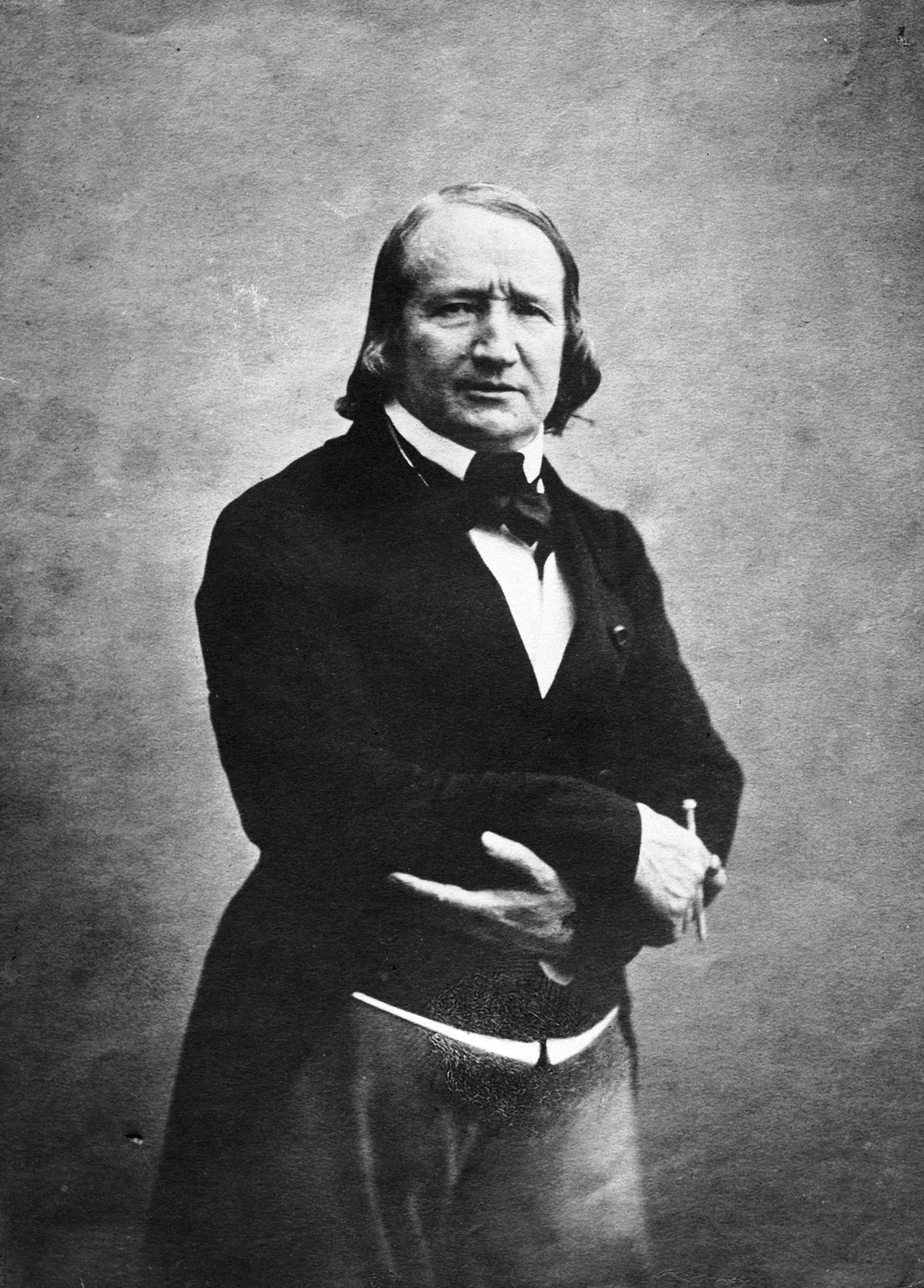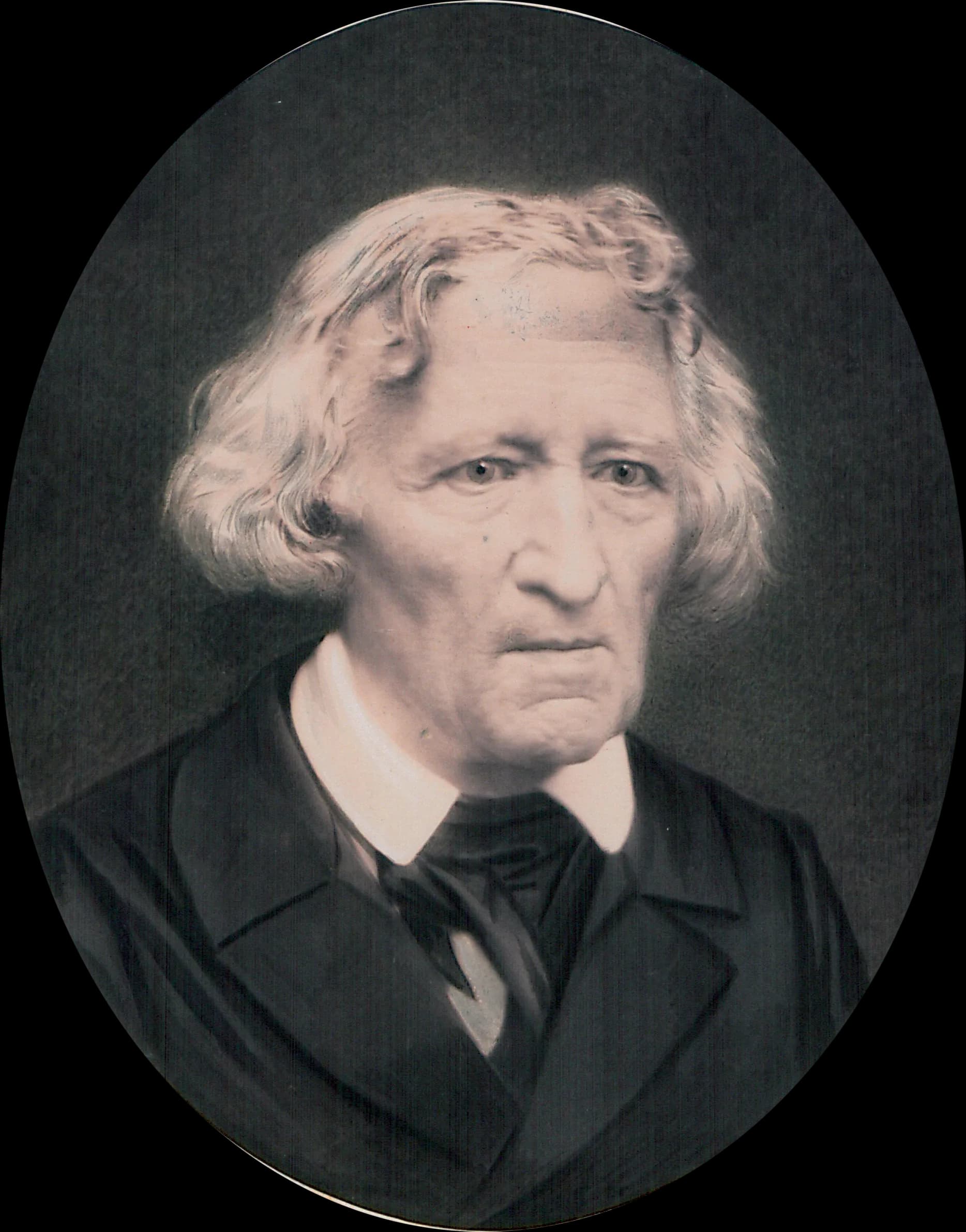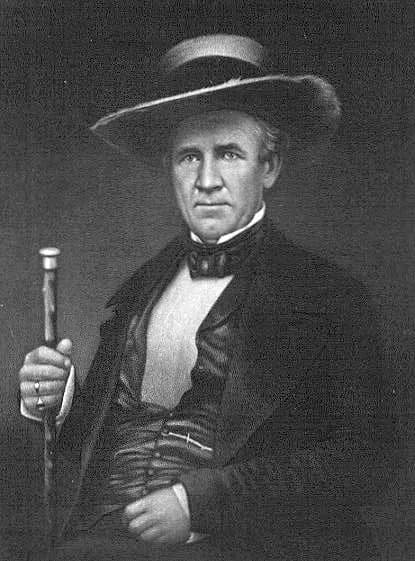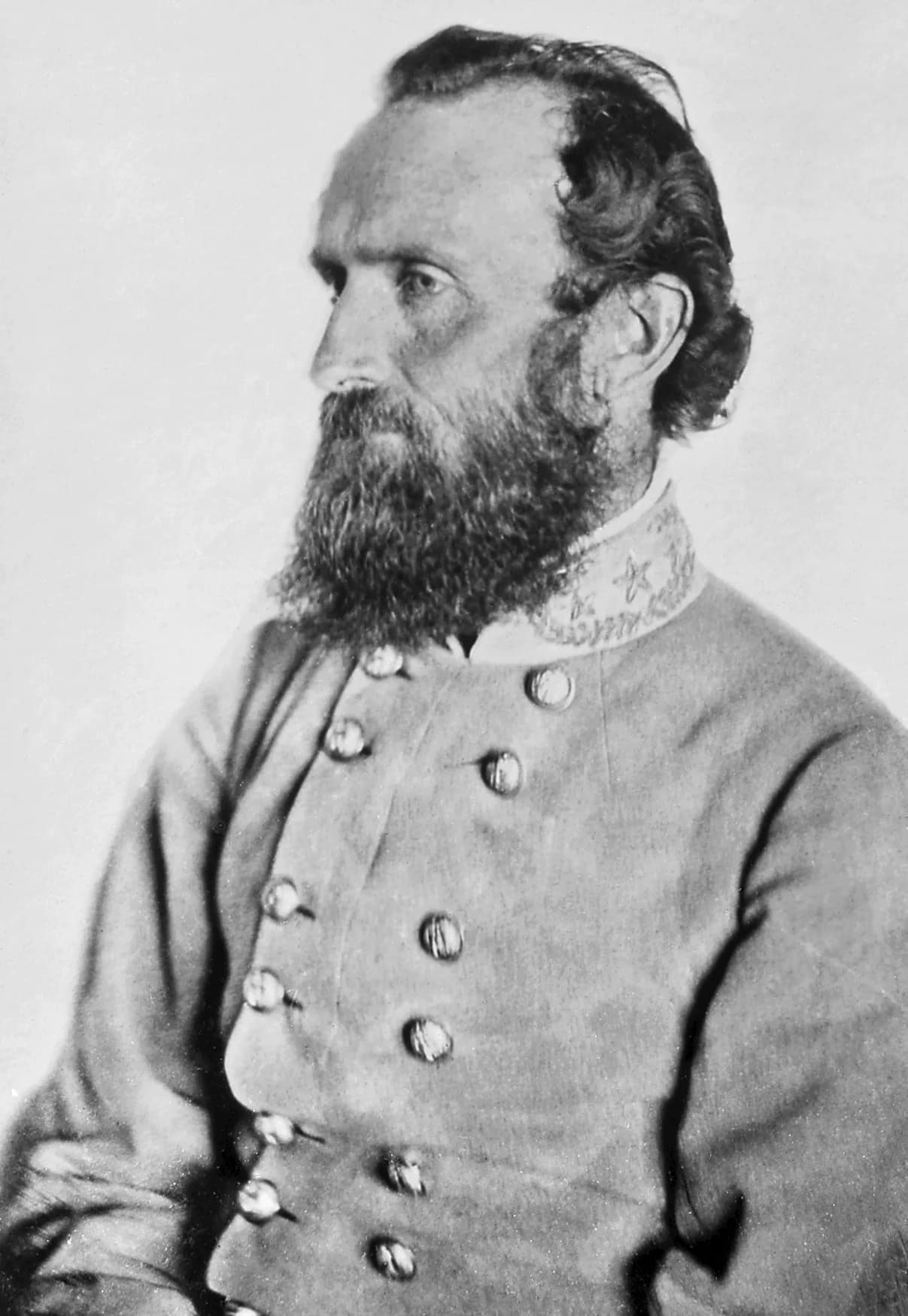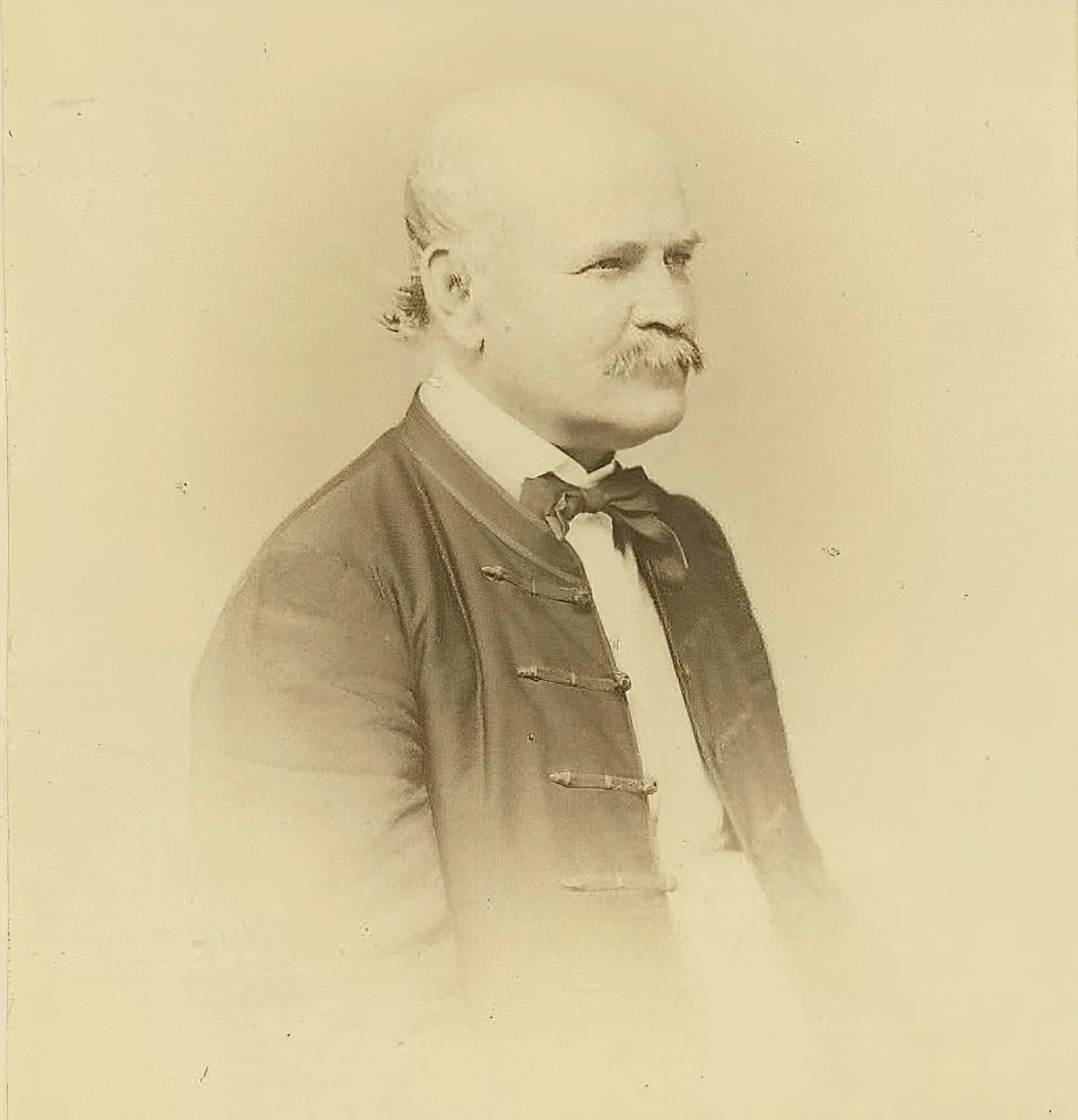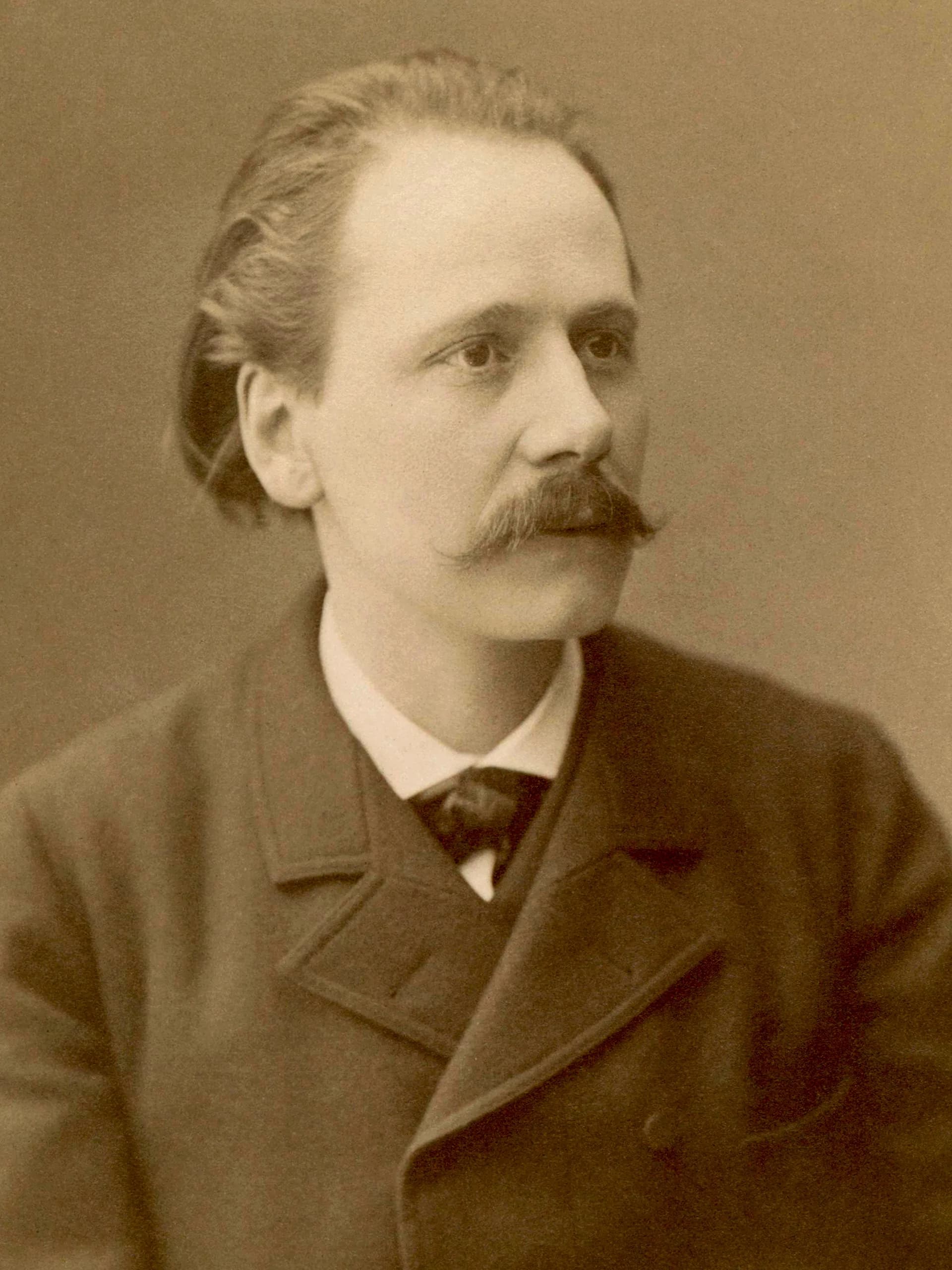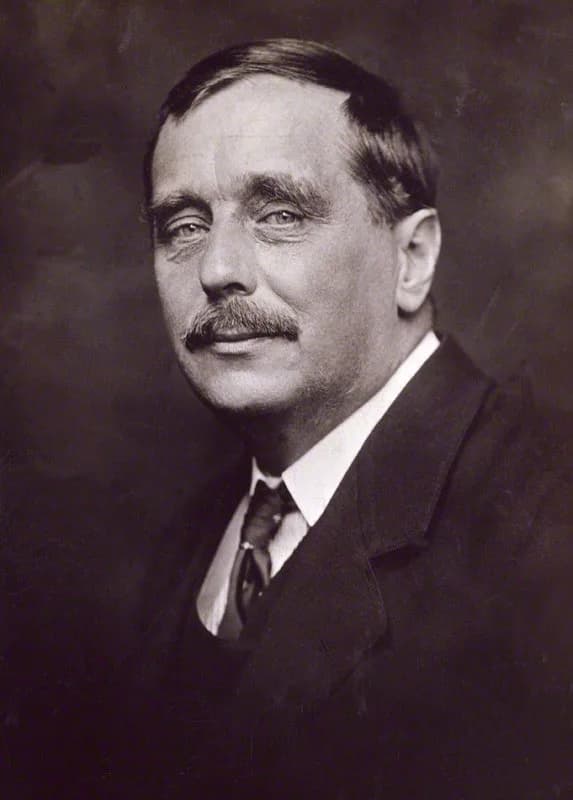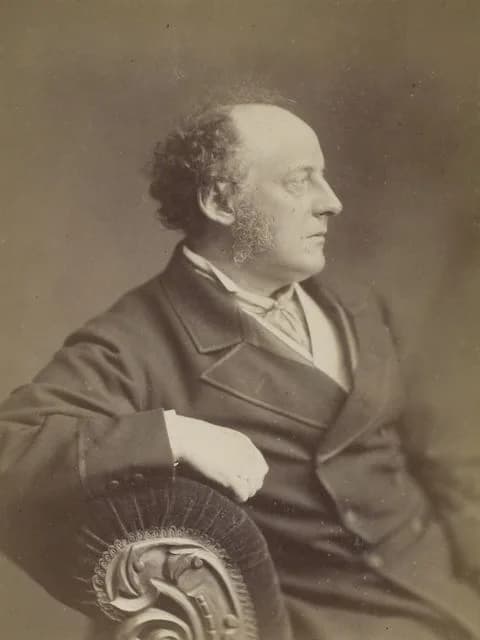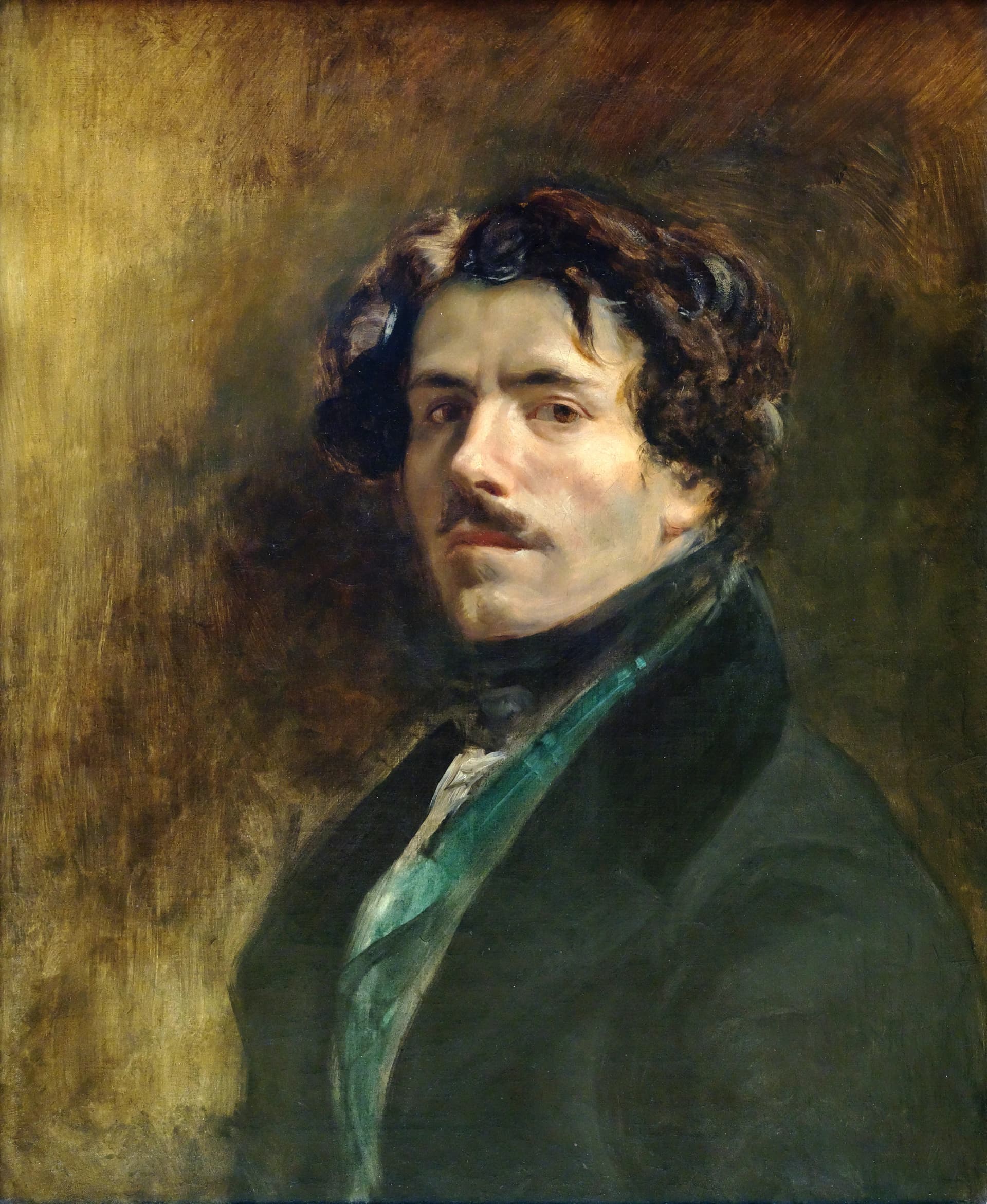
Born
April 26, 1798
Saint-Maurice, France
Died
August 13, 1863
Paris, France
Known for
French painter
Eugène Delacroix (1798–1863) was France best known for French painter.
Ferdinand Victor Eugène Delacroix (April 26, 1798 – August 13, 1863) was a French painter from Saint-Maurice, France. He was regarded as the leader of the French Romantic school, known for his dramatic use of color and emotional narrative. His artworks, like "Dante's Bark" and "The Abduction of Rebecca," continue to be celebrated.
A life in moments
The moments that shaped a life
Chapter
Life chapters
Chapter 1 · 1798· Chapter 1 of 6
Early Life and Origins
Eugène Delacroix began his life in Saint-Maurice, France, in the spring of 1798. This early period in France set the stage for a career deeply intertwined with the artistic movements of his time. His formative years occurred during a period of significant cultural and political shifts in Europe.
Chapter 2· Chapter 2 of 6
Career Beginnings
Delacroix quickly rose to prominence as a painter, adopting and championing the Romantic style that would define his legacy. His initial works showcased a departure from the strictures of Neoclassicism, favoring vivid narratives and emotional intensity. This early embrace of Romanticism distinguished him among his contemporaries in Paris, France.
Chapter 3· Chapter 3 of 6
Major Achievements and Career Highlights
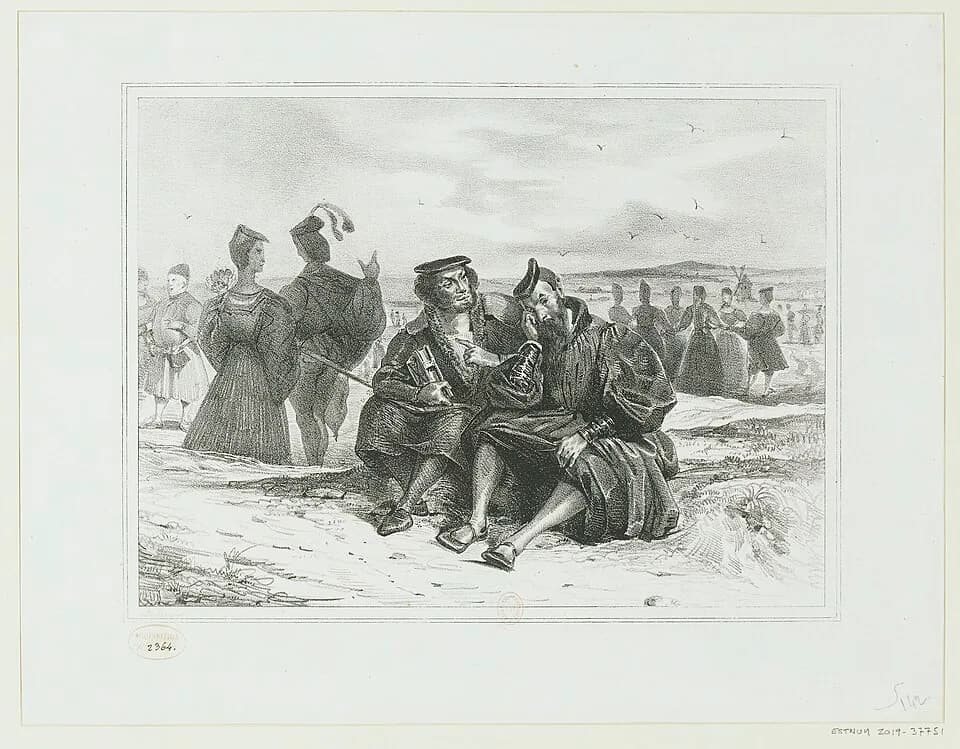
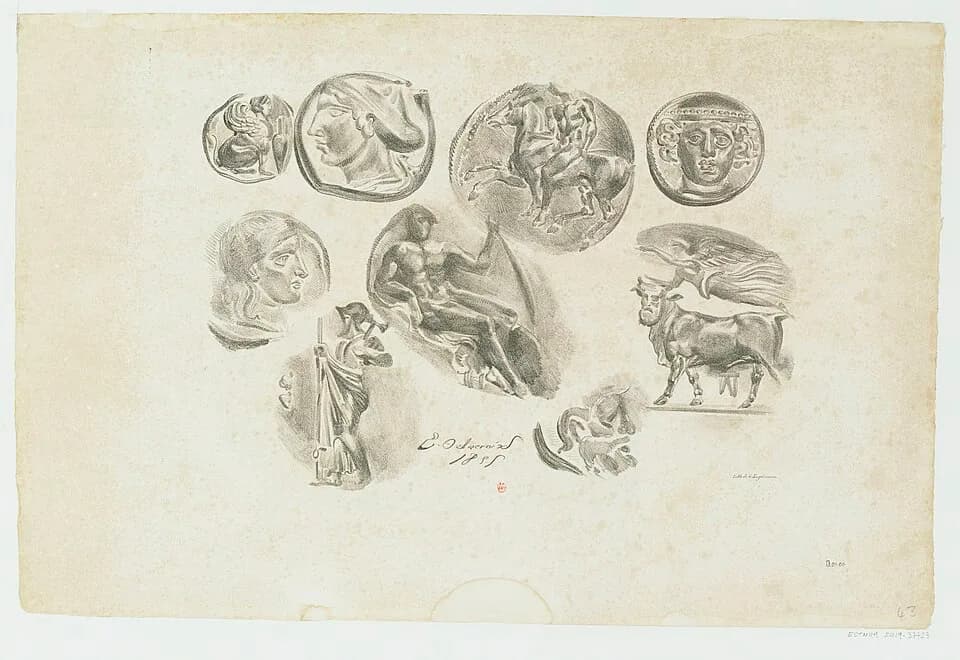
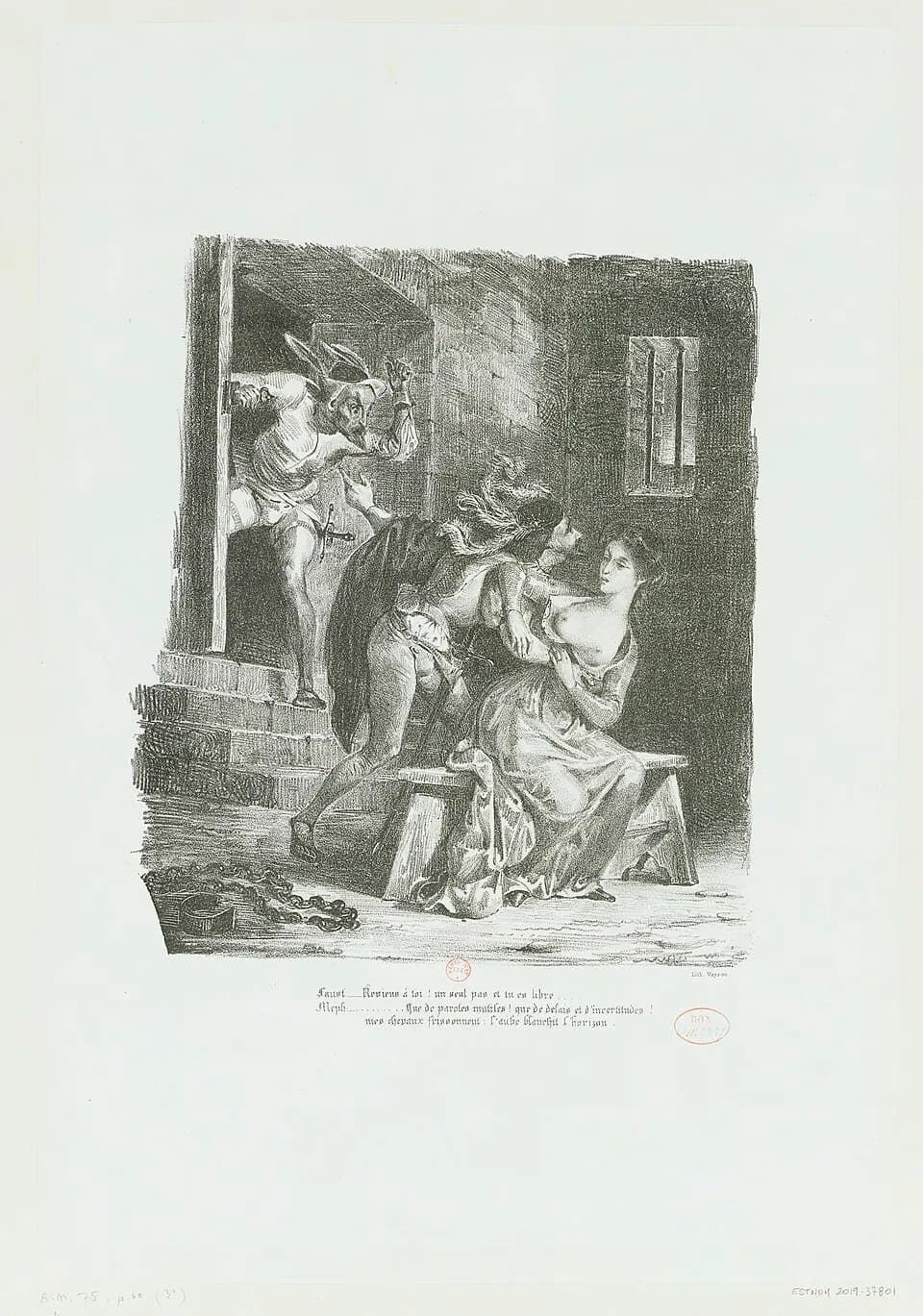
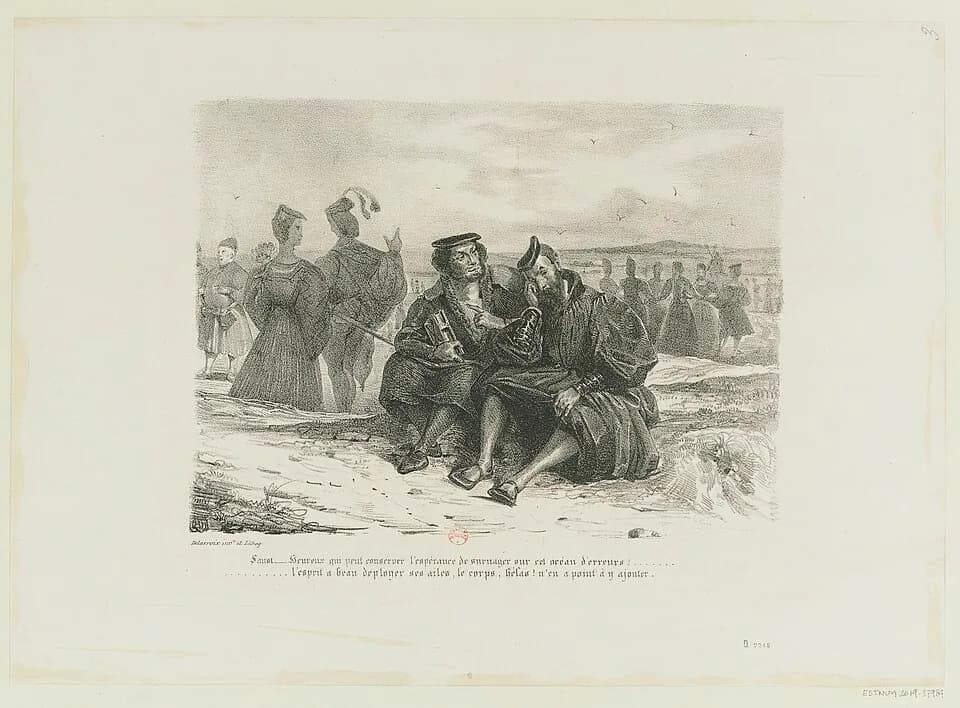
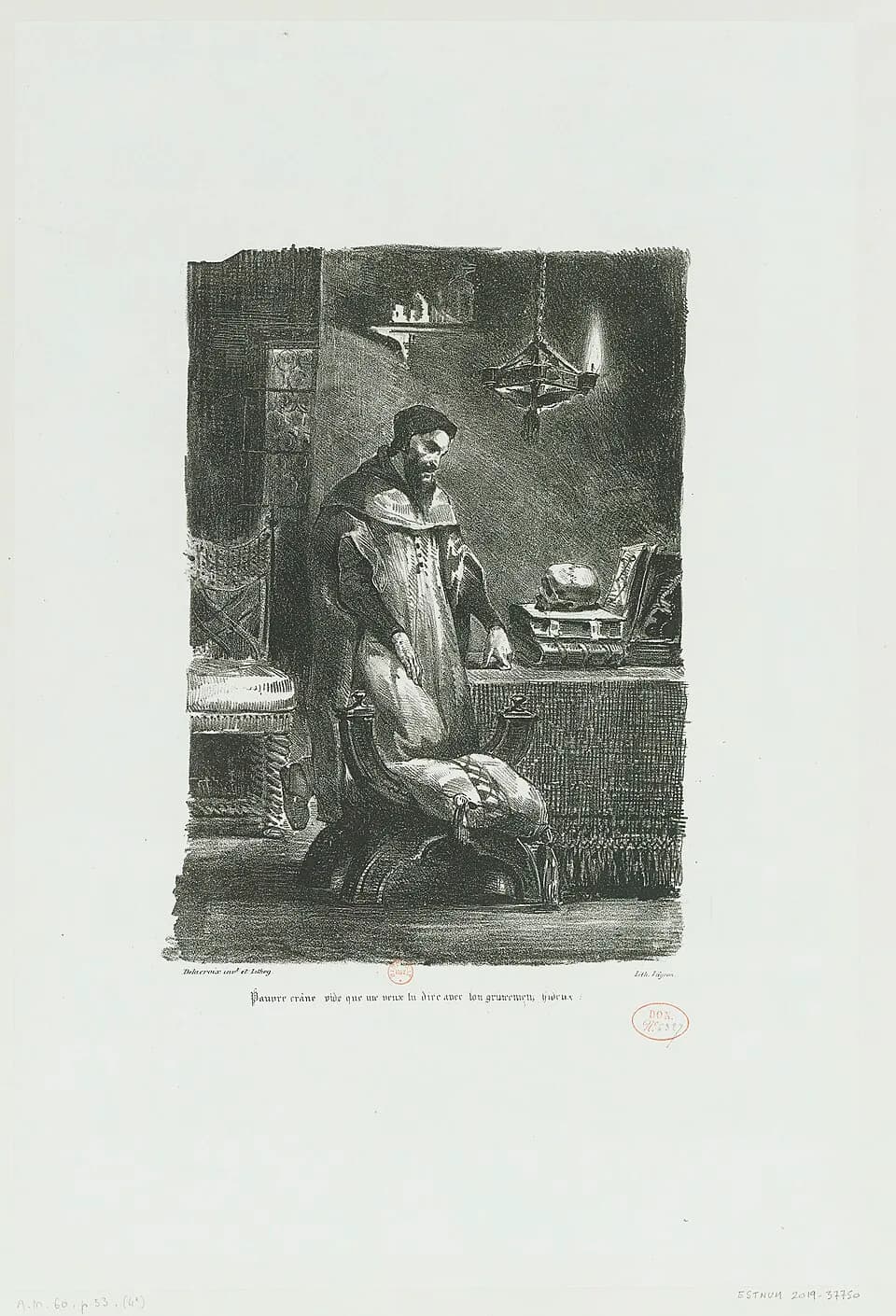
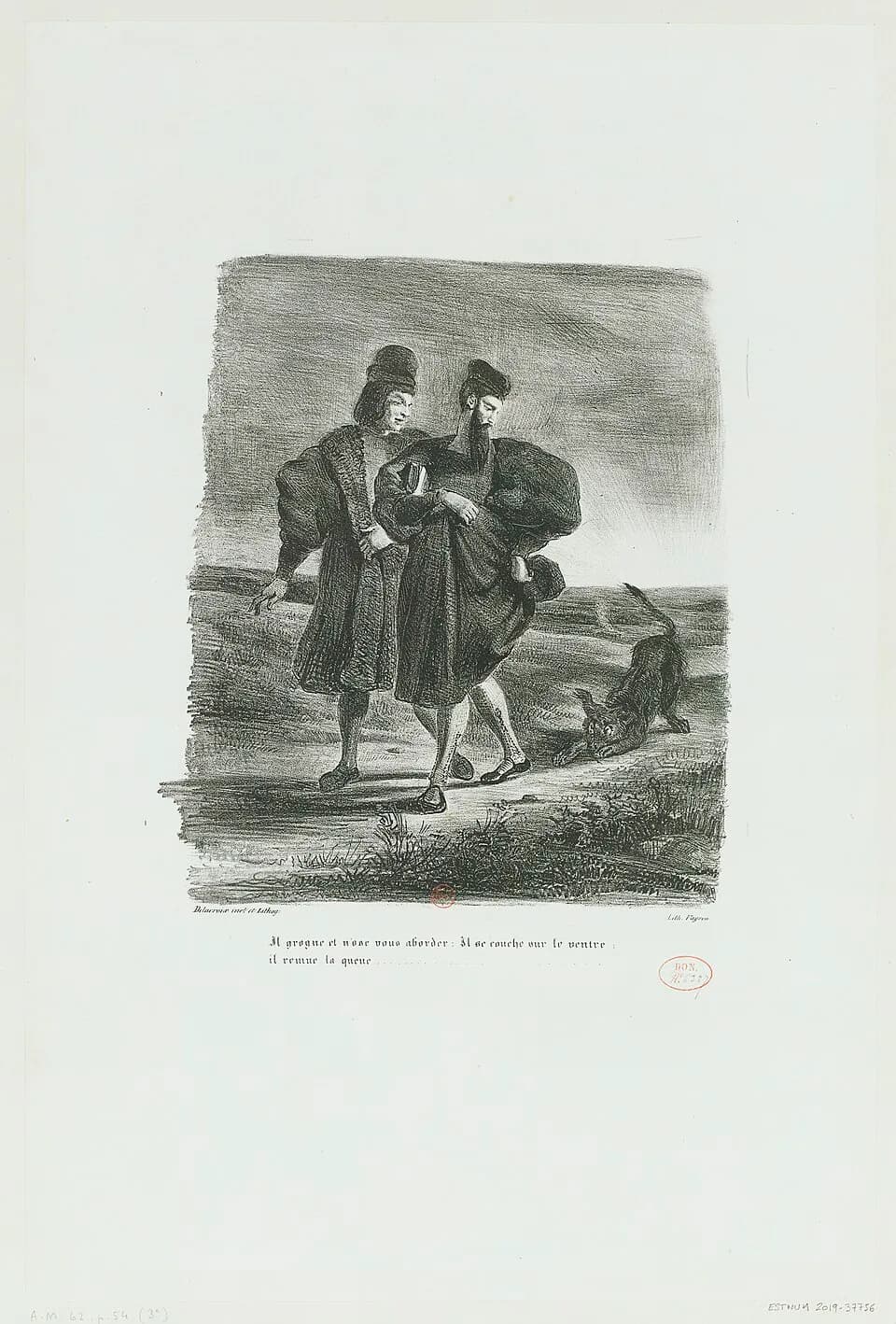
As the leader of the French Romantic school, Eugène Delacroix achieved significant recognition throughout his career. His work extended beyond painting; he was also known as a visual artist, muralist, architectural draftsperson, and draftsperson. Delacroix's skill encompassed pastellist and lithographer techniques, further showcasing his versatility.
Beyond his visual artistry, Delacroix also engaged in photography and maintained a detailed diary, offering insights into his artistic process and personal reflections. These varied professions underscore his dedication to art in many forms. His contributions cemented his status as a key figure in 19th-century French culture, influencing countless artists who followed.
Chapter 4 · 1840· Chapter 4 of 6
Notable Works or Contributions
Eugène Delacroix created a substantial body of work, many pieces now residing in prestigious museums worldwide. "Dante's Bark," painted between approximately 1840 and 1860, is held at the Art Institute of Chicago, illustrating his narrative strength. The Metropolitan Museum of Art houses several of his significant creations, including "The Abduction of Rebecca" from 1846, and "Madame Henri François Riesener (Félicité Longrois, 1786–1847)" completed in 1835.
His depictions of nature and conflict are evident in "Lion Hunt" (1860–61) and "Arab Horseman Attacked by a Lion" (1849–50), both at the Art Institute of Chicago. "The Natchez," painted in two versions between 1823–24 and 1835, is a highlight at the Met Museum. Delacroix's keen observational skills are also seen in works like "Crouching Woman" (1827) and "Four Sketches of Arab Men" (1832), both found at the Art Institute of Chicago.
Other notable works include "Basket of Flowers" (1848–49) and "Ovid among the Scythians" (1862) from the Met Museum collection. From the Art Institute of Chicago, his contributions include "Sheet of Sketches" (1826), "Study for Marphise and the Mistress of Pinabel" (c. 1852), "Brother Martin Clasping the Iron Hand of Goetz" (1836), "The Combat of the Giaour and Hassan" (1826), and "Jane Shore" (1828).
Chapter 5 · 1862· Chapter 5 of 6
Later Years
In his later life, Eugène Delacroix continued to produce impactful artworks, maintaining his artistic vigor until his final years. One of his later significant pieces, "Ovid among the Scythians," was completed in 1862, just a year before his passing. Delacroix died in Paris, France, on August 13, 1863, leaving behind an artistic world transformed by his vision.
Chapter 6· Chapter 6 of 6
Legacy and Impact
Eugène Delacroix's contributions reverberate through art history, solidifying his position as a central figure in French Romanticism. His bold use of color, dynamic compositions, and passionate storytelling provided a counterbalance to academic traditions. Artists across generations continue to study his diverse output, from monumental murals to intimate pastels and lithographs.
His leadership of the French Romantic school influenced countless painters who followed, inspiring them to explore emotion and narrative with greater freedom. Delacroix's legacy is preserved in the extensive collections of his works in major institutions like the Metropolitan Museum of Art and the Art Institute of Chicago. He remains celebrated for his unique ability to convey drama and human experience through art.
FAQ
Frequently asked
When did Eugène Delacroix die?
Eugène Delacroix died on August 13, 1863 in Paris, France, at the age of 65.
Where was Eugène Delacroix born?
Eugène Delacroix was born in Saint-Maurice, France on April 26, 1798.
What is Eugène Delacroix best known for?
Eugène Delacroix is best known for French painter.
How old was Eugène Delacroix when they died?
Eugène Delacroix was 65 years old at the time of death.
What nationality was Eugène Delacroix?
Eugène Delacroix was from France.
Timeline
Life at a glance
Photo gallery
A life in pictures
Click any polaroid to expand · 50 photos
QR Code
Share This Biography
Print & Share
Scan to visit this biography page. Print for events, exhibitions, or educational materials.