Born
August 13, 1819
County Sligo, Ireland
Died
February 1, 1903
Cambridge, United Kingdom
Known for
Irish mathematician and physicist
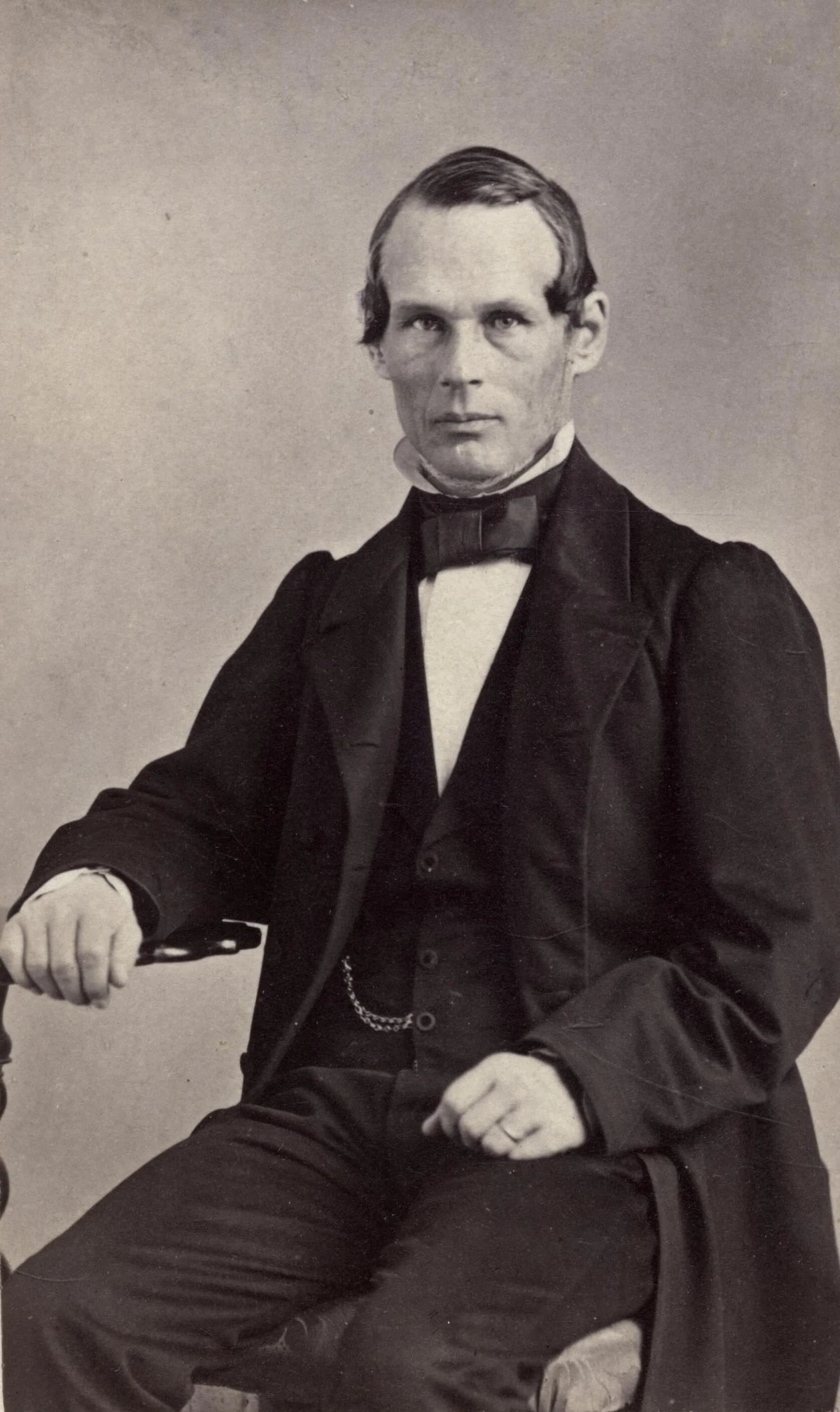
Sir George Stokes, 1st Baronet (1819–1903) was Ireland best known for Irish mathematician and physicist.
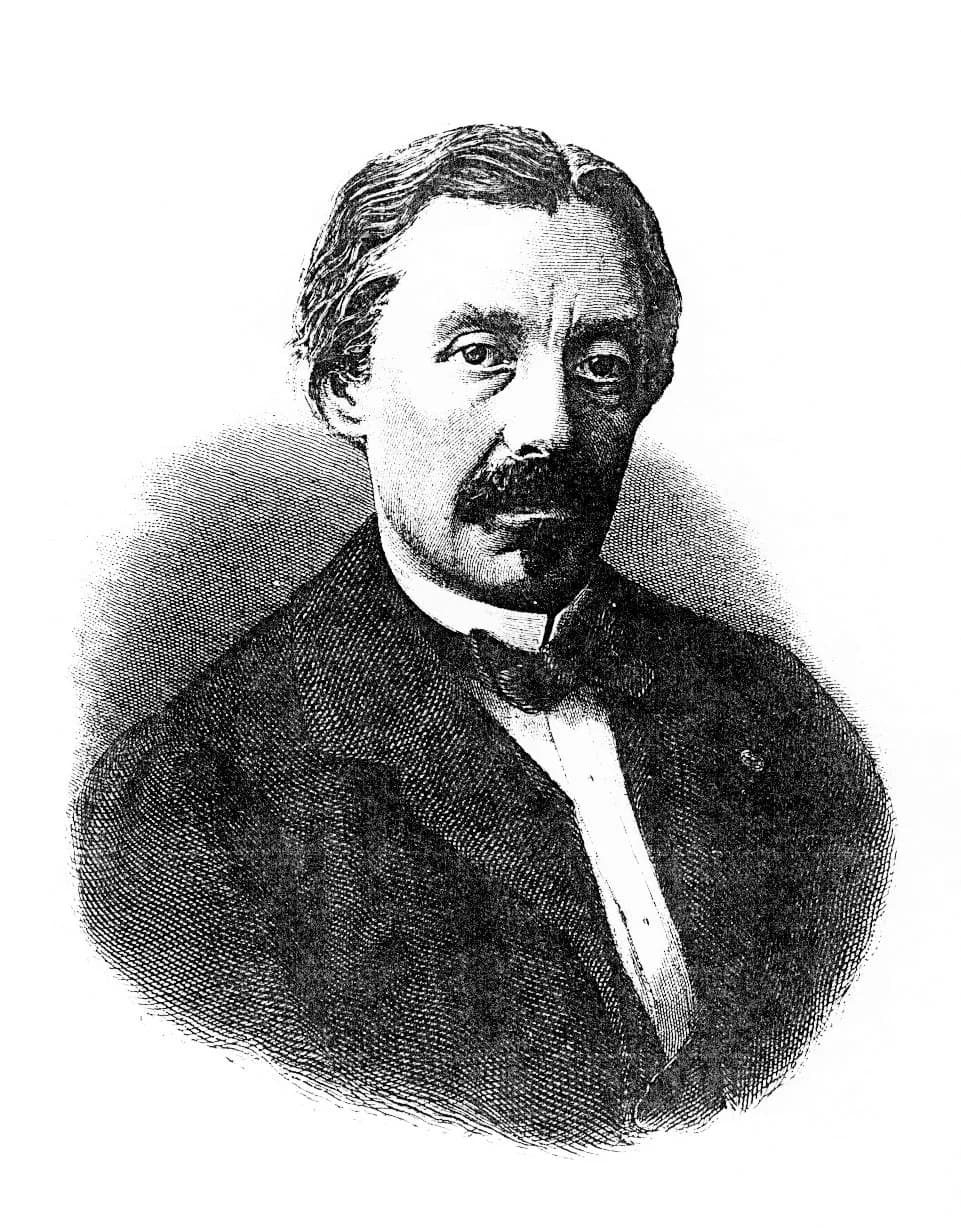
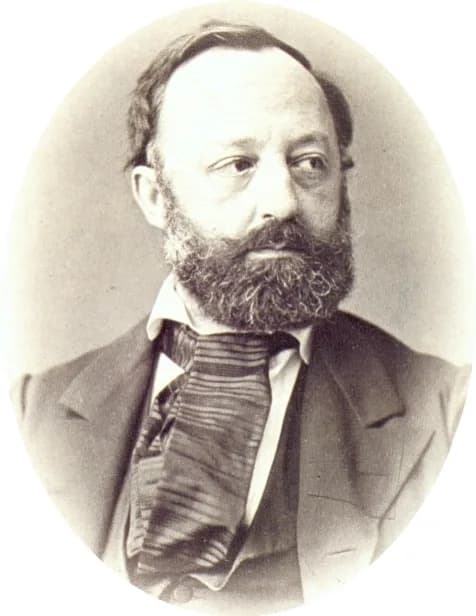
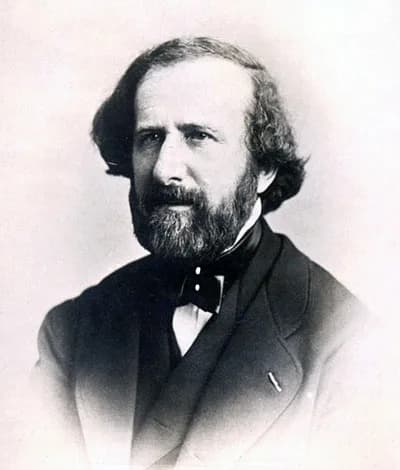
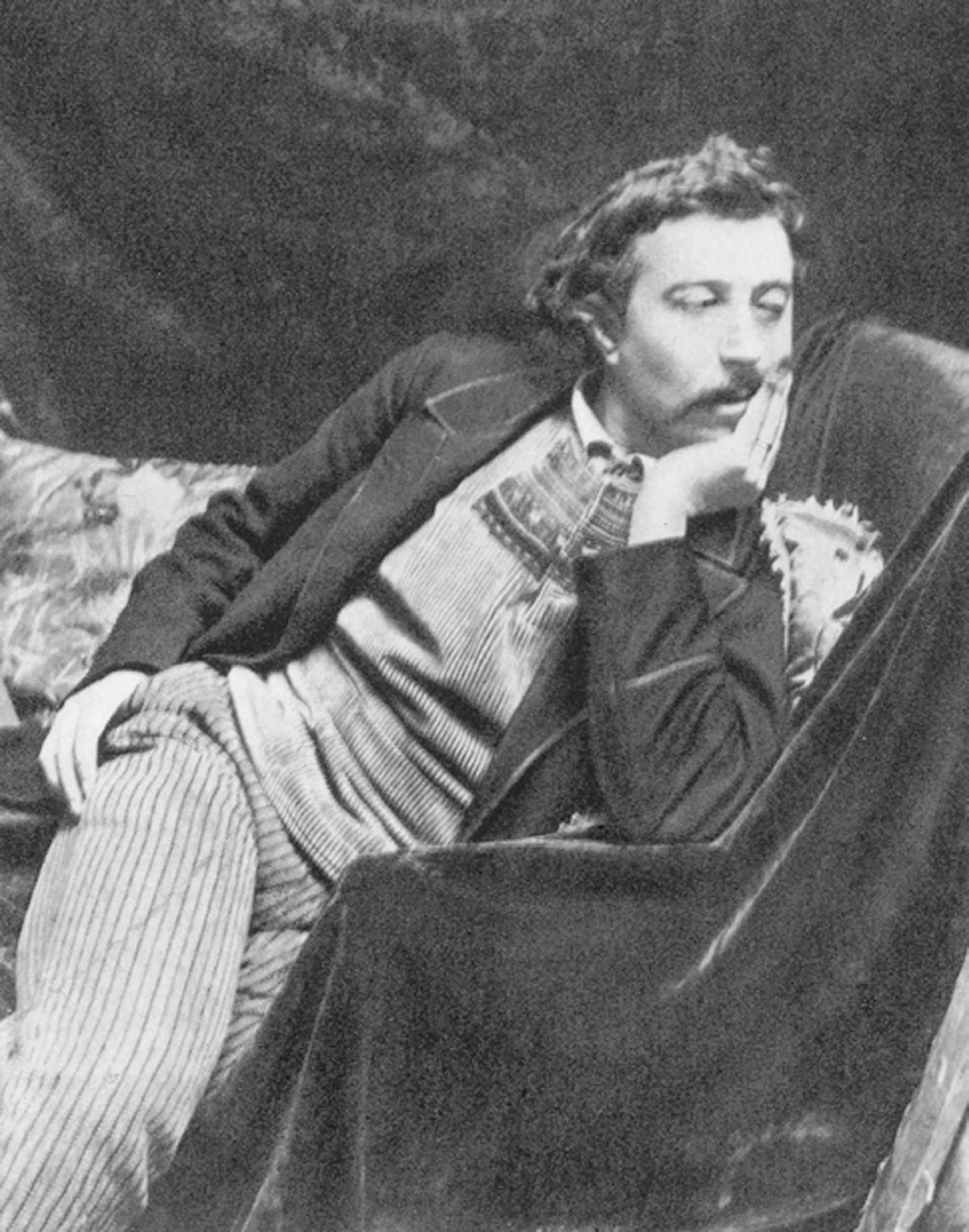
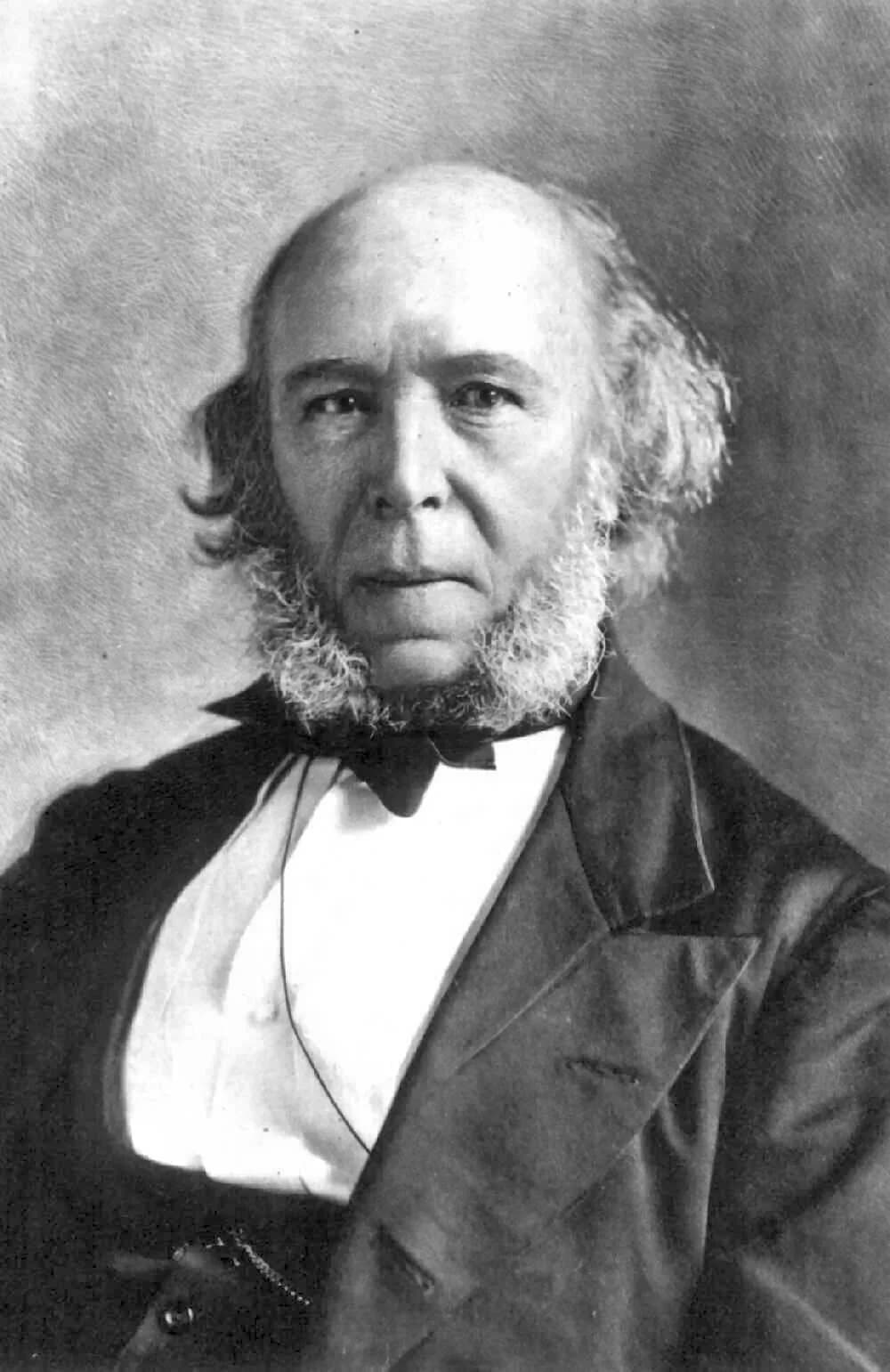
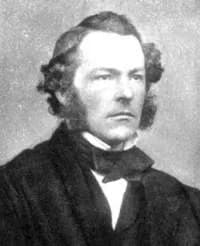
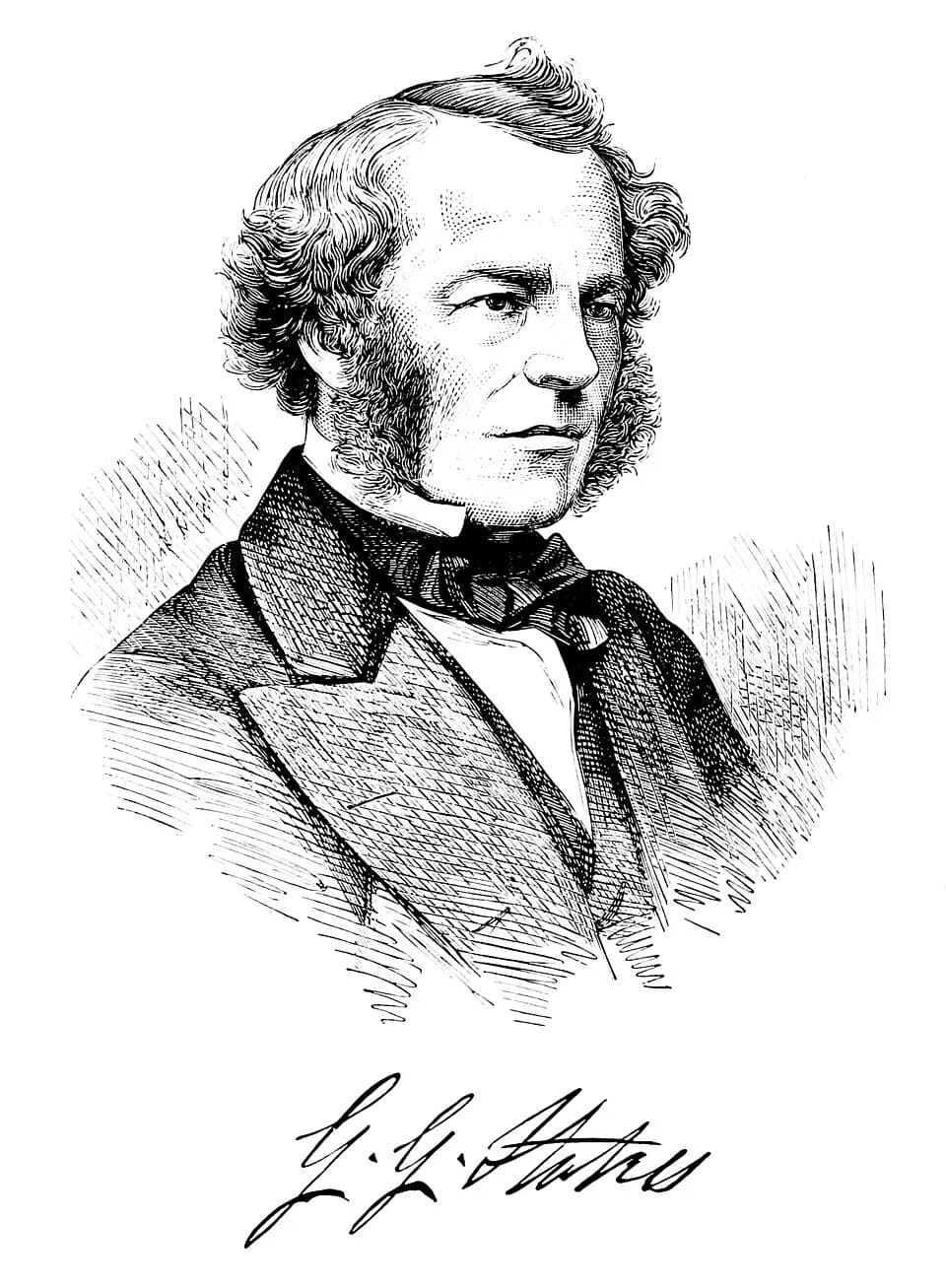
Sir George Stokes (August 13, 1819 – February 1, 1903) was an Irish mathematician and physicist from County Sligo. He served as Lucasian Professor for 54 years at Cambridge, shaping scientific thought. His contributions left a lasting impact.
A life in moments
The moments that shaped a life
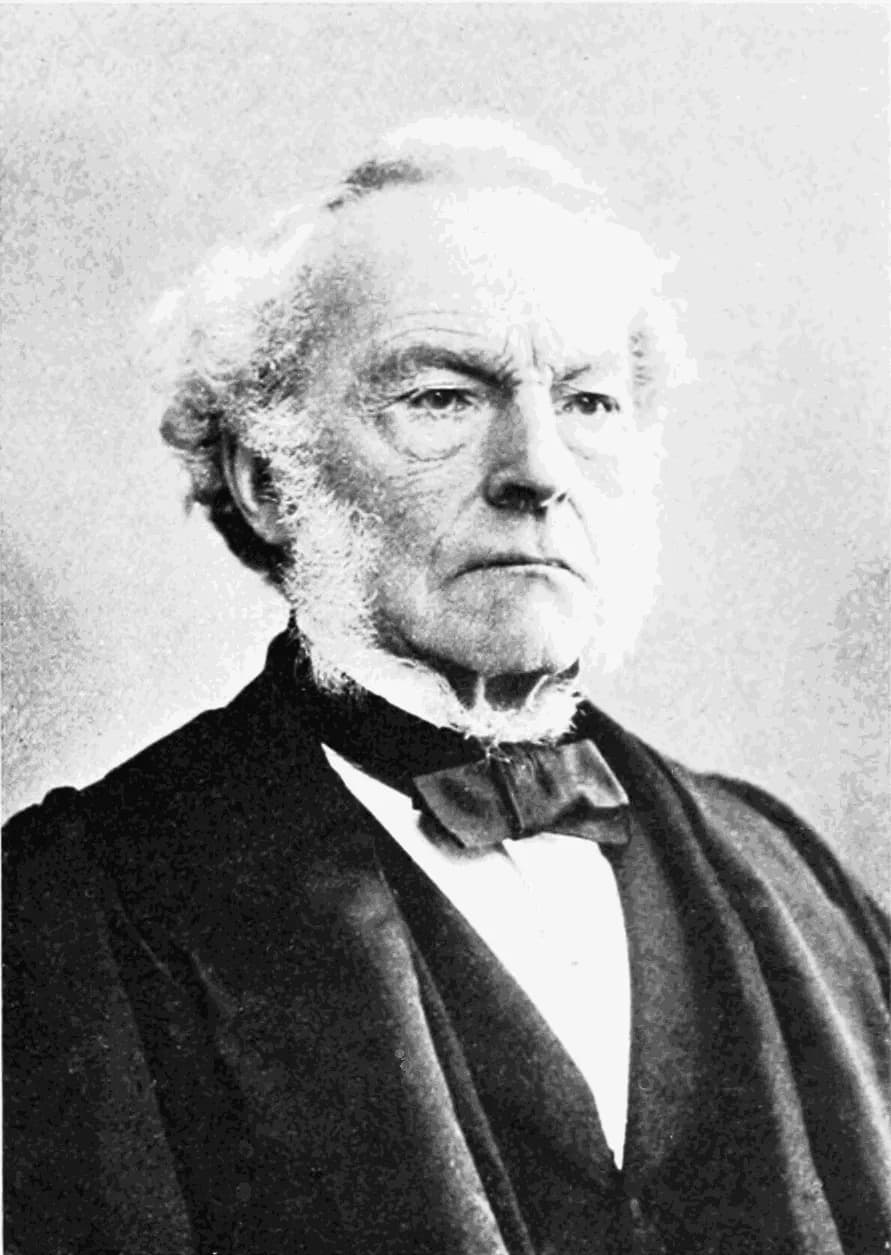
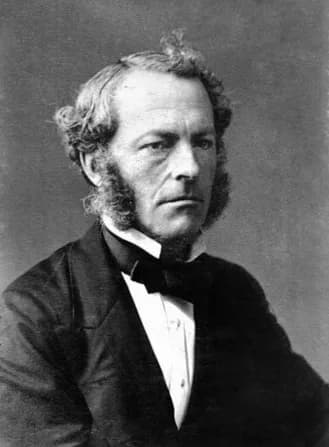
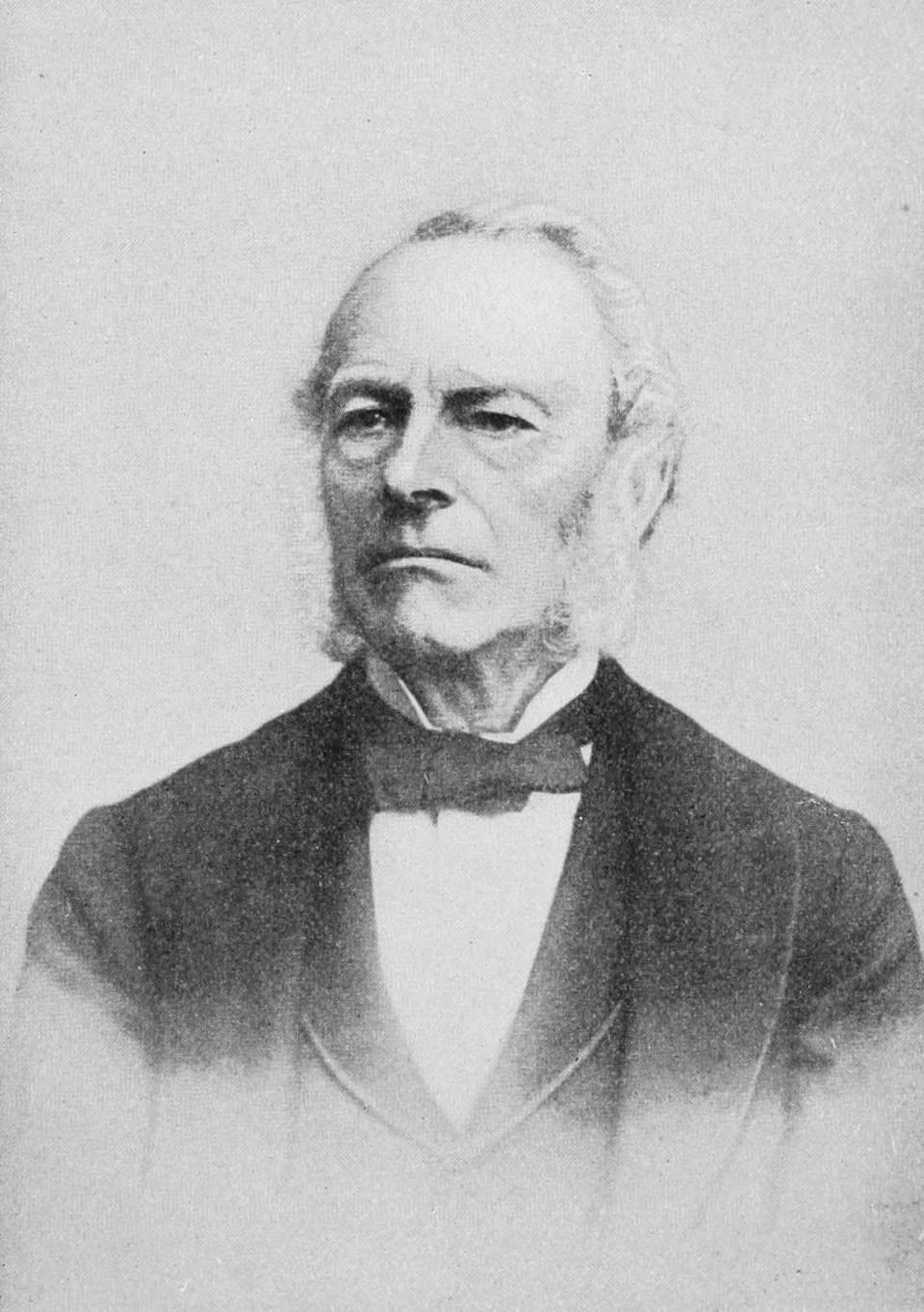
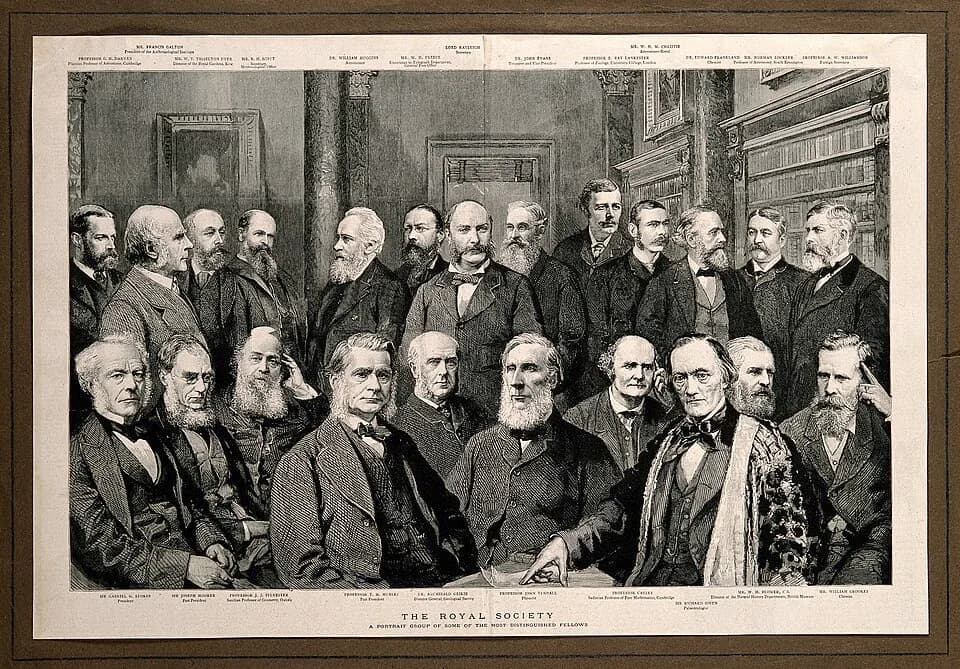
Chapter
Life chapters
Chapter 1 · 1819· Chapter 1 of 7
Early Life and Origins
Born on August 13, 1819, in County Sligo, Ireland, Sir George Gabriel Stokes began his life in a land rich with heritage. His early upbringing in Ireland undoubtedly fostered a keen intellect and curiosity about the natural world. This foundational period prepared him for a life of scholarly pursuit and significant scientific endeavor.
While specific details of his immediate family are not extensively provided, his environment in County Sligo shaped his initial perspective. He later carried his Irish roots with him throughout a long and illustrious career based primarily in England. His origins were a consistent reflection of his identity as he rose to prominence in the academic world.
Chapter 2· Chapter 2 of 7
Career Beginnings and Cambridge Commitment
Stokes dedicated his entire professional existence to the University of Cambridge, a commitment that defined his academic and personal journey. Upon joining Cambridge, he quickly established himself as a scholar of exceptional promise and rigor. This early period was crucial, setting the stage for his eventual appointment to one of the world's most distinguished academic chairs.
His deep engagement with the intellectual atmosphere of Cambridge allowed him to hone his skills and expand his research interests. He immersed himself in the challenging questions of the day across both mathematics and physics. This intense period of study and early publication laid the groundwork for his future breakthroughs.
Chapter 3 · 1849· Chapter 3 of 7
Major Achievements and Career Highlights
A crowning achievement of his career came in 1849 when Sir George Stokes was appointed Lucasian Professor of Mathematics at the University of Cambridge. This prestigious chair, once held by Isaac Newton, became synonymous with Stokes's name for an extraordinary duration. He served in this capacity for an astounding 54 years, from 1849 until his death in 1903, making his tenure the longest in the history of the professorship.
His sustained intellectual leadership in this role highlights his unparalleled dedication and consistent intellectual contribution to the university and to science. This period was marked by prolific research and an unwavering commitment to academic excellence. Recognition for his scientific eminence and public service also led to him being granted the title of 1st Baronet, elevating his standing further within British society.
Chapter 4· Chapter 4 of 7
Contributions to Science and Public Life
Sir George Stokes was celebrated for his fundamental work across mathematics and physics, impacting our understanding of fluid dynamics, optics, and gravitation. His rigorous mathematical approaches brought new precision to theoretical physics. His research provided essential frameworks for scientific inquiry.
Beyond his academic and scientific pursuits, Stokes also engaged actively in public life, fulfilling roles as a politician. This reflected his broader civic responsibility and influence beyond the laboratory. His diverse intellectual curiosity even extended to theology, demonstrating the wide scope of his thought and scholarship. As a university teacher, he guided and inspired generations of students, shaping their intellectual development.
Chapter 5· Chapter 5 of 7
Notable Works and Scientific Advancements
While specific titles of published works are not provided, Sir George Stokes’s contributions are broadly recognized in several critical areas. He is well-known for his work in fluid mechanics, particularly the derivation of Stokes' Law, which describes the viscous drag force on small spherical particles in a fluid. This law has wide applications in fields from meteorology to geology.
His research in the wave theory of light led to significant advancements, including detailed studies of fluorescence and the polarization of light. These optical investigations deepened the understanding of light's properties and interactions with matter. His scientific advancements provided crucial foundational knowledge for subsequent discoveries in physics.
Chapter 6 · 1903· Chapter 6 of 7
Later Years and End of an Era
Sir George Stokes continued his active and influential role as Lucasian Professor until his passing on February 1, 1903, in Cambridge, United Kingdom. His commitment to his duties and his intellectual vitality remained undiminished even in his later years. He ensured the continued academic excellence and research output of his department.
His death marked the conclusion of an era at Cambridge and in the wider scientific community. The University lost a towering figure who had guided its mathematical and physical sciences for over five decades. His long and productive life was a model of scientific dedication and intellectual rigor.
Chapter 7· Chapter 7 of 7
Legacy and Impact
Sir George Stokes left an enduring mark on mathematics and physics, shaping these disciplines through his extensive research and teaching. His foundational work continues to be studied and applied in various scientific and engineering fields today. He significantly influenced the scientific thought of the 19th and early 20th centuries.
His extraordinary service as Lucasian Professor created a lasting impact on countless students and colleagues, solidifying Cambridge's reputation as a world-leading center of scientific inquiry. Sir George Stokes is remembered as a pioneering figure whose meticulous work and broad intellectual interests continue to inspire new generations of scientists. His contributions remain a vital part of scientific history.
FAQ
Frequently asked
When did Sir George Stokes, 1st Baronet die?
Sir George Stokes, 1st Baronet died on February 1, 1903 in Cambridge, United Kingdom, at the age of 83.
Where was Sir George Stokes, 1st Baronet born?
Sir George Stokes, 1st Baronet was born in County Sligo, Ireland on August 13, 1819.
What is Sir George Stokes, 1st Baronet best known for?
Sir George Stokes, 1st Baronet is best known for Irish mathematician and physicist.
How old was Sir George Stokes, 1st Baronet when they died?
Sir George Stokes, 1st Baronet was 83 years old at the time of death.
What nationality was Sir George Stokes, 1st Baronet?
Sir George Stokes, 1st Baronet was from Ireland.
Timeline
Life at a glance
Photo gallery
A life in pictures
Click any polaroid to expand · 24 photos
QR Code
Share This Biography
Print & Share
Scan to visit this biography page. Print for events, exhibitions, or educational materials.