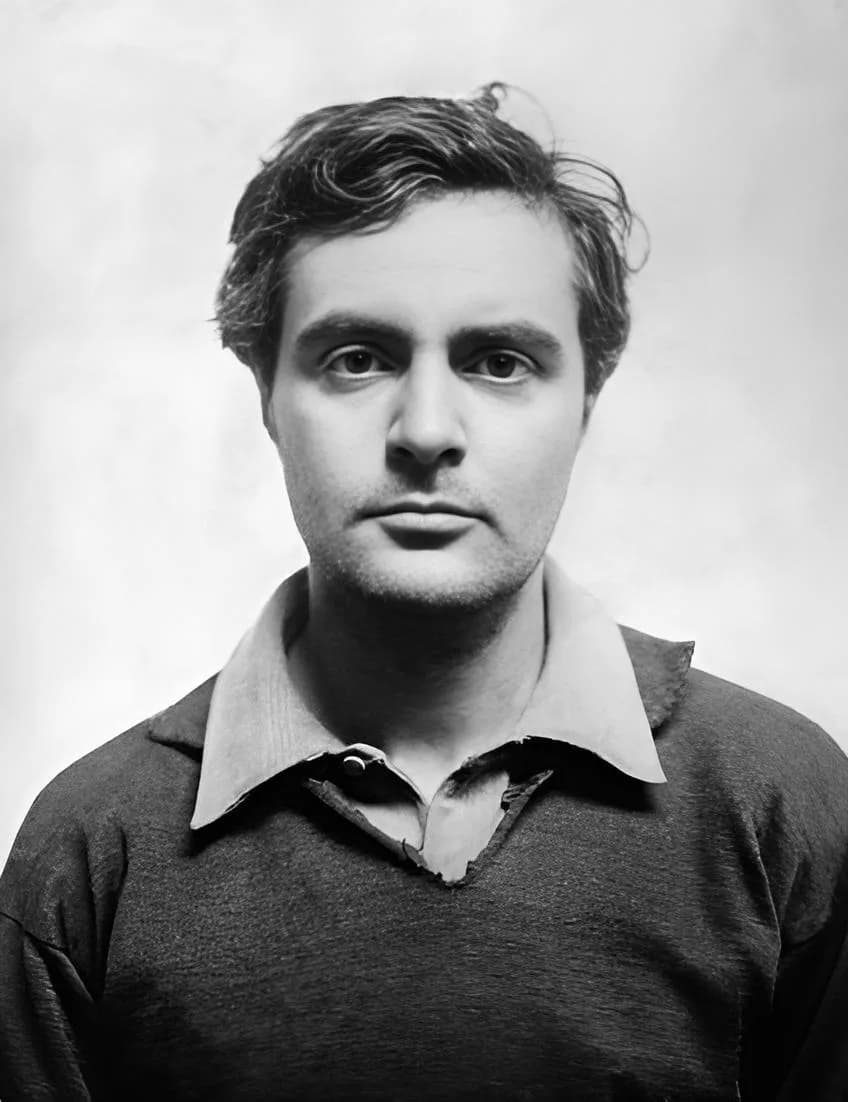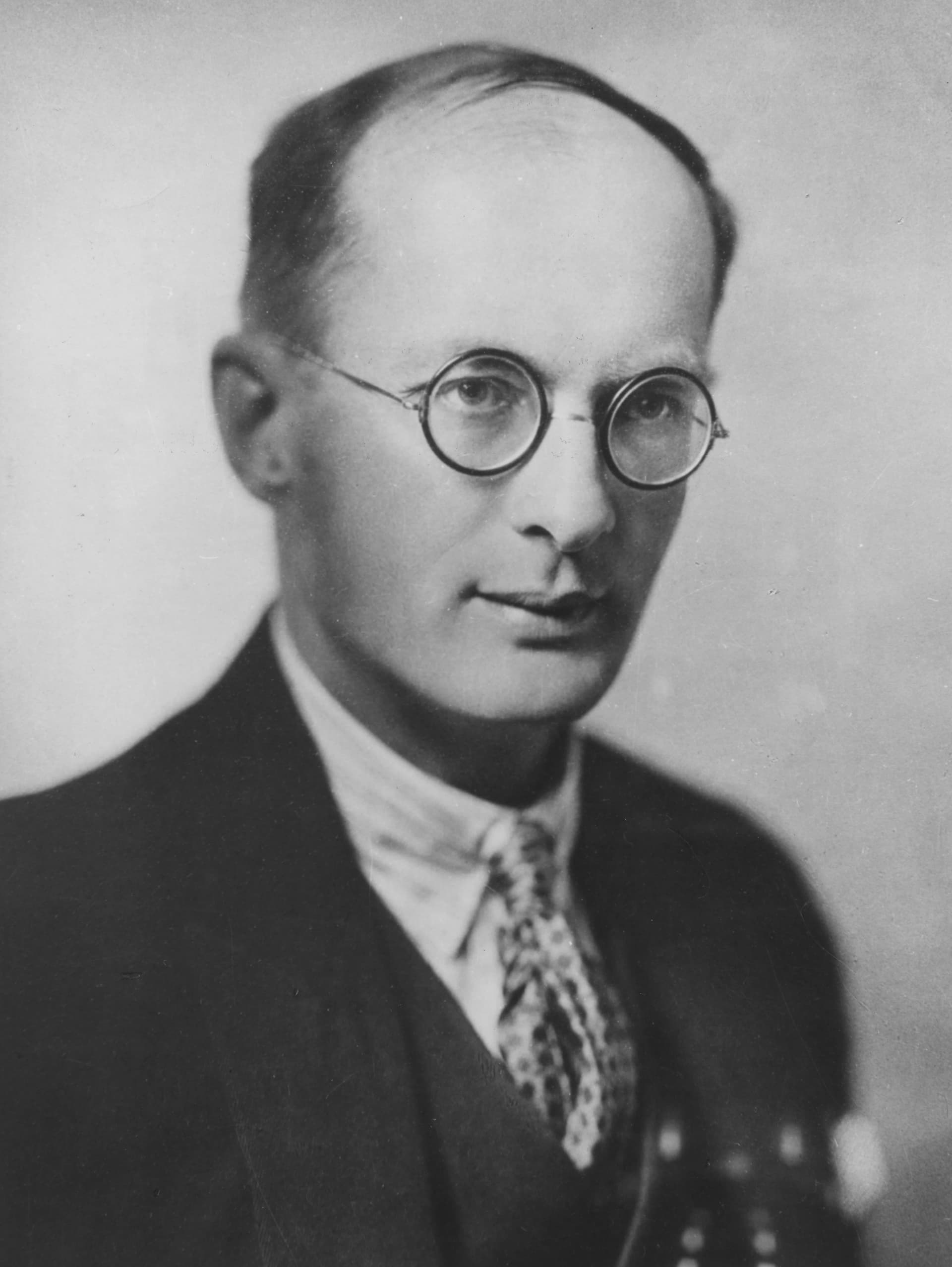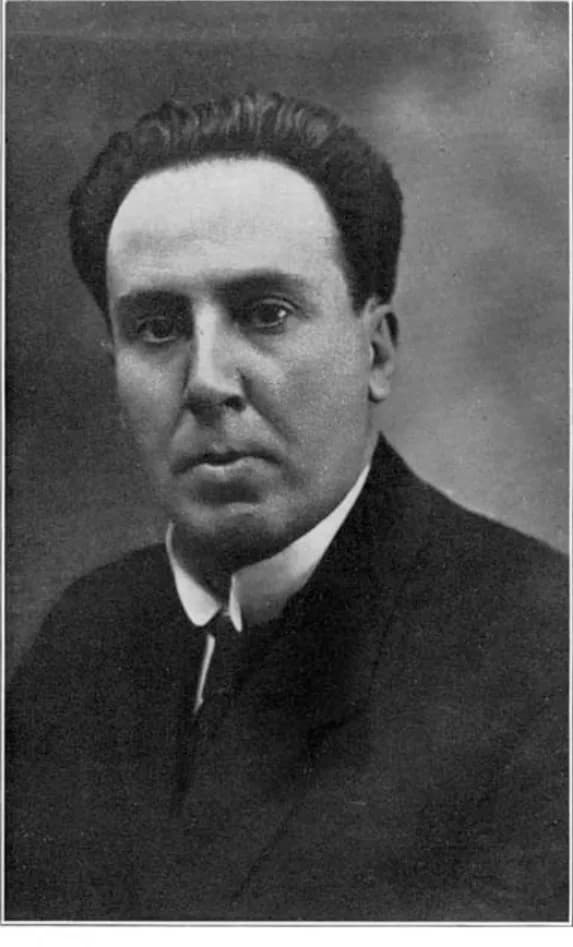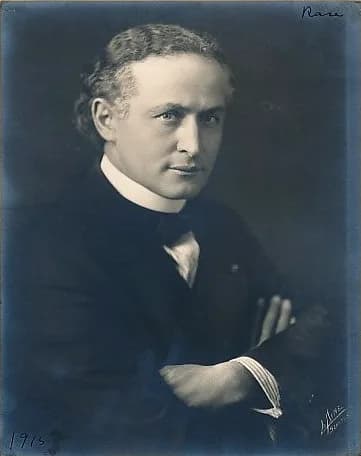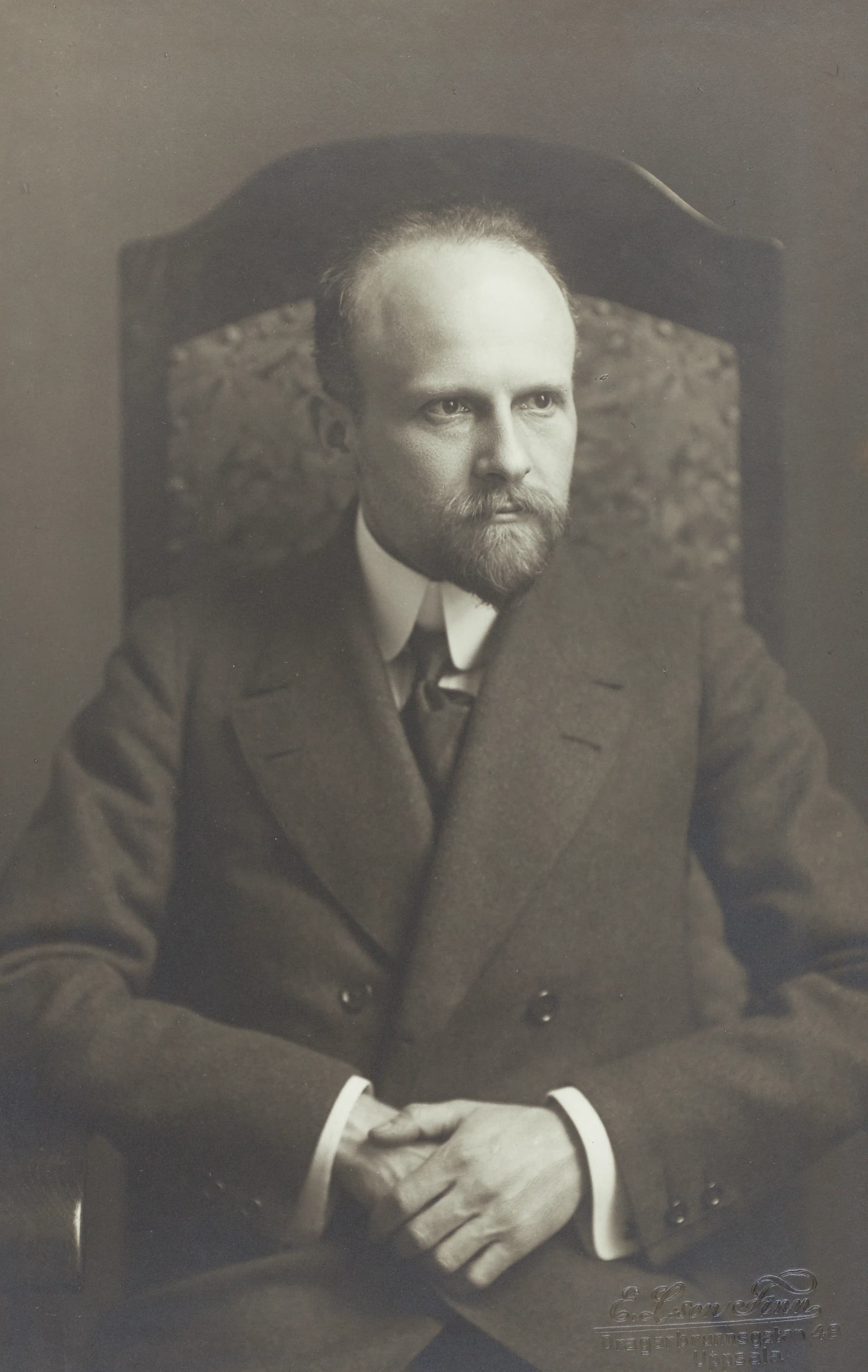
Born
April 22, 1884
Vienna, Austria
Died
October 31, 1939
New York City, United States
Known for
Austrian psychoanalyst
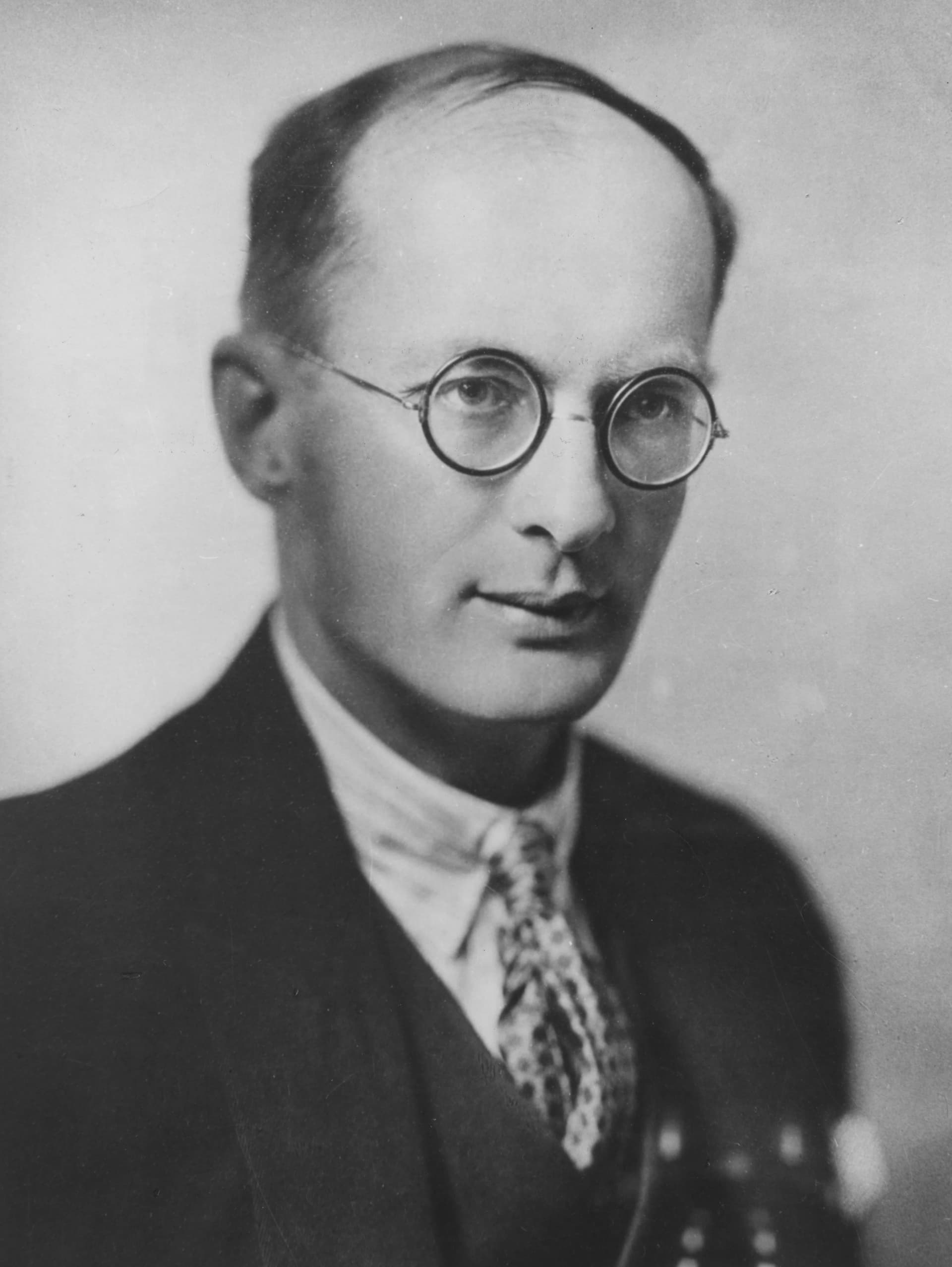
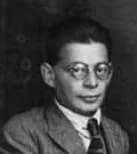
Otto Rank (1884–1939) was Austria best known for Austrian psychoanalyst.
Otto Rank (April 22, 1884 – October 31, 1939) was an Austrian psychoanalyst from Vienna. He challenged Freudian theory with his concept of birth trauma and pioneered relationship-based therapy. His ideas continue to influence various fields of psychology and cultural criticism.
A life in moments
The moments that shaped a life
Chapter
Life chapters
Chapter 1 · 1884· Chapter 1 of 6
Early Life and Origins
Otto Rank was born on April 22, 1884, in the vibrant city of Vienna, Austria. This era and location were a hotbed of intellectual and artistic ferment, providing a unique backdrop for his formative years. Growing up in Vienna, Rank was exposed to a rich cultural environment that undoubtedly influenced his later inquiries into myth, art, and creativity.
While specific details about his family and early upbringing are not extensively documented, his intellectual journey began early. Rank's innate curiosity and keen analytical mind propelled him towards profound philosophical and psychological questions. His initial pursuits laid the groundwork for his eventual deep engagement with psychoanalysis.
Chapter 2· Chapter 2 of 6
Career Beginnings
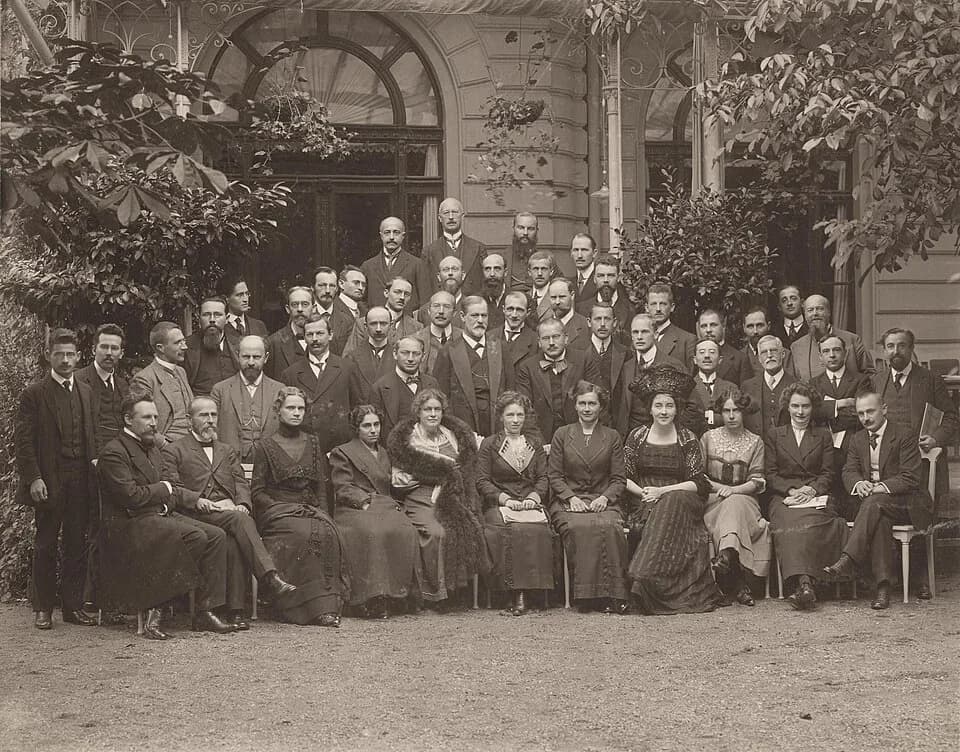
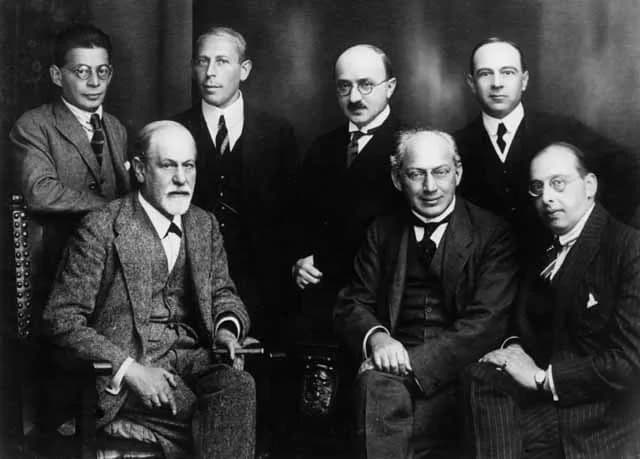
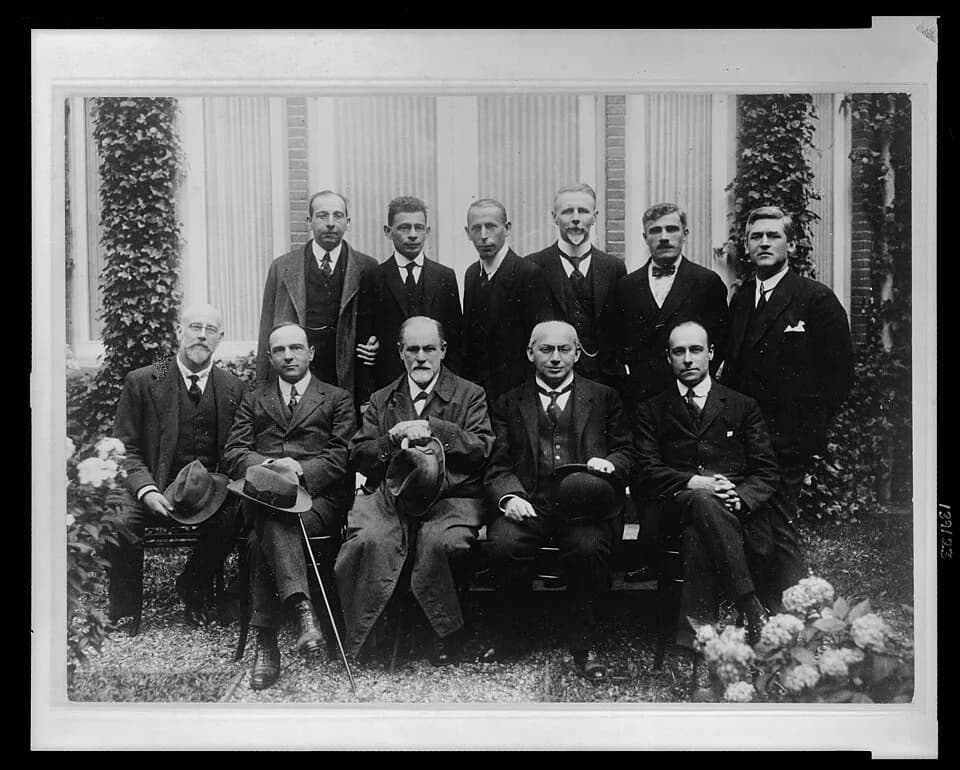
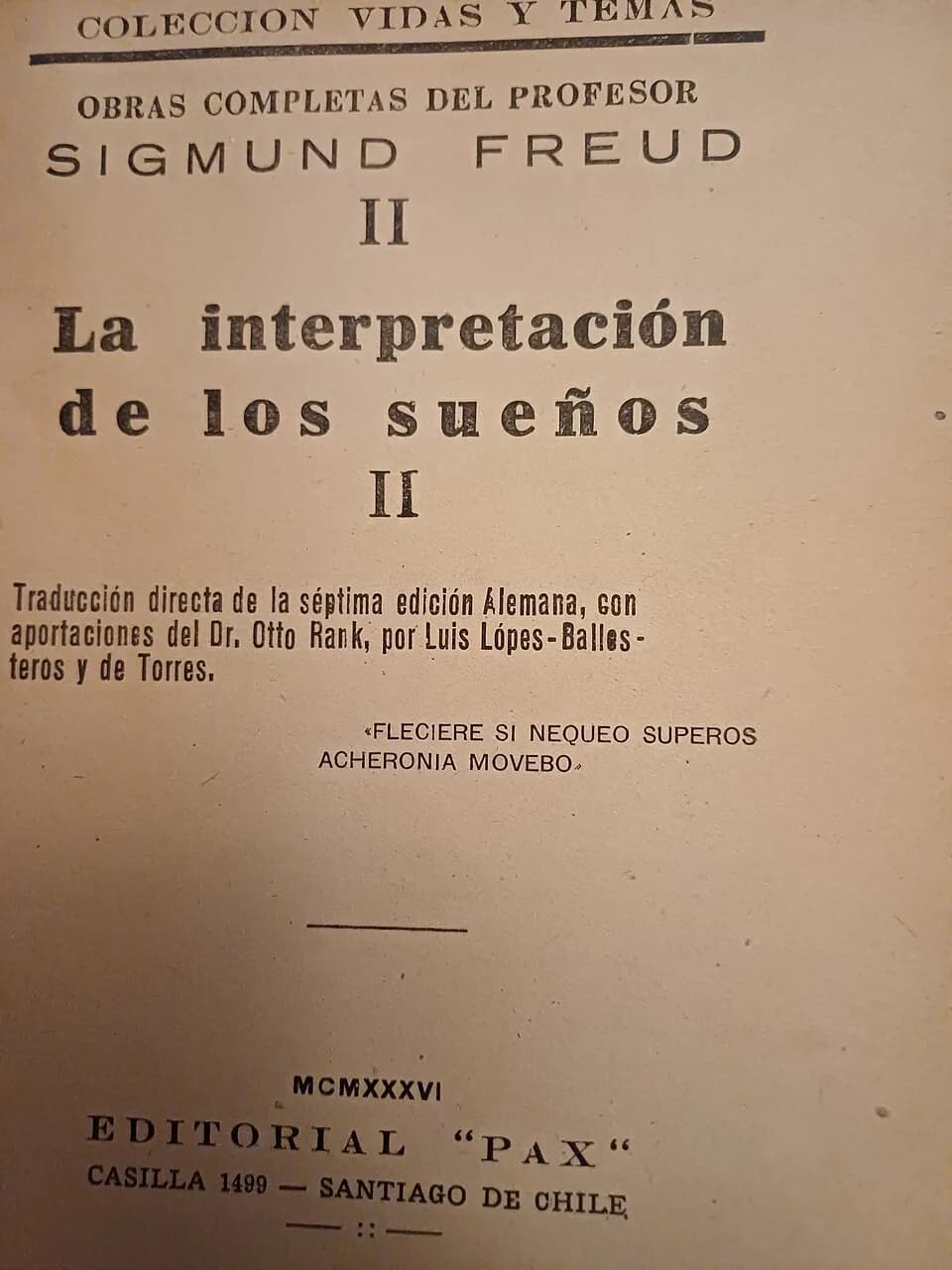
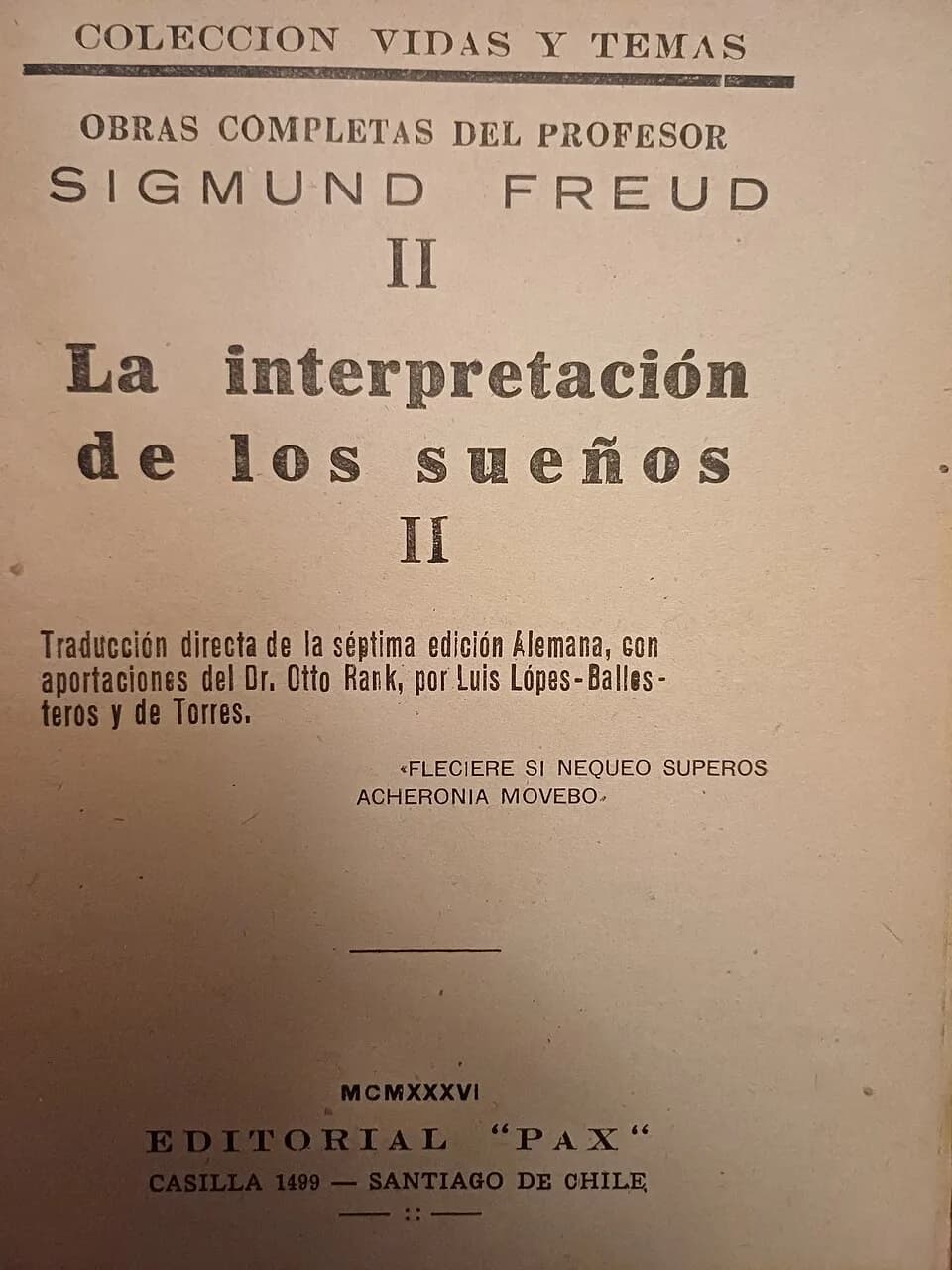
Rank's intellectual brilliance quickly caught the attention of Sigmund Freud, leading to a close and productive collaboration. He became one of Freud's earliest and most trusted associates, a central figure within the nascent psychoanalytic movement. His role extended beyond mere collaboration, cementing his position at the heart of the Vienna Psychoanalytic Society.
As secretary of the Vienna Psychoanalytic Society, Rank played a crucial administrative and intellectual role in its organization and growth. He was also instrumental in shaping the movement's discourse by editing several leading psychoanalytic journals. Through these publications, he disseminated new theories and research, contributing significantly to the field's early consolidation.
During this period, Rank began to publish his own studies, exploring themes of myth and creativity through a psychoanalytic lens. These early works demonstrated his unique intellectual perspective and his ability to apply psychoanalytic concepts to broader cultural phenomena. His contributions were vital in establishing psychoanalysis as a legitimate academic and therapeutic discipline.
Chapter 3 · 1924· Chapter 3 of 6
Major Achievements and Career Highlights
A turning point in Rank's career came with the publication of his influential book, The Trauma of Birth, in 1924. This work introduced a truly revolutionary concept, proposing that the fundamental anxiety experienced by humans originates from the separation trauma of birth itself. This idea diverged significantly from Freud's emphasis on the Oedipus complex as the primary source of neurotic anxiety.
In The Trauma of Birth, Rank also coined the term "pre-Oedipal," highlighting earlier developmental stages as crucial to psychological formation. This concept directly challenged Freud's father-centered developmental theory, asserting the profound impact of the mother-child bond from the very beginning of life. The book's controversial propositions ultimately triggered a decisive break between Rank and Freud, marking a new phase in Rank's independent intellectual journey.
Following his separation from the orthodox Freudian school, Rank established successful psychotherapy practices in both Paris and New York. In these new settings, he further developed and promoted his distinctive approach to therapy. His method emphasized a relationship-based way of being, where the therapist's authenticity, empathy, and unconditional respect for the client were central to the healing process.
This innovative therapeutic model laid the groundwork for many later developments in psychotherapy. Rank's focus on the present moment and the client's capacity for self-creation represented a departure from traditional analytical interpretations. His insights into the power of the therapeutic relationship proved to be a lasting contribution to the field.
Chapter 4· Chapter 4 of 6
Notable Works or Contributions
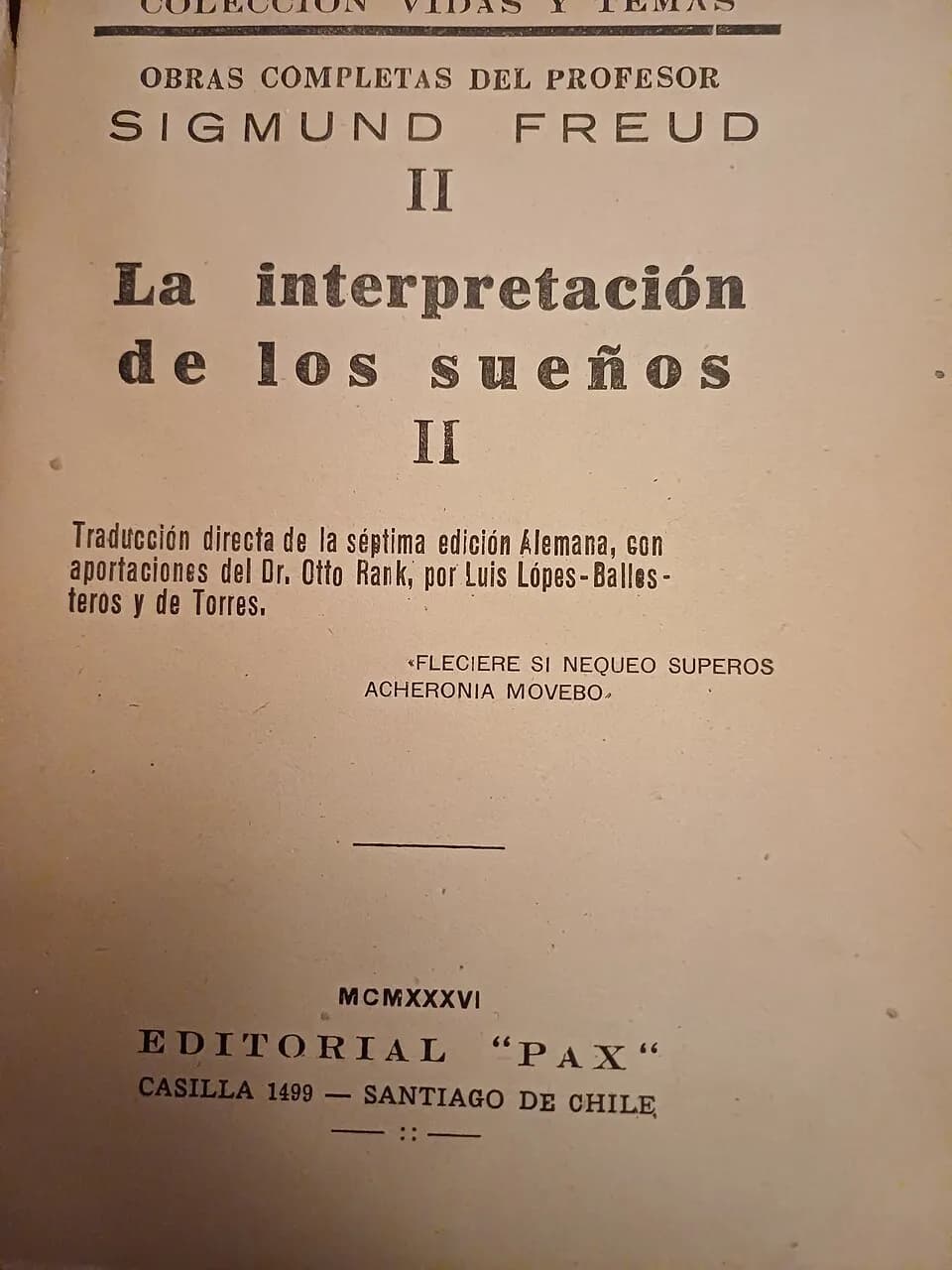
Otto Rank's extensive body of work reflects his profound intellectual curiosity and his willingness to challenge conventional thought. His writings delved into diverse subjects, from the origins of myth to the psychology of creativity and the nature of the therapeutic encounter. His publications often sparked lively debate and reevaluation within psychological circles.
Among his significant contributions is Das Inzest-Motiv in Dichtung und Sage (The Incest Motif in Poetry and Saga), published in 1912 and reissued in 1974. This comprehensive work explored the pervasive theme of incest across various literary and mythological traditions. It demonstrated his early capacity to synthesize psychoanalytic theory with cultural studies, offering new interpretations of ancient narratives.
Another notable work is Die Don Juan-Gestalt (The Don Juan Figure), an exploration of the iconic character's psychological dimensions. Though its original publication year is not widely cited, this study further showcased Rank's ability to apply deep psychological analysis to literary archetypes. It provided unique insights into themes of desire, power, and the human condition.
His interest in creative expression culminated in Kunst und Künstler : Studien zur Genese und Entwicklung des Schaffensdranges (Art and Artist: Studies in the Genesis and Development of the Creative Drive), originally published in 1932 and later reissued in 2000. In this book, Rank explored the psychological origins of the artistic impulse, linking creativity to the individual's struggle for self-affirmation and differentiation. It remains a seminal text for understanding the psychology of art.
Rank also explored the foundations of psychological development in works like Grundzüge einer Genetischen Psychologie (Fundamentals of a Genetic Psychology), which saw a modern re-publication in 2024. These publications underscore his continuous effort to build a comprehensive framework for understanding human psychological growth. His academic output includes 22 papers, demonstrating a consistent and impactful presence in scholarly discourse, with an h-index of 7.
Chapter 5· Chapter 5 of 6
Later Years
In his later years, Otto Rank maintained active psychotherapy practices and continued to refine his theoretical insights. After leaving Europe, he established himself firmly in the United States, particularly in New York City, where he continued his therapeutic work and writing. His transition allowed him to further disseminate his distinctive ideas to a broader American audience.
His final years were dedicated to consolidating his unique approach to existential and humanistic psychology. He fostered an environment where clients could explore their authentic selves and embrace their capacity for self-direction. Rank's work during this time built bridges between psychoanalytic theory and emerging humanistic perspectives.
Otto Rank passed away on October 31, 1939, in New York City, United States. His death marked the end of a life dedicated to intellectual exploration and therapeutic innovation. Despite his passing, his ideas continued to gain recognition and influence, shaping subsequent generations of psychologists and therapists.
Chapter 6· Chapter 6 of 6
Legacy and Impact
Otto Rank's contributions to psychology and psychotherapy are extensive and continue to be highly regarded. His emphasis on the separation anxiety of birth as a fundamental human experience significantly broadened developmental psychology. This concept provided a crucial alternative to purely Freudian interpretations of neurosis and psychological distress.
Rank's therapeutic approach, centered on authenticity, empathy, and unconditional respect, profoundly influenced the development of several modern therapeutic modalities. He is widely recognized as an intellectual forerunner for existential therapy, which emphasizes individual responsibility and freedom. His ideas also provided a strong foundation for interpersonal and humanistic therapy, which prioritize the therapeutic relationship and the client's inherent potential for growth.
Beyond clinical practice, Rank's theories also impacted other fields, including social work and action learning. His insights into dynamic relationships and the process of change offered valuable frameworks for understanding individual and group dynamics in diverse settings. He recognized the inherent human drive for self-realization and the importance of active participation in one's own development.
Furthermore, Rank's profound ideas on creativity and the concept of the "double" continue to inform psychological and cultural criticism to the present day. His work on artistic expression provided a lens through which to understand the complex interplay between individual will and societal pressures. The enduring relevance of his thought confirms his place as a truly original and influential figure in the history of psychology.
FAQ
Frequently asked
When did Otto Rank die?
Otto Rank died on October 31, 1939 in New York City, United States, at the age of 55.
Where was Otto Rank born?
Otto Rank was born in Vienna, Austria on April 22, 1884.
What is Otto Rank best known for?
Otto Rank is best known for Austrian psychoanalyst.
How old was Otto Rank when they died?
Otto Rank was 55 years old at the time of death.
What nationality was Otto Rank?
Otto Rank was from Austria.
Timeline
Life at a glance
Photo gallery
A life in pictures
Click any polaroid to expand · 21 photos
QR Code
Share This Biography
Print & Share
Scan to visit this biography page. Print for events, exhibitions, or educational materials.