Born
April 22, 1929
Hampstead, United Kingdom of Great Britain and Ireland
Died
January 11, 2019
Edinburgh, United Kingdom
Known for
British mathematician
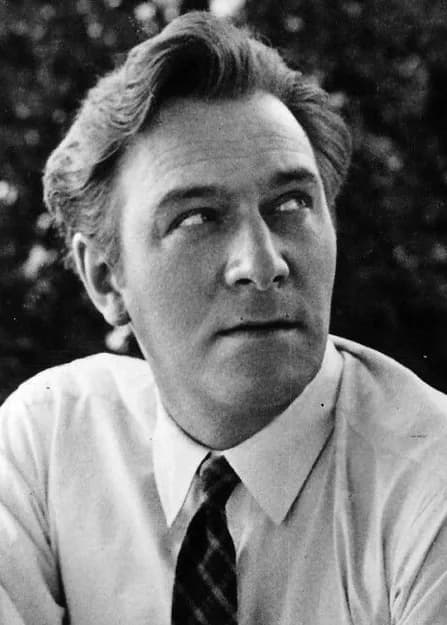
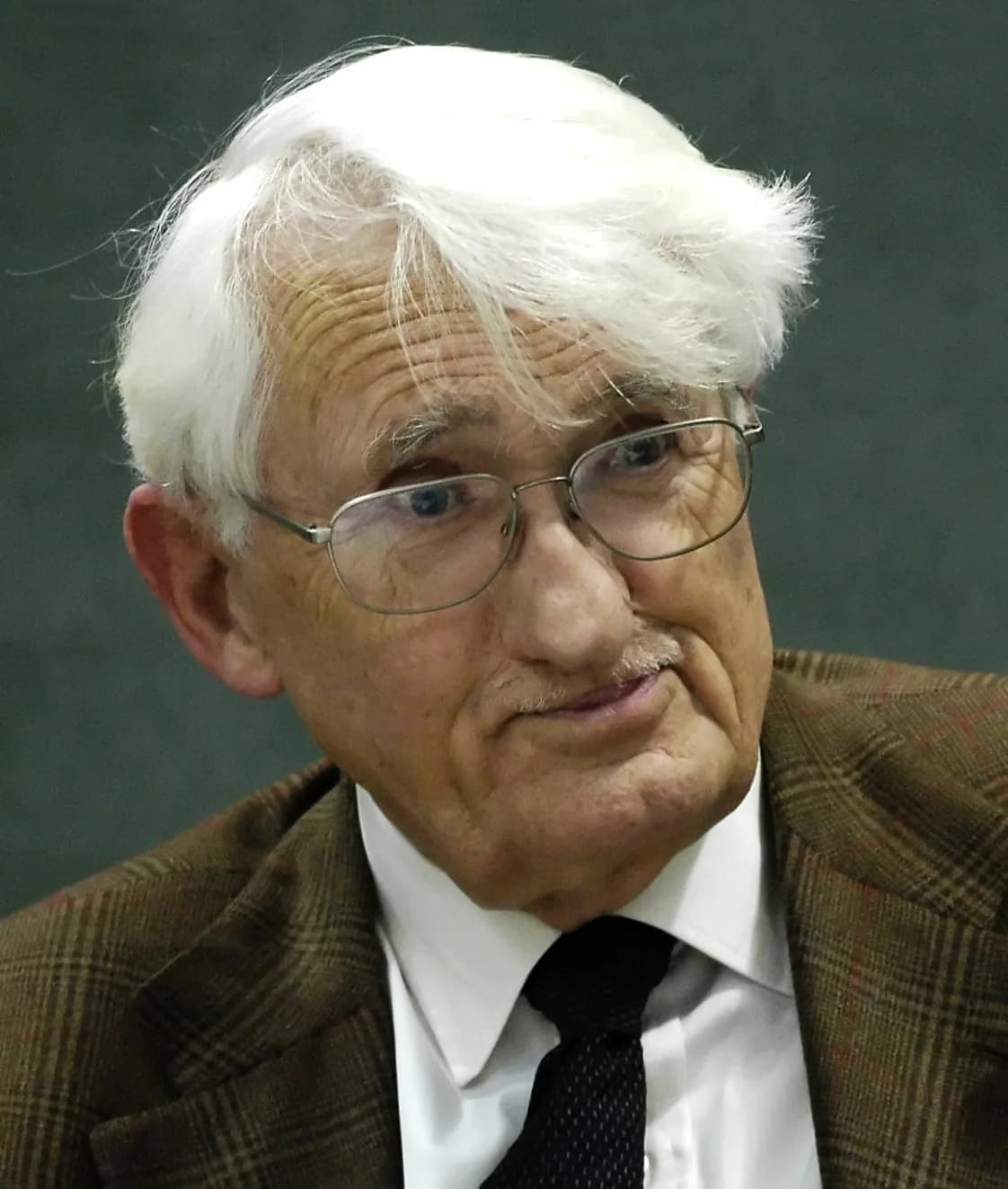
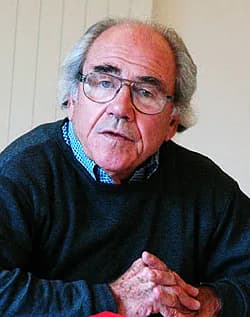
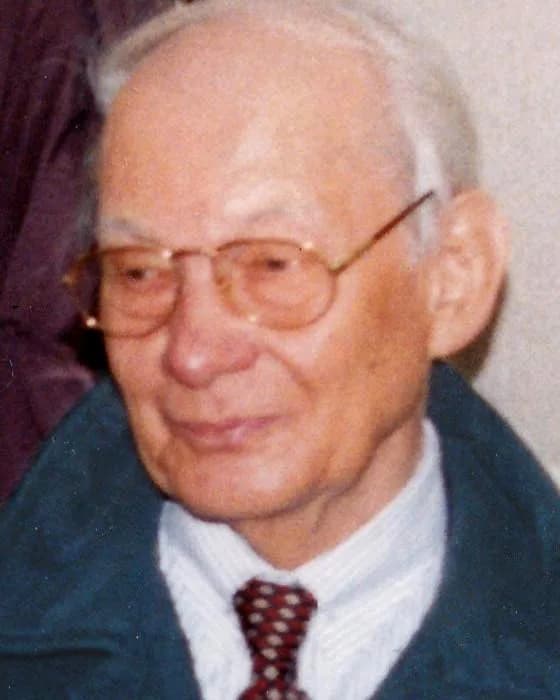
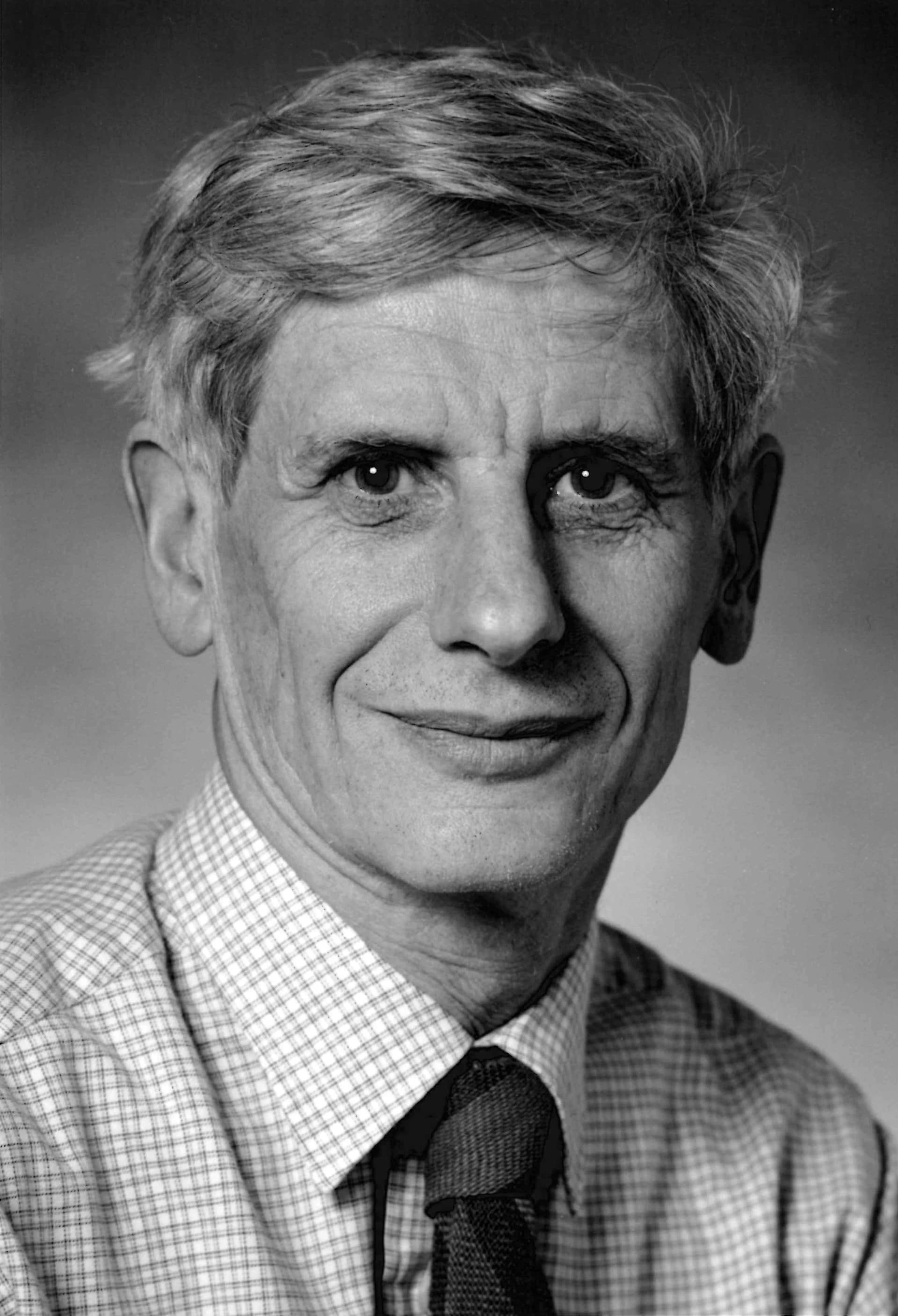
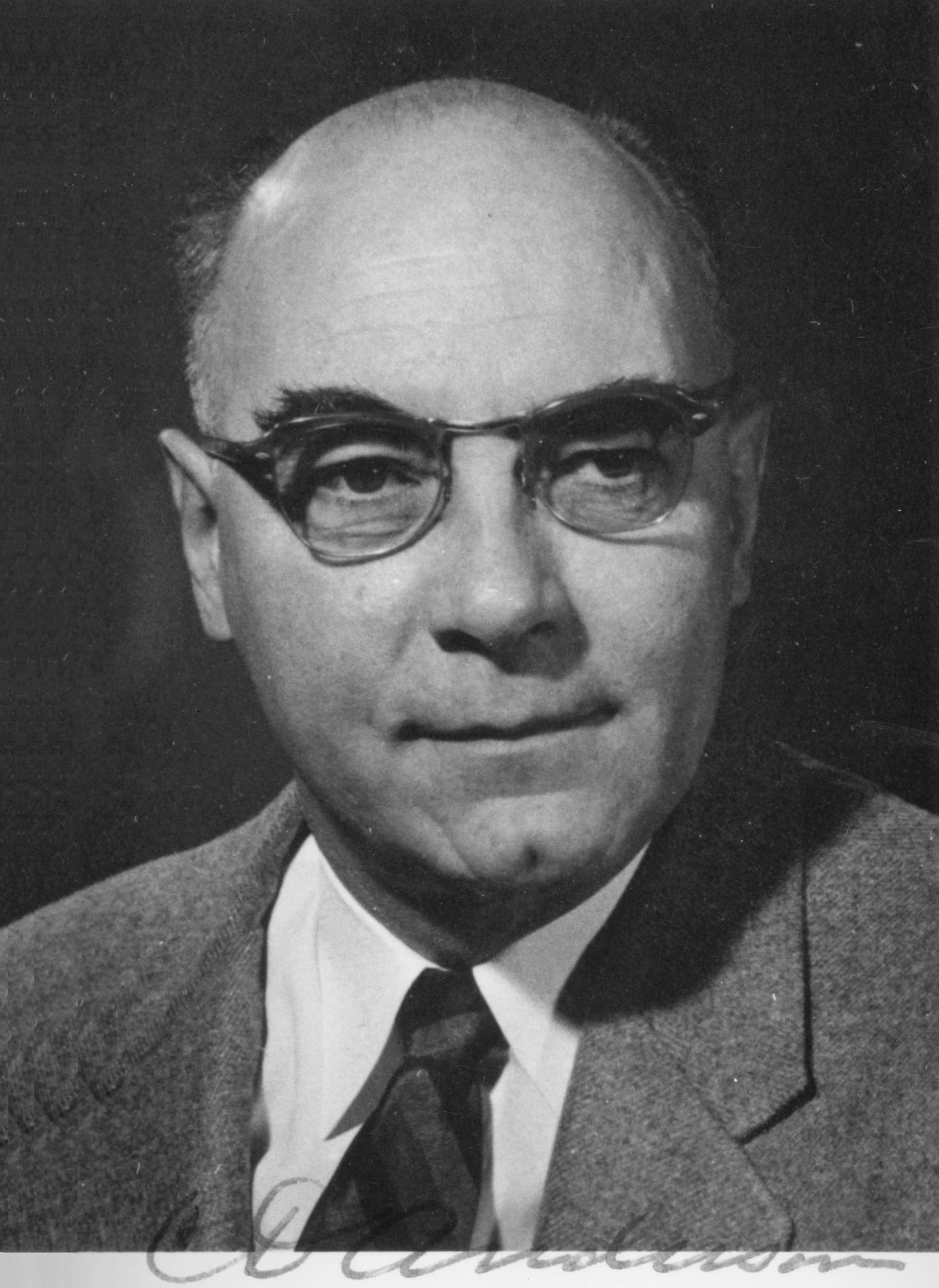
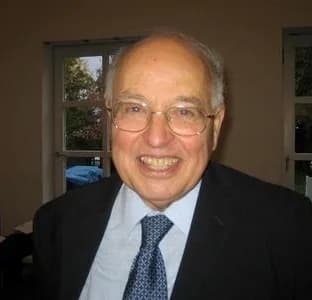
Michael Atiyah (1929–2019) was United Kingdom of Great Britain and Ireland best known for British mathematician.
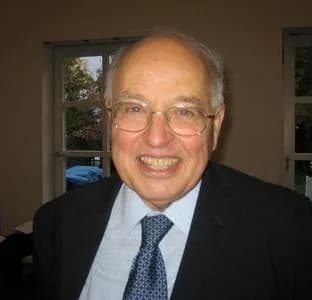
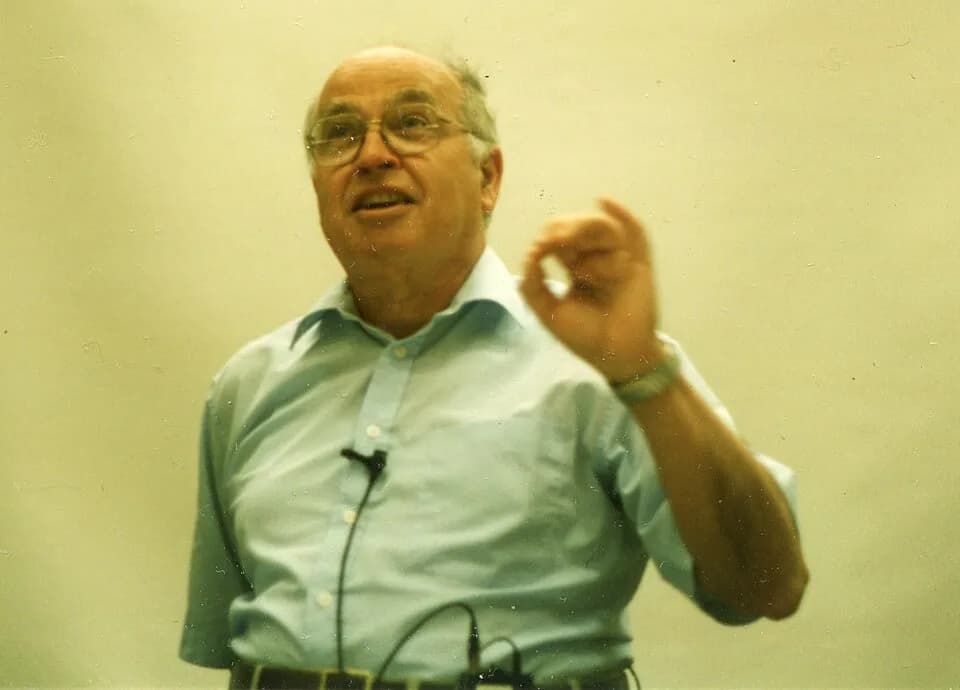
Sir Michael Francis Atiyah (April 22, 1929 – January 11, 2019) was a British mathematician specializing in geometry. He co-founded topological K-theory and developed the Atiyah–Singer index theorem, earning him the Fields Medal and the Abel Prize. His work profoundly shaped modern mathematics.
A life in moments
The moments that shaped a life
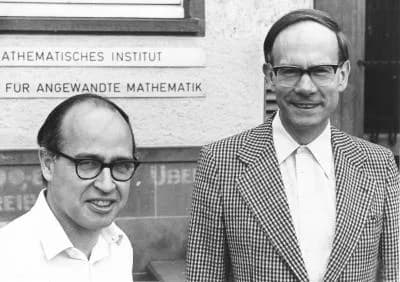
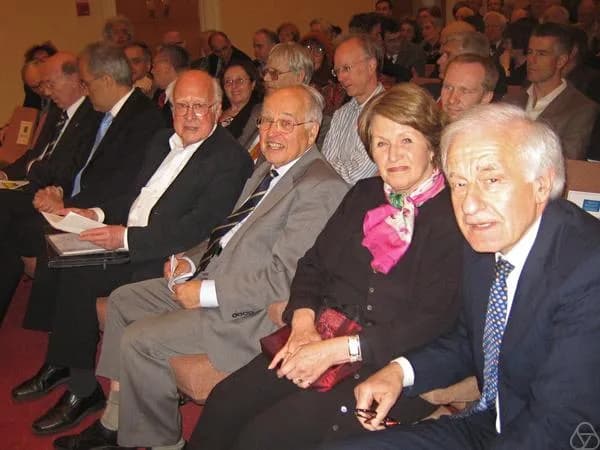
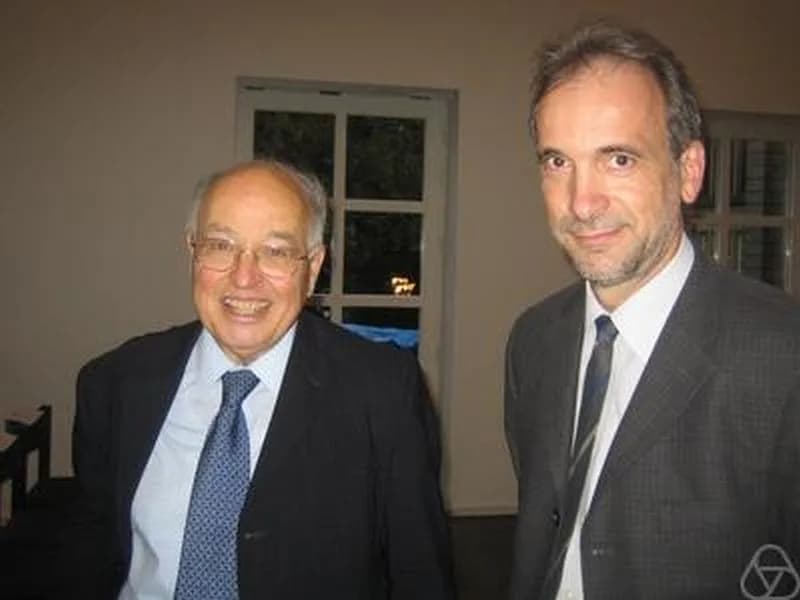
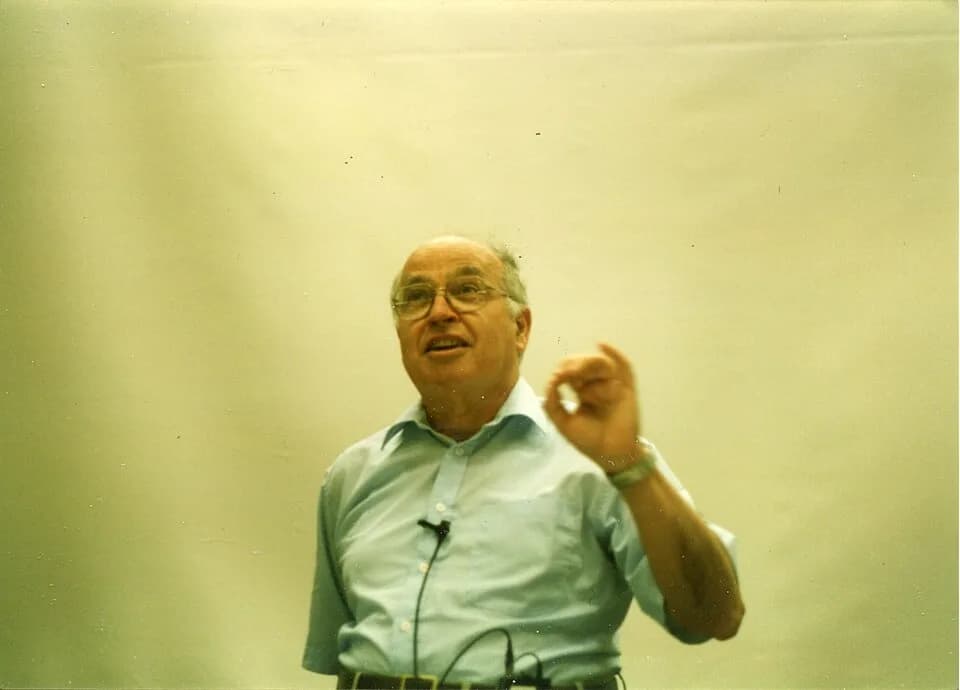
Chapter
Life chapters
Chapter 1 · 1929· Chapter 1 of 6
Early Life and Origins
Michael Atiyah was born in Hampstead, then part of the United Kingdom of Great Britain and Ireland, on April 22, 1929. His early life in the UK formed the foundation for his future academic pursuits. He later also held Lebanese nationality, reflecting a diverse background that enriched his perspective. This combination of heritage underscored his identity as a British-Lebanese mathematician specializing in geometry.
Chapter 2· Chapter 2 of 6
Academic Foundations and Early Career
From his formative years, Michael Atiyah pursued an academic path, ultimately becoming a distinguished mathematician and dedicated university teacher. His specialization in geometry became the defining focus of his extensive professional life. He committed himself to rigorous mathematical inquiry, which would later earn him global recognition. Atiyah’s intellectual journey began in an era of significant mathematical discovery, positioning him to make his own monumental contributions.
Chapter 3· Chapter 3 of 6
Pioneering Contributions to Mathematics
Sir Michael Atiyah's intellectual achievements profoundly reshaped several areas of modern mathematics, particularly through his innovative work in topology. He is widely recognized for his instrumental role in co-founding topological K-theory. This sophisticated framework connected topology with algebraic methods, offering new ways to analyze complex geometric structures and physical phenomena. His visionary approach laid groundwork for future developments in these interconnected fields.
Another of Atiyah's major contributions was the Atiyah–Singer index theorem, developed alongside American mathematician Isadore Singer. This theorem stands as a landmark result in differential geometry and theoretical physics, establishing a deep and unexpected link between analytical properties of differential operators and topological invariants of the underlying space. The index theorem provided a powerful tool for understanding the geometry of manifolds and has applications across various branches of mathematics and physics.
Chapter 4 · 1966· Chapter 4 of 6
Distinguished Accolades and Recognition
The mathematical community bestowed its highest honors upon Sir Michael Atiyah in recognition of his exceptional intellect and far-reaching work. In 1966, he was awarded the prestigious Fields Medal, often considered the Nobel Prize of mathematics, presented for outstanding mathematical achievement. This international award specifically acknowledged his groundbreaking contributions to topology and geometry, bringing significant international acclaim to his research.
Years later, in 2004, Atiyah received the Abel Prize, a testament to his continued influence and the enduring significance of his mathematical discoveries throughout his career. This esteemed recognition further cemented his status as a titan in geometry. These celebrated awards underscore the lasting impact of his ideas on the entire scientific world, affirming his place among the most celebrated mathematicians of his era.
Chapter 5 · 1984· Chapter 5 of 6
Notable Works and Publications
Beyond his celebrated theorems, Sir Michael Atiyah also engaged with broader mathematical and philosophical themes through his written works. Among his documented publications are "Co je geometrie," published in 1984, which delved into foundational geometric concepts. He further explored the philosophical underpinnings of mathematics in "Důkazy, fyzika a věci kolem nich," released in 1996, examining proofs, physics, and related subjects. In 2003, Atiyah contributed "Matematika ve 20. století," offering his insights on the trajectory and advancements within 20th-century mathematics. These works, along with others, illustrate his comprehensive engagement with mathematical thought.
Chapter 6 · 2019· Chapter 6 of 6
Later Life and Enduring Legacy
Sir Michael Atiyah maintained an active and influential presence in the mathematical world throughout his later years, continually reinforcing his standing as a leading British-Lebanese mathematician. He passed away peacefully in Edinburgh, United Kingdom, on January 11, 2019, at the age of 89. His extensive contributions, particularly the Atiyah–Singer index theorem and his role in developing topological K-theory, continue to inspire and guide researchers today. Atiyah’s lasting legacy is evident in the ongoing development of mathematics, with new generations building upon the fundamental principles and insights he so masterfully established.
FAQ
Frequently asked
When did Michael Atiyah die?
Michael Atiyah died on January 11, 2019 in Edinburgh, United Kingdom, at the age of 89.
Where was Michael Atiyah born?
Michael Atiyah was born in Hampstead, United Kingdom of Great Britain and Ireland on April 22, 1929.
What is Michael Atiyah best known for?
Michael Atiyah is best known for British mathematician.
How old was Michael Atiyah when they died?
Michael Atiyah was 89 years old at the time of death.
What nationality was Michael Atiyah?
Michael Atiyah was from United Kingdom of Great Britain and Ireland.
Timeline
Life at a glance
Photo gallery
A life in pictures
Click any polaroid to expand · 23 photos
QR Code
Share This Biography
Print & Share
Scan to visit this biography page. Print for events, exhibitions, or educational materials.