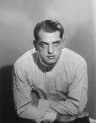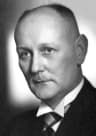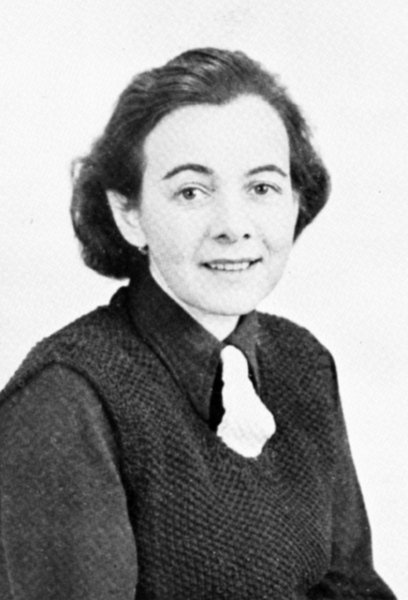
Born
October 26, 1900
Gothenburg, Sweden
Died
April 24, 1941
Oscar Parish, Sweden
Known for
Swedish poet and novelist
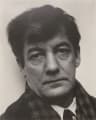
Karin Boye (1900–1941) was Sweden best known for Swedish poet and novelist.
Karin Maria Boye (October 26, 1900 – April 24, 1941) was a Swedish poet and novelist. She is highly acclaimed for her poetry in Sweden and internationally recognized for her dystopian science fiction novel, Kallocain (1940). Her profound works continue to influence literature and inspire readers.
Chapter
Life chapters
Chapter 1 · 1900· Chapter 1 of 6
Early Life and Origins
Born on October 26, 1900, in Gothenburg, Sweden, Karin Maria Boye's early years undoubtedly laid the foundational groundwork for her profound literary journey. Her upbringing in Sweden deeply influenced her perspectives and artistic expression, shaping the unique voice evident in her subsequent works. While specific details of her formal education are not extensively provided, her later career as a discerning critic and skilled translator points to a rigorous intellectual background and a broad understanding of literature. She developed the keen analytical skills that would later define her impactful writing.
Chapter 2· Chapter 2 of 6
Career Beginnings
Karin Boye embarked on her professional literary path as a writer, swiftly establishing herself across various significant roles. She was not only a gifted poet and an imaginative novelist but also excelled as a respected translator and an insightful literary critic. Her initial works and critical essays helped to firmly embed her presence within the vibrant Swedish literary scene. These early contributions showcased her versatility and deep commitment to the craft of writing, setting the stage for her future successes.
Chapter 3 · 1940· Chapter 3 of 6
Major Achievements and Career Highlights
Within Sweden, Karin Boye earned considerable acclaim primarily as a poet, publishing several collections that were celebrated for their distinctive voice and profound emotional depth. Her lyrical works resonated deeply with the Swedish public and literary critics alike. Internationally, Boye's reputation broadened significantly with the release of her powerful dystopian science fiction novel, Kallocain, in 1940. This pivotal novel stands as a major achievement, securing her recognition and influence far beyond the borders of her home country.
Chapter 4· Chapter 4 of 6
Notable Works or Contributions
Throughout her active career, Karin Boye created a substantial body of work that continues to be both studied and deeply admired. Her poetry collections, including "Uppgörelser," "Till dig," and "Härdarna," are considered cornerstones of her Swedish literary legacy, showcasing her talent for evocative verse. These works often explored personal and societal struggles with a unique poetic intensity.
The novel "Kallocain" (1940), also known by its original title, particularly influenced the science fiction genre with its stark exploration of totalitarian societies and individual resistance against state control. Other significant works like "Kris" further demonstrated her ability to delve into complex psychological states and existential questions. Her diverse bibliography solidified her standing as a versatile and important literary figure.
Chapter 5 · 1941· Chapter 5 of 6
Later Years
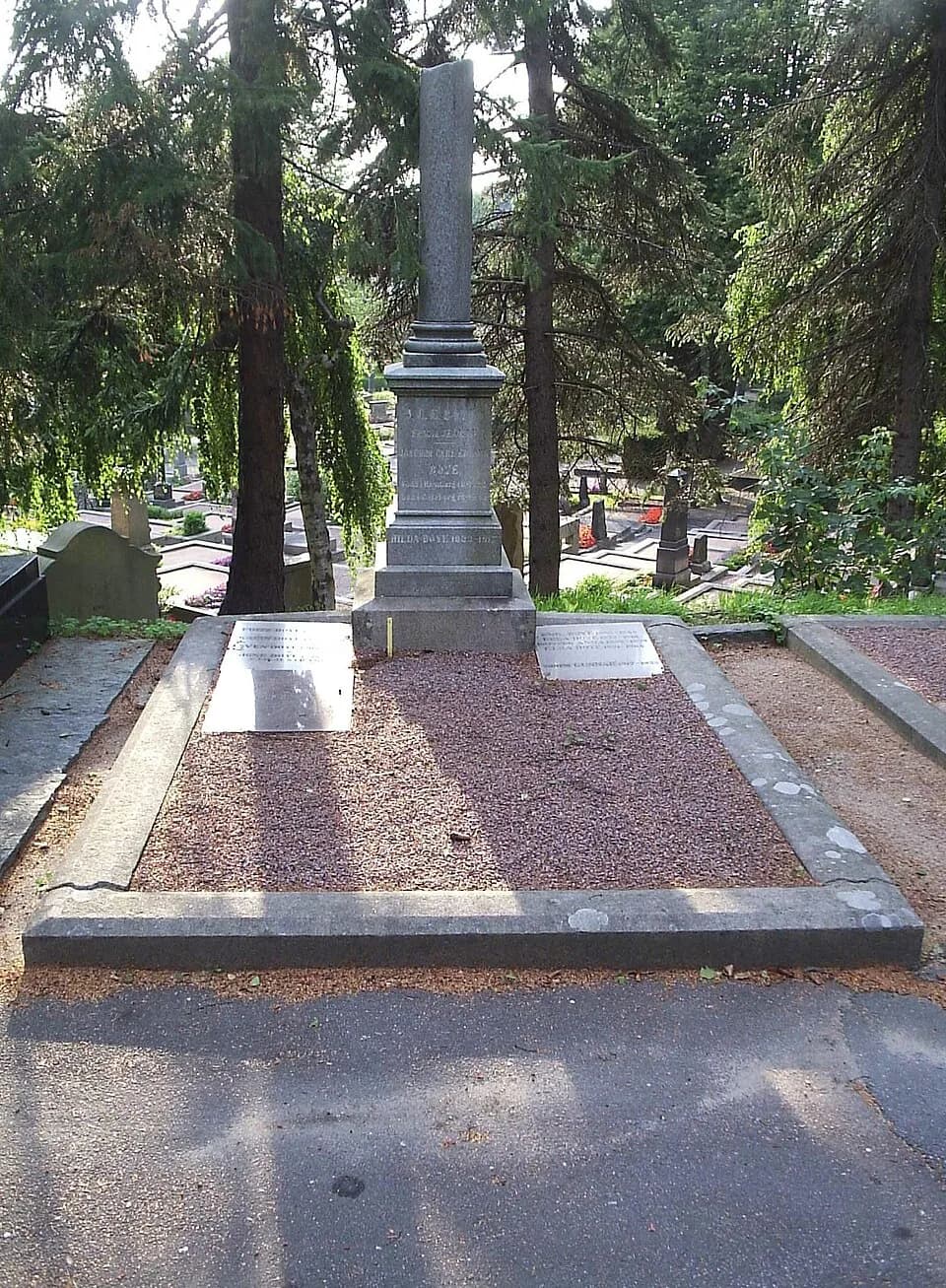
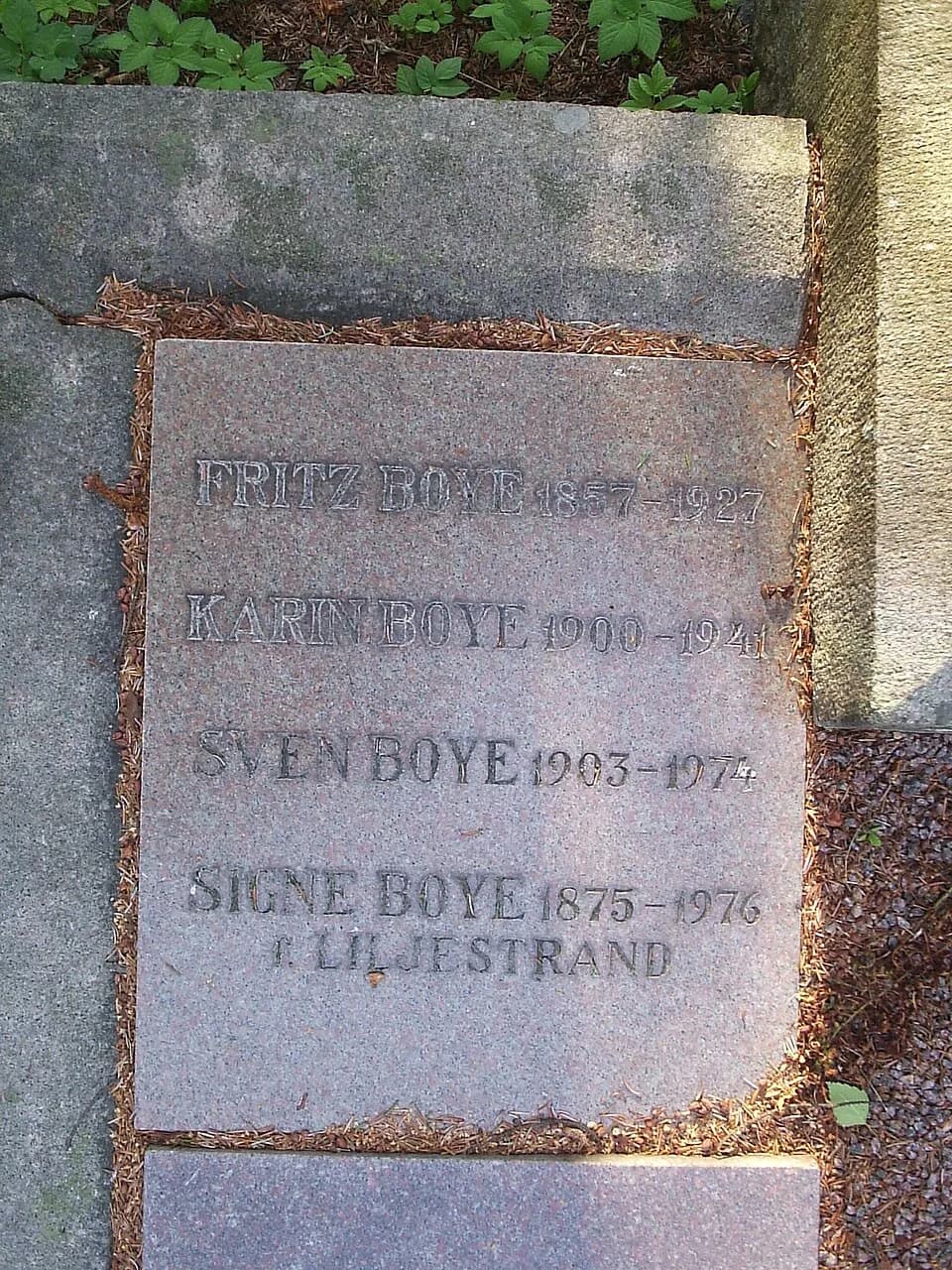
Karin Boye's prolific and impactful career concluded prematurely with her tragic death on April 24, 1941. She passed away in Oscar Parish, Sweden, a loss keenly felt throughout the literary world. Her passing at a relatively young age marked a significant void in both Swedish and international literature, leaving readers and peers mourning her absence. Despite her short life, she left behind an enduring and profoundly resonant collection of works that continue to inspire.
Chapter 6· Chapter 6 of 6
Legacy and Impact
The influence of Karin Boye continues to be felt decades after her passing, particularly through her innovative poetry and the enduring relevance of her dystopian novel, Kallocain. Her thoughtful and often prescient works continue to engage and inspire new generations of readers and writers across different cultures, prompting reflection on individual freedom and societal pressures.
She left a significant mark on the literary landscape, affirming her lasting and distinguished place in the annals of literary history. The depth of her insights into human nature, societal structures, and individual struggles remains a powerful source of discussion and admiration, ensuring her legacy as a formidable literary voice.
A life in moments
The moments that shaped a life
FAQ
Frequently asked
When did Karin Boye die?
Karin Boye died on April 24, 1941 in Oscar Parish, Sweden, at the age of 40.
Where was Karin Boye born?
Karin Boye was born in Gothenburg, Sweden on October 26, 1900.
What is Karin Boye best known for?
Karin Boye is best known for Swedish poet and novelist.
How old was Karin Boye when they died?
Karin Boye was 40 years old at the time of death.
What nationality was Karin Boye?
Karin Boye was from Sweden.
Timeline
Life at a glance
Photo gallery
A life in pictures
Click any polaroid to expand · 20 photos
QR Code
Share This Biography
Print & Share
Scan to visit this biography page. Print for events, exhibitions, or educational materials.