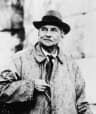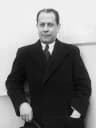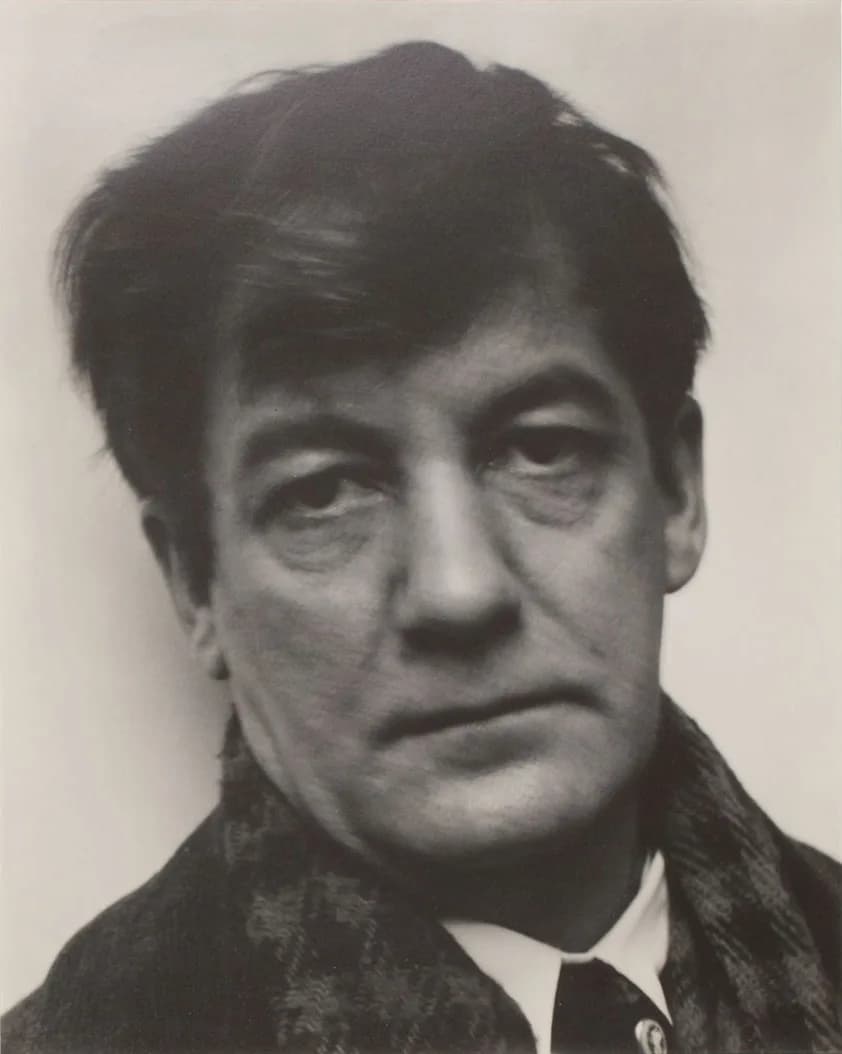
Born
September 13, 1876
Camden, United States
Died
March 8, 1941
Colón City, Panama
Known for
American writer
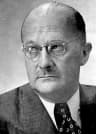
Sherwood Anderson (1876–1941) was United States best known for American writer.
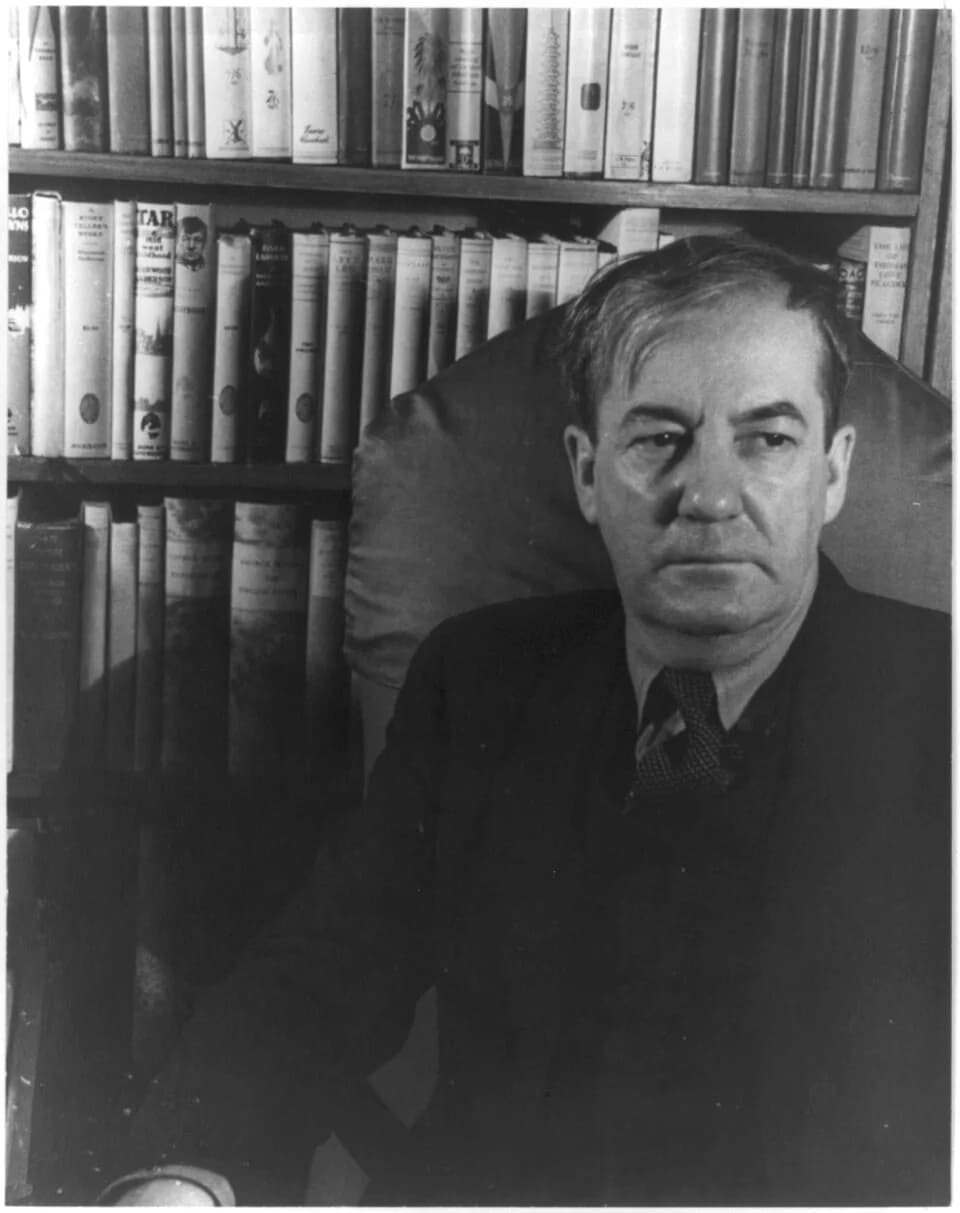
Sherwood Anderson (September 13, 1876 – March 8, 1941) was an American writer. Known for his subjective and self-revealing novels and short stories, he pioneered a style that delved into the psychological lives of ordinary Americans. His works, like "Winesburg, Ohio," left a distinct mark on 20th-century literature.
Chapter
Life chapters
Chapter 1 · 1876· Chapter 1 of 7
Early Life and Origins
Sherwood Anderson was born on September 13, 1876, in Camden, United States. His early years were marked by self-education, a path that fostered an independent and observational spirit that would later define his literary approach. Despite lacking formal higher education, Anderson cultivated a keen intellect and a deep understanding of human nature through his own readings and experiences, laying the groundwork for his future career.
His upbringing, though not extensively detailed in public records, instilled in him a grounded perspective that informed the realistic and often introspective nature of his fictional characters. This self-reliance in his formative years proved crucial as he navigated various professions before committing fully to writing. The experiences gleaned during this period provided a rich wellspring of material for his later works, reflecting a profound connection to American life.
Chapter 2· Chapter 2 of 7
Career Beginnings
Before his literary career took full flight, Sherwood Anderson established himself in the business world, demonstrating an unexpected aptitude for commerce. He rose through the ranks to become a successful copywriter and eventually a business owner. This period of his life was spent in Cleveland and Elyria, Ohio, where he honed skills in communication and observation, albeit in a different context than his later artistic pursuits.
A pivotal moment in Anderson's life occurred in 1912 when he experienced what has been described as a nervous breakdown. This profound personal crisis led him to make a dramatic decision: he abandoned his business and family to dedicate himself entirely to the craft of writing. This bold step marked the true genesis of his identity as a professional writer, fundamentally reshaping his life's trajectory and initiating his journey into the literary world.
Chapter 3· Chapter 3 of 7
Major Achievements and Career Highlights
Sherwood Anderson's career as a writer quickly gained momentum, distinguishing him through his unique narrative style. He became widely known for crafting subjective and self-revealing works, exploring the inner lives and psychological landscapes of his characters with remarkable depth. This distinctive approach set him apart from many of his contemporaries and influenced succeeding generations of authors.
His literary contributions helped define a new wave of American storytelling, moving beyond conventional plots to focus on character psychology and emotional truth. Anderson’s ability to articulate the unspoken anxieties and desires of ordinary people solidified his reputation as a significant voice in American letters. His work often captured the essence of rural and small-town American life, portraying its inhabitants with both empathy and unflinching realism.
Chapter 4 · 1912· Chapter 4 of 7
Personal Life
Sherwood Anderson's personal life underwent a dramatic shift in 1912 when he made the consequential decision to leave his established business and family. This difficult choice was driven by an intense desire to pursue his calling as a writer, marking a turning point in his personal narrative. While challenging, this period of personal upheaval ultimately allowed him to fully commit to his artistic endeavors, shaping his identity as an author.
Chapter 5· Chapter 5 of 7
Notable Works or Contributions
Among Sherwood Anderson's most enduring contributions to literature is the collection of interconnected short stories, Winesburg, Ohio. This seminal work, often considered his masterpiece, vividly portrays the lives of characters in a fictional Midwestern town, delving into their hidden frustrations and quiet aspirations. Winesburg, Ohio explored themes of loneliness, isolation, and the struggle for self-expression, resonating deeply with readers.
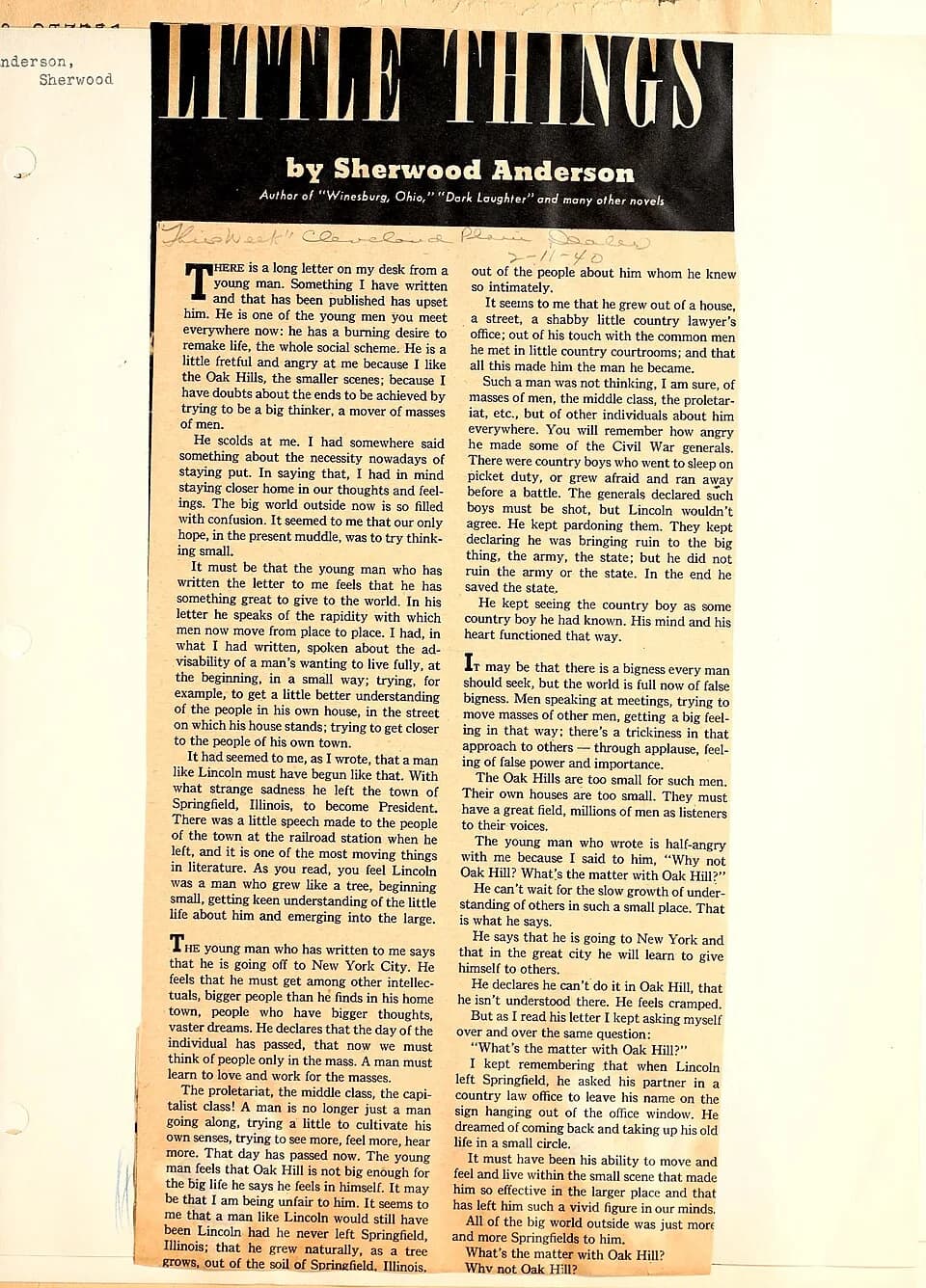
Beyond Winesburg, Ohio, Anderson’s bibliography includes other significant works that showcase his versatile talent. His novel Windy McPherson's son further demonstrated his storytelling prowess, engaging with similar themes of personal discovery and societal pressures. He also contributed to various publications, including material that appeared in From the American Mercury 1927 and Short Stories from the New Yorker, indicating his presence in prominent literary circles.
Anderson's writings were frequently included in anthologies and educational texts, such as Prentice Hall Literature -- Timeless Voices, Timeless Themes -- Bronze Level and Prentice Hall Literature--Timeless Voices, Timeless Themes--The American Experience. These inclusions highlight the recognized importance of his work in American literary education. His stories also appeared in collections like Smutní trubači a jiné povídky (Sad Trumpeters and Other Stories) and These United States; a symposium..., further cementing his widespread influence.
Chapter 6· Chapter 6 of 7
Later Years
Sherwood Anderson continued to write and contribute to the literary landscape throughout his life. His dedication to his craft remained unwavering, producing works that cemented his place among American literary figures. He experienced his final years away from his birth country, providing a different perspective as his life drew to a close.
Sherwood Anderson passed away on March 8, 1941, in Colón City, Panama. His death brought an end to a prolific career that had seen him transform from a businessman to a celebrated literary figure. He left behind a body of work that continues to be studied and admired, a testament to his unique vision and narrative skill.
Chapter 7· Chapter 7 of 7
Legacy and Impact
Sherwood Anderson's legacy as an American novelist and short story writer is profound. His pioneering use of subjective and self-revealing narratives opened new avenues for literary expression, influencing a generation of writers who sought to explore psychological realism. He encouraged a deeper examination of the human psyche and the nuanced struggles of everyday individuals.
His works, particularly Winesburg, Ohio, are considered classics of American literature, essential reading for understanding the development of modern fiction. Anderson's dedication to capturing the authentic voices and inner lives of his characters ensured his lasting impact on how stories are told. He is remembered as an author who fearlessly confronted the complexities of human nature, leaving a rich literary heritage for future generations to explore.
A life in moments
The moments that shaped a life

FAQ
Frequently asked
When did Sherwood Anderson die?
Sherwood Anderson died on March 8, 1941 in Colón City, Panama, at the age of 64.
Where was Sherwood Anderson born?
Sherwood Anderson was born in Camden, United States on September 13, 1876.
What is Sherwood Anderson best known for?
Sherwood Anderson is best known for American writer.
How old was Sherwood Anderson when they died?
Sherwood Anderson was 64 years old at the time of death.
What nationality was Sherwood Anderson?
Sherwood Anderson was from United States.
Timeline
Life at a glance
Photo gallery
A life in pictures
Click any polaroid to expand · 24 photos
QR Code
Share This Biography
Print & Share
Scan to visit this biography page. Print for events, exhibitions, or educational materials.