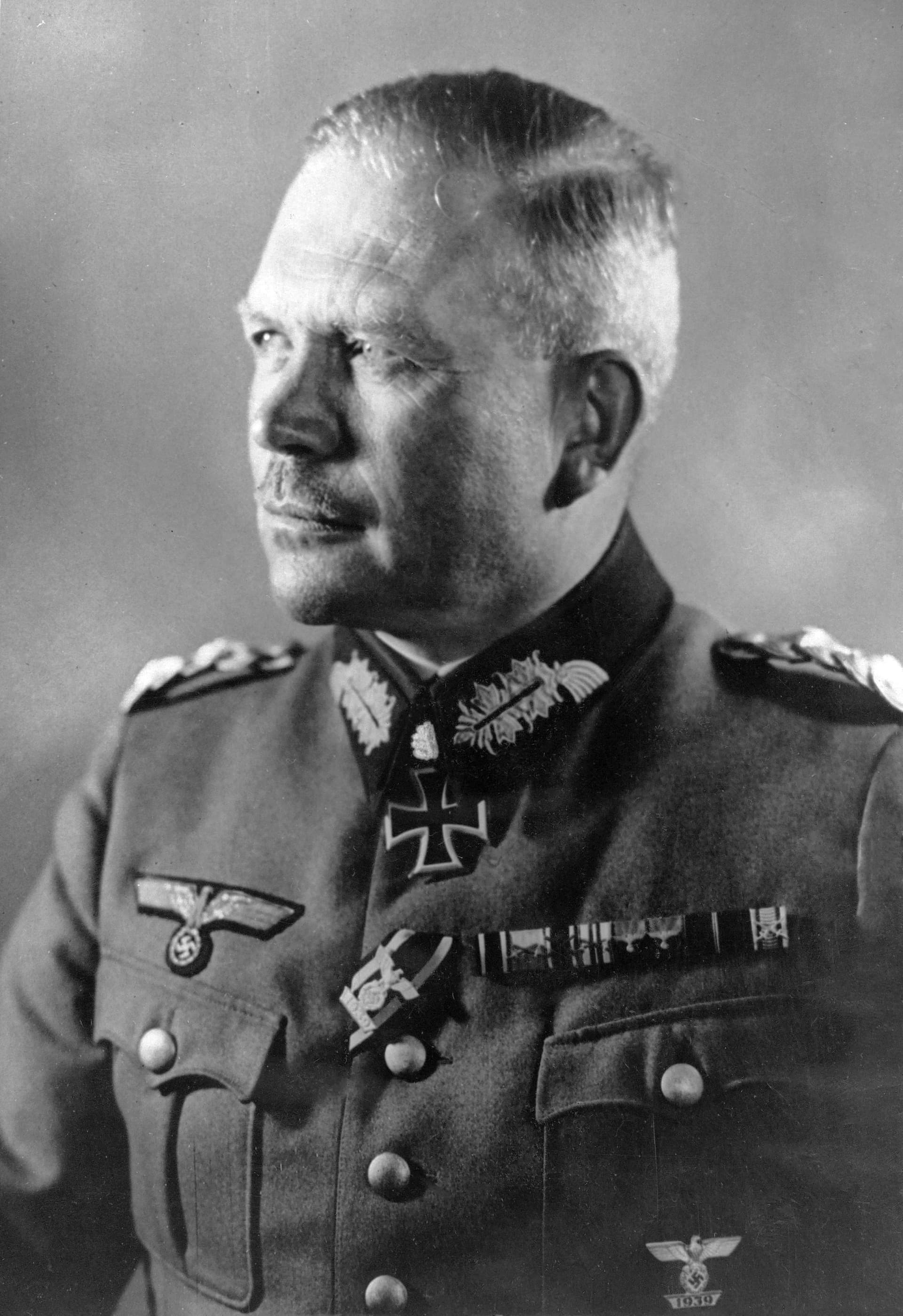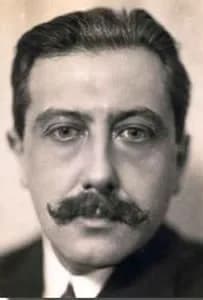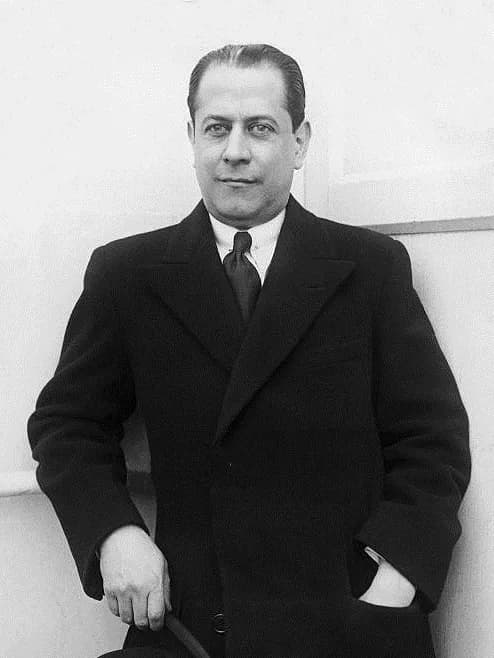
Born
November 19, 1888
Havana, Cuba
Died
March 8, 1942
New York City, United States
Known for
Cuban chess player
José Raúl Capablanca (1888–1942) was Cuba best known for Cuban chess player.
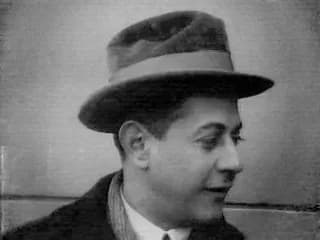
José Raúl Capablanca (November 19, 1888 – March 8, 1942) was a Cuban chess player, diplomat, and non-fiction writer. He served as the third world chess champion from 1921 to 1927. Capablanca was celebrated for his exceptional endgame skill and remarkable speed of play, leaving a lasting impact on the game.
A life in moments
The moments that shaped a life
Chapter
Life chapters
Chapter 1 · 1888· Chapter 1 of 7
Early Life and Origins
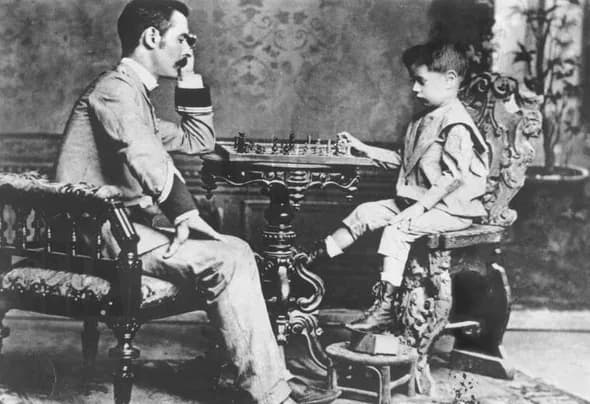
Born on November 19, 1888, in Havana, Cuba, José Raúl Capablanca y Graupera showed an early aptitude for chess. His inherent talent was quickly apparent, marking him as a genuine chess prodigy from a young age. This natural gift set the stage for his future success in the intellectual sport.
Chapter 2· Chapter 2 of 7
Career Beginnings
Capablanca's initial foray into competitive chess demonstrated his formidable abilities. His early matches quickly established his reputation as a player of extraordinary promise. He rose through the ranks with remarkable speed and strategic insight, captivating audiences with his unique style.
Chapter 3 · 1921· Chapter 3 of 7
Major Achievements and Career Highlights
The pinnacle of Capablanca's career arrived in 1921 when he claimed the title of World Chess Champion. He held this prestigious position for six years, cementing his status as a dominant force in the chess world. During his reign, he was widely celebrated for his exceptional endgame skill and his characteristic speed of play, which often overwhelmed opponents.
His mastery of complex positions and ability to execute swift, decisive moves made him a truly formidable competitor. Capablanca's reign as champion from 1921 to 1927 is remembered as a period of brilliant chess. He left a lasting impression on the game through his innovative strategies and flawless technique.
Chapter 4· Chapter 4 of 7
Personal Life
Beyond his chess prowess, José Raúl Capablanca also served as a diplomat, representing his home country of Cuba. This dual career showcased his diverse talents and intellectual capacity. His professional life was a blend of demanding intellectual pursuits and international relations.
Chapter 5· Chapter 5 of 7
Notable Works or Contributions
As a non-fiction writer, Capablanca contributed to the literature of chess, sharing his insights and strategies with a wider audience. Though specific titles are not provided, his work undoubtedly influenced aspiring players and deepened the understanding of the game. His written contributions helped to codify and disseminate his deep knowledge of chess principles.
Chapter 6 · 1942· Chapter 6 of 7
Later Years
José Raúl Capablanca's life concluded on March 8, 1942, in New York City, United States. Even after his championship years, his influence on chess remained significant. His passing marked the end of an era for one of chess's most celebrated figures.
Chapter 7· Chapter 7 of 7
Legacy and Impact
Capablanca's legacy endures as one of chess's all-time greats, particularly for his contribution to endgame theory and his reputation for swift, accurate play. His strategic understanding and elegant style continue to inspire players and analysts. He significantly shaped the development of chess, demonstrating how precision and speed could be combined for unparalleled success. His impact on chess teaching and competitive play is still felt today.
FAQ
Frequently asked
When did José Raúl Capablanca die?
José Raúl Capablanca died on March 8, 1942 in New York City, United States, at the age of 53.
Where was José Raúl Capablanca born?
José Raúl Capablanca was born in Havana, Cuba on November 19, 1888.
What is José Raúl Capablanca best known for?
José Raúl Capablanca is best known for Cuban chess player.
How old was José Raúl Capablanca when they died?
José Raúl Capablanca was 53 years old at the time of death.
What nationality was José Raúl Capablanca?
José Raúl Capablanca was from Cuba.
Timeline
Life at a glance
Photo gallery
A life in pictures
Click any polaroid to expand · 49 photos
QR Code
Share This Biography
Print & Share
Scan to visit this biography page. Print for events, exhibitions, or educational materials.