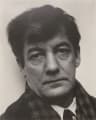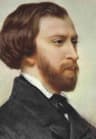
Born
December 11, 1803
La Côte-Saint-André, France
Died
March 8, 1869
Paris, France
Known for
French composer and conductor
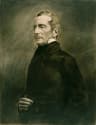
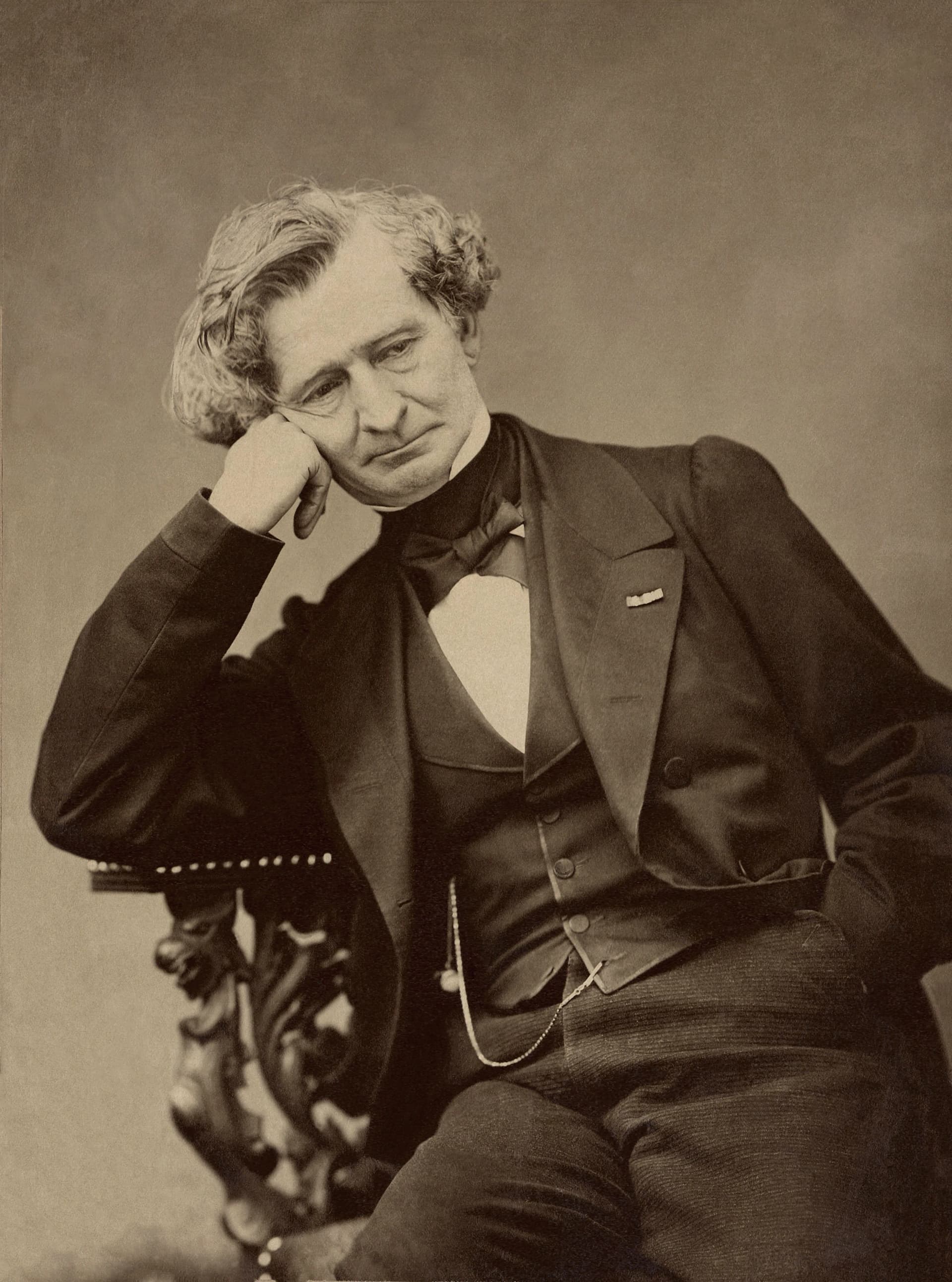
Hector Berlioz (1803–1869) was France best known for French composer and conductor.
Louis-Hector Berlioz (December 11, 1803 – March 8, 1869) was a French Romantic composer and conductor from La Côte-Saint-André. He is celebrated for his innovative orchestral works like the Symphonie fantastique and his dramatic operas. Berlioz's unique approach significantly influenced the Romantic era.
Chapter
Life chapters
Chapter 1 · 1803· Chapter 1 of 6
Early Life and Origins
Hector Berlioz was born on December 11, 1803, in La Côte-Saint-André, France. His early life was shaped by his physician father, who encouraged his son's intellectual pursuits, including an early introduction to music. Despite parental wishes for a medical career, Berlioz pursued his passion for composition, an early sign of his determined spirit.
Chapter 2· Chapter 2 of 6
Career Beginnings
Berlioz initially studied medicine in Paris but soon abandoned it to enroll at the Paris Conservatoire, dedicating himself entirely to music. His early efforts as a composer quickly attracted attention due to their unconventional nature and bold instrumentation. These formative years laid the groundwork for his distinctive style, setting him apart from his contemporaries.
Chapter 3· Chapter 3 of 6
Major Achievements and Career Highlights
Berlioz's career was marked by a relentless pursuit of artistic expression and a series of significant premieres that pushed the boundaries of composition. He gained international recognition as a conductor, leading orchestras across Europe and championing both his own works and those of others. His varied professions also included roles as a librarian and music critic, influencing musical discourse of his time. Among his most celebrated achievements are orchestral works such as the Symphonie fantastique and Harold in Italy, which remain cornerstones of the Romantic repertoire.
He also composed choral pieces including the Requiem and L'Enfance du Christ, alongside his three operas: Benvenuto Cellini, Les Troyens, and Béatrice et Bénédict. Furthermore, hybrid genre works like the "dramatic symphony" Roméo et Juliette and the "dramatic legend" La Damnation de Faust solidified his reputation for structural innovation. Historic recordings of his works like Symphonie fantastique (1955, 1957), The Damnation of Faust (1954), and Harold in Italy (1958) continue to demonstrate the enduring appeal of his music, covering classical, opera, and romantic classical genres.
Chapter 4· Chapter 4 of 6
Notable Works and Contributions
Beyond his large-scale musical compositions, Hector Berlioz was also a prolific writer and theorist. His literary works include Les soirées de l'orchestre, a collection of musical observations and anecdotes, and A travers chants. His seminal treatise, Grand traité d'instrumentation et d'orchestration modernes, became a standard text for future generations of composers, detailing innovative uses of orchestral instruments.
Berlioz's Memoirs, from 1803 to 1865, provide a personal account of his travels in Italy, Germany, Russia, and England, offering invaluable insight into his life and the musical world of his era. Other significant works include The orchestral conductor, Il franco arciero, and Gluck & his operas, demonstrating his broad intellectual curiosity and critical acumen as a librettist and autobiographer.
Chapter 5 · 1858· Chapter 5 of 6
Later Years
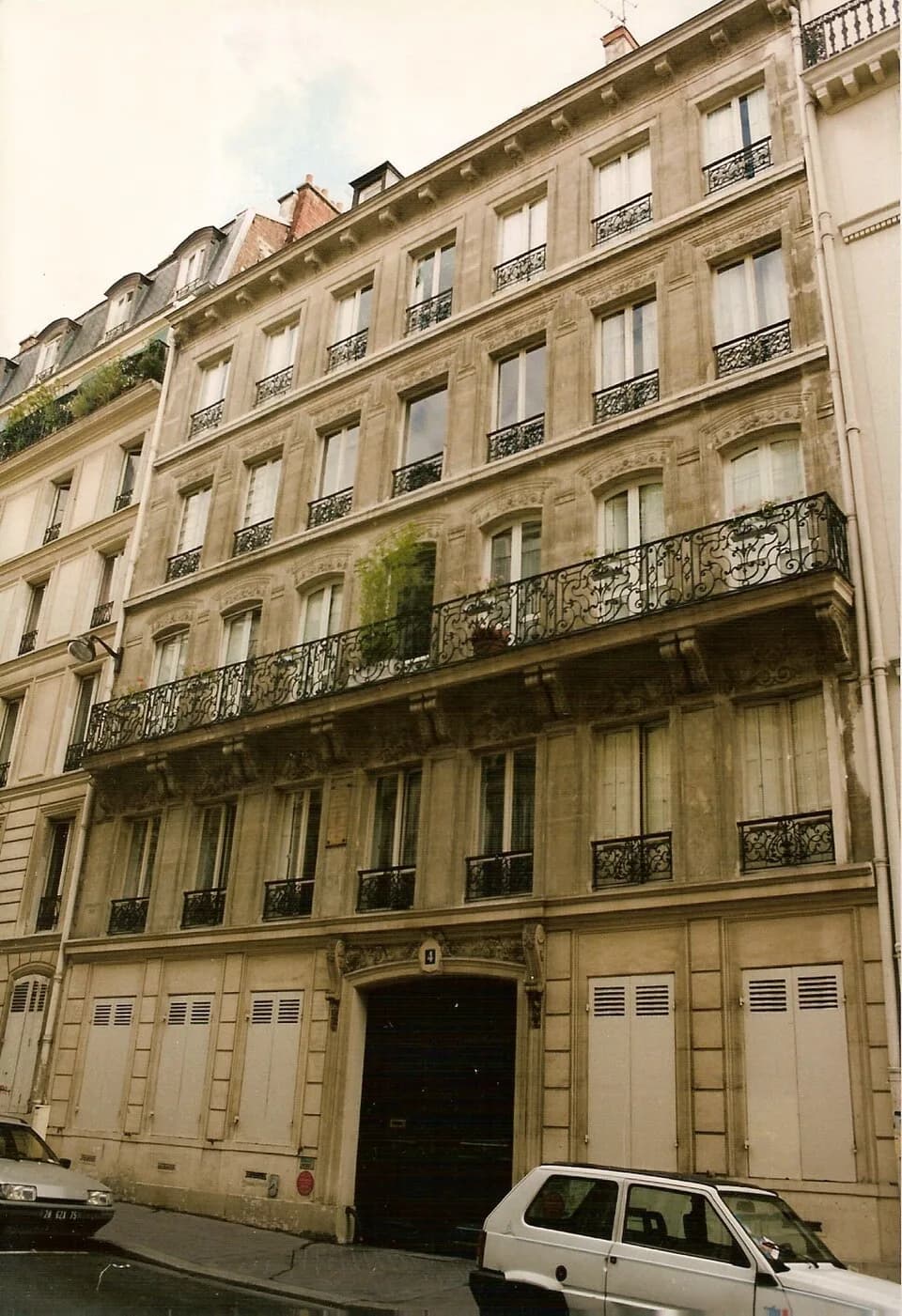
Berlioz continued to compose and conduct throughout his later years, often facing financial challenges and critical misunderstandings despite his growing international fame. His final major opera, Les Troyens, completed in 1858, represents the culmination of his operatic ambitions, though it was rarely performed in its entirety during his lifetime. Louis-Hector Berlioz passed away in Paris on March 8, 1869, leaving behind a significant body of work that would only fully be appreciated by later generations.
Chapter 6· Chapter 6 of 6
Legacy and Impact
Hector Berlioz's legacy rests on his revolutionary approach to orchestration, his expansion of formal structures, and his dramatic storytelling. He is revered as a central figure of French Romanticism and a pioneer in the development of program music. His influence extended far beyond his lifetime, deeply influencing composers from Liszt and Wagner to Mahler and Richard Strauss, who built upon his innovations in instrumental color and dramatic expression. Berlioz's daring artistic vision continues to resonate, inspiring performers and listeners with its emotional power and technical brilliance.
A life in moments
The moments that shaped a life
FAQ
Frequently asked
When did Hector Berlioz die?
Hector Berlioz died on March 8, 1869 in Paris, France, at the age of 65.
Where was Hector Berlioz born?
Hector Berlioz was born in La Côte-Saint-André, France on December 11, 1803.
What is Hector Berlioz best known for?
Hector Berlioz is best known for French composer and conductor.
How old was Hector Berlioz when they died?
Hector Berlioz was 65 years old at the time of death.
What nationality was Hector Berlioz?
Hector Berlioz was from France.
Timeline
Life at a glance
Photo gallery
A life in pictures
Click any polaroid to expand · 50 photos
QR Code
Share This Biography
Print & Share
Scan to visit this biography page. Print for events, exhibitions, or educational materials.