Born
April 5, 1908
Salzburg, Austria
Died
July 16, 1989
Anif, Austria
Known for
Austrian conductor
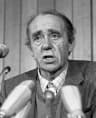
Herbert von Karajan (1908–1989) was Austria best known for Austrian conductor.
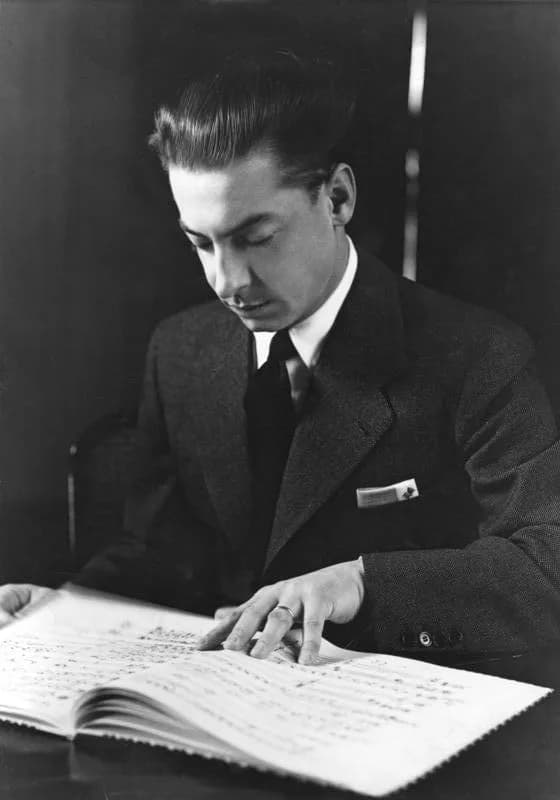
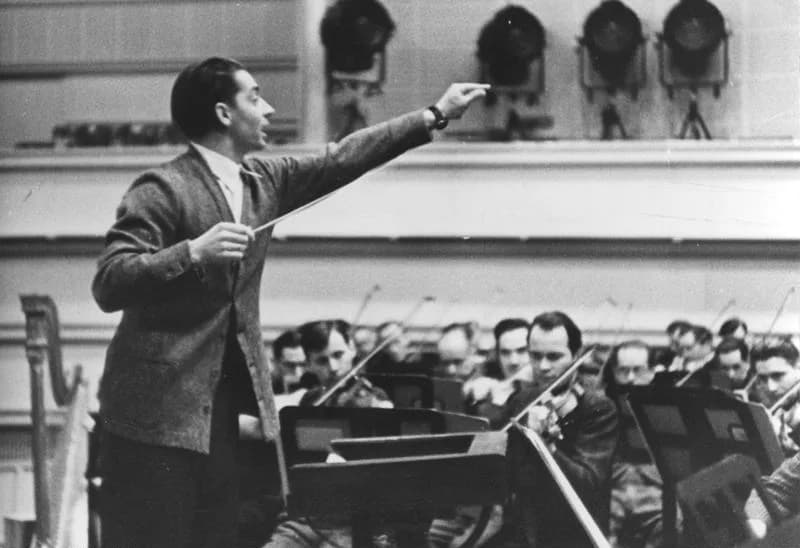
Herbert von Karajan (April 5, 1908 – July 16, 1989) was an Austrian conductor. He served as principal conductor of the Berlin Philharmonic for 34 years, becoming one of the 20th century's most influential and recorded classical musicians. His extensive discography sold an estimated 200 million records, shaping the global appreciation of classical music.
Chapter
Life chapters
Chapter 1 · 1908· Chapter 1 of 6
Early Life and Origins
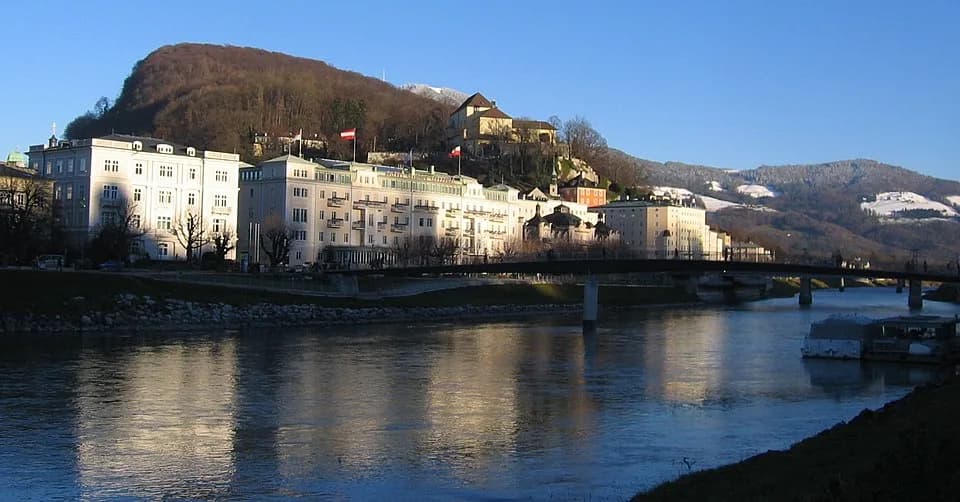
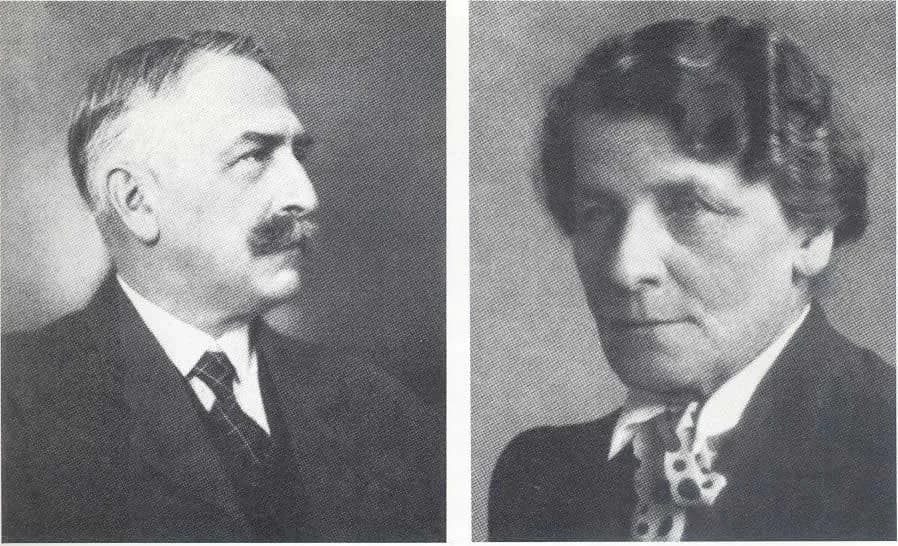
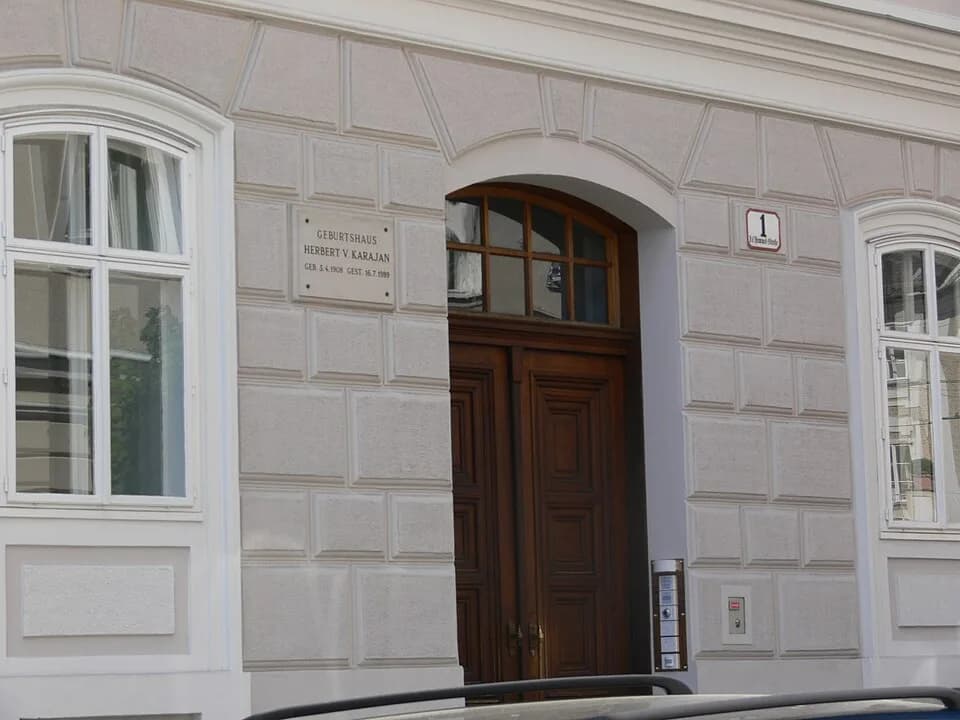
Herbert von Karajan was born on April 5, 1908, in Salzburg, Austria, a city renowned for its rich musical heritage. This birthplace placed him in a historically significant location for classical music from an early age. While specific details of his early family life are not provided, his eventual career path as a conductor, music director, film director, and theatrical director points to a strong foundational engagement with the arts.
Chapter 2· Chapter 2 of 6
Career Beginnings
Karajan's ascent in the classical music world began with notable debuts during the complex period of the Nazi era. He made significant appearances at the Salzburg Festival, showcasing his talent to a wide audience. During this time, he also conducted with the esteemed Vienna Philharmonic and the Berlin Philharmonic, establishing his presence on major European stages. His engagements further extended to conducting at the Berlin State Opera during World War II, marking crucial early steps in his professional journey.
Chapter 3· Chapter 3 of 6
Major Achievements and Career Highlights
A cornerstone of Herbert von Karajan's career was his extensive tenure as the principal conductor of the Berlin Philharmonic, a position he held for an impressive 34 years. This long association allowed him to shape the orchestra's sound and repertoire significantly. Throughout the mid-1950s until his passing, Karajan became a dominant force in European classical music, a period during which he garnered widespread recognition as one of the greatest conductors of the 20th century. His leadership and artistic vision propelled him to international acclaim, solidifying his status in the classical world.
His prolific recording career stands as a key aspect of his prominence, with an estimated 200 million records sold throughout his lifetime. This extraordinary commercial success ensured that his interpretations reached a global audience, contributing to his enduring influence. These recordings became a central part of his legacy, making his musical interpretations widely accessible.
Chapter 4 · 1964· Chapter 4 of 6
Notable Works or Contributions
Beyond his live performances, Herbert von Karajan's impact was widely felt through his extensive discography, which brought classical music to millions. His recordings include iconic interpretations such as "Le Sacre du printemps" from 1964 and "Tod und Verklärung / Vier letzte Lieder" released in 1984. He also conducted acclaimed performances captured on albums like "Tchaikovsky: Klavierkonzert Nr. 1 / Rachmaninov: 5 Préludes" (1986), "Symphony No. 3 'Rhenish' / Symphony No. 5 'Reformation'" (1987), and "Le nozze di Figaro" (1951). His early recorded works, such as "Die Walkure, Act 3" (1952), "Don Juan / Till Eulenspiegel" (1952), and "Piano Concert no. 5 'Emperor'" (1952), also highlight his early artistic breadth.
Karajan's creative pursuits extended beyond the conductor's podium. He was also credited as a film director and theatrical director, roles that allowed him to explore different dimensions of artistic expression. One example of his work in film is "Messa da Requiem von Giuseppe Verdi," a 1967 production where he brought his musical vision to the screen. His recorded output continued to be compiled and celebrated posthumously, as seen in collections like "Selección Karajan 5" (2000) and "The Very Best Of Herbert von Karajan" (2014).
Chapter 5 · 1989· Chapter 5 of 6
Later Years
Herbert von Karajan remained an active and influential figure in classical music until his final days. He maintained his dominant position in European classical music from the mid-1950s through to his death. His commitment to conducting and recording continued, ensuring a steady output of new interpretations and re-releases that kept his work in the public eye. He passed away on July 16, 1989, in Anif, Austria, bringing an end to a long and distinguished career.
Chapter 6· Chapter 6 of 6
Legacy and Impact
Herbert von Karajan's legacy as an Austrian conductor is defined by his extensive artistic output and unparalleled reach. He left an enduring mark on classical music through his long tenure with the Berlin Philharmonic and his widely distributed recordings. His interpretations shaped the understanding and appreciation of numerous classical works for generations of listeners. Karajan's career serves as a significant chapter in 20th-century classical music, influencing both performance practice and the commercial dissemination of classical works globally.
A life in moments
The moments that shaped a life
FAQ
Frequently asked
When did Herbert von Karajan die?
Herbert von Karajan died on July 16, 1989 in Anif, Austria, at the age of 81.
Where was Herbert von Karajan born?
Herbert von Karajan was born in Salzburg, Austria on April 5, 1908.
What is Herbert von Karajan best known for?
Herbert von Karajan is best known for Austrian conductor.
How old was Herbert von Karajan when they died?
Herbert von Karajan was 81 years old at the time of death.
What nationality was Herbert von Karajan?
Herbert von Karajan was from Austria.
Timeline
Life at a glance
Photo gallery
A life in pictures
Click any polaroid to expand · 41 photos
QR Code
Share This Biography
Print & Share
Scan to visit this biography page. Print for events, exhibitions, or educational materials.