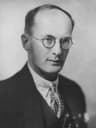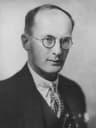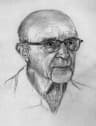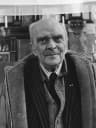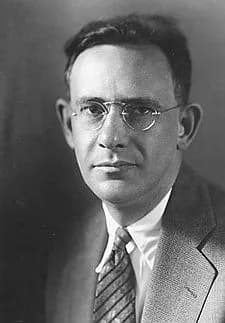
Born
January 26, 1884
Lębork, Poland
Died
February 4, 1939
New Haven, United States
Known for
American linguist and anthropologist
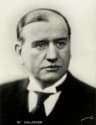
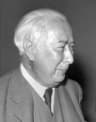
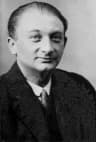
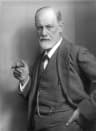
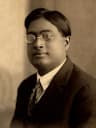
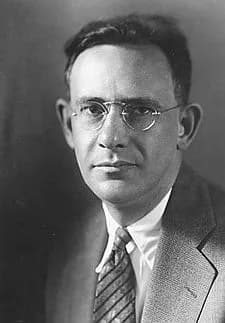
Edward Sapir (1884–1939) was Poland best known for American linguist and anthropologist.
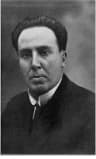
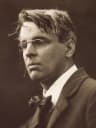
Edward Sapir (January 26, 1884 – February 4, 1939) was an American linguist and anthropologist from Lębork, Poland. He was a foundational figure in American linguistics, renowned for his work on Native American languages. His scholarship and mentorship influenced future generations of scholars.
Chapter
Life chapters
Chapter 1· Chapter 1 of 7
Early Life and Origins
Edward Sapir was born in German Pomerania, specifically in Lębork, which is now part of northern Poland. His early childhood in Europe laid the groundwork for his eventual academic pursuits. His family subsequently emigrated to the United States of America when he was a child, a move that would significantly influence his career trajectory and cultural perspective.
Chapter 2· Chapter 2 of 7
Career Beginnings
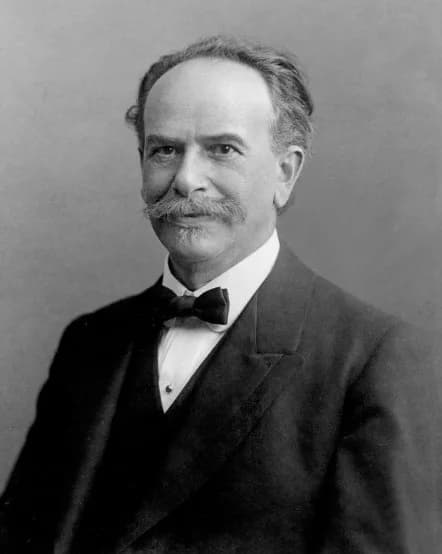
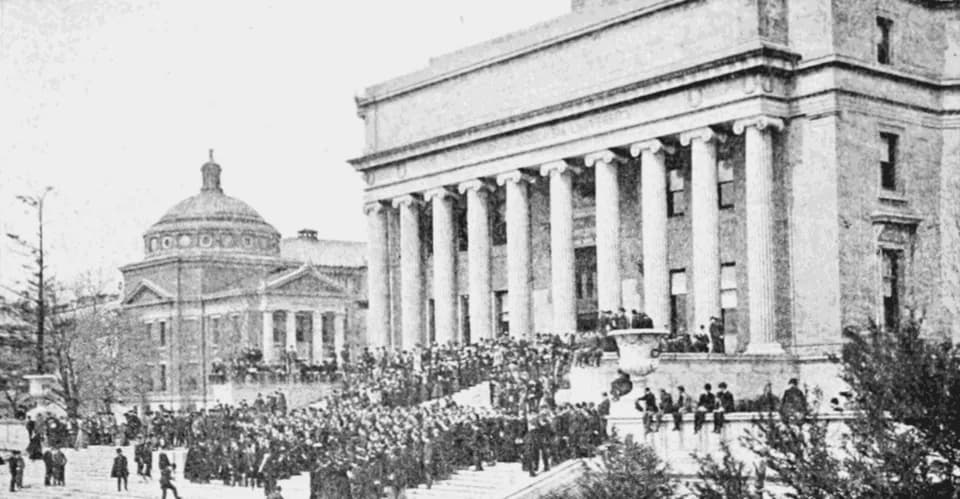
Sapir began his advanced education studying Germanic linguistics at Columbia University. It was during this period that he came under the profound influence of Franz Boas, a towering figure in American anthropology. Boas's mentorship and intellectual guidance proved to be a critical turning point for Sapir, inspiring him to pivot his focus towards the study of Native American languages.
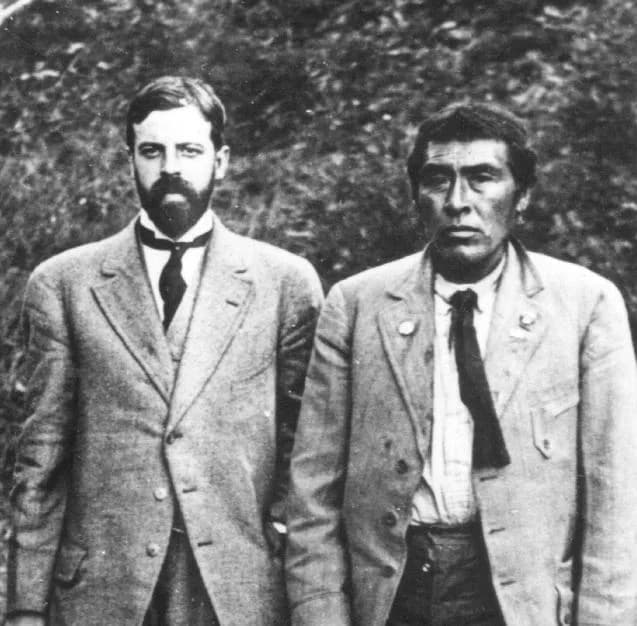
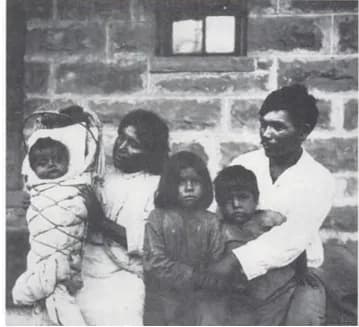
While completing his Ph.D., Sapir traveled to California, where he collaborated with Alfred Kroeber. Together, they undertook the vital work of documenting various indigenous languages across the region. This early field experience was instrumental in developing his practical linguistic skills and his deep commitment to preserving and understanding the world's diverse linguistic heritage.
Chapter 3· Chapter 3 of 7
Major Achievements and Career Highlights
Edward Sapir's career flourished during his fifteen-year tenure with the Geological Survey of Canada. Here, he truly came into his own as one of North America's most significant linguists, often mentioned alongside Leonard Bloomfield. His work during this period was crucial for the documentation and analysis of numerous indigenous Canadian languages.
Following his impactful time in Canada, Sapir was offered a prestigious professorship at the University of Chicago. He remained there for several years, continuing his dedicated efforts towards the professionalization of the discipline of linguistics. His academic leadership and rigorous scholarship helped to establish clearer methodologies and standards for the burgeoning field.
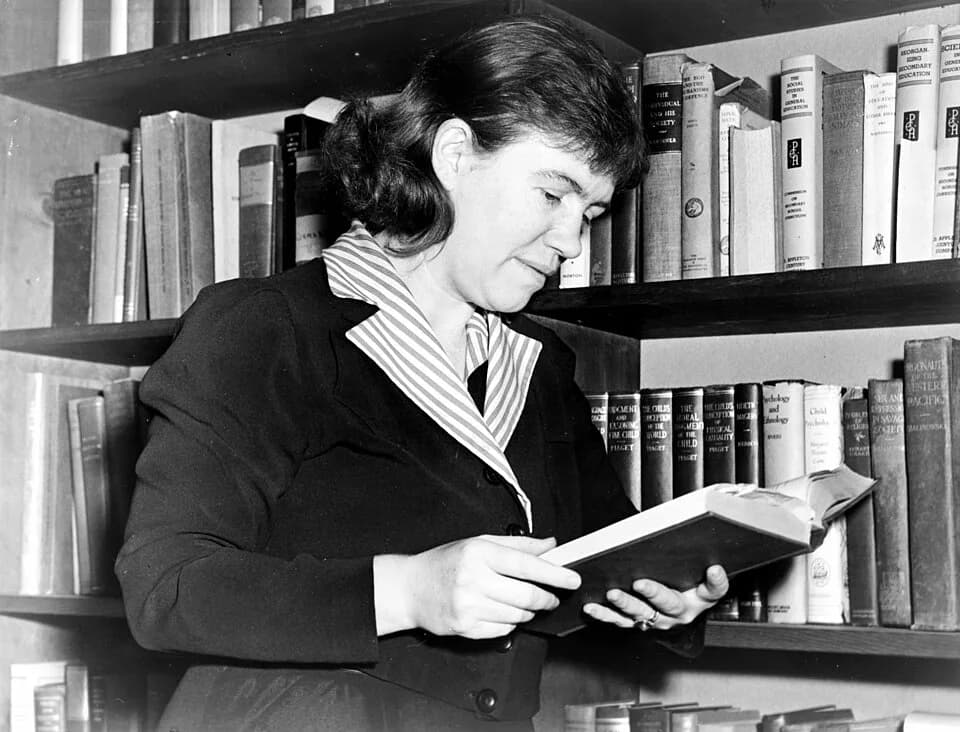
By the end of his distinguished career, Edward Sapir held the esteemed position of professor of anthropology at Yale University. Throughout his academic journey, he served as a mentor to many aspiring scholars. Among his notable students were the linguists Mary Haas and Morris Swadesh, and influential anthropologists such as Fred Eggan and Hortense Powdermaker, all of whom carried forward his intellectual legacy.
Chapter 4· Chapter 4 of 7
Personal Life
While the provided details primarily highlight Edward Sapir's extensive professional achievements and academic contributions, his dedication to scholarship was unwavering. The depth and breadth of his work in linguistics and anthropology stand as a testament to his focused intellectual life. His personal interests were seemingly channeled into his prolific research and mentorship, shaping generations of scholars.
Chapter 5 · 2020· Chapter 5 of 7
Notable Works or Contributions
Edward Sapir's scholarly output was extensive, boasting an h-index of 34 derived from 362 papers. Among his significant works are “Notes on Hopi Economic Life,” published in 2020, which has garnered 18 citations. Another important compilation is “Selected Writings of Edward Sapir in Language, Culture and Personality,” which appeared in 2023 and has 5 citations.
His published work also includes “Fashion,” released in 2020, with 1 citation, showcasing his diverse intellectual inquiries. These publications, even those compiled or reprinted posthumously, represent his original research and theories, continuing to be studied and cited by contemporary scholars. They collectively offer deep insights into language, culture, and human behavior.
Chapter 6 · 1939· Chapter 6 of 7
Later Years
In his final years, Edward Sapir continued his impactful work as a professor of anthropology at Yale University. He passed away on February 4, 1939, in New Haven, United States, at the age of 55. His relatively early passing marked the end of a prolific career, but his intellectual contributions continued to resonate within the academic community long after his death.
Chapter 7· Chapter 7 of 7
Legacy and Impact
Edward Sapir's legacy is immense, positioning him as a foundational figure in American anthropology and linguistics. His pioneering work on Native American languages provided invaluable documentation and theoretical frameworks that transformed the field. He not only advanced linguistic theory but also emphasized the intricate connections between language, culture, and personality.
Through his rigorous research, extensive publications, and dedicated mentorship, Sapir profoundly shaped the direction of linguistics in the 20th century. His intellectual curiosity and systematic approach to language study continue to influence contemporary linguistic research and the understanding of human communication. The lasting impact of his ideas and his contributions to the professionalization of linguistics are still evident today.
A life in moments
The moments that shaped a life
FAQ
Frequently asked
When did Edward Sapir die?
Edward Sapir died on February 4, 1939 in New Haven, United States, at the age of 55.
Where was Edward Sapir born?
Edward Sapir was born in Lębork, Poland on January 26, 1884.
What is Edward Sapir best known for?
Edward Sapir is best known for American linguist and anthropologist.
How old was Edward Sapir when they died?
Edward Sapir was 55 years old at the time of death.
What nationality was Edward Sapir?
Edward Sapir was from Poland.
Timeline
Life at a glance
Photo gallery
A life in pictures
Click any polaroid to expand · 19 photos
QR Code
Share This Biography
Print & Share
Scan to visit this biography page. Print for events, exhibitions, or educational materials.