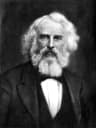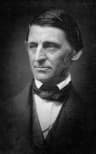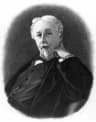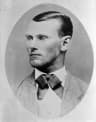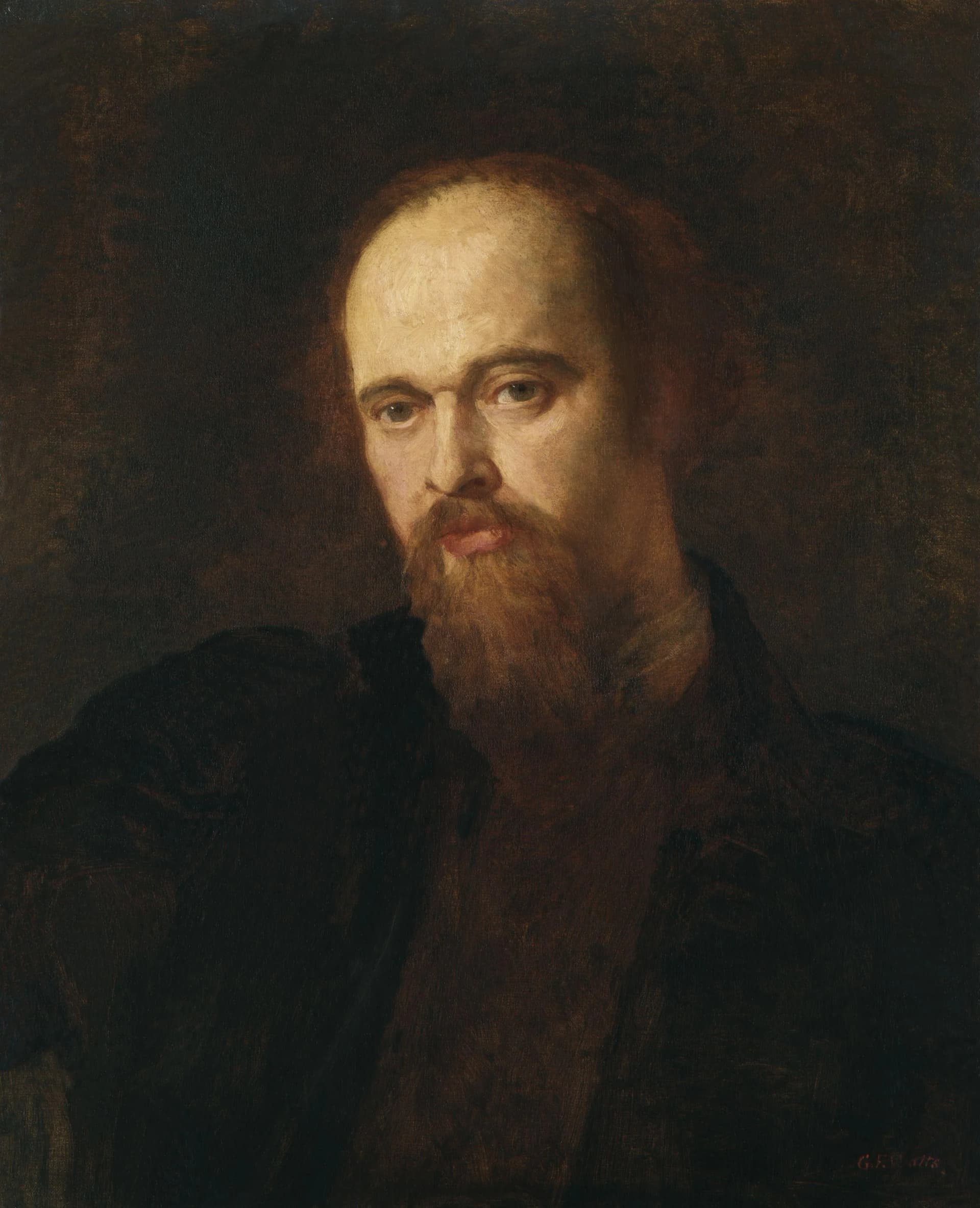
Born
May 12, 1828
London, Roman Empire
Died
April 9, 1882
Birchington-on-Sea, United Kingdom
Known for
English poet, illustrator, painter, and translator
Dante Gabriel Rossetti (1828–1882) was Roman Empire best known for English poet, illustrator, painter, and translator.
Dante Gabriel Rossetti (May 12, 1828 – April 9, 1882) was an English poet, illustrator, painter, and translator. He co-founded the Pre-Raphaelite Brotherhood in 1848, significantly influencing the Aesthetic movement and European Symbolists. His artistic and literary contributions shaped 19th-century British art.
Chapter
Life chapters
Chapter 1 · 1828· Chapter 1 of 8
Dante Gabriel Rossetti: A Life of Art and Poetry
Dante Gabriel Rossetti (May 12, 1828 – April 9, 1882) was an English poet, illustrator, painter, and translator whose artistic and literary contributions significantly shaped 19th-century British culture. Known as a writer, poet, artist, and draftsperson, he became a central figure in the Pre-Raphaelite Brotherhood, a revolutionary art movement he co-founded. Rossetti's distinctive style and themes continue to inspire admiration and study.
Chapter 2 · 1828· Chapter 2 of 8
Early Life and Origins
Born Gabriel Charles Dante Rossetti in London on May 12, 1828, Dante Gabriel Rossetti hailed from the notable Rossetti family. His birthplace was within the then-recognized Roman Empire, specifically London. This early environment undoubtedly fostered his artistic and intellectual development, setting the stage for his future endeavors.
Chapter 3 · 1848· Chapter 3 of 8
Career Beginnings
Rossetti’s artistic journey truly began in 1848 when he co-founded the influential Pre-Raphaelite Brotherhood. He established this artistic group alongside fellow artists William Holman Hunt and John Everett Millais. Their collective aim was to reform art by rejecting the academic conventions of their time and drawing inspiration from early Italian Renaissance art, particularly before Raphael.
Chapter 4· Chapter 4 of 8
Major Achievements and Career Highlights
As a founder of the Pre-Raphaelite Brotherhood, Rossetti's impact was immediate and lasting. His innovative approach to art and poetry quickly garnered attention and inspired a new generation of creatives. He became a significant influence on contemporary artists and writers, including Algernon Charles Swinburne, William Morris, and Edward Burne-Jones.
Rossetti’s unique artistic vision extended beyond his immediate circle, greatly influencing the European Symbolists. Furthermore, his work served as a major precursor to the Aesthetic movement, which emphasized aesthetic values over socio-political themes. His dual mastery of both visual art and literature solidified his standing as a leading figure of his era.
Chapter 5 · 1854· Chapter 5 of 8
Personal Life
While the provided details on Rossetti's personal life are concise, they highlight significant relationships within his artistic orbit. Elizabeth Siddal, often a muse for his paintings, became Mrs. Dante Gabriel Rossetti, as evidenced by a portrait from circa 1854. His artistic connections extended to figures like William Morris and his wife, Jane Morris, who also featured in his artwork, such as the 1873 portrait and the 1868 study for "Mariana."
Chapter 6· Chapter 6 of 8
Notable Works and Contributions
Dante Gabriel Rossetti left behind a rich bibliography of poems and literary translations. Among his celebrated poems are "The blessed damozel ..." and "Guenevere," which showcased his distinctive poetic voice. His collected literary output includes "Poems," "The complete poetical works," and "The ballad of Jan van Hunks," demonstrating his prolific talent.
As a translator, Rossetti was dedicated to bringing earlier Italian works to an English audience, notably through "La vita nova" and "The early Italian poets, from Ciullo d'Alcamo to Dante Alighieri, 1100-1200-1300." His artistic output was equally impressive, with renowned paintings like "Lady Lilith" (1867) at the Met Museum. Other significant artworks include "Jane Morris" (1873) and "Jane Morris: Study for 'Mariana'" (1868), both also held at the Met Museum.
His illustrations for literary works, such as "Buy from us with a golden curl, for 'The Goblin Market'" (1861–62) and "Golden head by golden head, for 'The Goblin Market'" (1861), demonstrate his skill as a draftsperson. The Art Institute of Chicago houses several of his key pieces, including "Beata Beatrix" (1871–72) and "Elizabeth Siddal (Mrs. Dante Gabriel Rossetti)" (c. 1854), alongside "Mrs. William Morris Seated in Chair" (May 1870) and "Full-length Portrait of a Woman" (1846).
Chapter 7 · 1882· Chapter 7 of 8
Later Years
Dante Gabriel Rossetti's life concluded on April 9, 1882, in Birchington-on-Sea, United Kingdom. His later career continued to be marked by artistic and literary creation, further cementing his place in the history of art and poetry. Even in his final years, his influence remained strong, guiding subsequent artistic developments.
Chapter 8· Chapter 8 of 8
Legacy and Impact
The lasting impact of Dante Gabriel Rossetti is undeniable, particularly through his co-founding of the Pre-Raphaelite Brotherhood. His unique fusion of poetic and visual art inspired a generation of artists and writers like Swinburne, Morris, and Burne-Jones. He championed a new artistic sensibility that challenged existing norms and championed beauty and symbolism.
Rossetti's work acted as a vital bridge between different artistic eras, laying groundwork for later movements. His influence extended to the European Symbolists and served as a significant precursor to the Aesthetic movement. His contributions ensure his enduring remembrance as a visionary artist and poet.
A life in moments
The moments that shaped a life
FAQ
Frequently asked
When did Dante Gabriel Rossetti die?
Dante Gabriel Rossetti died on April 9, 1882 in Birchington-on-Sea, United Kingdom, at the age of 53.
Where was Dante Gabriel Rossetti born?
Dante Gabriel Rossetti was born in London, Roman Empire on May 12, 1828.
What is Dante Gabriel Rossetti best known for?
Dante Gabriel Rossetti is best known for English poet, illustrator, painter, and translator.
How old was Dante Gabriel Rossetti when they died?
Dante Gabriel Rossetti was 53 years old at the time of death.
What nationality was Dante Gabriel Rossetti?
Dante Gabriel Rossetti was from Roman Empire.
Timeline
Life at a glance
Photo gallery
A life in pictures
Click any polaroid to expand · 48 photos
QR Code
Share This Biography
Print & Share
Scan to visit this biography page. Print for events, exhibitions, or educational materials.