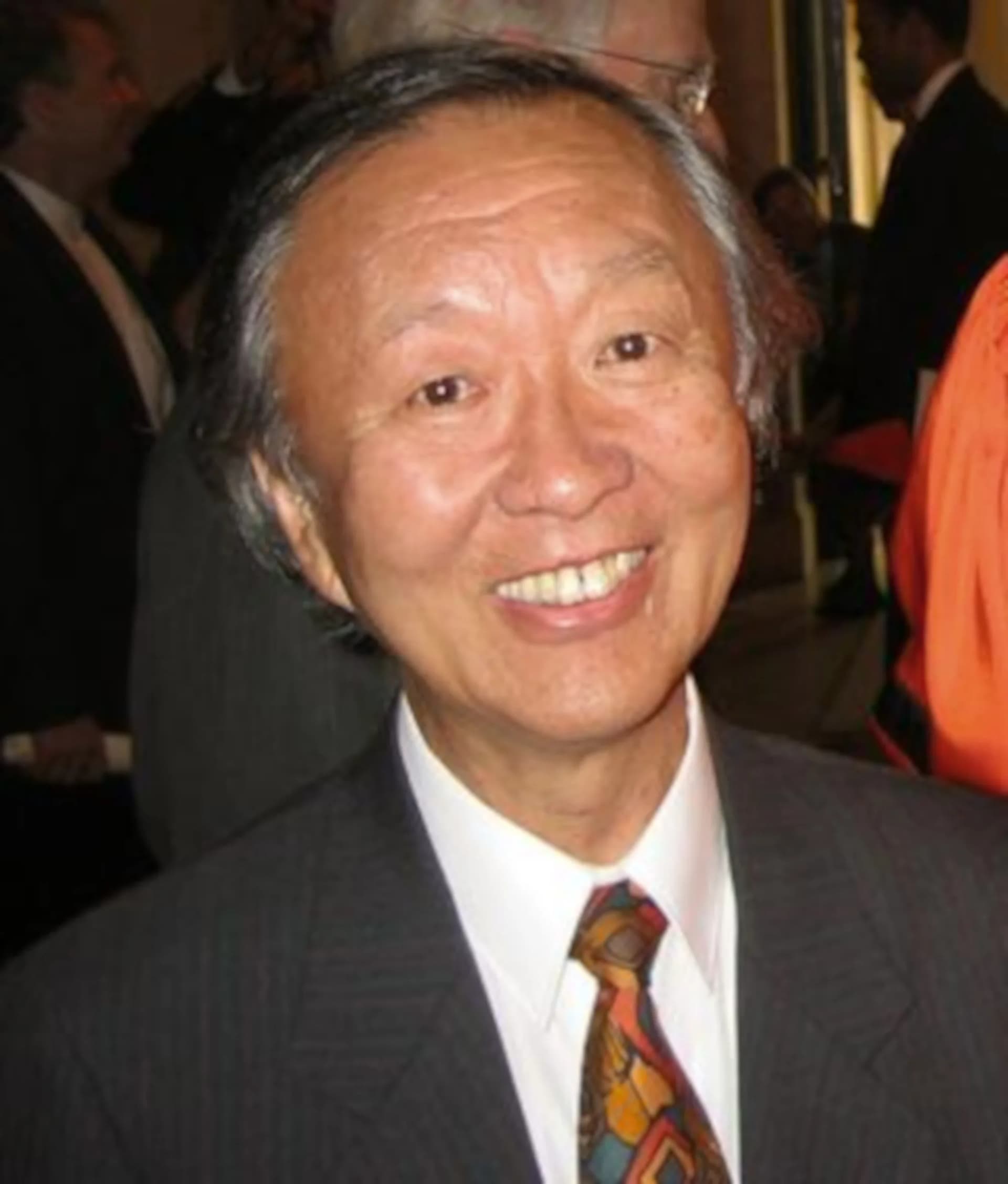
Born
November 4, 1933
Shanghai, People's Republic of China
Died
September 23, 2018
Bradbury Hospice, People's Republic of China
Known for
Hong Kong-British-American physicist
Charles K. Kao (1933–2018) was People's Republic of China best known for Hong Kong-British-American physicist.
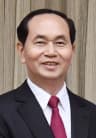
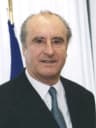
Charles K. Kao (November 4, 1933 – September 23, 2018) was a Hong Kong-British-American physicist and electrical engineer. He pioneered the use of fiber optics for digital data transmission, laying the groundwork for the Internet and World Wide Web. His work fundamentally transformed global communication.
Chapter
Life chapters
Chapter 1 · 1933· Chapter 1 of 6
Early Life and Origins
Charles Kuen Kao entered the world in Shanghai, People's Republic of China, on November 4, 1933. His early years in Shanghai contributed to the development of the intellectual curiosity that would later define his illustrious career. He would later become recognized as a Hong Kong-British-American physicist, reflecting a life and career spanning different cultures and educational systems.
His foundational education provided him with a strong background in science and engineering. These initial experiences prepared him for advanced studies and the complex research challenges he would tackle in his professional life, ultimately leading him to become a key figure in modern electrical engineering and physics.
Chapter 2· Chapter 2 of 6
Career Beginnings
Kao’s professional journey began as an electrical engineer, a role that saw him apply his considerable intellect to practical scientific problems. His early work focused on understanding and manipulating electromagnetic waves and materials. This period of his career was crucial for developing the skills and insights that would soon converge on his most significant area of research.
It was during the 1960s that Kao started making his mark, specifically by focusing on how to improve communication technologies. His innovative spirit led him to investigate the potential of glass fibers as a medium for transmitting information, a concept that was far from common practice at the time.
Chapter 3· Chapter 3 of 6
Major Achievements and Career Highlights
The 1960s marked a crucial period for Kao, during which he devised various methods for combining glass fibers with lasers to transmit digital data. This work was truly transformative, demonstrating the feasibility of using optical fibers for high-capacity communication, a concept many once considered impossible. These methods provided the essential framework for the future evolution of the Internet and the eventual creation of the World Wide Web.
His achievements culminated in the recognition of a Nobel Prize in Physics in 2009. The Nobel Committee honored him for his achievements concerning the transmission of light in fibers for optical communication, acknowledging the profound impact of his discoveries. This award solidified his place among the most influential scientists of the 20th century, celebrating a lifetime dedicated to scientific inquiry and technological advancement.
Chapter 4 · 2010· Chapter 4 of 6
Notable Works and Contributions
Beyond his practical inventions, Charles K. Kao was also an active academic and author, contributing significantly to scientific literature. His h-index of 4, with 12 published papers, indicates his engagement in research and dissemination of knowledge. Among his most cited works are his Nobel Lecture: "Sand from centuries past: Send future voices fast," published in 2010 with 36 citations, and "The Nobel Prize in Physics 2009," published in 2009 with 28 citations, both reflecting on his seminal work.
Other significant contributions include another iteration of "Sand from centuries past: Send future voices fast" (2010, 16 citations), the biographical piece "Bell: inventor with a mission" (1997, 4 citations), and his personal reflections in "A Time and A Tide: Charles K. Kao ─ A Memoir" (2011, 1 citation). These publications offer insights into his scientific thought, his understanding of other inventors, and his own life journey as a scientist and entrepreneur.
Chapter 5 · 2018· Chapter 5 of 6
Later Years
In his later years, Charles K. Kao continued to be a respected figure in the scientific community. His life's work had already ensured his lasting legacy. He passed away on September 23, 2018, at Bradbury Hospice in the People's Republic of China, at the age of 84. His passing marked the end of a life devoted to pushing the boundaries of what was technologically possible.
Chapter 6· Chapter 6 of 6
Legacy and Impact
The legacy of Sir Charles K. Kao is woven into the very fabric of modern life. His insights into fiber optics enabled the development of high-speed data networks, transforming telecommunications globally. Without his pioneering work in the 1960s, the Internet as we know it today, along with the World Wide Web, might have taken a very different path, or simply not exist in its current form.
Kao's influence extends beyond just technology; he inspired generations of scientists and engineers to pursue bold ideas. His dedication to research and his entrepreneurial spirit as an inventor and executive serve as an enduring example of how scientific curiosity, coupled with diligent effort, can lead to world-changing innovations. The world continues to benefit daily from the light he transmitted through countless fibers, connecting people across continents and cultures.
A life in moments
The moments that shaped a life
FAQ
Frequently asked
When did Charles K. Kao die?
Charles K. Kao died on September 23, 2018 in Bradbury Hospice, People's Republic of China, at the age of 84.
Where was Charles K. Kao born?
Charles K. Kao was born in Shanghai, People's Republic of China on November 4, 1933.
What is Charles K. Kao best known for?
Charles K. Kao is best known for Hong Kong-British-American physicist.
How old was Charles K. Kao when they died?
Charles K. Kao was 84 years old at the time of death.
What nationality was Charles K. Kao?
Charles K. Kao was from People's Republic of China.
Timeline
Life at a glance
Photo gallery
A life in pictures
Click any polaroid to expand · 36 photos
QR Code
Share This Biography
Print & Share
Scan to visit this biography page. Print for events, exhibitions, or educational materials.