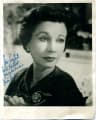
Born
April 8, 1918
Chicago, United States
Died
July 8, 2011
Rancho Mirage, United States
Known for
First Lady of the United States from 1974 to 1977
Betty Ford (1918–2011) was United States best known for First Lady of the United States from 1974 to 1977.
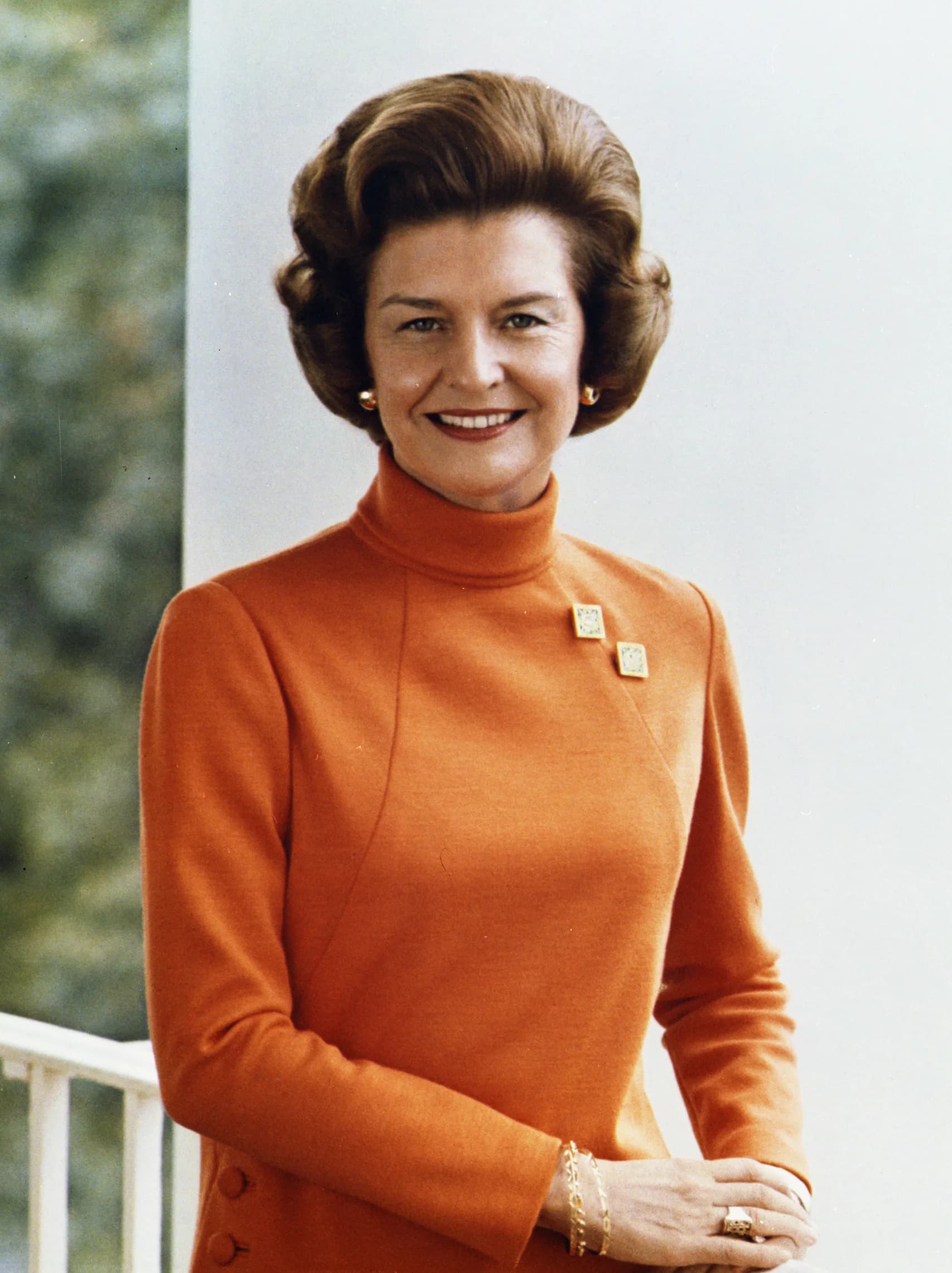
Betty Ford (April 8, 1918 – July 8, 2011) was a writer, politician, dancer, model, autobiographer, and women's rights activist from Chicago, United States. She served as First Lady, actively shaping social policy and championing women's rights. Her candor on personal health and addiction left a significant legacy.
Chapter
Life chapters
Chapter 1 · 1918· Chapter 1 of 7
Early Life and Origins
Elizabeth Anne Ford first saw the world on April 8, 1918, within the bustling, dynamic environment of Chicago, Illinois, a city known for its vibrant cultural scene. Her early years laid the foundation for a life of public service and personal conviction, though specific details of her childhood family life remain largely out of the public record. This upbringing instilled in her a resilience and a drive that would serve her well in later, more challenging roles.
Even before her national prominence, Betty Ford pursued a diverse array of interests, most notably in the performing arts. She trained diligently as a dancer, a pursuit that demanded precision, discipline, and grace, qualities that undoubtedly contributed to her composed public demeanor. Additionally, she gained early experience as a model, an occupation that familiarized her with public presentation and the careful management of one's image, skills invaluable to a future First Lady.
Chapter 2· Chapter 2 of 7
Career Beginnings
Betty Ford's professional path initially unfolded within the artistic and creative fields, setting her apart from many who would eventually enter the political sphere. Her dedication to dance not only fostered a strong sense of discipline but also equipped her with an innate elegance and ability to express herself non-verbally, characteristics she maintained throughout her public career. The experience she garnered as a model provided crucial insights into public perception and the art of communication, which would become vital during her years in Washington.
While these early vocations provided invaluable personal and professional development, Betty Ford's life took a decisive turn through her marriage to Gerald Ford. This union ultimately paved her way into the demanding world of national politics, first positioning her as the Second Lady. Her initial exposure to the political landscape during her husband's vice presidency was instrumental in shaping the courageous and candid public figure she would ultimately become, preparing her for the intense scrutiny and responsibilities ahead.
Chapter 3 · 1973· Chapter 3 of 7
Major Achievements and Career Highlights
Betty Ford served as Second Lady of the United States from 1973 to 1974, a period marked by profound national change as her husband assumed the vice presidency. In this capacity, she began to engage with the intricate realities of federal policy and public expectations, gaining an invaluable education in the nuances of political life. This initial immersion into the highest echelons of government meticulously prepared her for the significantly expanded duties that awaited her as First Lady.
Her defining role commenced in August 1974, when she became the First Lady of the United States, a position she held with distinction until January 1977. During her tenure, Betty Ford rapidly distinguished herself through an active and forthright engagement in critical social policy discussions. She established a powerful new benchmark as a politically active presidential spouse, openly articulating her views and advocating for issues she championed with conviction.
Beyond her traditional ceremonial duties, Betty Ford exhibited extraordinary personal courage by publicly addressing her own health challenges, thereby transforming national conversations on sensitive topics. Her candid disclosure of her breast cancer diagnosis, for instance, dramatically elevated public awareness and motivated countless women across the nation to seek essential medical screenings. This profound openness and personal bravery resonated deeply with the American public, underscoring her commitment to transparency and public health education during her time in the White House.
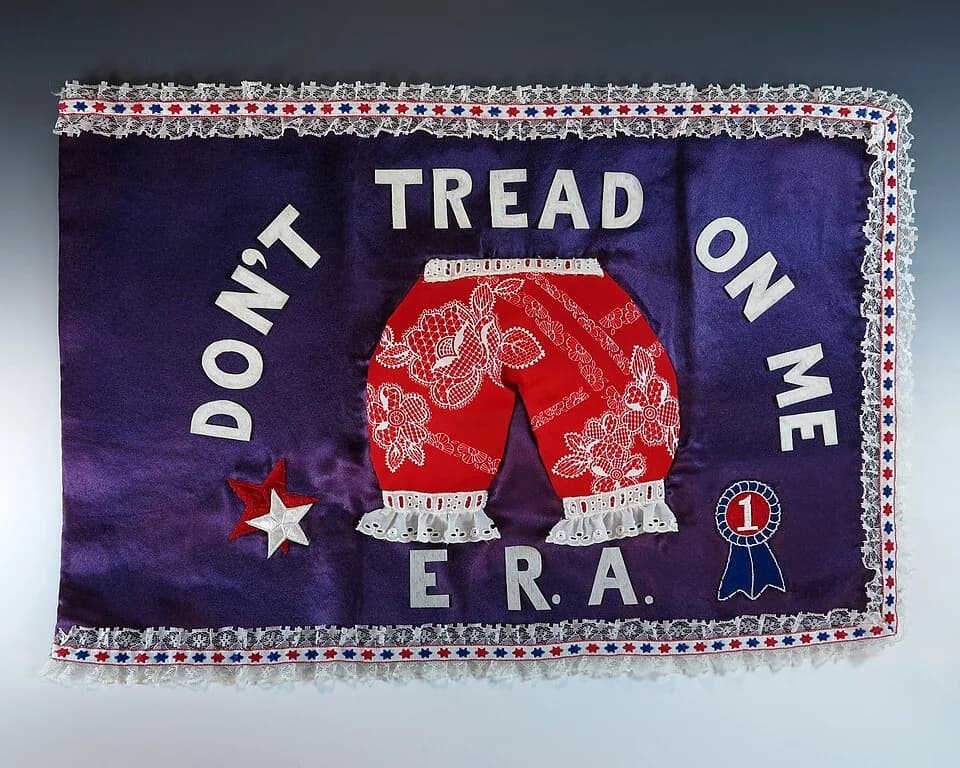
She was also a passionate and tireless women's rights activist, utilizing her prominent platform to advocate for gender equality and empowerment with unwavering conviction. Her resolute support for the Equal Rights Amendment (ERA) was particularly notable, showcasing her deep dedication to securing legal and social protections for women across all sectors. Her influential voice was instrumental in promoting the advancement of women in education, professional careers, and every facet of societal participation, demonstrating a forward-thinking perspective.
Her advocacy extended to pressing social issues, demonstrating a comprehensive understanding of the challenges facing American families. She consistently spoke out on topics that were often considered taboo, bringing them into mainstream discussion and advocating for understanding and support. This fearless approach ensured that her voice was a constant force for progress and social consciousness, cementing her role as a truly engaged First Lady.
Chapter 4· Chapter 4 of 7
Personal Life
At the core of Betty Ford's life and public persona was her unwavering and supportive marriage to Gerald Ford, providing her with a steadfast anchor amidst the relentless pressures of national public service. Together, they adeptly navigated the unique and often demanding challenges inherent in both the vice presidency and, subsequently, the presidency of the United States. Their enduring partnership served as a profound example of shared commitment, mutual respect, and unwavering support throughout their many years in the public eye, often facing intense scrutiny.
Her remarkable candor extended significantly beyond matters of public policy, encompassing her own personal struggles, most notably those related to addiction. Betty Ford's extraordinary willingness to publicly discuss her personal journey toward recovery, powerfully documented in her autobiographical works, played a crucial role in dismantling pervasive societal stigmas associated with substance abuse. This profound honesty transformed her into an inspirational figure for countless individuals confronting similar challenges, offering immense hope, understanding, and a path towards healing.
Chapter 5· Chapter 5 of 7
Notable Works or Contributions
As an accomplished autobiographer and insightful writer, Betty Ford masterfully articulated her extensive life experiences and profound perspectives through a series of published works. Her books offered an exceptionally intimate and rare glimpse into both her public duties as First Lady and her deeply personal inner world, providing readers with an unparalleled understanding of her unique journey. These meticulously crafted writings served not only as a record of her life but also as a powerful and influential medium for her vital advocacy and deep personal reflection, resonating widely.
Among her most significant literary contributions are the compelling titles 'MI VIDA,' 'Betty, a glad awakening,' 'Healing and Hope,' and 'Times of My Life,' each offering distinct yet interconnected insights. Works specifically titled 'Betty, a glad awakening' and 'Healing and Hope' powerfully encapsulate the central themes of personal growth, resilience, the arduous path to recovery, and the profound discovery of inner strength amidst adversity. These autobiographical efforts did more than just chronicle her life; they provided invaluable guidance, solace, and inspiration to a vast readership grappling with their own complex personal circumstances.
These literary endeavors firmly established her standing not merely as a prominent political figure but also as an exceptionally important and influential voice within American literature and public discourse. Her extraordinary ability to articulate intricate personal experiences with such clarity, sincerity, and impact profoundly distinguished her as a writer of considerable merit and lasting influence. Through the enduring power of her written words, she continued to educate, inspire, and foster understanding long after her significant tenure in the White House had concluded, leaving an enduring intellectual legacy.
Chapter 6· Chapter 6 of 7
Later Years
Following her impactful period as First Lady, Betty Ford sustained her role as a dedicated public advocate, maintaining her status as an exceptionally influential figure in American society. She astutely channeled her extensive personal and political experiences into developing further initiatives, with a particular focus on public health and, critically, addiction recovery services. Her later years were characterized by a steadfast and unyielding commitment to the vital causes she had so passionately championed throughout her groundbreaking White House tenure, demonstrating consistent dedication.
Betty Ford ultimately passed away on July 8, 2011, in Rancho Mirage, United States, concluding a life rich with purpose and leaving behind a profound legacy of unparalleled courage, unwavering compassion, and significant social progress. Even in her final years, her powerful influence continued to resonate deeply within the national consciousness, serving as a consistent reminder of the transformative power of honesty, resilience, and dedicated public service. Her entire life's work powerfully demonstrated a profound commitment to human well-being that extended far beyond the confines of political office, continuing to touch and improve countless lives.
Chapter 7· Chapter 7 of 7
Legacy and Impact
Betty Ford's enduring legacy is defined by her steadfast commitment to social progress and her exceptionally groundbreaking openness, which reshaped societal norms. She fundamentally transformed the traditional role of First Lady, conclusively demonstrating that a presidential spouse could indeed be a formidable, proactive force for meaningful social change. Her unprecedented willingness to engage directly and forthrightly with often contentious and sensitive issues established an entirely new and elevated standard for public engagement within the White House.
Her remarkable candor regarding her personal struggles, which notably encompassed significant health challenges and her battle with addiction, served to dramatically de-stigmatize these often-misunderstood topics for millions of Americans. By bravely sharing her deeply personal story, she courageously provided a vital pathway for others to openly seek necessary help and find genuine healing, thereby fostering a much more empathetic and understanding national dialogue. This extraordinary courage in vulnerability remains one of her most widely remembered and impactful contributions to American society and public health.
As an ardent and articulate women's rights activist, Betty Ford significantly advanced the critical cause of gender equality through her resolute actions and passionate advocacy, inspiring many. Her vocal and public support for pivotal equal rights initiatives instilled hope and motivated a new generation to tirelessly continue the essential fight for fairness and justice for all women. Her lasting influence in meticulously shaping a more equitable and inclusive society is unequivocally profound and continues to resonate strongly to this very day, impacting policy and perception.
Ultimately, the exemplary life of Betty Ford provides invaluable lessons in the enduring importance of integrity, personal bravery, and devoted public service to one's nation and fellow citizens. Her far-reaching impact on social policy, the advancement of women's rights, and heightened public health awareness continues to be profoundly felt and appreciated in contemporary society. She stands as an enduring icon of immense strength, profound authenticity, and pioneering spirit, a true trailblazer who consistently utilized her powerful platform for the greater collective good of humanity.
A life in moments
The moments that shaped a life

FAQ
Frequently asked
When did Betty Ford die?
Betty Ford died on July 8, 2011 in Rancho Mirage, United States, at the age of 93.
Where was Betty Ford born?
Betty Ford was born in Chicago, United States on April 8, 1918.
What is Betty Ford best known for?
Betty Ford is best known for First Lady of the United States from 1974 to 1977.
How old was Betty Ford when they died?
Betty Ford was 93 years old at the time of death.
What nationality was Betty Ford?
Betty Ford was from United States.
Timeline
Life at a glance
Photo gallery
A life in pictures
Click any polaroid to expand · 23 photos
QR Code
Share This Biography
Print & Share
Scan to visit this biography page. Print for events, exhibitions, or educational materials.