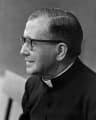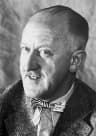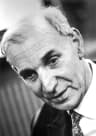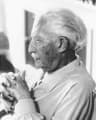
Born
February 20, 1902
San Francisco, United States
Died
April 22, 1984
Carmel-by-the-Sea, United States
Known for
American photographer and environmentalist
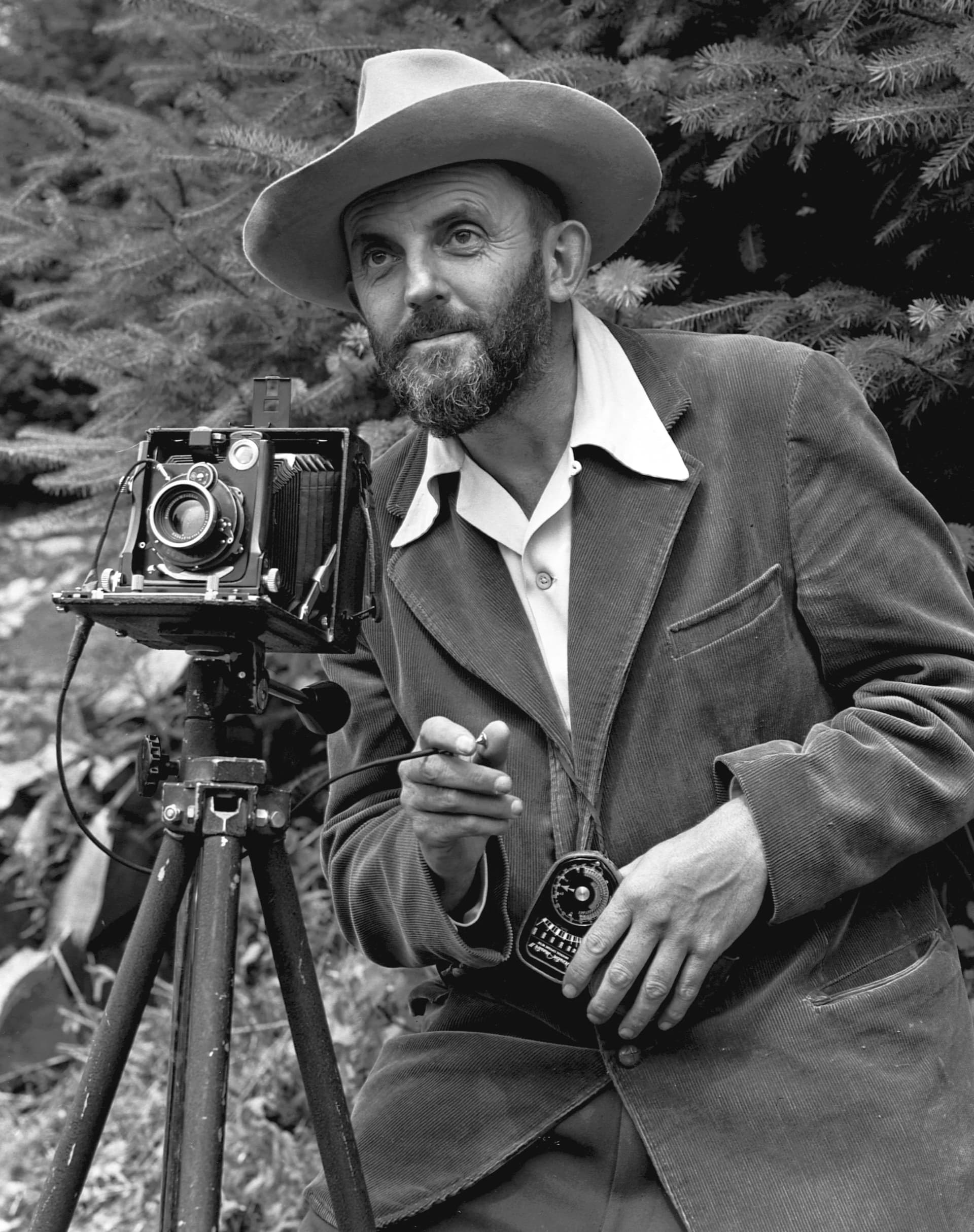
Ansel Adams (1902–1984) was United States best known for American photographer and environmentalist.
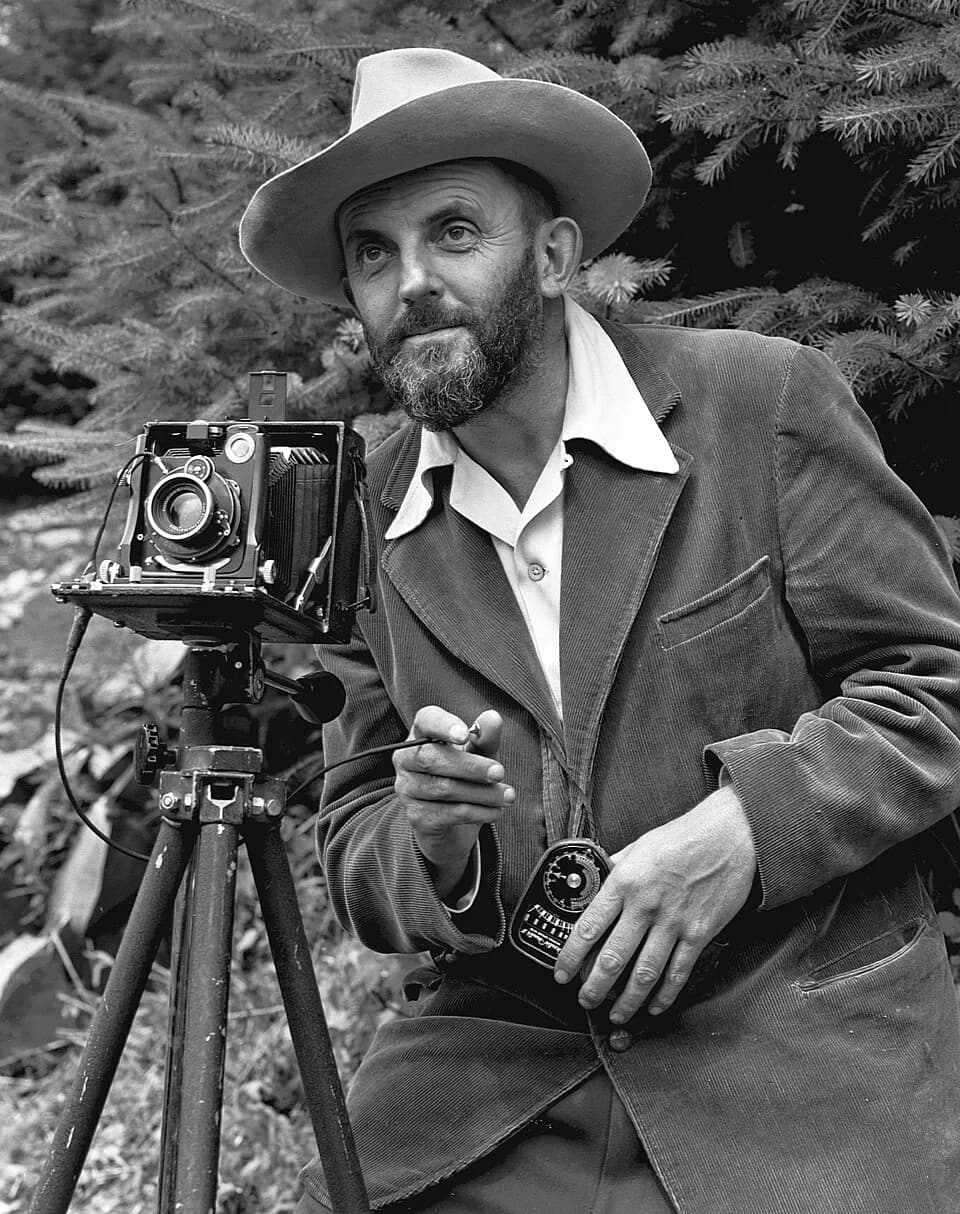
Ansel Adams (February 20, 1902 – April 22, 1984) was an American photographer and environmentalist from San Francisco. He was known for his iconic black-and-white images of the American West and co-developed the Zone System. His work profoundly shaped photography and conservation efforts.
Chapter
Life chapters
Chapter 1· Chapter 1 of 7
Early Life and Origins
Ansel Adams was born in San Francisco, United States, experiencing his early life in a city known for its dramatic natural surroundings. While specific details about his family and upbringing are not extensively provided, his birth in California likely influenced his later fascination with the landscapes of the American West. His early interests would eventually converge into his lifelong passions.
Beyond photography, Adams was also a skilled pianist, writer, and university teacher. These diverse professions indicate a broad intellect and a commitment to both artistic expression and education. His early pursuits in music, in particular, are often cited as contributing to his methodical and artistic approach to photography.
Chapter 2· Chapter 2 of 7
Career Beginnings
Adams' path into professional photography began with a distinct vision for the medium. He was instrumental in establishing Group f/64, an association of photographers advocating for "pure" photography. This movement championed sharp focus and the utilization of a photograph's full tonal range, moving away from soft-focus pictorialism.
His early work began to define a new aesthetic for American photography. Adams' commitment to technical precision and expressive clarity distinguished him among his contemporaries. This foundational period set the stage for his major contributions to photographic art and theory.
Chapter 3· Chapter 3 of 7
Major Achievements and Career Highlights
One of Ansel Adams' most significant contributions was the co-development of the Zone System with Fred Archer. This system provided photographers with a precise method for achieving a desired final print by technically understanding exposure, negative development, and printing choices. It offered unprecedented control over the tonal range of an image.
Adams' career was marked by his unwavering focus on the natural beauty of the American West, particularly national parks like Yosemite. His dedication to environmentalism was not just reflected in his art but also in his active advocacy. He became a powerful voice for conservation, using his images to inspire appreciation and protection of wilderness areas.
Chapter 4· Chapter 4 of 7
Personal Life
Ansel Adams was a man of varied interests and commitments beyond his photographic work. His professions included not only photographer and writer, but also pianist, university teacher, environmentalist, and mountaineer. These pursuits suggest a life lived with intensity, a deep connection to nature, and a desire to share knowledge and inspire others.
His passion for the outdoors, particularly as a mountaineer, directly informed his ability to access and photograph remote and majestic natural scenes. This personal engagement with the environment was inseparable from his artistic and advocacy endeavors. His life reflected a profound personal dedication to the subjects he photographed.
Chapter 5 · 1941· Chapter 5 of 7
Notable Works or Contributions
Adams produced an extensive body of work, much of which is celebrated globally. Among his iconic artworks are "Moonrise, Hernandez, New Mexico" (1941) held by the Art Institute of Chicago (AIC), and "Monolith, The Face of Half Dome, Yosemite National Park" (1927), also at the AIC. Other significant pieces include "Dead Tree, Dog Lake, Yosemite National Park" (ca. 1936) and "Cemetery, Hornitos, California" (1938–39), both housed at the Met Museum.
His photographic output also includes "Clearing Winter Storm, Yosemite National Park" (c. 1937) and "Jeffrey Pine, Sentinel Dome, Yosemite National Park, California" (1940), both part of the AIC collection. Adams' publications further solidify his impact, with titles like "The negative," "Zone system manual," and "The print" serving as foundational texts for photographers. These works showcase his dual mastery of artistic vision and technical instruction.
Chapter 6· Chapter 6 of 7
Later Years
In his later career, Ansel Adams continued to create and influence the world of photography and environmentalism. He maintained his role as a university teacher, sharing his knowledge and techniques with new generations of artists. His work continued to draw attention to the beauty and fragility of natural spaces, even as he aged.
Adams passed away on April 22, 1984, in Carmel-by-the-Sea, United States. His life concluded in California, the state whose magnificent geography had inspired so much of his legendary art. His contributions to the visual arts and his environmental advocacy remained strong until the end of his life.
Chapter 7· Chapter 7 of 7
Legacy and Impact
Ansel Adams' legacy is multifaceted, deeply affecting both the artistic and environmental worlds. His development of the Zone System fundamentally changed how photographers approached exposure and processing, providing a blueprint for precise image control. This technical innovation remains a cornerstone of photographic education.
Beyond technique, Adams instilled in millions an appreciation for the wild beauty of the American West through his powerful black-and-white photographs. As a dedicated environmentalist, his art served as a compelling argument for conservation. He inspired ongoing efforts to protect natural spaces for future generations, ensuring his influence extends far beyond the darkroom.
A life in moments
The moments that shaped a life
FAQ
Frequently asked
When did Ansel Adams die?
Ansel Adams died on April 22, 1984 in Carmel-by-the-Sea, United States, at the age of 82.
Where was Ansel Adams born?
Ansel Adams was born in San Francisco, United States on February 20, 1902.
What is Ansel Adams best known for?
Ansel Adams is best known for American photographer and environmentalist.
How old was Ansel Adams when they died?
Ansel Adams was 82 years old at the time of death.
What nationality was Ansel Adams?
Ansel Adams was from United States.
Timeline
Life at a glance
Photo gallery
A life in pictures
Click any polaroid to expand · 23 photos
QR Code
Share This Biography
Print & Share
Scan to visit this biography page. Print for events, exhibitions, or educational materials.