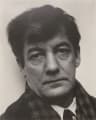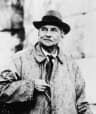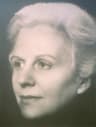
Born
December 11, 1863
Dover, United States
Died
April 13, 1941
Cambridge, United States
Known for
American astronomer
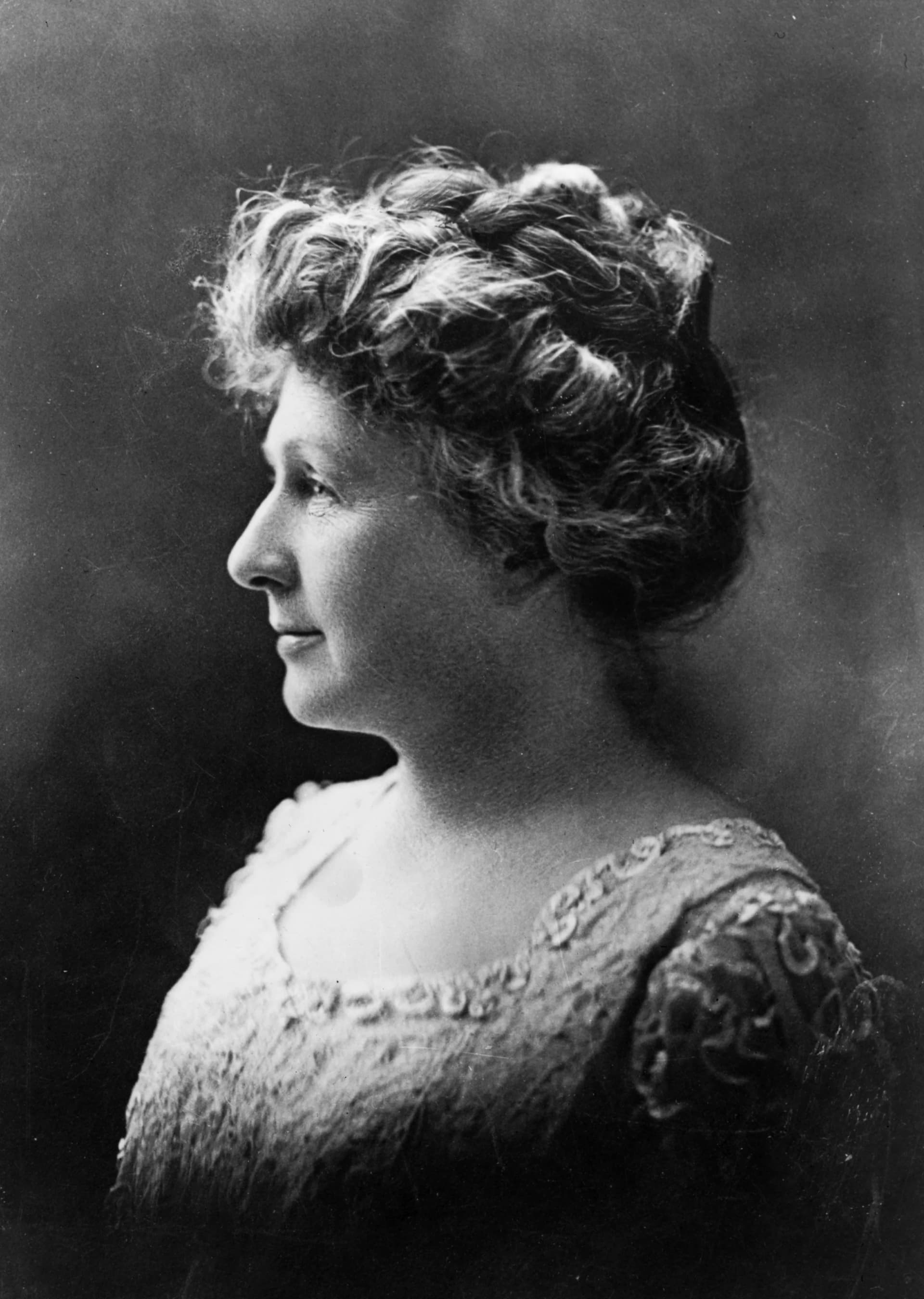
Annie Jump Cannon (1863–1941) was United States best known for American astronomer.
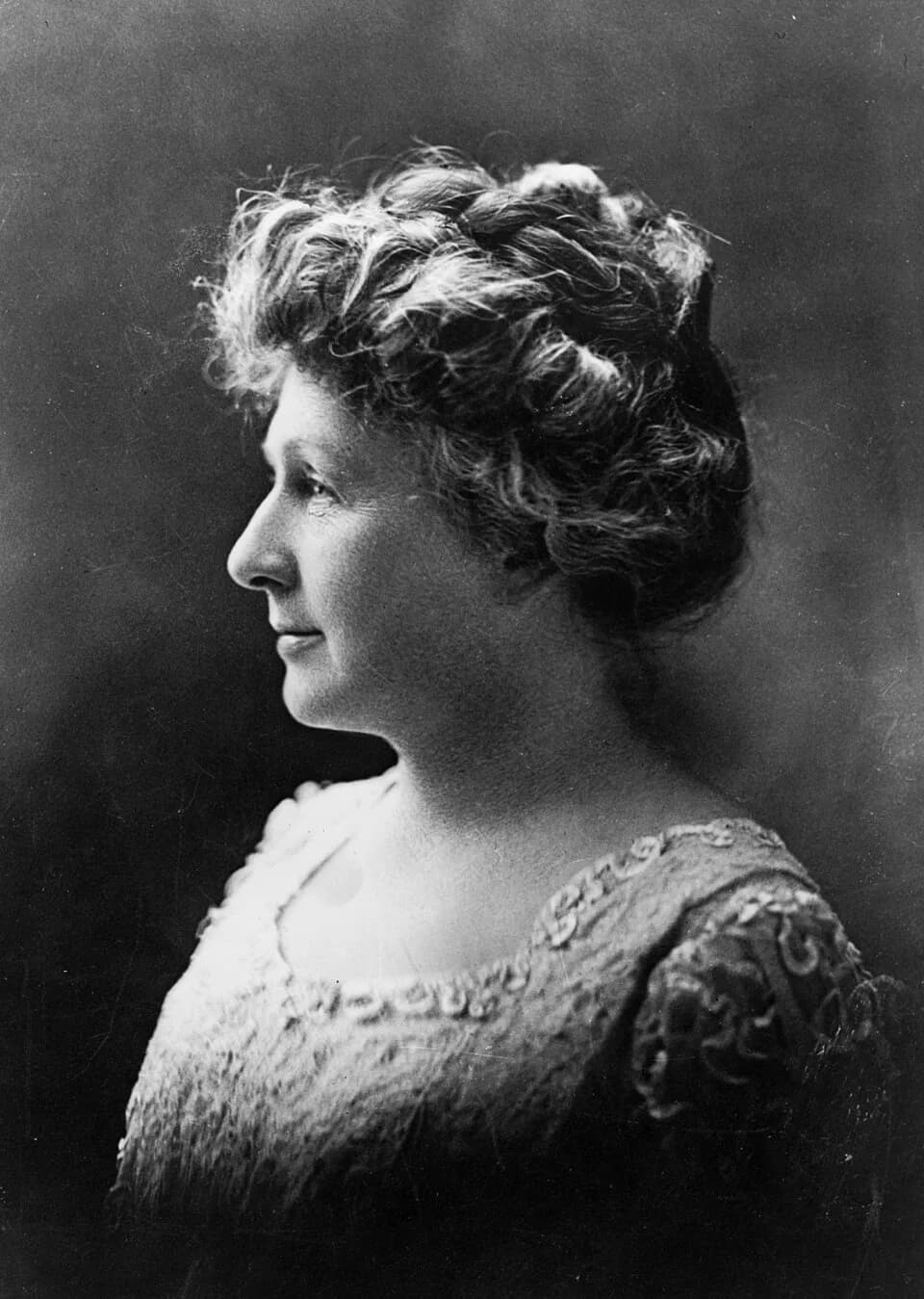
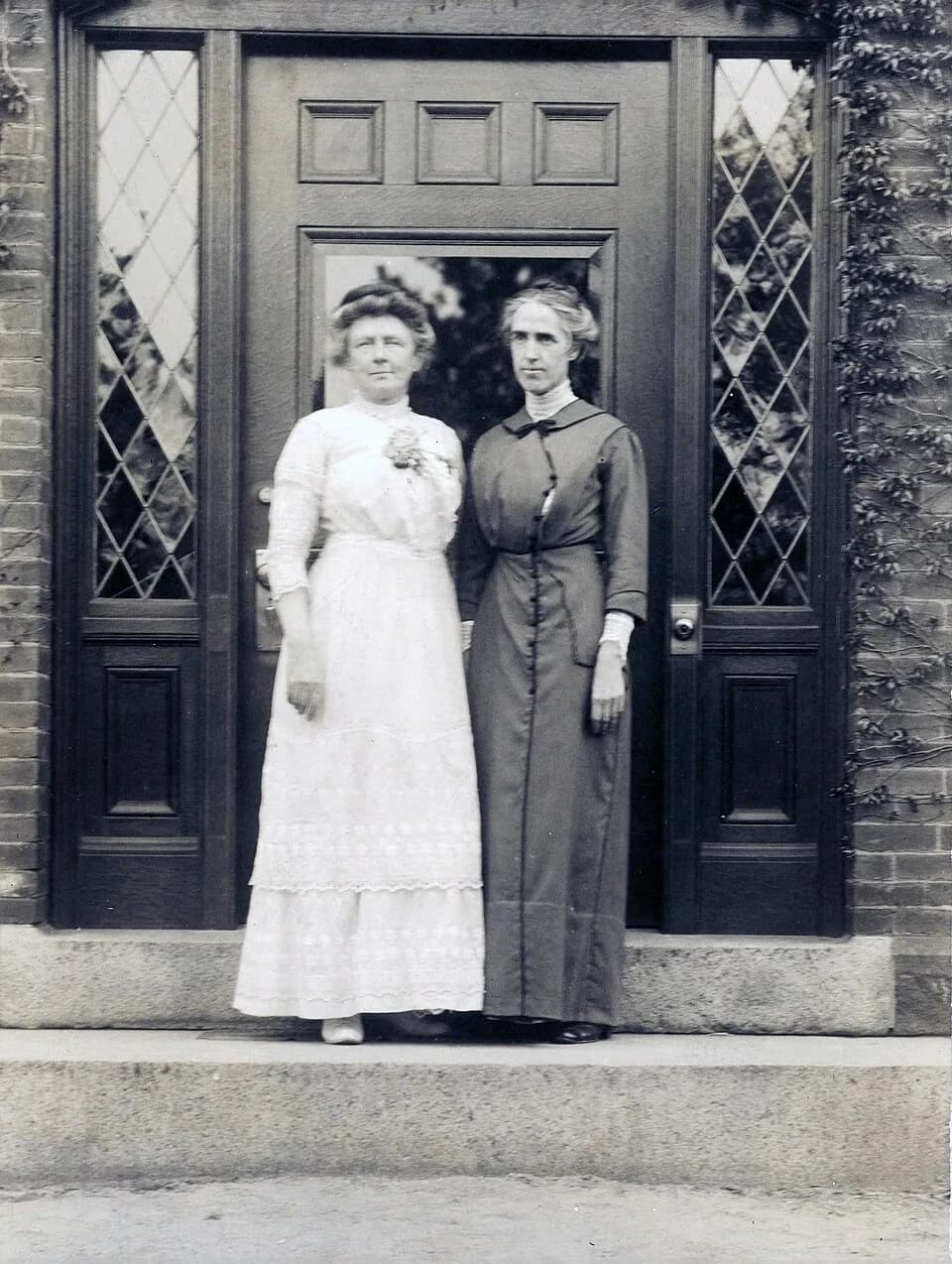
Annie Jump Cannon (December 11, 1863 – April 13, 1941) was an American astronomer from Dover. She co-created the Harvard Classification Scheme, a foundational system for classifying stars by temperature and spectral type. Her cataloging work remains instrumental in modern astronomy.
Chapter
Life chapters
Chapter 1 · 1863· Chapter 1 of 7
Early Life and Origins
Annie Jump Cannon was born on December 11, 1863, in Dover, United States. Her early life provided the foundational experiences that would lead her into a remarkable scientific career. While specific details of her family background or early schooling are not provided, her later achievements clearly demonstrate a strong intellectual curiosity and dedication to learning. Her birthplace in Dover marked the beginning of a life that would eventually span decades of scientific discovery.
Chapter 2· Chapter 2 of 7
Career Beginnings
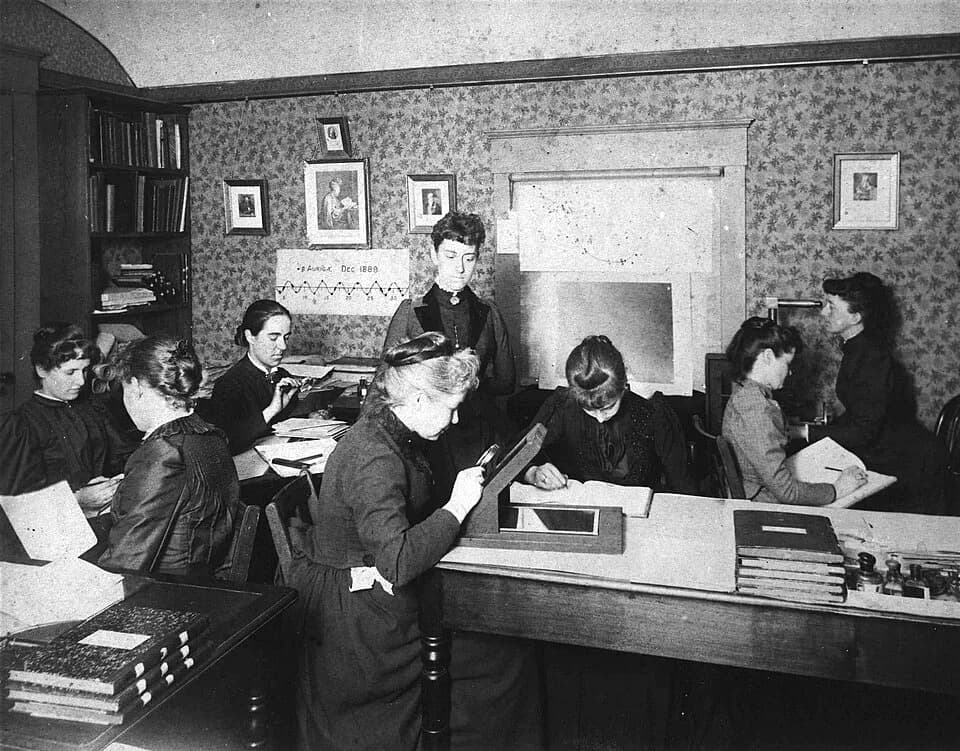
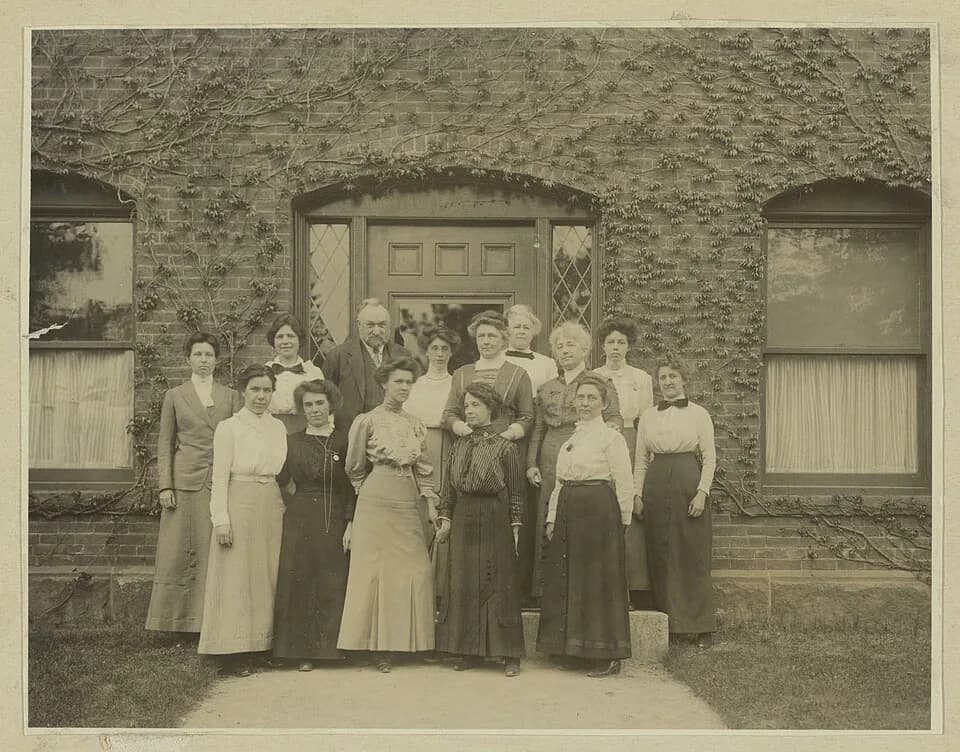
Cannon's professional journey began within an academic environment where women were increasingly contributing to scientific research, often in crucial support roles. She joined the esteemed Harvard College Observatory, a key institution for astronomical study at the time. Her meticulous observational skills and dedication quickly made her an indispensable member of the research team. It was at Harvard that she embarked on extensive collaborations with Edward C. Pickering, focusing on the ambitious and then-novel project of classifying an unprecedented number of celestial bodies. This foundational period at the observatory was critical, laying the groundwork for one of astronomy's most enduring and impactful classification systems.
Chapter 3· Chapter 3 of 7
Major Achievements and Career Highlights
Annie Jump Cannon's most celebrated and enduring achievement is undoubtedly her leading role in the creation of the Harvard Classification Scheme, developed in partnership with Edward C. Pickering. This innovative scheme completely revolutionized how astronomers approached and categorized stars, moving beyond simple brightness to analyze their inherent temperature and spectral characteristics. Her cataloging efforts were truly monumental and unparalleled in scope, leading to the accurate classification of hundreds of thousands of stars throughout her prolific career. This meticulous work provided a critical framework for understanding stellar properties.
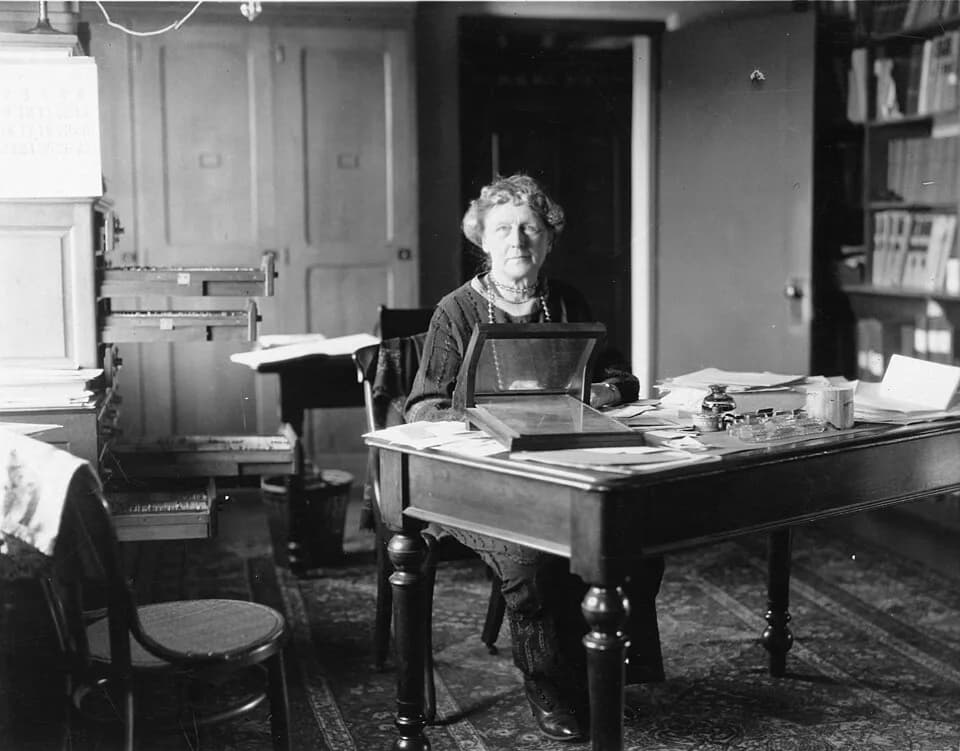
Despite facing a significant personal adversity, becoming nearly deaf after 1893 as a direct result of scarlet fever, Cannon continued her demanding work with unwavering dedication and precision. She spent countless hours meticulously examining photographic plates, classifying stars based on their distinct spectral signatures. Her rigorous and systematic approach ensured remarkable consistency and accuracy across the vast datasets she processed. This monumental undertaking contributed profoundly to the nascent understanding of stellar evolution and the physical properties of stars. Through her tireless efforts, she established herself as a globally recognized authority in the specialized field of stellar spectroscopy.
Chapter 4 · 1893· Chapter 4 of 7
Personal Life
Annie Jump Cannon experienced a profound personal challenge early in her professional life, as she became nearly deaf after 1893, a condition brought on by scarlet fever. However, this did not deter her from maintaining an active and profoundly impactful professional career. Beyond her intensive scientific pursuits, Cannon was also a committed suffragist, advocating passionately for women's right to vote. She demonstrated her deep commitment to social change by actively becoming a member of the National Women's Party. Her dedication to both scientific advancement and social justice showcased her well-rounded character and determination.
Chapter 5 · 1918· Chapter 5 of 7
Notable Works or Contributions
Cannon's most tangible and direct contribution to scientific literature is exemplified by the monumental Henry Draper Catalogue and Extension. This comprehensive catalog, published sequentially between 1918 and 1924, systematically classified an astounding number of stars, specifically over 225,000. Her innovative and highly efficient classification system formed the very backbone of this extensive publication, which quickly became an absolutely essential reference resource for astronomers across the globe. The continued relevance of her original work is underscored by its later digitization and inclusion in resources like the VizieR Online Data Catalog: Henry Draper Catalogue and Extension (Cannon+ 1918-1924; ADC 1989), emphasizing its lasting scientific value.
Another documented work attributed to her scholarship is the biographical piece titled "William Henry Pickering: 1858-1938," which she published in 1938. This particular work illustrates her contributions beyond the direct realm of stellar classification, showing her engagement with documenting the lives and contributions of other prominent figures within the scientific community. While her extraordinary work in stellar classification and the Harvard Classification Scheme remains her most widely recognized achievement, these additional publications highlight the breadth of her intellectual engagement and her commitment to advancing astronomical knowledge in various forms.
Chapter 6 · 1941· Chapter 6 of 7
Later Years
Annie Jump Cannon maintained her extraordinary dedication and rigorous work ethic at the Harvard College Observatory throughout her later years. Her contributions to astronomy remained steadfast, and she continued her meticulous schedule of stellar classification until near the end of her life. She passed away on April 13, 1941, in Cambridge, United States, leaving behind a truly remarkable and enduring scientific legacy. Her life exemplified persistent scientific inquiry, rigorous methodological observation, and a profound commitment to understanding the cosmos. Her final years saw her continue to solidify her place as one of the most significant figures in astronomical history.
Chapter 7· Chapter 7 of 7
Legacy and Impact
The profound legacy of Annie Jump Cannon is indelibly woven into the very fabric of modern astronomical science. The Harvard Classification Scheme, which she so meticulously co-developed, continues to serve as an indispensable foundational tool for understanding stellar populations and their characteristics. Her systematic and unparalleled approach to cataloging an immense number of stars provided an essential framework that enabled subsequent generations of astronomers to investigate complex galactic structures and the intricate processes of stellar evolution with unprecedented precision and detail. Her pioneering efforts as an accomplished woman in a predominantly male scientific field also played a crucial role in paving the way for other aspiring female scientists, inspiring many to pursue demanding careers in astronomy and physics. Her influence demonstrably extends far beyond her own lifetime, as her foundational work continues to be referenced, utilized, and built upon by contemporary astrophysicists seeking to unravel the mysteries of the universe. Annie Jump Cannon's contributions truly redefined how humanity observes and categorizes the stars.
A life in moments
The moments that shaped a life
FAQ
Frequently asked
When did Annie Jump Cannon die?
Annie Jump Cannon died on April 13, 1941 in Cambridge, United States, at the age of 77.
Where was Annie Jump Cannon born?
Annie Jump Cannon was born in Dover, United States on December 11, 1863.
What is Annie Jump Cannon best known for?
Annie Jump Cannon is best known for American astronomer.
How old was Annie Jump Cannon when they died?
Annie Jump Cannon was 77 years old at the time of death.
What nationality was Annie Jump Cannon?
Annie Jump Cannon was from United States.
Timeline
Life at a glance
Photo gallery
A life in pictures
Click any polaroid to expand · 22 photos
QR Code
Share This Biography
Print & Share
Scan to visit this biography page. Print for events, exhibitions, or educational materials.