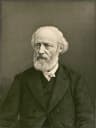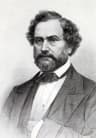
Born
November 6, 1814
Dinant, Belgium
Died
February 7, 1894
Paris, France
Known for
Belgian musical instrument designer and musician
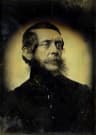
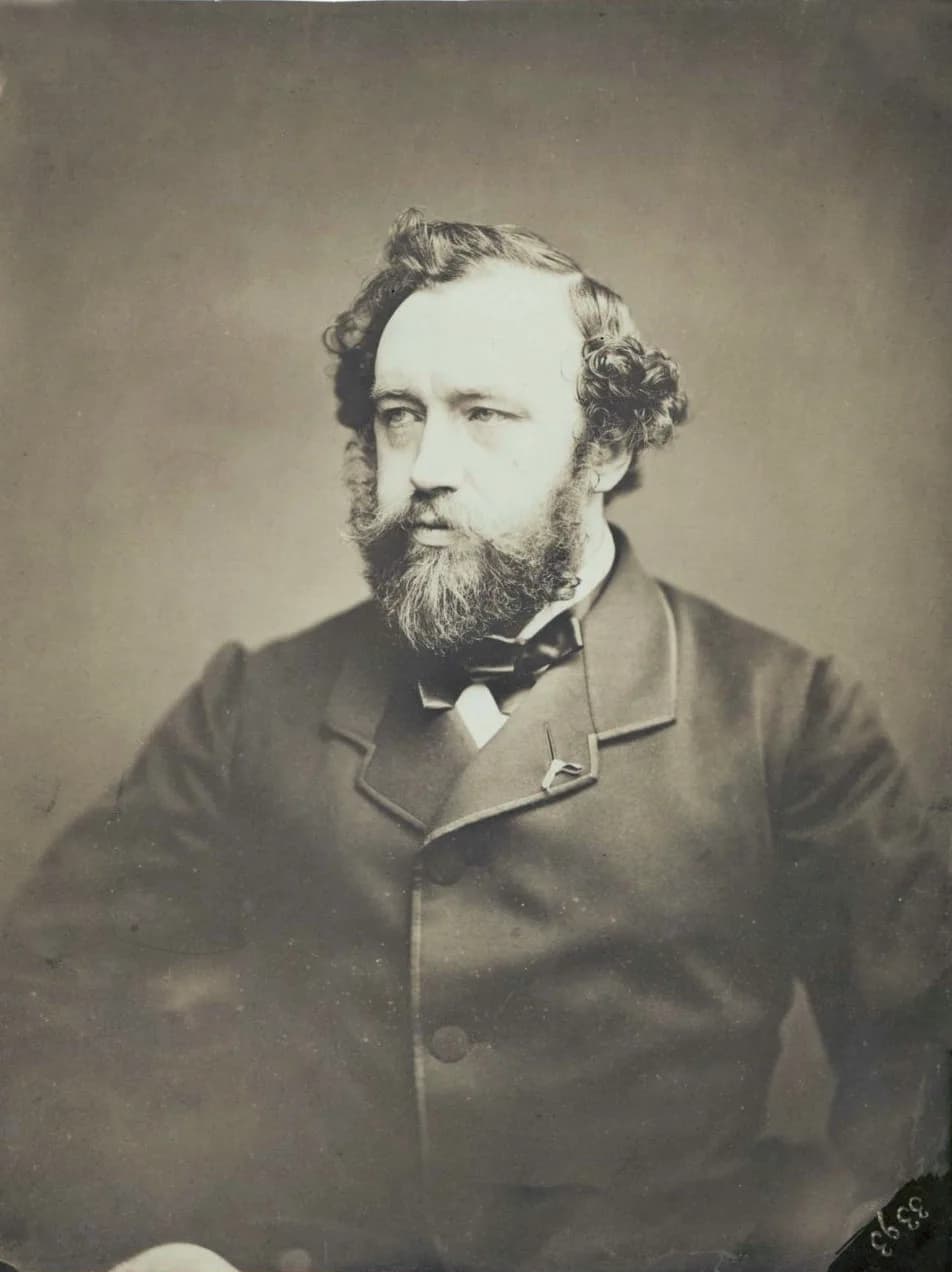
Antoine-Joseph "Adolphe" Sax (November 6, 1814 – February 7, 1894) was a Belgian musical instrument designer and musician. He invented the saxophone in the early 1840s, patenting it in 1846, alongside other instruments like the saxhorn. His innovations continue to shape musical performance and design today.
A life in moments
The moments that shaped a life
Chapter
Life chapters
Chapter 1 · 1814· Chapter 1 of 7
Remembering Adolphe Sax
Antoine-Joseph "Adolphe" Sax, born on November 6, 1814, and passing on February 7, 1894, was a Belgian musical instrument designer and musician whose creative genius forever shaped the world of music. His work as an inventor, musician, university teacher, musical instrument maker, and music educator left an enduring legacy. Adolphe Sax is best known for his invention of the saxophone, but his contributions extended to redesigning existing instruments and creating entirely new ones, demonstrating his profound understanding of acoustics and craftsmanship.
Chapter 2 · 1814· Chapter 2 of 7
Early Life and Origins
Adolphe Sax began his life in Dinant, Belgium, on November 6, 1814. Growing up in a family with a strong connection to instrument making, his early years were undoubtedly influenced by the world of music and craftsmanship. This foundational experience in Dinant provided him with an early exposure to the intricate work of instrument creation, setting the stage for his future endeavors.
His birthplace, Dinant, became the origin point for a career that would eventually lead him to Paris, France. Young Adolphe developed skills as a musician, proficient in playing both the flute and the clarinet. This practical musical experience, combined with his inherited aptitude for instrument design, would prove invaluable in his later inventive work.
Chapter 3· Chapter 3 of 7
Career Beginnings
Adolphe Sax's journey as an instrument maker began with a deep understanding of existing instruments, particularly those within the woodwind family. His ability to play the flute and clarinet provided him with firsthand insights into the challenges and limitations of instrument design. This personal experience as a musician informed his approach to innovation, as he sought to improve sound quality, playability, and projection.
His early professional path saw him dedicating himself to the craft of musical instrument making. Through careful study and experimentation, he started to apply his inventive mind to the problems faced by musicians. This period marked the initial steps toward his major breakthroughs in instrument design, driven by a desire to enhance musical expression.
Chapter 4 · 1846· Chapter 4 of 7
Major Achievements and Career Highlights
Adolphe Sax's most celebrated achievement was the invention of the saxophone, which he conceived in the early 1840s. This revolutionary instrument, a hybrid of woodwind and brass characteristics, was patented by him in 1846. The saxophone brought a unique voice to orchestras and military bands, eventually finding its prominent place in jazz and popular music.
Beyond the saxophone, his inventive spirit led to the creation of several other instruments, including the saxotromba, saxhorn, and saxtuba. These instruments further expanded the palette of sounds available to musicians, demonstrating his systematic approach to instrument families. He also took on the significant task of redesigning the bass clarinet, an improvement that remains influential in the 21st century, a testament to the longevity of his design principles.
Chapter 5 · 1846· Chapter 5 of 7
Notable Works or Contributions
The saxophone stands as Adolphe Sax's defining contribution, a brass instrument with a single-reed mouthpiece that bridged gaps in orchestral timbre. Its introduction in the 1840s opened up new sonic possibilities for composers and performers alike. The patenting of the saxophone in 1846 solidified his claim to this important invention and marked a turning point in instrumental music history.
His other inventions, the saxotromba, saxhorn, and saxtuba, showcased his ambition to create cohesive instrument families with consistent timbres across different registers. The saxhorn, in particular, became widely adopted in military bands due to its robust sound and ease of playing. Furthermore, Adolphe Sax's redesign of the bass clarinet significantly improved its intonation, range, and tone, with his modifications still being utilized by instrument makers today.
Chapter 6· Chapter 6 of 7
Later Years
In his later life, Adolphe Sax continued his work as an inventor and musical instrument maker, maintaining his commitment to advancing musical technology. He spent his final years in Paris, France, the city where many of his groundbreaking instruments had found their initial success and recognition. His dedication to his craft persisted despite various personal and professional challenges throughout his career.
Adolphe Sax passed away in Paris on February 7, 1894, leaving behind a profound legacy that extended far beyond his lifetime. Even in his advanced years, his influence as a music educator and university teacher shaped subsequent generations of musicians and instrument designers. His death marked the end of an era for a true pioneer in musical instrument innovation.
Chapter 7· Chapter 7 of 7
Legacy and Impact
Adolphe Sax's impact on music is immeasurable, primarily through the creation of the saxophone. This instrument transformed military bands, orchestral writing, and ultimately, popular music genres around the globe. His inventions provided new voices and capabilities that composers and musicians quickly embraced.
As an inventor and musical instrument maker, Adolphe Sax expanded the expressive potential of music. His innovations, from the saxophone to the redesigned bass clarinet, continue to be central to music performance and education in the 21st century. His legacy lives on through the countless musicians who play his instruments and the ongoing evolution of musical sound worlds he helped to create.
Timeline
Life at a glance
Photo gallery
A life in pictures
Click any polaroid to expand · 47 photos
QR Code
Share This Biography
Print & Share
Scan to visit this biography page. Print for events, exhibitions, or educational materials.