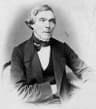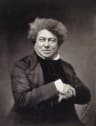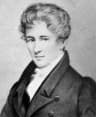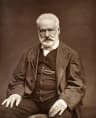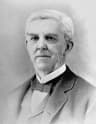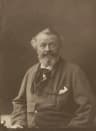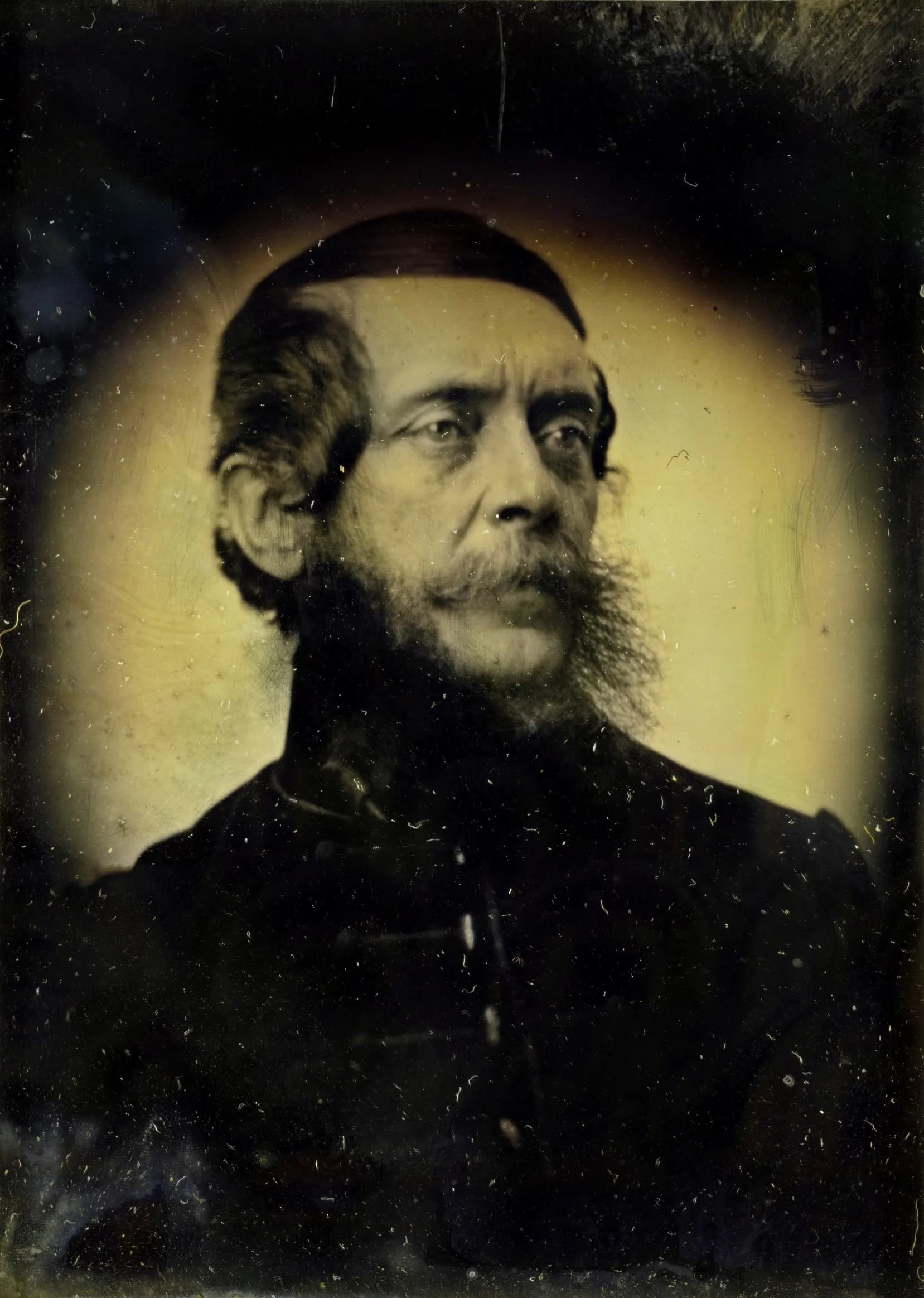
Born
September 19, 1802
Monok, Hungary
Died
March 20, 1894
Turin, Italy
Known for
Hungarian politician
Lajos Kossuth (1802–1894) was Hungary best known for Hungarian politician.
Lajos Kossuth (September 19, 1802 – March 20, 1894) was a Hungarian politician, lawyer, and statesman from Hungary. He served as governor-president of the Hungarian State during the 1848–1849 war of independence, becoming a central figure in his nation's history. His calls for self-governance left a lasting impact on Hungarian identity.
Chapter
Life chapters
Chapter 1 · 1802· Chapter 1 of 7
Opening
Lajos Kossuth de Udvard et Kossuthfalva (September 19, 1802 – March 20, 1894) was a Hungarian nobleman, lawyer, journalist, politician, and statesman whose life was dedicated to the cause of Hungarian independence. He served as the governor-president of the Hungarian State during the pivotal war of independence of 1848–1849, embodying the spirit of national self-determination. His powerful oratory and political leadership solidified his place as a central figure in 19th-century European history, leaving an enduring legacy for his homeland. He remains recognized for his unwavering commitment to his country's freedom and constitutional government.
Chapter 2 · 1802· Chapter 2 of 7
Early Life and Origins
Lajos Kossuth was born on September 19, 1802, in Monok, within the historical Kingdom of Hungary. Hailing from a noble family, his early life was marked by the privilege of a structured upbringing that afforded him access to education and intellectual development. This foundation prepared him for the complex world of law and politics he would later inhabit.
He initially pursued a career as a lawyer, a profession that honed his analytical skills and understanding of societal regulations. His work in legal practice provided him with invaluable insights into the intricacies of governance and justice. These formative years as a lawyer were crucial in shaping his perspectives on national rights and the need for constitutional reform.
Chapter 3· Chapter 3 of 7
Career Beginnings
Kossuth's early career saw him combine his legal background with a burgeoning interest in public discourse and journalism. He applied his skills as a lawyer and journalist to advocate for political change within Hungary. This period marked his transition from private practice to a more public-facing role, where he began to articulate his vision for Hungarian self-governance. His writings and early political engagement laid the groundwork for his future as a national leader.
Chapter 4 · 1848· Chapter 4 of 7
Major Achievements and Career Highlights
Lajos Kossuth's political ascent culminated in his leadership during the Hungarian Revolution of 1848, a pivotal moment in the nation's struggle for self-determination. He rapidly became the central figure of the independence movement, rallying support for the Hungarian cause against Habsburg authority. His persuasive rhetoric and strategic vision were instrumental in mobilizing public opinion and organizing resistance.
During the war of independence (1848–1849), Kossuth assumed the powerful role of governor-president of the Hungarian State. This position placed him at the helm of a revolutionary government, where he directed military and political efforts to establish a sovereign Hungarian nation. His tenure as governor-president marked the highest point of Hungarian self-rule in that era, a testament to his bold leadership.
Chapter 5· Chapter 5 of 7
Notable Works or Contributions
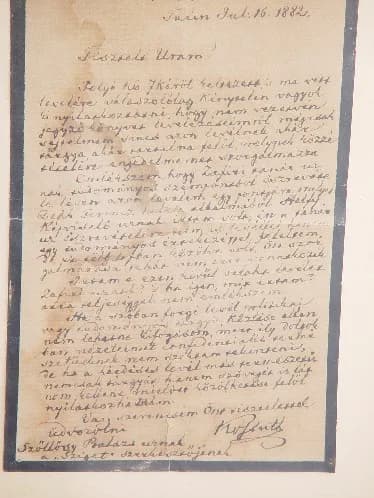
As an economist and journalist, Kossuth articulated his views and appeals through a significant body of written works. His intellectual contributions included analyses such as "La question des nationalités," which delved into the complex ethnic dynamics of the region. He also penned personal reflections and political commentaries, exemplified by "Agg Kossuth levelei egy fiatal leányhoz" and "Dir Katastrophe in Ungarn."
His published output also encompassed official government communications and speeches, including "Magyarország s'a hozzátartozó részek és tartományok kormányzója az Olaszhonban csatázó magyar hadsereghez" and "Országgyülési beszédei." Records of his time in exile were compiled in "Iratains az emigraczióból," alongside his strategic correspondence such as "Levelei Bem Altábornagyhoz 1849. évi marcz.-jun.-ig." Furthermore, his engagement with broader European politics is evident in works like "The future of nations" and "Russian aggression," showcasing his wide-ranging intellectual and political interests.
Chapter 6 · 1848· Chapter 6 of 7
Later Years
Following the suppression of the 1848–1849 Hungarian Revolution, Lajos Kossuth was forced into exile, continuing his political advocacy from abroad. His "Iratains az emigraczióból" likely chronicles this period, reflecting his ongoing commitment to Hungarian liberty even from a distance. He spent his final years in Italy, passing away on March 20, 1894, in Turin. Despite being away from his homeland, his influence and efforts to keep the cause of Hungarian independence alive never waned.
Chapter 7 · 1848· Chapter 7 of 7
Legacy and Impact
Lajos Kossuth's enduring legacy is that of a passionate advocate for Hungarian independence and a towering figure in the country's national narrative. His courageous leadership during the 1848–1849 revolution solidified his status as a national hero and a symbol of resistance against oppression. He inspired generations with his vision of a free and sovereign Hungary, influencing political thought and movements far beyond his lifetime.
His contributions as a lawyer, journalist, politician, and economist laid fundamental groundwork for modern Hungarian political identity. The principles he espoused regarding national self-determination and constitutional governance continued to resonate long after his death in Turin, Italy, on March 20, 1894. Kossuth's life story is a compelling reminder of the power of conviction and the pursuit of national liberty.
A life in moments
The moments that shaped a life
FAQ
Frequently asked
When did Lajos Kossuth die?
Lajos Kossuth died on March 20, 1894 in Turin, Italy, at the age of 91.
Where was Lajos Kossuth born?
Lajos Kossuth was born in Monok, Hungary on September 19, 1802.
What is Lajos Kossuth best known for?
Lajos Kossuth is best known for Hungarian politician.
How old was Lajos Kossuth when they died?
Lajos Kossuth was 91 years old at the time of death.
What nationality was Lajos Kossuth?
Lajos Kossuth was from Hungary.
Timeline
Life at a glance
Photo gallery
A life in pictures
Click any polaroid to expand · 47 photos
QR Code
Share This Biography
Print & Share
Scan to visit this biography page. Print for events, exhibitions, or educational materials.