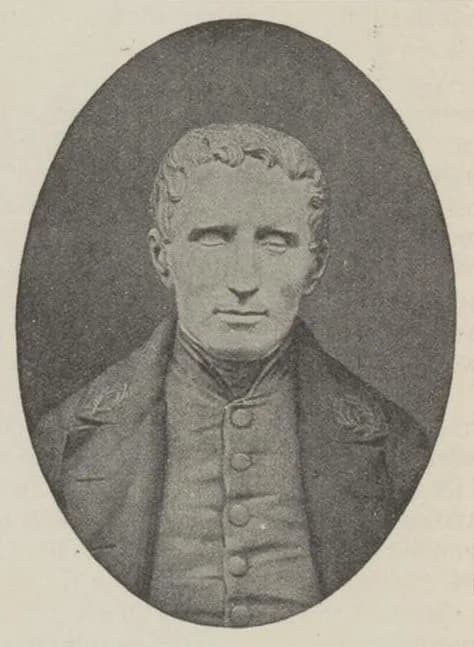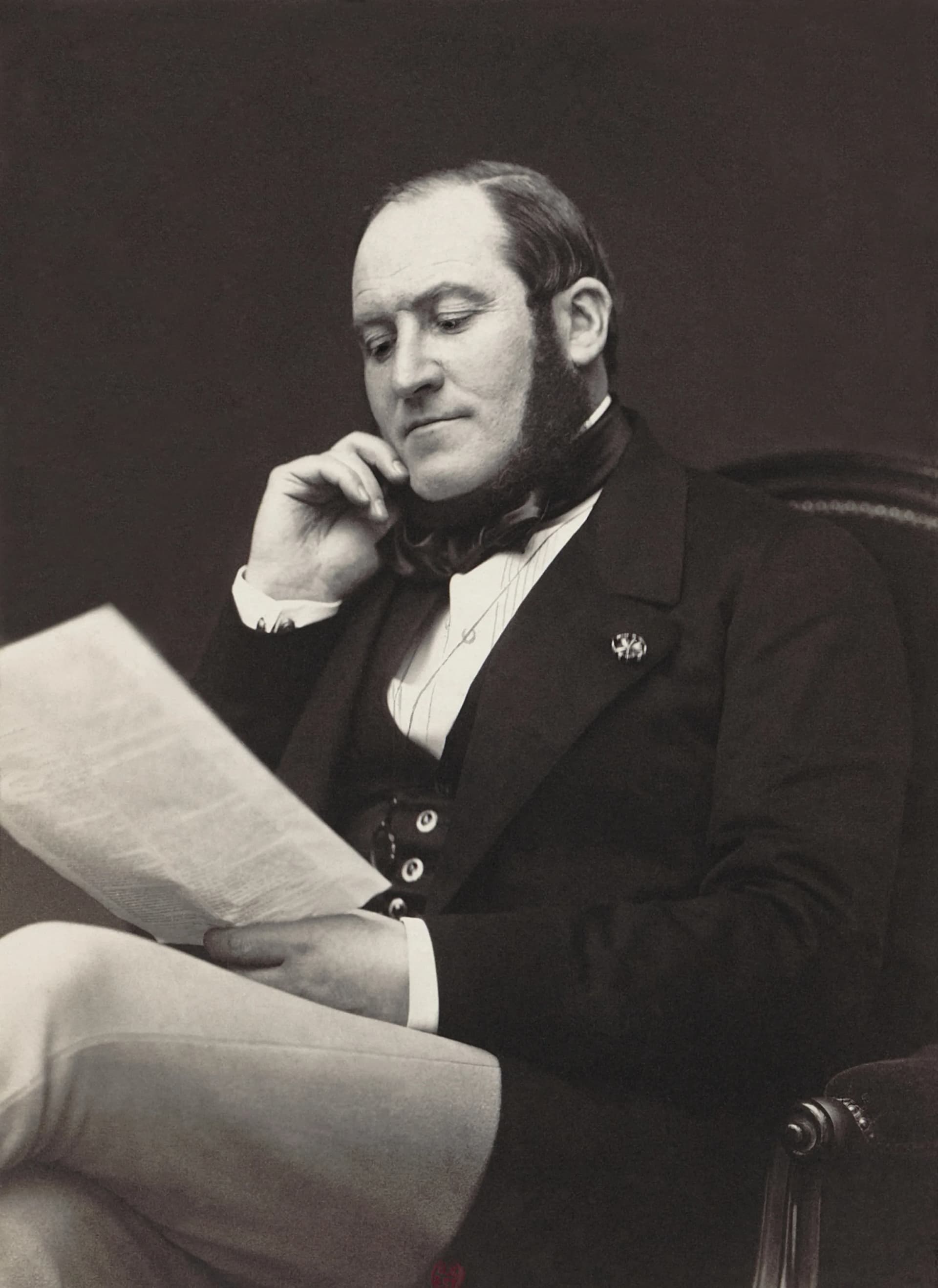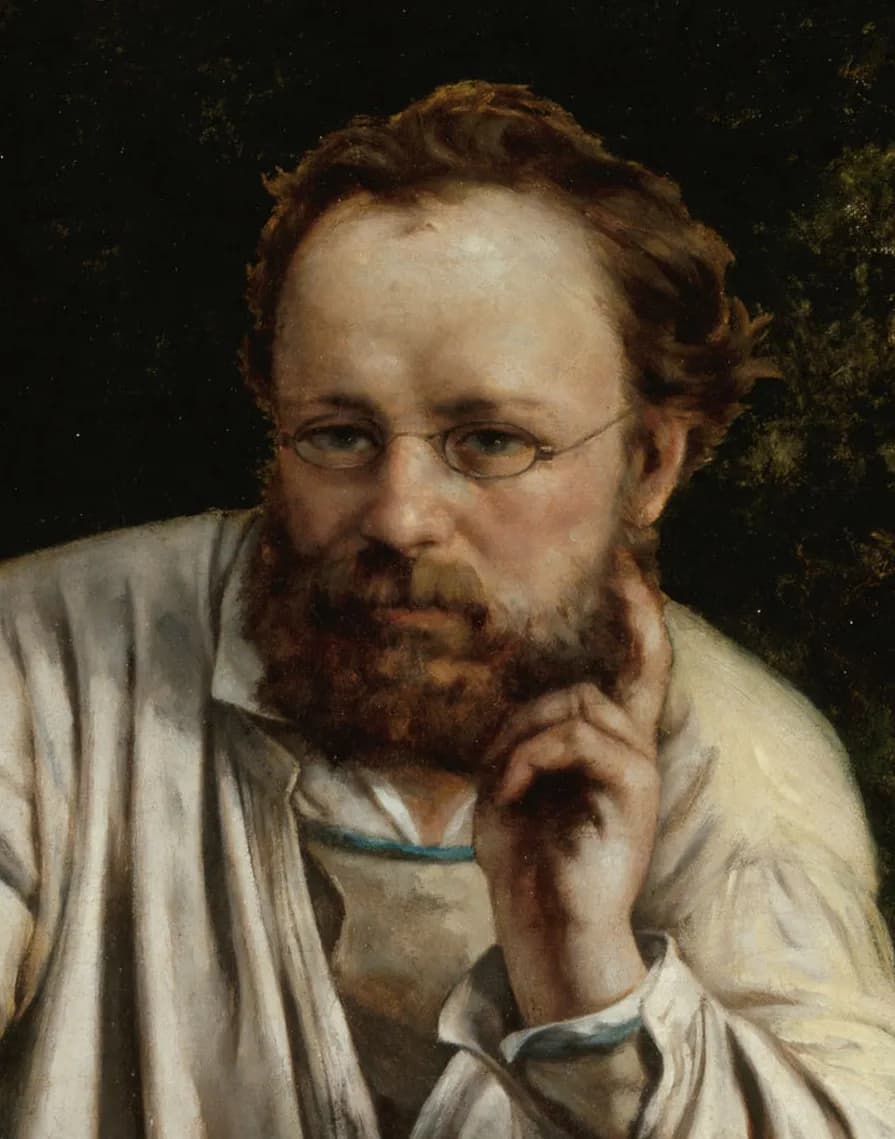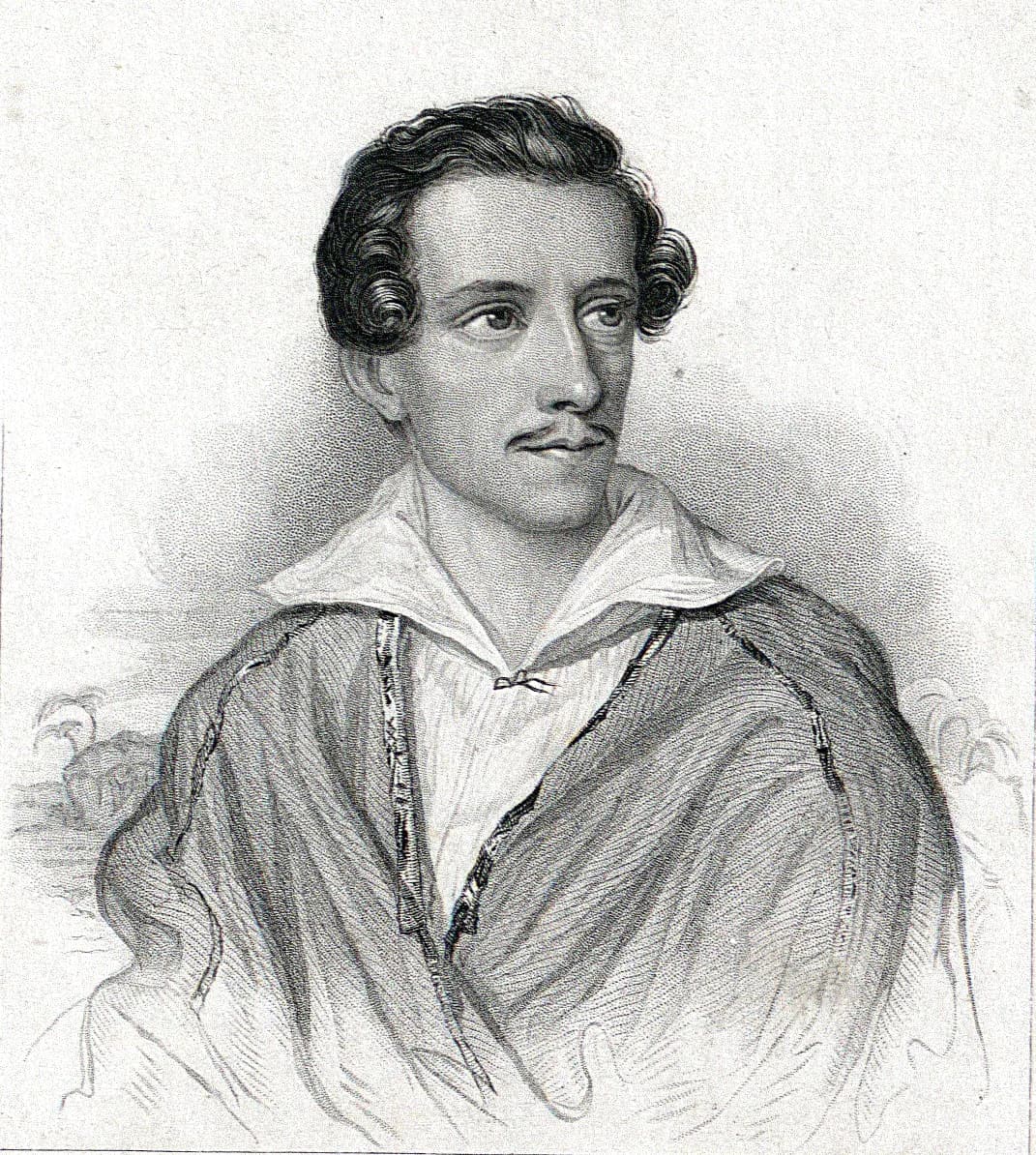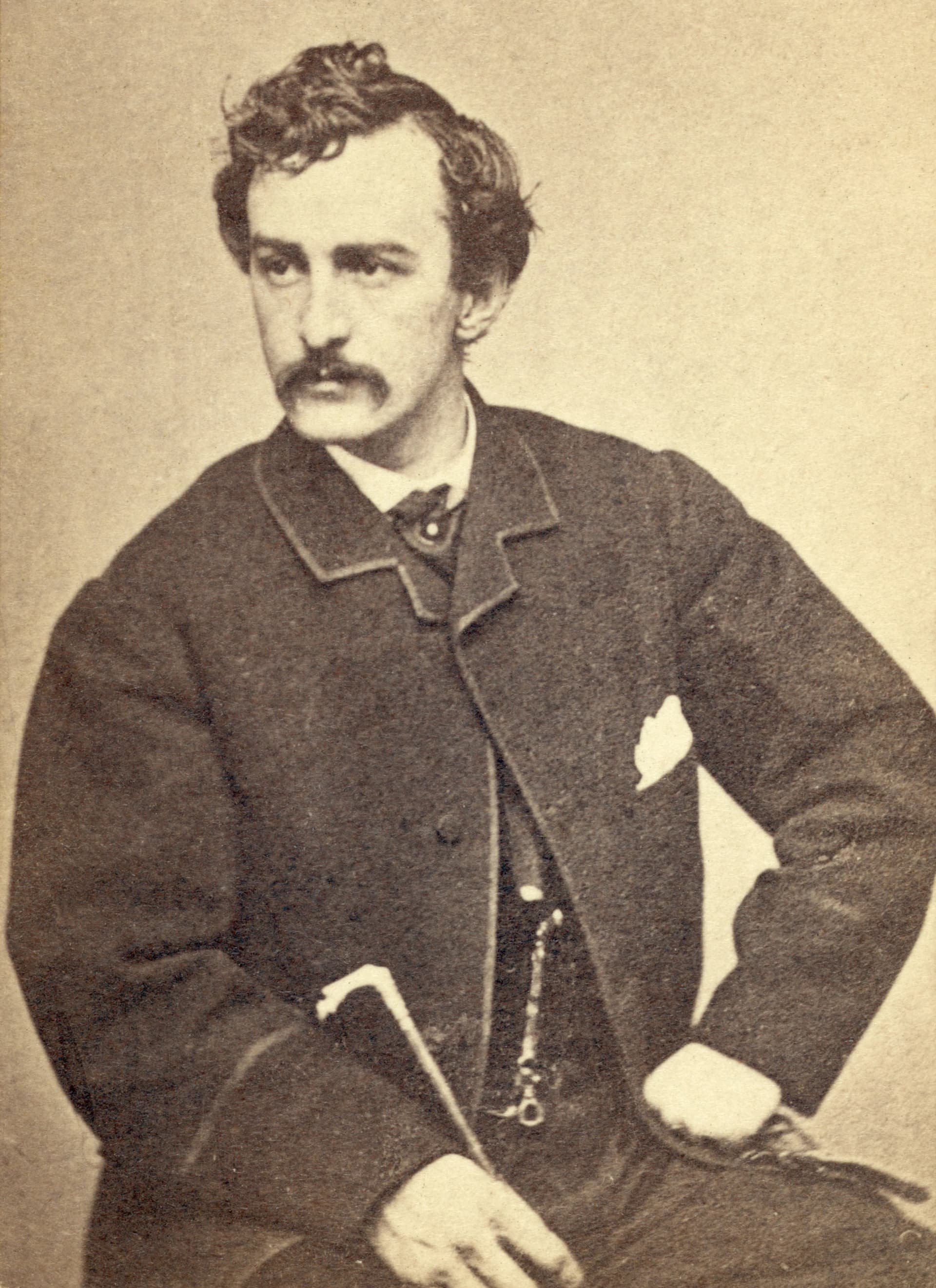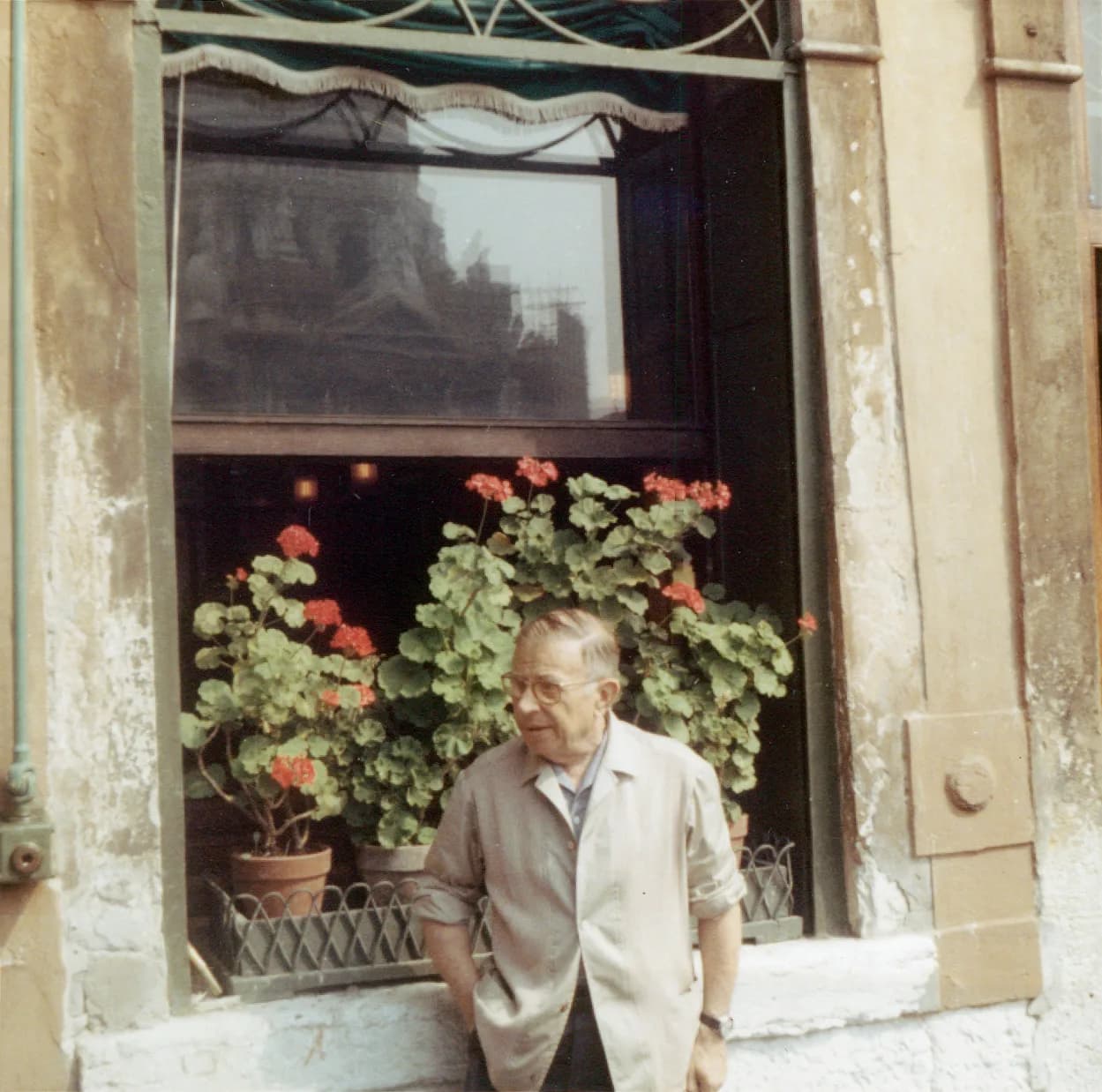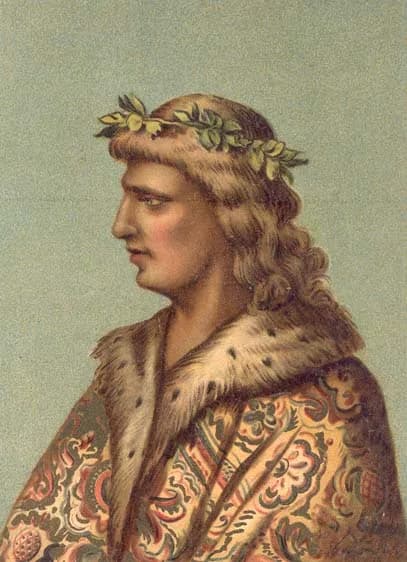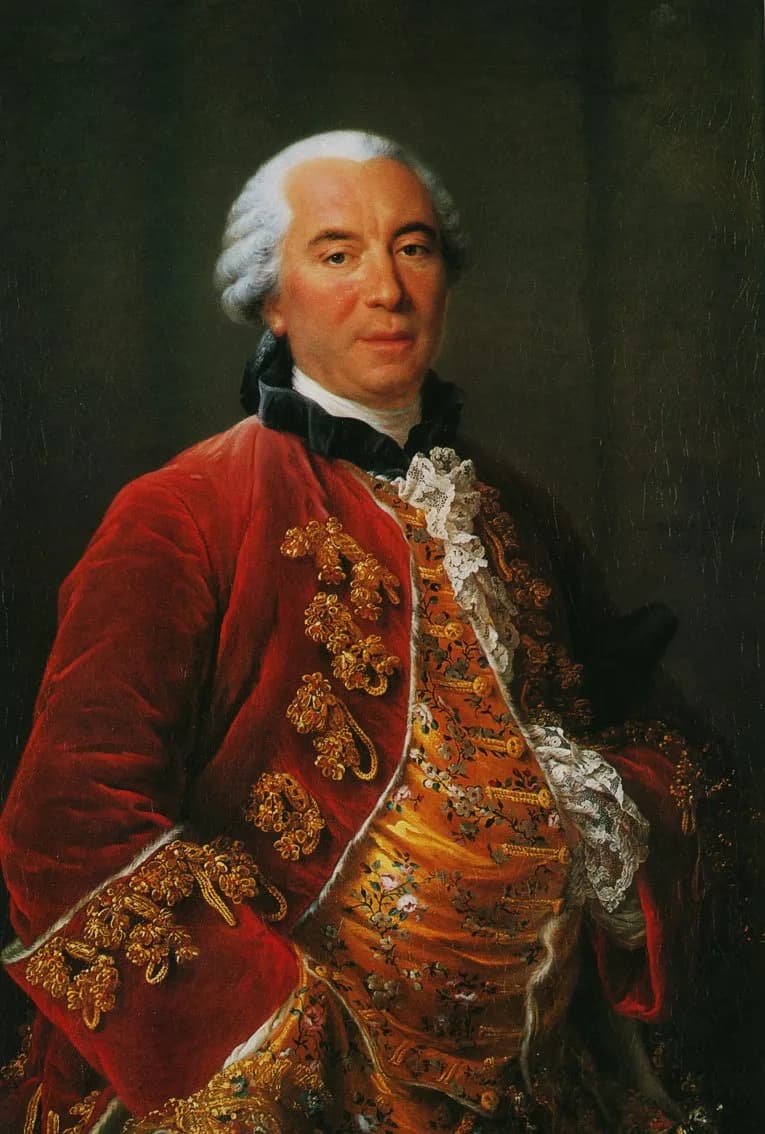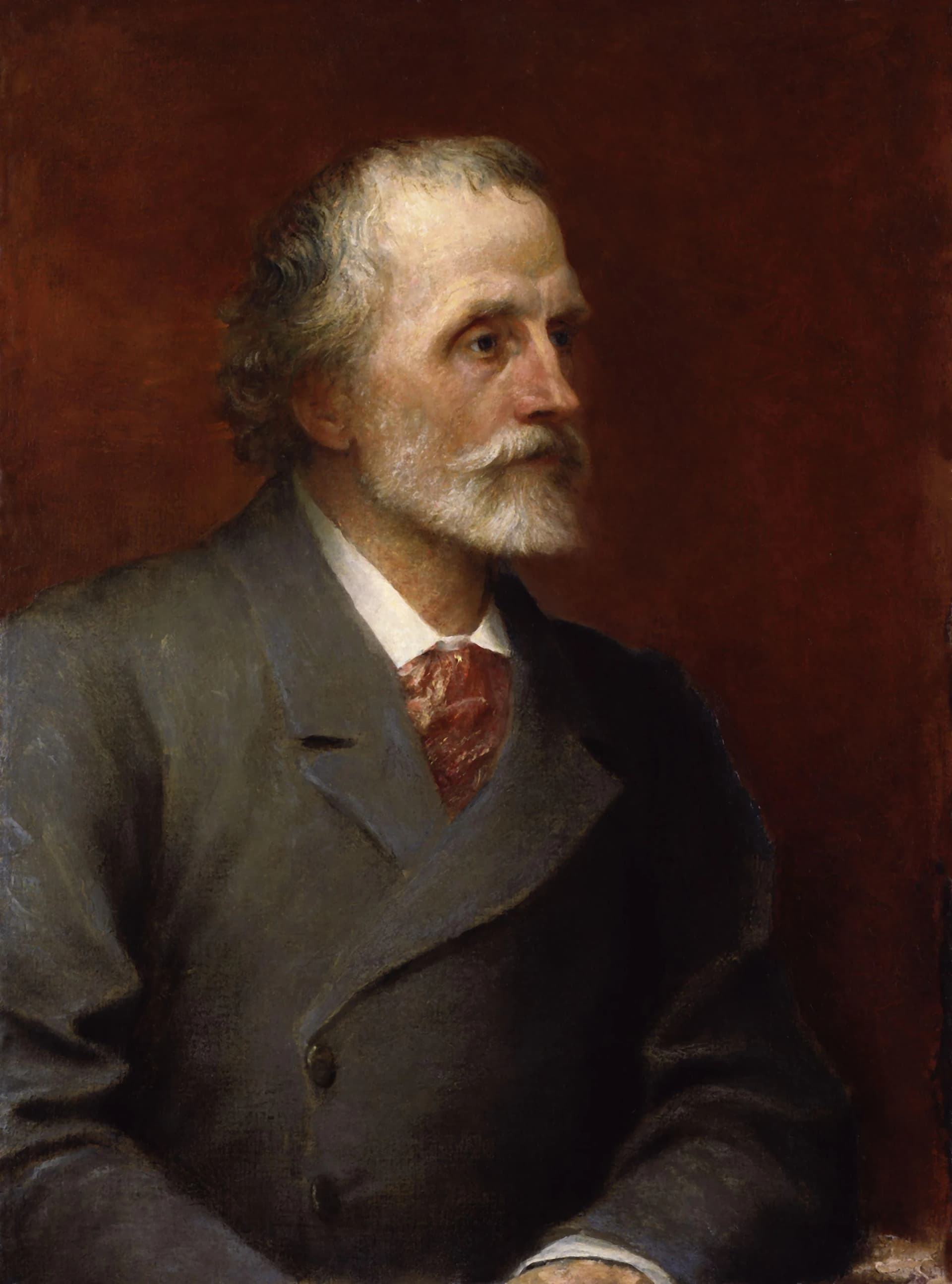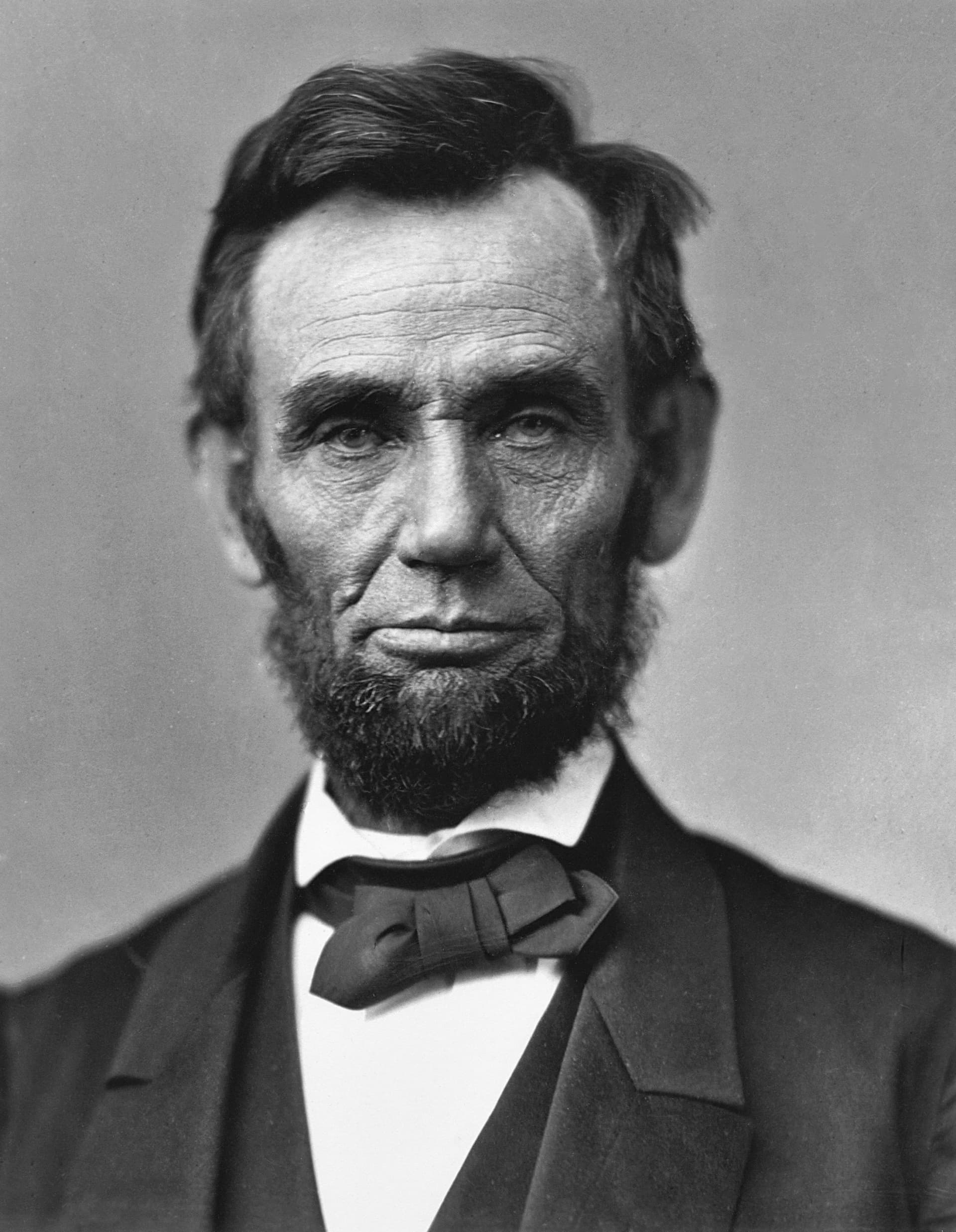
Born
February 12, 1809
Hodgenville, United States
Died
April 15, 1865
Washington, D.C., United States
Known for
president of the United States from 1861 to 1865
Abraham Lincoln (1809–1865) was United States best known for president of the United States from 1861 to 1865.
Abraham Lincoln (February 12, 1809 – April 15, 1865) was a lawyer, politician, and the 16th U.S. president. He led the United States through the American Civil War, preserving the Union. Lincoln also played a major role in the abolition of slavery, shaping a lasting legacy of unity and freedom.
A life in moments
The moments that shaped a life
Chapter
Life chapters
Chapter 1 · 1809· Chapter 1 of 8
Opening Paragraph
Abraham Lincoln, born on February 12, 1809, and tragically passing on April 15, 1865, was a monumental figure in American history, primarily recognized for his role as the 16th president of the United States. He embraced a diverse range of professions throughout his life, including writer, lawyer, politician, farmer, military officer, statesperson, and postmaster. His crucial tenure as president, from 1861 to 1865, coincided with the American Civil War, the nation's most severe crisis.
Chapter 2 · 1809· Chapter 2 of 8
Early Life and Origins
Abraham Lincoln's life began in Hodgenville, United States, where he was born on February 12, 1809. While specific details about his family and formal education are not extensively provided in the historical record, his early experiences as a farmer undoubtedly connected him deeply to the land and the common people. This formative period in rural America likely shaped his character and prepared him for the complex leadership challenges that lay ahead in his future.
Chapter 3· Chapter 3 of 8
Career Beginnings
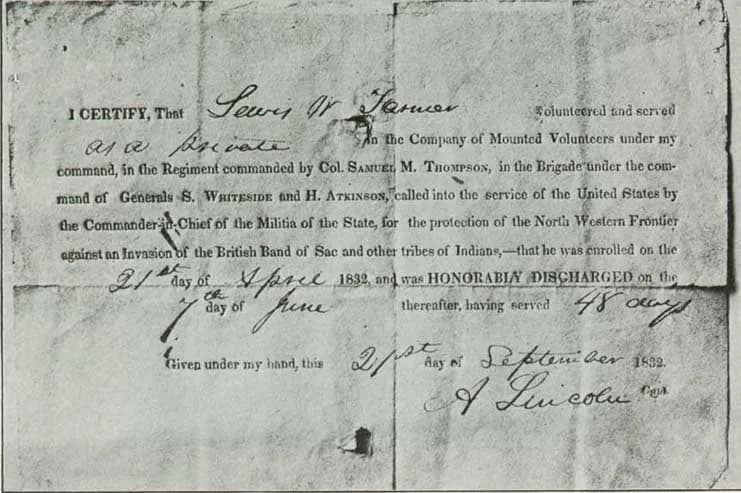
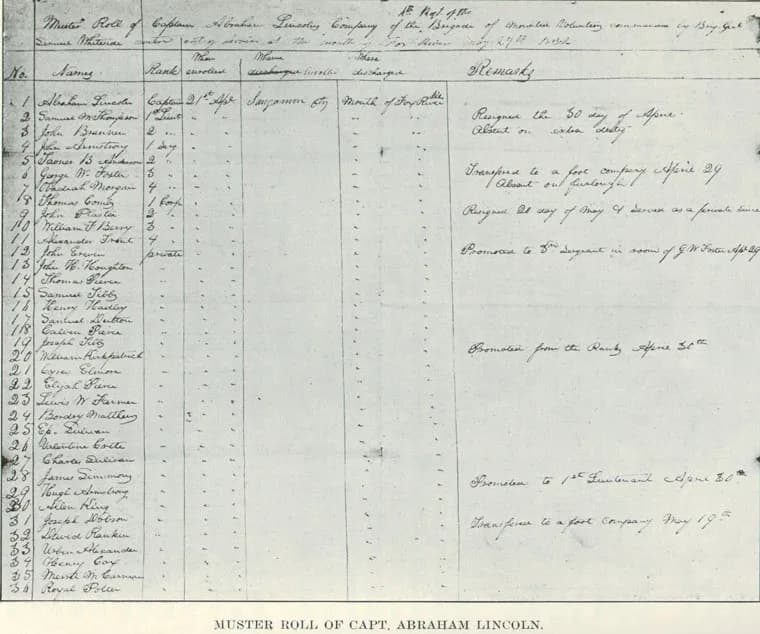
Before achieving the presidency, Lincoln built a foundation of diverse skills and practical experiences across several different fields. He gained initial work experience as a farmer and also served as a postmaster, roles that provided him with insight into community needs and basic administrative tasks. His path further involved service as a military officer, where he developed leadership qualities and a strategic understanding. Lincoln’s work as a lawyer and politician was particularly significant, allowing him to refine his persuasive speaking abilities and his capacity for legislative action, setting the stage for his later public service.
Chapter 4 · 1861· Chapter 4 of 8
Major Achievements and Career Highlights
Lincoln's most enduring accomplishments were realized during his presidency, spanning from 1861 to 1865. As the 16th president of the United States, he skillfully guided the nation through the immense challenges of the American Civil War. His steadfast leadership was absolutely instrumental in securing the Union victory against the Confederacy. A defining aspect of his presidential term was his courageous and critical role in the abolition of slavery, addressing a profound moral and political crisis that had long divided the country.
Chapter 5· Chapter 5 of 8
Personal Life
The provided information does not detail specific aspects of Abraham Lincoln's personal relationships, his family life beyond his birth, or his individual hobbies and interests. From the available data, his public persona and profound professional commitments largely define the known contours of his existence. It is clear that his personal journey was inextricably linked with his dedication to public service and political endeavors.
Chapter 6 · 1862· Chapter 6 of 8
Notable Works or Contributions
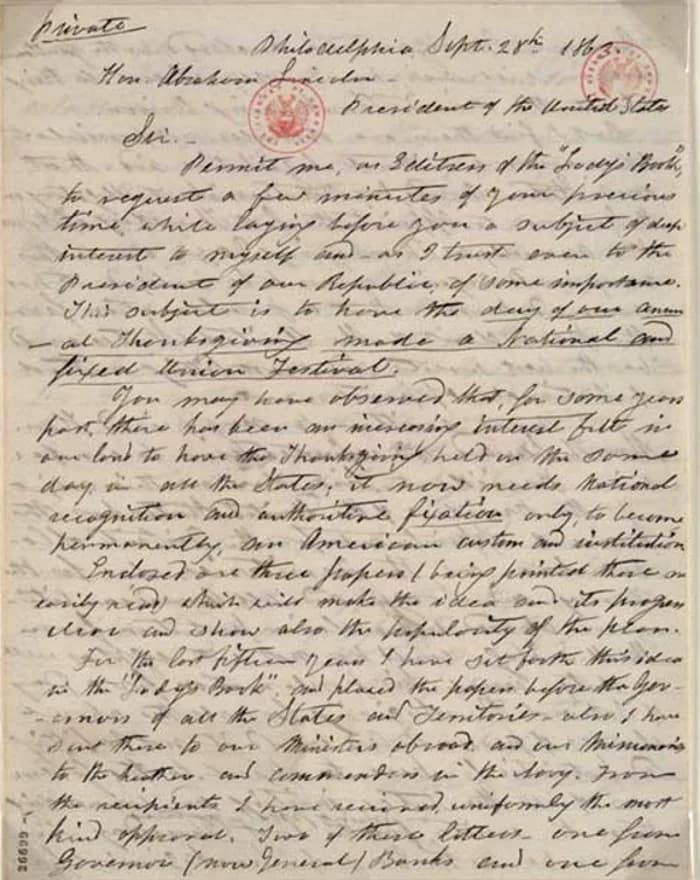
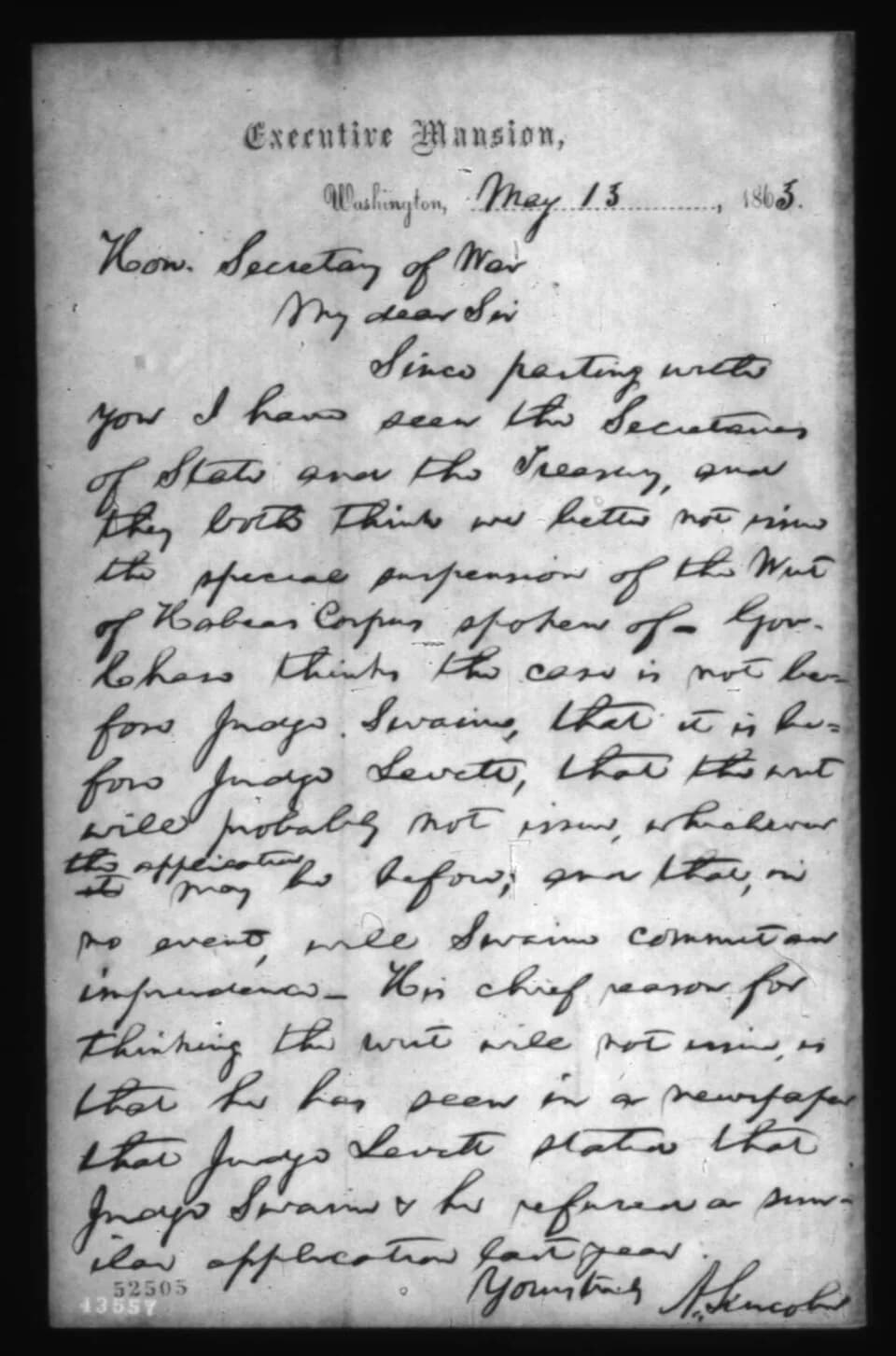
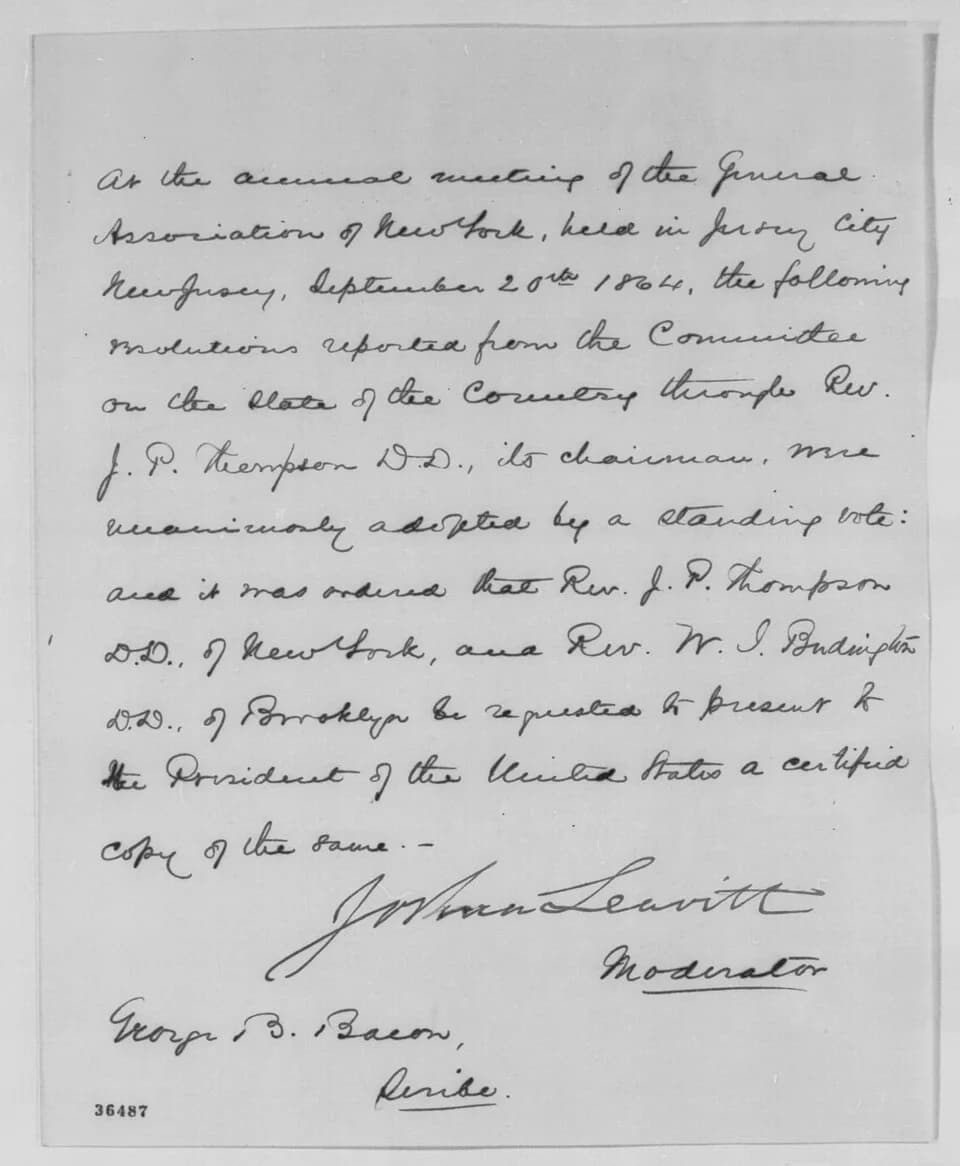
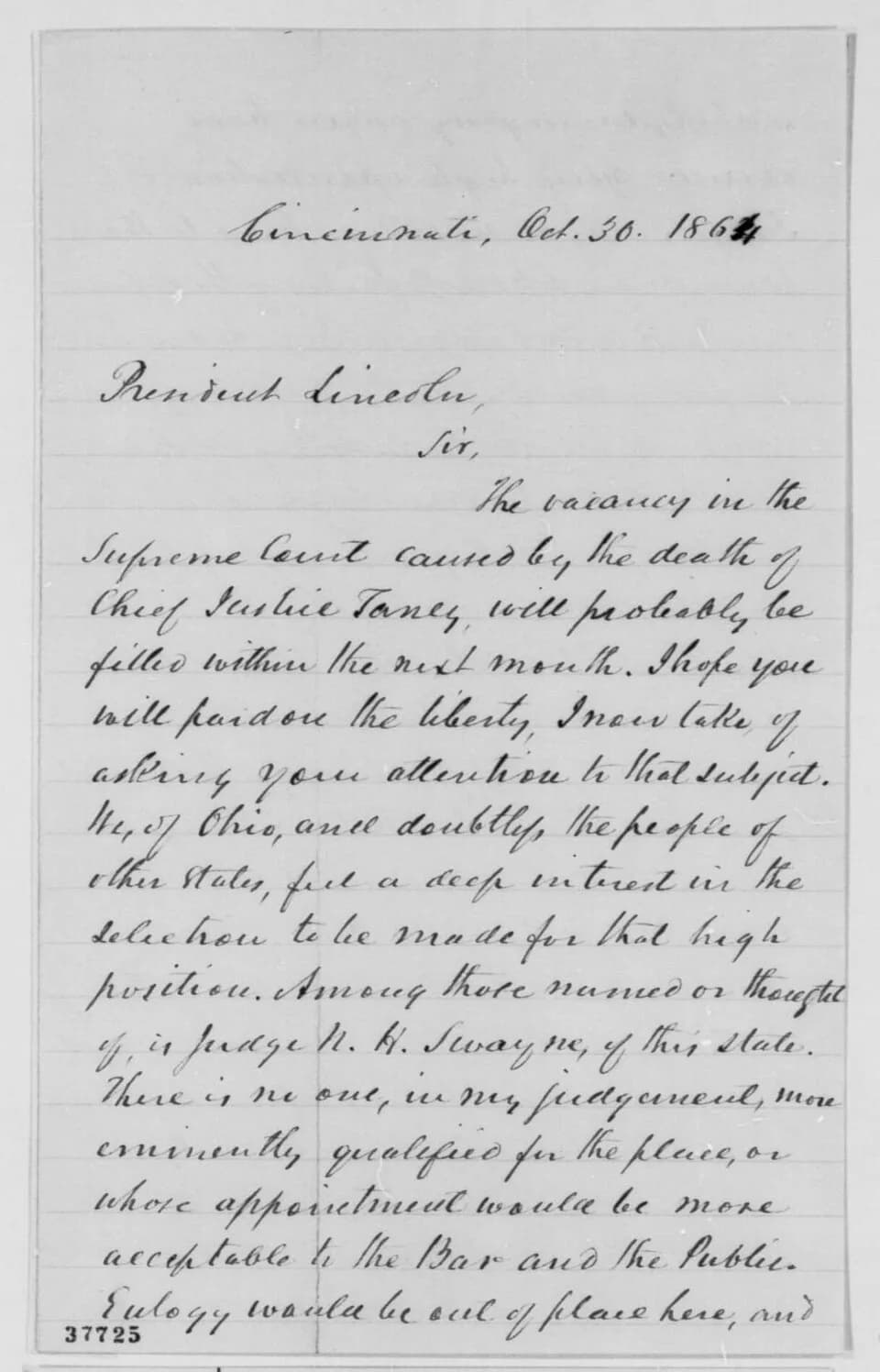
Abraham Lincoln authored numerous impactful documents and proclamations during his extensive career in public service. Among his significant written contributions are "Three letters from Lincoln" and a "Circular. Department of state, Washington, September 22, 1862. To the diplomatic and consular officers of the United States in foreign countries." A particularly momentous work was "Promulgating the Emancipation proclamation," which paved the way for the formal "Proclamation of emancipation by the President of the United States of America" issued on September 22, 1862. This powerful document declared freedom for enslaved individuals within the Confederate states, with subsequent reiterations like the 52-line version providing further detail. Other notable proclamations include "By the President of the United States of America. A proclamation" and the "Proclamation of National fast day." He also issued critical military directives such as "General orders, no. 91. Headquarters, Department of the Gulf, New Orleans, December 30, 1863" and "General orders, no. 139. War department, adjutant general's office, Washington, Sept. 24, 1862," demonstrating his active leadership during wartime. His "Second inaugural, March 4, 1865" remains a revered piece of American political discourse.
Chapter 7 · 1865· Chapter 7 of 8
Later Years
Lincoln's final years were entirely consumed by the ongoing American Civil War and the eventual path to its resolution. He continued to serve as president until his assassination on April 15, 1865, occurring just five days after the surrender of Confederate General Robert E. Lee. His ultimate act as president involved guiding the nation through the conclusion of the war and initiating the immensely difficult process of national reunification. His second inaugural address, delivered on March 4, 1865, eloquently expressed themes of healing and reconciliation, outlining his profound vision for the future of the United States.
Chapter 8· Chapter 8 of 8
Legacy and Impact
Abraham Lincoln's legacy is vast and enduring, rooted in his unwavering dedication to preserving the United States and his essential role in bringing about the end of slavery. His firm leadership during the Civil War ensured the continuation of the Union, showcasing remarkable resolve in a period of intense national division. The Emancipation Proclamation stands as a historic document in the narrative of human rights, permanently associating his name with the universal struggle for freedom. His influence continues to shape discussions on leadership, justice, and the vital importance of national unity.
FAQ
Frequently asked
When did Abraham Lincoln die?
Abraham Lincoln died on April 15, 1865 in Washington, D.C., United States, at the age of 56.
Where was Abraham Lincoln born?
Abraham Lincoln was born in Hodgenville, United States on February 12, 1809.
What is Abraham Lincoln best known for?
Abraham Lincoln is best known for president of the United States from 1861 to 1865.
How old was Abraham Lincoln when they died?
Abraham Lincoln was 56 years old at the time of death.
What nationality was Abraham Lincoln?
Abraham Lincoln was from United States.
Timeline
Life at a glance
Photo gallery
A life in pictures
Click any polaroid to expand · 24 photos
QR Code
Share This Biography
Print & Share
Scan to visit this biography page. Print for events, exhibitions, or educational materials.