Born
June 21, 1905
Paris, France
Died
April 15, 1980
14th arrondissement of Paris, France
Known for
French existentialist philosopher
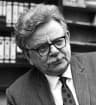
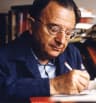
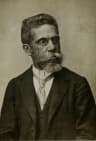
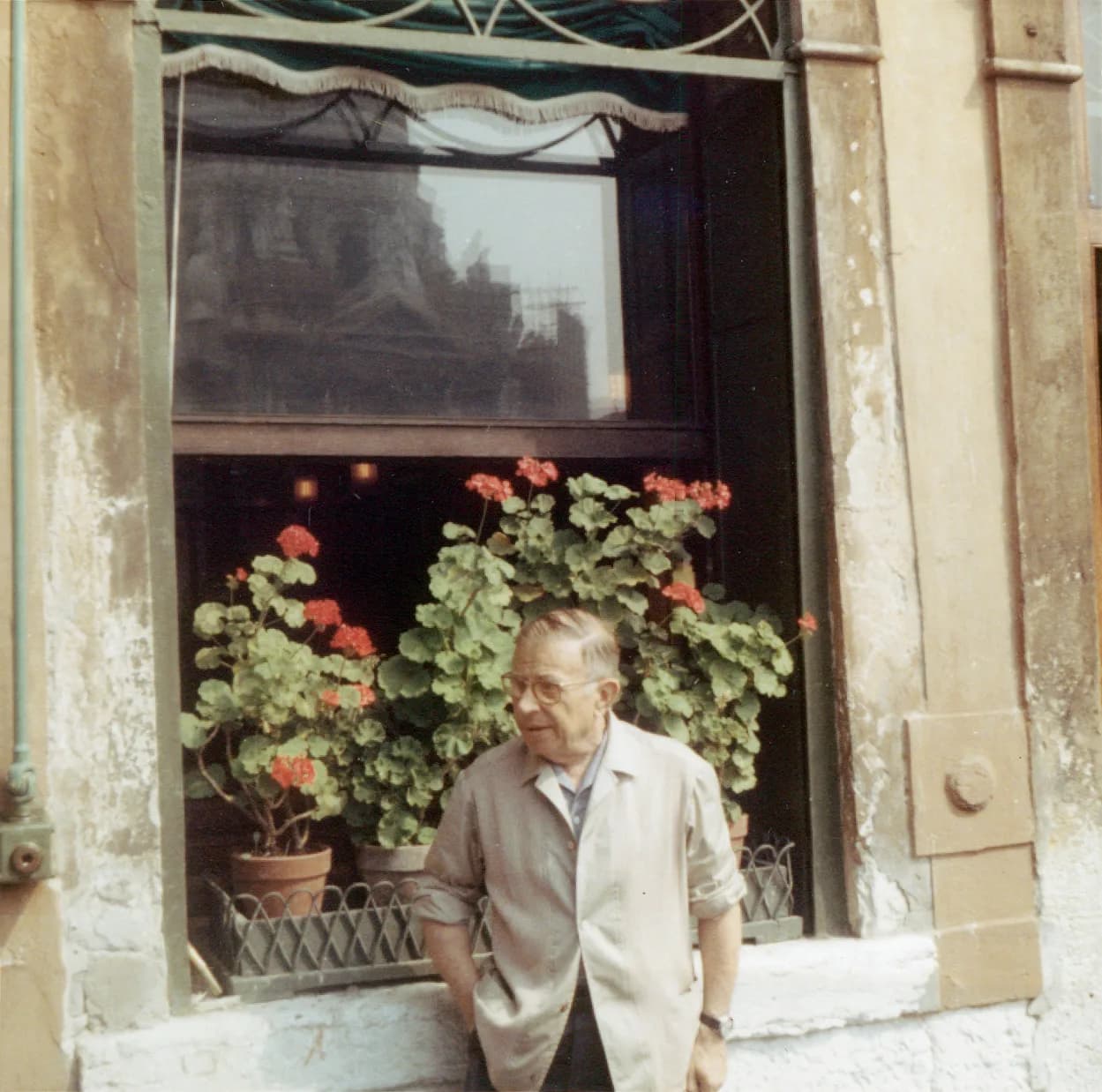
Jean-Paul Sartre (1905–1980) was France best known for French existentialist philosopher.
Jean-Paul Sartre (June 21, 1905 – April 15, 1980) was a French existentialist philosopher from Paris, France. He was a leading figure in 20th-century French philosophy and famously refused the 1964 Nobel Prize in Literature. His work profoundly influenced sociology, critical theory, and literary studies, leaving an enduring intellectual legacy.
Chapter
Life chapters
Chapter 1 · 1905· Chapter 1 of 6
Early Life and Origins
Born on June 21, 1905, in the vibrant city of Paris, France, Jean-Paul Sartre's early life laid the foundation for his extraordinary intellectual journey. His formative years in this cultural and intellectual hub undoubtedly shaped his critical thinking and philosophical outlook. Though specific details about his family and upbringing are not provided, his birth in Paris proved to be a significant starting point for a life dedicated to thought.
Chapter 2· Chapter 2 of 6
Career Beginnings
Sartre embarked on a prolific career that encompassed a wide array of professions, establishing himself not just as a philosopher but also as a playwright, novelist, and screenwriter. He was also deeply engaged as a political activist, resistance fighter, and peace activist, demonstrating an unwavering commitment to applying his philosophical insights to real-world issues. His early work began to challenge conventional thought and laid the groundwork for his significant role in defining existentialist philosophy.
Chapter 3 · 1964· Chapter 3 of 6
Major Achievements and Career Highlights
A pivotal moment in Jean-Paul Sartre's illustrious career came in 1964 when he was awarded the Nobel Prize in Literature. The Nobel Committee recognized him "for his work which, rich in ideas and filled with the spirit of freedom and the quest for truth, has exerted a far-reaching influence on our age." However, Sartre famously attempted to refuse this prestigious honor, stating his consistent rejection of official distinctions and his belief that "a writer should not allow himself to be turned into an institution."
This refusal underscored his independent spirit and his philosophical stance against institutionalization and bourgeois acceptance. Throughout his life, Sartre was considered a leading figure in 20th-century French philosophy and Marxism, shaping the intellectual discourse of his era. His work became a cornerstone of existentialism, a philosophical movement emphasizing individual freedom, responsibility, and the search for meaning in a world without inherent purpose.
Chapter 4 · 1821· Chapter 4 of 6
Notable Works or Contributions
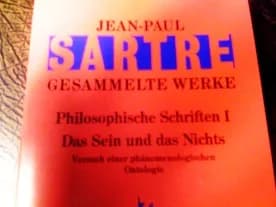
Sartre's extensive bibliography reflects the breadth and depth of his intellectual curiosity, spanning philosophy, fiction, and criticism. Among his most notable philosophical texts is "Das Sein und das Nichts" (Being and Nothingness), a seminal work that explored consciousness, freedom, and the nature of human existence. He also contributed significantly to literary criticism with works like "L'Idiot de la famille, Gustave Flaubert de 1821 à 1857 I. La Constitution," a multi-volume study of Gustave Flaubert.
His profound engagement with existentialist themes extended into his fictional works and plays, making complex philosophical ideas accessible to a wider audience. "The diary of Antoine Roquentin" (later known as Nausea) is an early novel that vividly portrays existential angst through its protagonist's experiences. Plays like "The flies" (Les Mouches) and "La Putain respectueuse" (The Respectful Prostitute) explored themes of freedom, responsibility, and societal constraints, often through allegorical narratives.
Other significant contributions included "L'Existentialisme, grand débat avec J.-B. Pontalis [et al.]," which summarized his core ideas, and essays like "Vádirat az antiszemitizmus ellen" (Anti-Semite and Jew), a piercing analysis of anti-Semitism. His philosophical treatise "L'imaginaire" delved into the philosophy of imagination, further demonstrating his expansive intellectual reach. These works, among many others, cemented his reputation as a formidable and innovative intellectual figure.
Chapter 5 · 1964· Chapter 5 of 6
Later Years
In his later years, Jean-Paul Sartre continued to be an influential public figure and intellectual, even after his famous Nobel Prize refusal in 1964. His commitment to political activism remained strong, reflecting his belief in the intellectual's responsibility to engage with societal issues. His enduring presence in public discourse solidified his status as a critical voice in global thought until his passing.
Jean-Paul Sartre died on April 15, 1980, in the 14th arrondissement of Paris, France. His death marked the end of an era for French philosophy and left a significant void in global intellectual discourse. He remained an icon of intellectual independence and a symbol of critical thought throughout his final years.
Chapter 6· Chapter 6 of 6
Legacy and Impact
Jean-Paul Sartre's intellectual legacy is vast and continues to resonate deeply across various fields. His philosophical insights and literary works continue to influence a diverse array of academic disciplines, including sociology, critical theory, post-colonial theory, and literary studies. He redefined the philosophical landscape of the 20th century by making existentialism a widely discussed and profoundly influential school of thought, emphasizing the burden and glory of human freedom.
Through his roles as a philosopher, writer, political activist, and resistance fighter, Sartre championed individual freedom and the relentless quest for truth in a complex world. His principled refusal to accept official accolades reinforced his commitment to intellectual independence and anti-establishment principles. He remains a towering figure whose ideas continue to provoke thought and inspire critical engagement with the fundamental questions of the human condition.
A life in moments
The moments that shaped a life
FAQ
Frequently asked
When did Jean-Paul Sartre die?
Jean-Paul Sartre died on April 15, 1980 in 14th arrondissement of Paris, France, at the age of 74.
Where was Jean-Paul Sartre born?
Jean-Paul Sartre was born in Paris, France on June 21, 1905.
What is Jean-Paul Sartre best known for?
Jean-Paul Sartre is best known for French existentialist philosopher.
How old was Jean-Paul Sartre when they died?
Jean-Paul Sartre was 74 years old at the time of death.
What nationality was Jean-Paul Sartre?
Jean-Paul Sartre was from France.
Timeline
Life at a glance
Photo gallery
A life in pictures
Click any polaroid to expand · 44 photos
QR Code
Share This Biography
Print & Share
Scan to visit this biography page. Print for events, exhibitions, or educational materials.