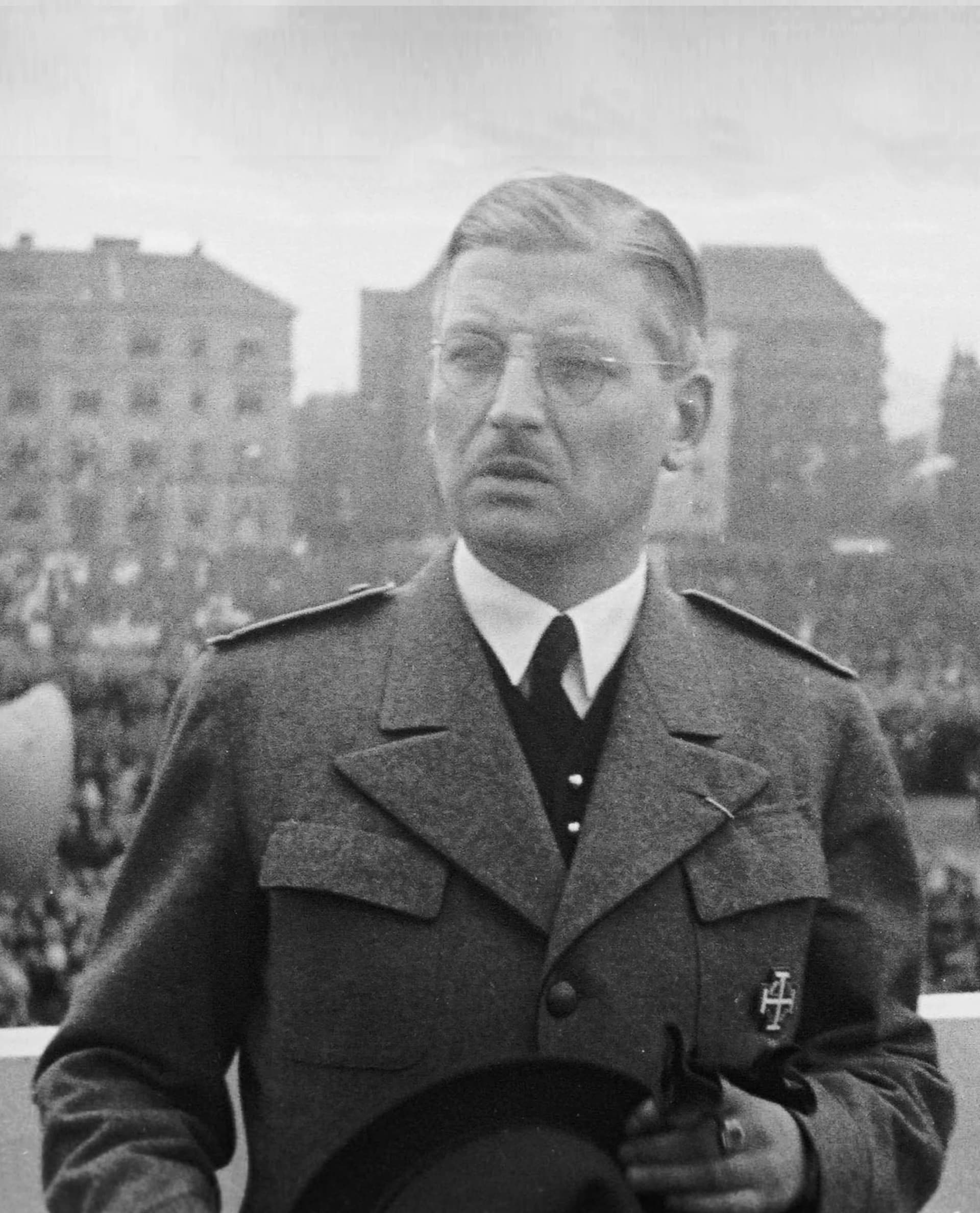
وُلد
December 14, 1897
Riva del Garda, Italy
تُوفّي
November 18, 1977
Mutters, Austria
مشهور بـ
Chancellor of Austria
Kurt Schuschnigg (1897–1977) was Italy best known for Chancellor of Austria.
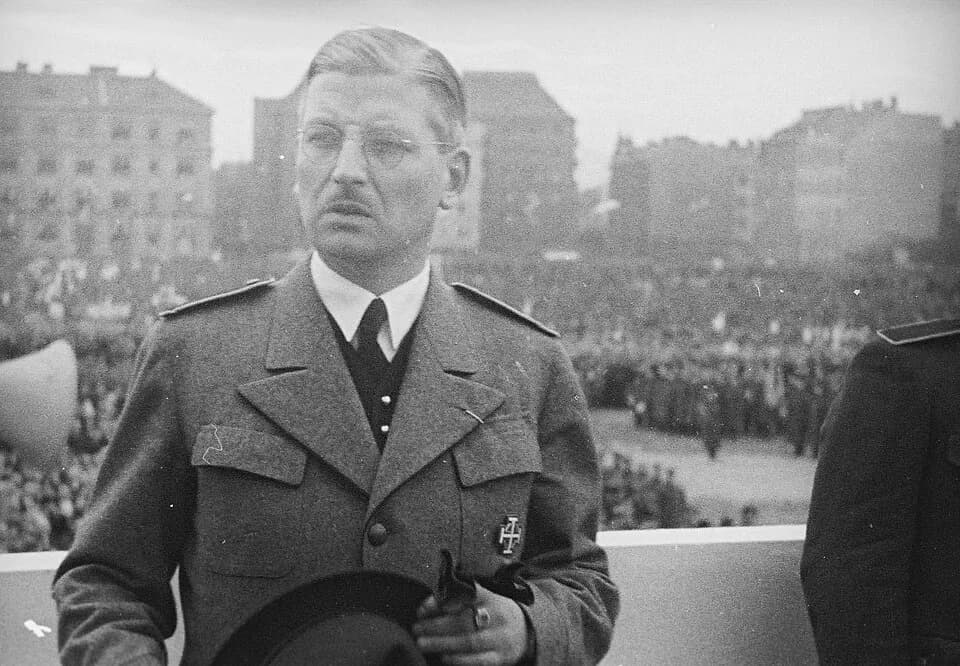
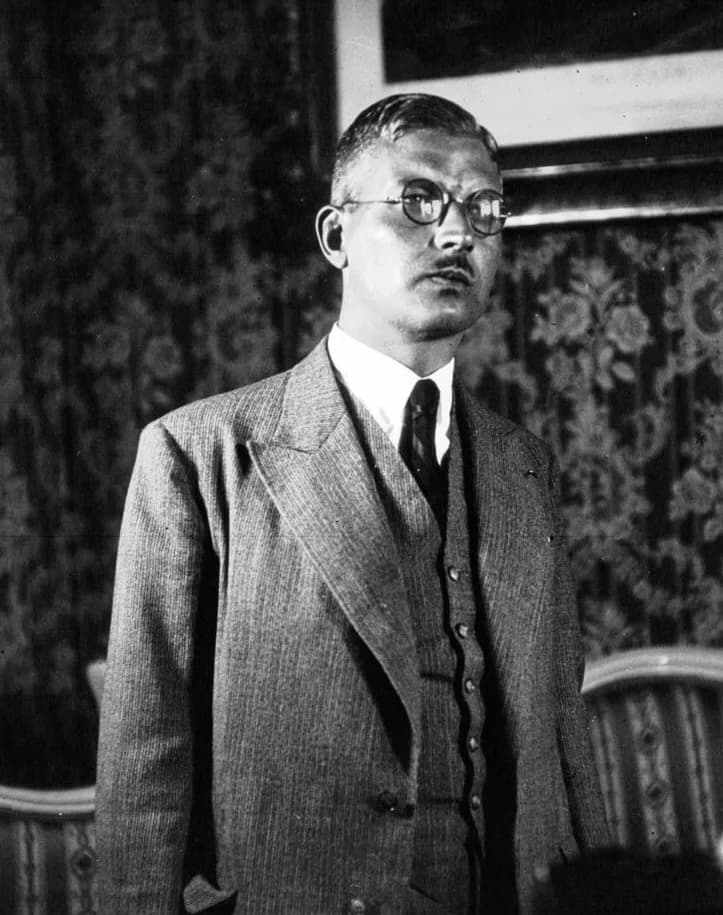
Kurt Alois Josef Johann von Schuschnigg (December 14, 1897 – November 18, 1977) was an Austrian lawyer, politician, and professor. He served as Chancellor of Austria, bravely resisting Adolf Hitler's push for the Anschluss. His principled stand against the Nazi regime underscored his dedication to national independence.
الفصل
فصول الحياة
الفصل 1 · 1897· الفصل 1 من 7
Early Life and Origins
Born in Riva del Garda, Italy, on December 14, 1897, Kurt Schuschnigg’s early life unfolded against the backdrop of a changing European continent. Details of his family and upbringing are not extensively documented in available records, but his trajectory suggests a foundation in intellectual pursuit and public service. His origins in Riva del Garda, then part of the Austro-Hungarian Empire, placed him at a cultural crossroads that likely shaped his perspective on national identity and regional complexities.
الفصل 2· الفصل 2 من 7
Career Beginnings
Schuschnigg’s professional journey began with a strong academic grounding, pursuing studies that led him to become a distinguished lawyer and jurist. These formative years in legal practice provided him with a rigorous understanding of constitutional law and governance, which would become essential tools in his later political career. His early work as a pedagogue and professor further cultivated his analytical skills and his ability to articulate complex ideas, preparing him for the demanding roles he would eventually undertake in public life.
الفصل 3 · 1934· الفصل 3 من 7
Major Achievements and Career Highlights
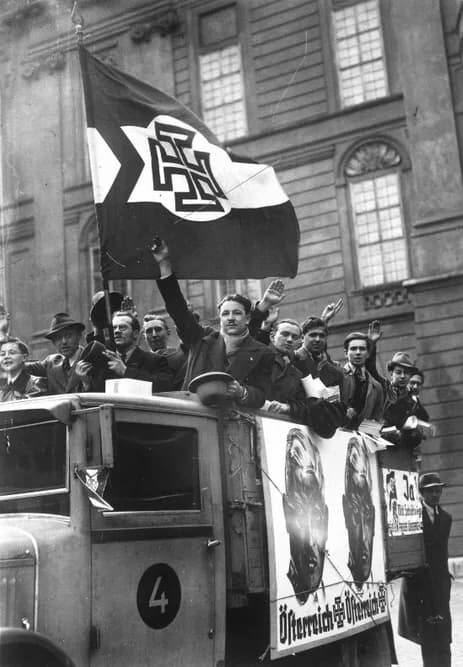
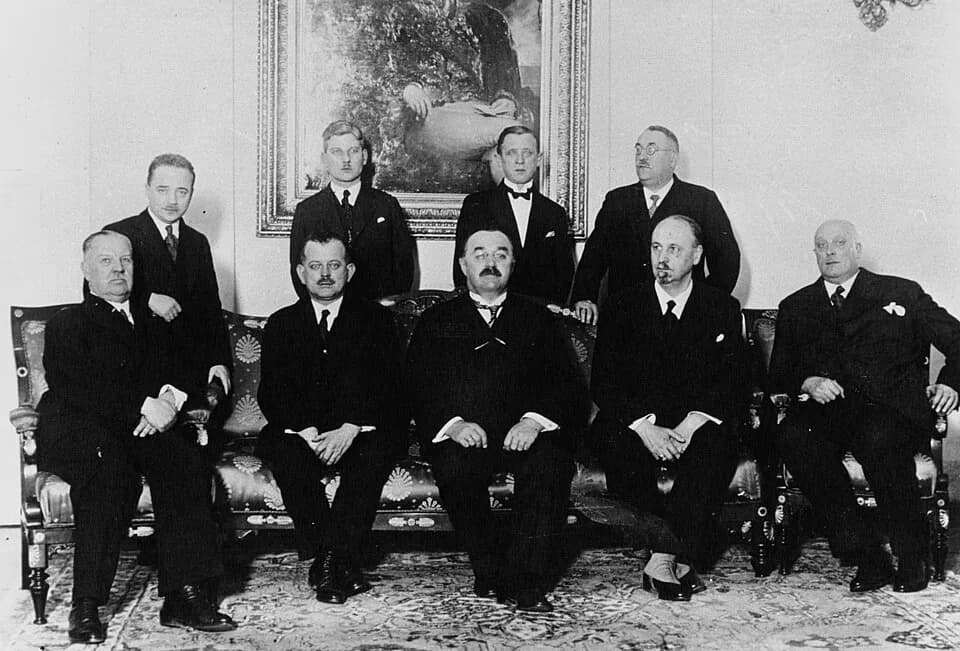
The defining period of Kurt Schuschnigg’s political career commenced with his ascension to the Chancellorship of the Federal State of Austria. He took office following the tragic assassination of his predecessor, Engelbert Dollfuss, in 1934, inheriting a nation under severe internal and external strain. His tenure as Chancellor was marked by his unwavering commitment to maintaining Austria's independence amidst the rising threat of Nazi Germany.
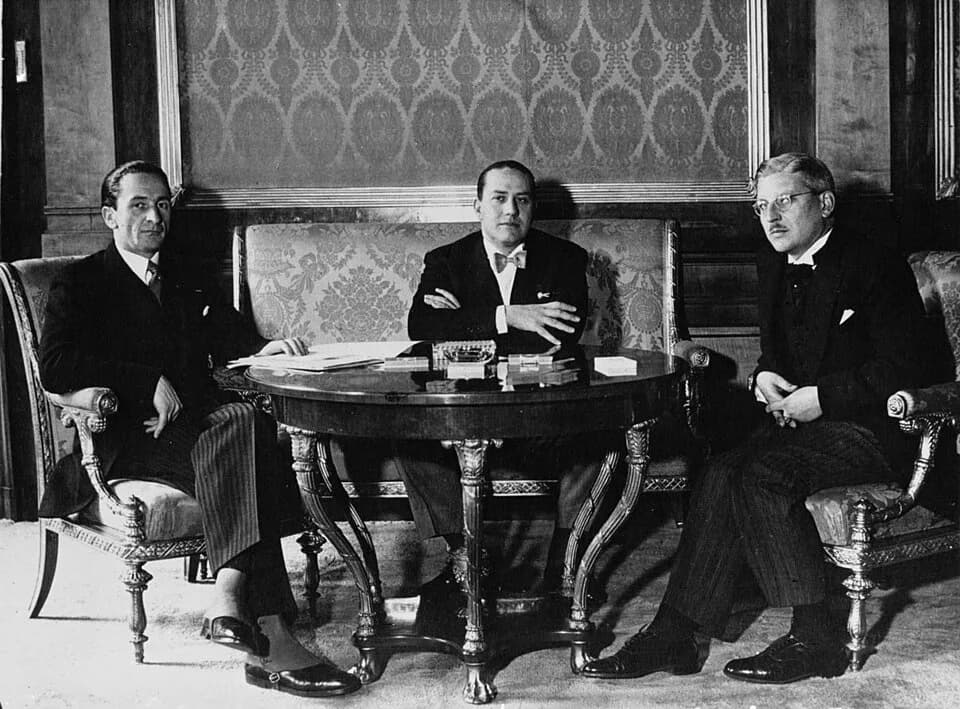
During his leadership, Schuschnigg navigated the intricate diplomatic landscape with determination. He acknowledged Austria as a “German state” and Austrians as Germans, reflecting the complex cultural and linguistic ties with its powerful neighbor. Despite this shared heritage, he stood firmly against Adolf Hitler’s aggressive ambition to absorb Austria into the Third Reich, making his opposition to the 1938 Anschluss a central tenet of his chancellorship. His efforts to preserve Austria's self-determination are a testament to his conviction and courage in the face of overwhelming odds.
الفصل 4· الفصل 4 من 7
Personal Life
While Kurt Schuschnigg's public life as a politician, diplomat, and professor was well-documented through his actions and publications, specific details regarding his private and family life are not extensively provided in historical accounts. His dedication to public service and the critical political challenges he faced as Chancellor likely consumed much of his time and focus. However, his steadfast resistance to the Anschluss reveals a man of profound personal conviction and resolve.
الفصل 5 · 1971· الفصل 5 من 7
Notable Works or Contributions
Beyond his political career, Kurt Schuschnigg was also an academic and author, contributing significantly to scholarly discourse. His academic h-index of 2, with eight papers, includes several influential works that offer insights into historical events and legal theory. Among his top works is “The brutal takeover: The Austrian ex-Chancellor's account of the Anschluss of Austria by Hitler,” published in 1971, which has garnered four citations and provides a unique first-hand perspective on one of Europe's most significant historical moments.
Other notable publications include “The Austrian Peace” from 1948, cited two times, offering his reflections on post-war order. He also authored “The Development of the German Public Mind” in 1958 and “The Colossus Again. Western Germany from Defeat to Rearmament” in 1956, each with one citation, demonstrating his ongoing engagement with political and historical analysis. Intriguingly, “International Law: An Introduction to the Law of Peace” was published in 2013, long after his passing, suggesting a posthumous release or re-edition of his earlier work, further extending his intellectual reach.
الفصل 6 · 1938· الفصل 6 من 7
Later Years
Following the Anschluss in 1938, Kurt Schuschnigg endured a period of imprisonment under the Nazi regime, a direct consequence of his opposition to Hitler’s expansionist aims. After his liberation at the end of World War II, he rebuilt his life and continued his intellectual pursuits, emigrating to the United States where he pursued an academic career. He dedicated himself to teaching, sharing his vast knowledge of law, politics, and history with new generations of students.
He returned to Austria later in life, ultimately passing away on November 18, 1977, in Mutters, Austria. His final years were spent in his homeland, reflecting a life that came full circle, from his birth in what was then Austro-Hungarian territory to his peaceful passing in Austria, decades after the turbulent period he so courageously navigated.
الفصل 7· الفصل 7 من 7
Legacy and Impact
Kurt Schuschnigg’s legacy is defined by his principled stand against totalitarian aggression and his unwavering dedication to Austrian independence. His chancellorship marked a critical juncture in European history, demonstrating the fierce resistance of a smaller nation against a powerful expansionist regime. He remains a symbol of national sovereignty and diplomatic courage.
His writings, particularly his account of the Anschluss, continue to serve as vital historical documents, offering invaluable perspectives for scholars and students alike. Schuschnigg's contributions as a lawyer, politician, professor, jurist, diplomat, and pedagogue collectively underscore his broad influence. He profoundly shaped not only Austria's political narrative but also the broader understanding of interwar European history and the challenges of international law and peace.
حياة في لحظات
اللحظات التي شكّلت حياة
الأسئلة الشائعة
أسئلة متكررة
متى توفي Kurt Schuschnigg?
توفي Kurt Schuschnigg في 18 نوفمبر 1977 في Mutters, Austria عن عمر يناهز 79 عامًا.
أين وُلد Kurt Schuschnigg?
وُلد Kurt Schuschnigg في Riva del Garda, Italy في 14 ديسمبر 1897.
بماذا اشتهر Kurt Schuschnigg?
اشتهر Kurt Schuschnigg بـ Chancellor of Austria.
كم كان عمر Kurt Schuschnigg عند وفاته?
كان عمر Kurt Schuschnigg 79 عامًا عند وفاته.
ما جنسية Kurt Schuschnigg?
كان Kurt Schuschnigg من Italy.
الخط الزمني
الحياة في لمحة
معرض الصور
حياة في صور
انقر على أي صورة بولارويد لتكبيرها · 22 صورة
رمز الاستجابة السريعة
شارك هذه السيرة
اطبع وشارك
امسح ضوئيًا لزيارة هذه السيرة. اطبعها للفعاليات أو المعارض أو المواد التعليمية.